
A newborn baby’s skin is up to five times thinner than adult skin, making it highly sensitive to friction, chemical residues, and temperature fluctuations. When choosing a swaddle, understanding the exact fabric composition and safety standards is essential to prevent contact dermatitis, heat rash, and sleep discomfort. The Sunday Hug swaddle is designed with infant safety in mind, but because product lineups can feature different material blends, parents must know how to verify the specific fabric used in the item they purchase.
To ensure your newborn remains safe, comfortable, and at an optimal temperature, you must evaluate the swaddle’s chemical safety, physical design, and breathability. This guide outlines how to inspect the fabric labels, identify key textile certifications, assess structural design features for hip health, and care for the fabric to maintain its safety over time.
How to Verify the Fabric Composition of Your Sunday Hug Swaddle
To determine exactly what your Sunday Hug swaddle is made of, bypass the marketing claims on the front of the packaging and inspect the physical care label sewn directly into the product. Manufacturers are legally required to list the exact fiber percentages on this label. You can also cross-reference these details with the original packaging insert or the official product description on the brand’s verified website to ensure consistency.
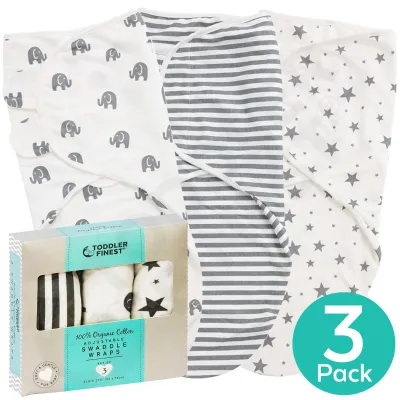
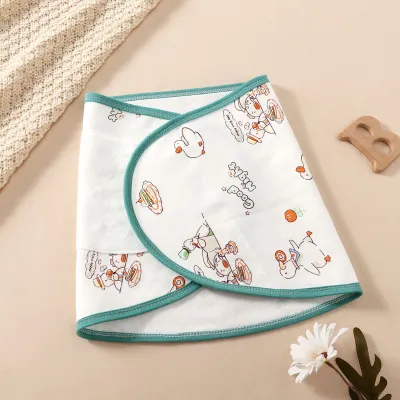
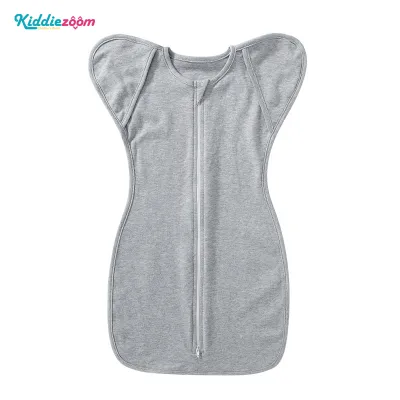
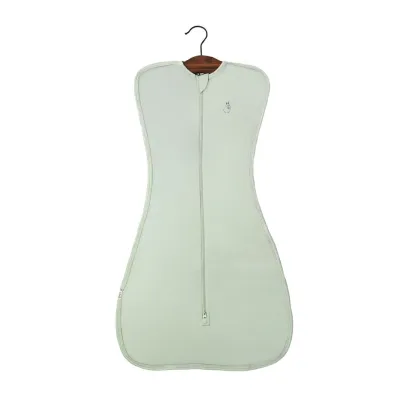
Products mentioned in this guide
![[LIL BUBBA] 100% Cotton Baby Swaddle Double Zipper Wrapping Cloth](https://img.lazcdn.com/g/ff/kf/Sabce070bfff64320a6e160dd8f5cb993q.jpg_400x400q80.jpg_.webp)
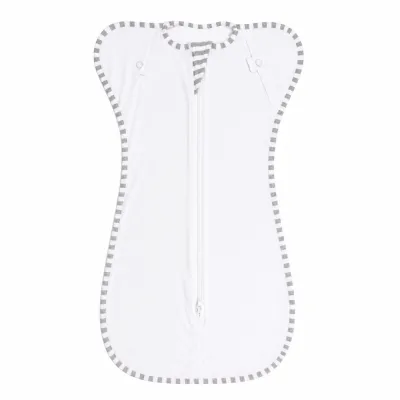
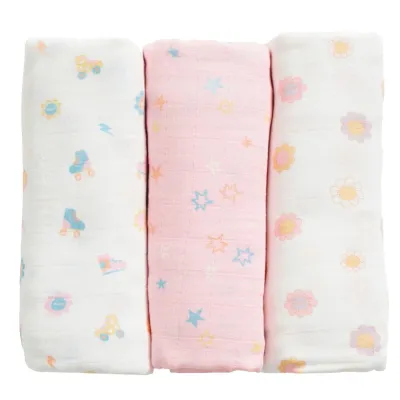
Prices are valid at publication and may change. Please refer to the product page for the latest price.
Premium newborn swaddles generally utilize a select group of safe, highly breathable materials. Understanding these common fabrics helps you evaluate the properties of your specific swaddle:
- 100% Cotton: A classic choice known for its durability, natural softness, and excellent breathability. It is highly effective at absorbing moisture and is gentle on sensitive skin.
- Organic Cotton: Grown without synthetic pesticides or fertilizers, organic cotton minimizes the risk of chemical residues contacting your baby's skin.
- Bamboo Viscose: A regenerated cellulose fiber celebrated for its exceptional silk-like softness, natural thermal regulation, and superior moisture-wicking capabilities.
- Cotton Muslin: A loose, open-weave fabric that is incredibly lightweight, allowing maximum airflow to reduce the risk of overheating.
Each of these materials offers functional benefits that support a newborn’s delicate skin barrier. Softness reduces mechanical friction against the skin, while moisture-wicking properties prevent sweat from pooling, which can otherwise lead to painful heat rashes.
When evaluating a swaddle, be cautious of vague marketing terms such as “natural,” “eco-friendly,” or “hypoallergenic” on the packaging. These terms are not standardized or legally regulated textile definitions. Always look for the explicit fiber breakdown—such as 60% bamboo viscose and 40% cotton—to know exactly what will be resting against your baby’s skin.
Essential Safety Certifications to Look for on the Product Label
Textile certifications provide independent verification that a fabric is free from harmful levels of toxic chemicals. Because newborns frequently suck on their swaddles or rest their faces directly against the fabric, verifying these certifications is a crucial step in skin safety.

Recognized Textile Certifications
Oeko-Tex Standard 100 is one of the most rigorous independent testing systems for raw, semi-finished, and finished textile products. If a Sunday Hug swaddle carries this certification, it means every thread, zipper, and fastener has been tested for over 100 harmful substances, including formaldehyde, heavy metals, pentachlorophenol, and carcinogenic dyes. For baby products, look specifically for Class 1 certification, which has the strictest limit thresholds.
The Global Organic Textile Standard (GOTS) is the gold standard for organic fibers. A GOTS certification ensures that the swaddle contains a high percentage of certified organic fibers and that the entire supply chain meets strict environmental and social criteria. This guarantees that no toxic heavy metals, formaldehyde, or aromatic solvents were used during the manufacturing process.
To verify these claims, do not rely solely on a logo printed on a box. Look for the specific license number or label number printed alongside the Oeko-Tex or GOTS logo on the product’s physical tag. You can input this number directly into the official Oeko-Tex Label Check or GOTS Certified Products Database online to confirm that the certification is active and genuine.
What to Do If Certifications Are Not Listed
If formal third-party certifications are not explicitly displayed on the swaddle’s label, you must look for alternative manufacturer guarantees. Check the brand’s official documentation for explicit statements confirming the use of non-toxic, azo-free dyes and the complete absence of fluorescent whitening agents, which are common skin irritants used to make fabrics appear brighter.
Before using the swaddle, perform a simple visual and tactile inspection at home. Unbox the product and check for any strong, pungent, or chemical-like odors, which often indicate the presence of residual volatile organic compounds (VOCs) or harsh finishing chemicals. Feel the fabric to ensure there are no rough spots, stiff seams, or scratchy threads that could chafe your baby’s skin.
Regardless of the safety claims made by the manufacturer, washing the swaddle before its first use is a mandatory safety precaution. A thorough initial wash removes any microscopic surface residues, dust, or sizing agents accumulated during manufacturing, packaging, and transport, ensuring only clean fabric touches your newborn.
Physical and Design Features That Affect Newborn Safety
While chemical safety prevents skin irritation, the physical structure and fit of the swaddle directly impact your baby’s physiological well-being, specifically regarding temperature control and joint development.
Breathability and Overheating Prevention
Overheating is a significant risk factor associated with Sudden Infant Death Syndrome (SIDS). Because newborns cannot regulate their own body temperature efficiently, their sleep wear must allow excess body heat to escape rather than trapping it close to the skin.
Evaluate the swaddle’s fabric weight, which is measured in grams per square meter (GSM), alongside its weave type. A tight-knit, heavy jersey fabric is best reserved for colder environments, while a lightweight, open-weave muslin or a specialized mesh fabric is ideal for warmer climates. Choosing the correct fabric weight ensures that you do not inadvertently raise your baby’s core body temperature.
To monitor your baby’s temperature accurately, do not rely on the warmth of their hands or feet, which naturally feel cooler due to developing circulation. Instead, slide your hand inside the swaddle and feel the baby’s chest or the back of their neck. If the skin feels hot, damp, or sweaty, the baby is overheating; you should immediately transition them to a lighter swaddle or adjust the room temperature.
Stretch, Fit, and Hip Health
Healthy hip development is a critical consideration during a baby’s first few months of life. The International Hip Dysplasia Institute emphasizes that swaddling must be “hip-healthy,” meaning the fabric must not force the baby’s legs into a straight, rigid, or tightly bound position.
Ensure the swaddle fabric provides sufficient elasticity or features a wide, bell-shaped bottom compartment. This design allows your baby’s hips and knees to remain flexed, bent up, and spread naturally apart in an “M-position” or “frog-leg” posture. If the fabric is too rigid or the design is too narrow, it can cause subluxation or hip dysplasia over time.
Additionally, inspect the fastening mechanisms, such as zippers, Velcro, or snaps. These fasteners must secure the upper body snugly to prevent the fabric from loosening and riding up over the baby’s nose or mouth, which poses a suffocation risk. However, they must not restrict the natural movement of the lower body, ensuring a safe balance between security and freedom of movement.
Washing and Care Instructions to Maintain Fabric Safety
Proper maintenance preserves the structural integrity of the swaddle fabric and prevents the introduction of external skin irritants during laundering.
- Perform a Pre-Wash: Always wash the swaddle before the first use to eliminate factory dust and chemical finishes.
- Select a Gentle Detergent: Use a mild, hypoallergenic, fragrance-free, and dye-free liquid detergent formulated specifically for sensitive baby skin. Standard household detergents often contain optical brighteners and synthetic perfumes that leave chemical residues on the fabric fibers, triggering contact dermatitis.
- Avoid Fabric Softeners: Do not use fabric softeners or dryer sheets. These products coat the fabric fibers in a thin chemical film, which severely reduces the material's natural breathability, moisture-wicking capabilities, and flame-resistant properties.
- Use Cool or Warm Water: Wash the swaddle in cool or warm water, avoiding hot water cycles. High temperatures can degrade elastic fibers (such as spandex or elastane blends) and cause significant fabric shrinkage, altering the safe fit of the swaddle.
- Dry on Low Heat: Air-dry the swaddle flat or tumble-dry it on a low-heat, delicate setting. High heat can weaken natural cotton or bamboo fibers, causing them to pill, lose their softness, or warp.
Always defer to the specific care instructions printed on your Sunday Hug swaddle’s physical label, as care requirements can vary depending on the exact fiber blend of that specific model.
Frequently Asked Questions (FAQ)
Is the Sunday Hug swaddle suitable for Singapore's humid weather?
Yes, provided you choose the correct fabric weight and manage the sleep environment. Singapore’s tropical climate features high humidity and consistent warmth, making lightweight and highly breathable fabrics essential. If your baby sleeps in a naturally ventilated room, opt for a Sunday Hug swaddle made of lightweight cotton mesh or bamboo viscose, which maximizes airflow and wicks away sweat.
If your nursery is kept cool with air conditioning, typically between 22°C and 24°C, a standard lightweight cotton or bamboo-blend swaddle is appropriate. Always dress your baby in a single, light layer underneath, such as a short-sleeved cotton bodysuit, and monitor their chest or neck regularly to ensure they remain comfortable and dry.
How can I tell if my baby is reacting to the swaddle's material?
Monitor your baby’s skin closely for signs of irritation, particularly in areas where the fabric makes direct contact, such as the neck, chest, and arms. Common signs of a localized reaction include unexplained redness, dry or rough patches, small red bumps, or a raised rash. If your baby exhibits unusual fussiness, restlessness, or attempts to scratch at their skin while swaddled, they may be experiencing discomfort.
If you suspect a skin reaction, discontinue using the swaddle immediately and wash the affected skin gently with plain, lukewarm water. Consult your pediatrician to rule out other causes, such as heat rash or eczema. While investigating the trigger, switch to an uncolored, undyed, 100% organic cotton alternative to minimize further exposure to potential irritants.
Community discussion
Share your experience or ask a question. Comments are reviewed before publication.