
Quick Answer: Which Material is Best for Your Tatami Cushion?
Choosing the best material for a tatami cushion seat depends entirely on whether you prioritize heat-dispersing breathability, adaptive joint pressure relief, or adjustable structural support. There is no single universal material that excels at every function because a standard floor cushion relies on two completely different components: the outer cover fabric and the inner filling material. Misunderstanding this distinction often leads to uncomfortable seating choices that either trap body heat or fail to support your posture during long periods of floor sitting.
For hot, humid environments or tropical climates like Singapore, a natural linen cover paired with a buckwheat hull filling offers the ultimate cooling experience and highly structured, breathable support. If you prefer a plush, contouring feel that cushions your joints against hard tile or parquet floors, a soft cotton cover combined with a high-density memory foam filling is the ideal configuration. Balancing these elements ensures your floor seating remains comfortable, dry, and ergonomically sound over hours of daily use.
Clarifying the Build: Cover Fabrics vs. Inner Fillings
To make an informed decision, you must first separate the cushion into its two functional layers: the outer cover and the inner filling. A tatami cushion, traditionally inspired by the Japanese zabuton, serves as a crucial buffer between your body and the floor. When shopping or comparing options, looking at “cotton vs. memory foam” is an incorrect comparison because one is a surface textile while the other is a dense internal support structure. Evaluating a cushion requires analyzing covers against covers and fillings against fillings.
Products mentioned in this guide
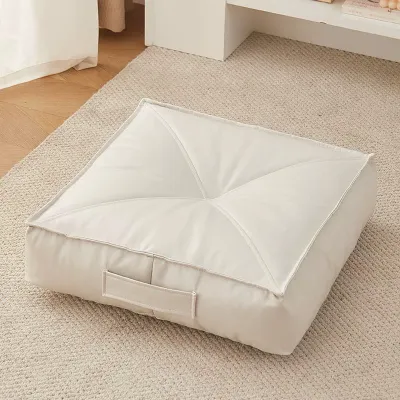
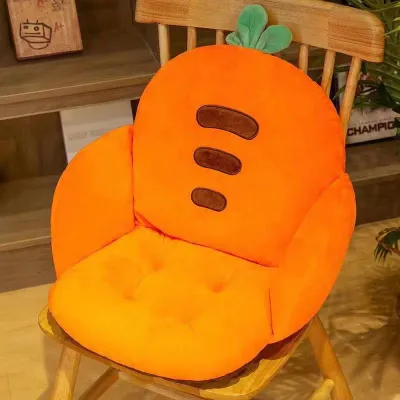
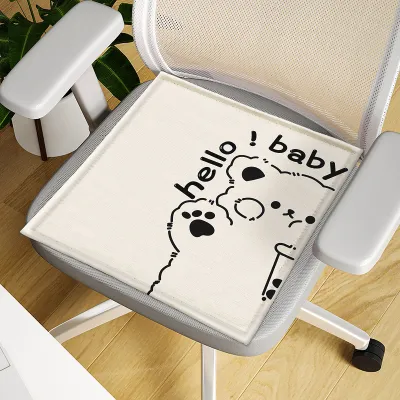
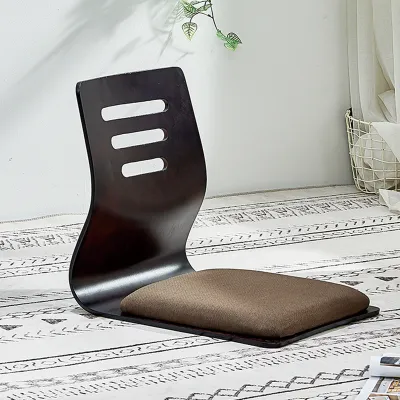
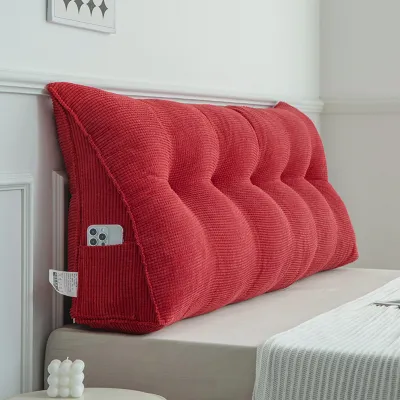
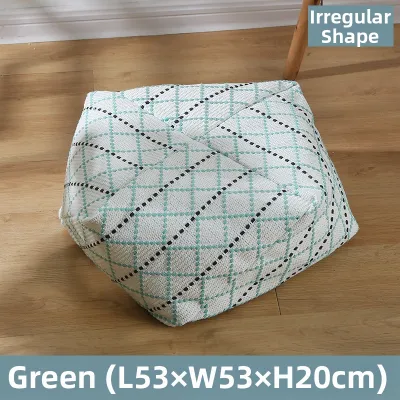
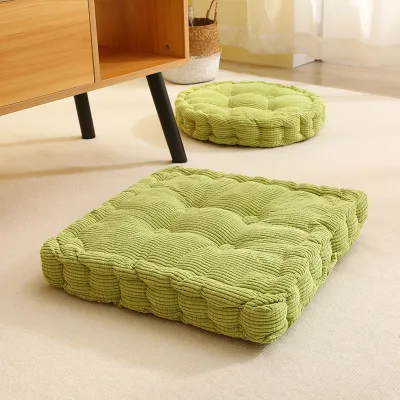
Prices are valid at publication and may change. Please refer to the product page for the latest price.

The Role of the Outer Cover
The outer cover is your direct point of physical contact. It dictates the immediate skin feel, surface durability, aesthetic integration with your room decor, and ease of cleaning. Because floor cushions are highly susceptible to dust, spills, and foot traffic, the cover material must withstand frequent friction and regular washing without losing its shape or texture.
The Role of the Inner Filling
The inner filling determines the cushion’s physical mechanics. It governs how well the cushion distributes your body weight, relieves pressure on your tailbone and hips, retains or dissipates heat, and maintains its thickness over time. A poor filling choice can flatten within weeks, leaving you sitting directly on the hard floor and causing spinal discomfort.
Cover Materials Compared: Cotton vs. Linen
The choice of cover material directly influences how warm or cool the cushion feels against your skin and how easily you can maintain its appearance. Cotton and linen are the two most popular natural fibers used for tatami seat covers, each offering distinct tactile and functional properties.
Cotton: Softness and Easy Maintenance
Cotton is a highly accessible and versatile fiber that provides a classic, inviting softness. It is available in a wide variety of weaves, from lightweight brushed cotton to heavy-duty cotton canvas and twill, allowing you to choose the exact texture and durability level that matches your home environment.
- Tactile Comfort: Cotton fibers are naturally soft and smooth, making them incredibly comfortable for direct, bare-skin contact. It lacks any abrasive texture, which is ideal for households with children or pets.
- Maintenance: Most cotton covers are highly resilient to machine washing. They can handle standard laundry detergents and warm water cycles, making it easy to remove dirt, sweat, and food stains accumulated from floor-level living.
- Limitations in Humid Climates: Cotton is highly absorbent. While this helps draw moisture away from the skin initially, cotton tends to hold onto that moisture rather than evaporating it quickly. In humid climates, a cotton cover can begin to feel damp, heavy, or slightly sticky during extended sitting sessions if the room lacks active air conditioning.
Linen: Breathability and Long-Term Durability
Linen is made from the fibers of the flax plant and is widely celebrated for its exceptional strength and superior thermoregulation. It is a premium textile that brings a relaxed, organic, and textured aesthetic to modern floor seating arrangements.
- Temperature Regulation: Linen fibers are hollow, allowing air and moisture to move naturally through the fabric. It wicks moisture away from the body and dries rapidly, ensuring the cushion surface remains cool and dry even during hot afternoons.
- Tensile Strength: Linen is one of the strongest natural fibers available. It resists wear and tear from friction far better than standard cotton, meaning a linen cover will not pill or thin out easily over years of daily floor use.
- Texture and Aesthetics: Linen has a distinct, slightly slubbed texture that offers a rustic, sophisticated look. While it can feel somewhat stiff or crisp when brand new, high-quality linen softens beautifully with every single wash. It does wrinkle easily, which is considered a natural characteristic of the fiber rather than a defect.
Filling Materials Compared: Memory Foam vs. Buckwheat Hull
The internal filling of your tatami cushion determines how your body weight is distributed and whether your pelvis is supported at the correct angle to prevent lower back strain.
Memory Foam: Contoured Support and Pressure Relief
Memory foam, or viscoelastic polyurethane foam, is a synthetic material engineered to respond to body heat and weight. It is widely used in modern ergonomic cushions to provide deep, pressure-relieving support.
- Anatomical Contouring: When you sit on memory foam, it softens in response to your body heat, molding precisely to the contours of your hips, thighs, and tailbone. This even distribution of weight eliminates high-pressure points, making it highly comfortable for those who suffer from joint stiffness or tailbone pain.
- Shape Retention: High-density memory foam excels at returning to its original shape once you stand up. It does not require manual fluffing or shaking to restore its loft, providing a consistent, predictable level of support every time you sit down.
- Heat Retention and Cleaning Limits: A major drawback of solid memory foam is its tendency to trap body heat. The dense cellular structure restricts airflow, which can create a warm seating surface over time. Additionally, memory foam cannot be machine-washed or submerged in water, as moisture breaks down the foam's chemical structure. It requires spot cleaning and the use of a protective, water-resistant inner liner.
Buckwheat Hull: Adjustable Firmness and Airflow
Buckwheat hulls (the outer casings of buckwheat seeds) are a traditional Asian cushion filling. They offer a completely natural, highly structured, and dynamic sitting experience.
- Dynamic Ergonomics: Unlike foam, which compresses downward, thousands of individual buckwheat hulls shift and lock together under pressure. This creates a highly stable, firm, and supportive base that mirrors the exact shape of your pelvis, promoting a natural upright posture and healthy spinal alignment.
- Superior Air Circulation: Because buckwheat hulls are cup-shaped and loose, they do not pack flat. Air flows continuously through the spaces between the hulls, preventing heat buildup and keeping the cushion exceptionally cool.
- Customizable Loft: Most high-quality buckwheat cushions feature a zippered inner casing. This allows you to easily add or remove hulls to adjust the cushion's height and firmness to your exact preference.
- Weight and Sound: Buckwheat cushions are significantly heavier than foam alternatives. The hulls also produce a gentle rustling sound when you shift weight, which some users find soothing, while others may find it distracting during quiet meditation or work.
Feature-by-Feature Comparison Matrix
To help you visualize how these materials compare across key performance categories, the table below outlines the general characteristics of each cover and filling option.
| Material | Primary Role | Breathability & Cooling | Support & Feel Type | Durability | Maintenance Level |
|---|---|---|---|---|---|
| Cotton | Outer Cover | Moderate | Soft, smooth, and cozy | Moderate to High | Low (Machine washable) |
| Linen | Outer Cover | Excellent | Textured, crisp, and cool | Very High | Low to Moderate (Washable, wrinkles easily) |
| Memory Foam | Inner Filling | Low | Plush, contouring, pressure-relieving | High (High-density) | High (Spot clean only, protect from water) |
| Buckwheat Hull | Inner Filling | Excellent | Firm, structured, moldable | Extremely High | Moderate (Periodic airing, hulls must stay dry) |
Final Decision Framework: Matching Material to Your Needs
To choose the absolute best combination for your home, evaluate your personal physical needs, your local climate, and how you intend to use the seating space.
- Choose Cotton covers if you want a highly budget-friendly, soft, and fuss-free cushion surface for casual, short-term seating, and you prefer a fabric that can be thrown into the washing machine without any special care instructions.
- Choose Linen covers if you live in a tropical or humid climate, tend to run warm while sitting, and want a highly durable, premium fabric that naturally wicks away moisture and keeps your skin cool.
- Choose Memory Foam filling if you sit on very hard floors (such as concrete, tile, or marble), require deep pressure relief for your tailbone and hip joints, and prefer a soft, sinking-in sensation rather than a solid, firm platform.
- Choose Buckwheat Hull filling if you use your tatami cushion for active tasks like meditation, dining, or working at a low table. It is ideal if you require firm pelvic support to maintain an upright posture, want maximum airflow to prevent sweating, and appreciate natural, sustainable materials.
- Verify first if you have specific environmental allergies. While high-quality buckwheat hulls are thoroughly cleaned and dust-free, individuals with severe grass or grain sensitivities should verify their compatibility or opt for hypoallergenic memory foam. Additionally, consider cushion weight; if you plan to frequently pack away or travel with your cushions, lightweight memory foam is far easier to handle than heavy buckwheat hulls.
Care and Maintenance for Floor Cushions
Because tatami cushions sit directly on the floor, they are exposed to more dust, hair, and floor-level moisture than standard sofa cushions. Proper maintenance is essential to keep them hygienic and prevent premature degradation of the fibers.
Caring for Covers
Always check the manufacturer’s care label before washing your cushion covers. For both cotton and linen, use a gentle cycle with cold or lukewarm water to prevent the natural fibers from shrinking. Avoid using harsh bleach or fabric softeners, which can coat the fibers and reduce their natural breathability. Air drying is highly recommended; if you must use a dryer, select a low-heat setting to avoid setting deep wrinkles or warping the zipper tracks.
Caring for Memory Foam Fillings
Never place a memory foam insert into a washing machine or tumble dryer. If a spill occurs, remove the cover immediately and spot clean the foam using a damp cloth and a very mild soap. Press down gently with a dry towel to absorb excess moisture, and allow the foam to air dry completely in a well-ventilated indoor space. Keep memory foam away from direct sunlight and high heat sources, as UV rays and intense heat break down the polyurethane structure, causing it to crumble and lose its elasticity.
Caring for Buckwheat Hull Fillings
Buckwheat hulls must be kept completely dry to prevent mold growth and preserve their structural integrity. Periodically unzip the inner casing and spread the hulls out on a clean tray in a warm, dry area with indirect sunlight to evaporate any trapped body moisture. Avoid exposing natural fibers and hulls to prolonged, intense direct sunlight, which can make the hulls brittle and cause them to break down into dust. If the inner fabric casing gets soiled, empty all the hulls into a clean container first before washing the empty fabric bag.
Frequently Asked Questions (FAQ)
Can I mix a linen cover with a memory foam filling?
Yes, mixing a linen cover with a memory foam filling is an excellent and highly effective combination. This hybrid setup allows you to enjoy the best of both worlds: the superior breathability, moisture-wicking, and cooling properties of natural linen on the outside, paired with the deep, contouring joint pressure relief of memory foam on the inside. It is a particularly popular configuration for those who sit on hard floors for long hours but want to avoid the heat buildup typically associated with synthetic foam cushions.
How thick should a tatami cushion be for floor seating?
For direct floor seating on hard surfaces like tile, hardwood, or polished concrete, a tatami cushion should ideally be between 5 cm and 10 cm thick. Thicker cushions (7 cm to 10 cm) utilizing high-density memory foam or layered foam cores are necessary to prevent your hip bones from bottoming out against the floor during long sitting sessions. If you are using the cushion on top of a traditional, slightly yielding straw tatami mat or a thick rug, a thinner cushion of 3 cm to 5 cm is perfectly adequate. Always check your low-table height first, as a cushion that is too thick can restrict your legroom under a traditional coffee or dining table.
Community discussion
Share your experience or ask a question. Comments are reviewed before publication.