
Selecting the perfect home fragrance is more than a simple design choice; it is an intentional act of sensory curation. For those seeking to craft a serene, balanced indoor environment, the minimalist aesthetic of a MUJI candle offers an ideal starting point. Known globally for its functional, unbranded philosophy, MUJI designs its home fragrance range to complement rather than dominate your living spaces. By aligning subtle scent notes with specific rooms and activities, you can transform a standard living area into a sanctuary of focus, relaxation, or warmth.
Navigating the brand’s diverse olfactory lineup requires an understanding of how different fragrance families interact with your physical surroundings. Whether you want to soothe your mind before sleep, elevate your productivity in a home office, or neutralize cooking odors in a compact kitchen, matching the right scent to the right space is key. This guide explores the distinct characteristics of MUJI’s candle offerings, helping you make an informed purchase that aligns with your daily routines and spatial requirements.
Quick Guide to MUJI Scent Families
MUJI’s approach to home fragrance centers on simplicity and nature-inspired profiles. The brand typically organizes its scented collections into four primary families: citrus, herbal, woody, and floral. Each family serves a distinct atmospheric purpose, utilizing clean and uncomplicated scent combinations that mirror the brand’s overall design philosophy. Rather than relying on complex, heavy perfumes, these candles are formulated to evoke familiar, comforting natural environments.
Products mentioned in this guide
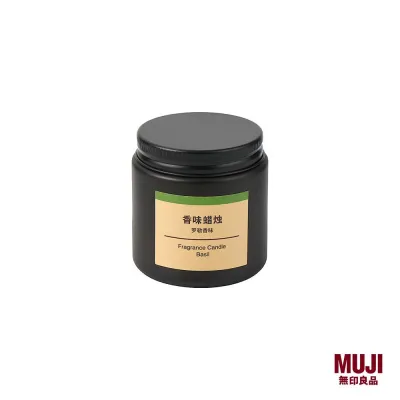
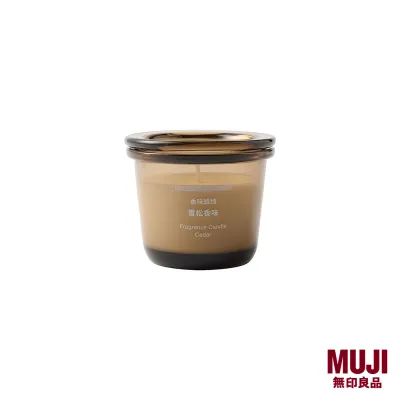
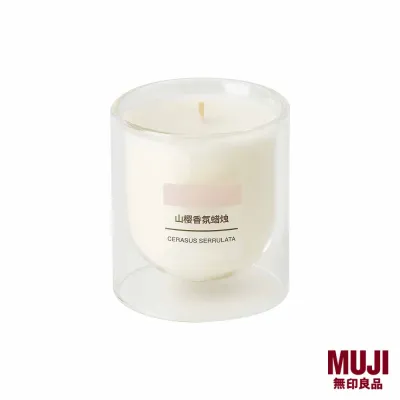
Prices are valid at publication and may change. Please refer to the product page for the latest price.
When selecting a MUJI candle, it is essential to understand that the base formulations can vary across different product lines and seasonal releases. Some candles incorporate natural essential oils to deliver a delicate, botanical aroma, while others utilize synthetic fragrance compounds to ensure a more robust scent throw and prolonged stability. Because these formulations directly affect both the intensity of the aroma and how the candle burns, always check the specific product label or official store listing for the precise ingredient list before purchasing. Relying on general assumptions about a product’s natural or synthetic makeup can lead to mismatched expectations regarding scent strength and performance.
Best MUJI Scents for Relaxation and Sleep
Creating a restful evening sanctuary requires scents that signal the brain to wind down and release the accumulated tension of the day. For bedrooms and evening routines, herbal, woody, and soft floral notes are highly effective. MUJI’s lavender, chamomile, and cedarwood profiles are particularly suited for this transition, offering a grounding sensory experience that prepares the body and mind for deep rest.

Lavender and chamomile are classic choices for evening relaxation due to their soft, herbaceous qualities. When diffused or burned in a candle, these notes create a quiet, powdery atmosphere that helps soften the sharp edges of a busy day. If you prefer a more grounded, earthy environment, woody notes like cedarwood or sandalwood provide a warm, stabilizing base. These fragrances mimic the quiet stillness of a forest, wrapping the room in a subtle, comforting warmth that pairs exceptionally well with low, warm-toned lighting.
Before lighting a candle in your sleeping quarters, always verify the exact scent name and ingredient list on the packaging, as some relaxing blends may contain secondary notes that alter the overall profile. Safety is paramount when burning candles in areas dedicated to rest. Ensure the candle is placed on a flat, stable, and heat-resistant surface, well away from bedding, curtains, or any loose fabrics. Furthermore, check the product label for specific warnings regarding use around household pets, children, or individuals with respiratory sensitivities. Some essential oils can be irritating or toxic to cats and dogs, making a pre-purchase ingredient check a vital safety step.
Energizing and Focus-Boosting Scents
Maintaining concentration during long work hours or kickstarting a slow morning requires an entirely different olfactory palette. In home offices, study corners, or creative workspaces, crisp citrus and sharp herbal notes serve as excellent cognitive catalysts. Fragrances featuring sweet orange, grapefruit, eucalyptus, or peppermint are designed to cultivate an invigorating, clean atmosphere that supports mental clarity and alertness.
Citrus notes, such as grapefruit and sweet orange, offer a bright, effervescent quality that instantly cuts through morning sluggishness. These scents provide a cheerful, uplifting backdrop that can make a workspace feel more open and dynamic. When blended with sharp herbs like eucalyptus or peppermint, the resulting aroma becomes highly clarifying. Eucalyptus introduces a cool, airy dimension that helps open up the senses, while peppermint provides a crisp, refreshing bite that keeps mental fatigue at bay during demanding tasks.
To ensure these energizing scents support your productivity rather than distracting from it, pay close attention to the candle’s scent throw and burning characteristics as detailed on the packaging. An overly intense fragrance in a small, enclosed study can quickly become overwhelming, leading to headaches or sensory fatigue. To prevent this, select smaller candle sizes for compact workspaces and always pair your burning sessions with adequate room ventilation. Keeping a window slightly ajar or ensuring steady airflow allows the scent to circulate gently, maintaining a fresh and balanced environment.
Welcoming and Cozy Fragrances for Living Spaces
The living room is the heart of the home—a communal hub where family members gather and guests are welcomed. To foster a sense of hospitality and comfort, living spaces benefit from warmer, slightly sweeter, or balanced botanical notes. Scents such as vanilla, soft rose, or blended amber create an inviting, cozy envelope that encourages conversation and relaxation.
Vanilla and amber notes provide a rich, comforting foundation that feels inherently hospitable. These warm profiles have a unique ability to make large or open-concept rooms feel more intimate and grounded. If you prefer a lighter, more elegant atmosphere, balanced botanical blends featuring rose or soft wood notes add a touch of sophisticated warmth without being overly sweet. These scents work in harmony with soft furnishings, rugs, and ambient lighting to anchor the living space and establish a comforting domestic rhythm.
When choosing a candle for a communal area, consider the physical dimensions of the room, including the ceiling height and overall square footage. A spacious, open-plan living room will require a candle with a broader scent throw or a slightly longer burn time to distribute the fragrance effectively. Check the product packaging for details on the wax type—such as soy, paraffin, or a blended wax—and the recommended continuous burn time. This ensures the candle can safely burn for the duration of a dinner party or a family movie night without tunneling or overheating.
Fresh and Odor-Neutralizing Picks
Certain areas of the home, such as kitchens, bathrooms, and entryways, require functional fragrances that address lingering household odors. Rather than attempting to mask heavy odors with sweet or heavy floral perfumes—which often results in an unpleasant, clashing scent—it is more effective to use sharp, clean, and herbaceous profiles. Lemongrass, citrus, and pine are highly efficient at cutting through cooking smells or dampness, leaving behind a crisp, sanitized feel.
Lemongrass is a particularly powerful option for kitchens and dining areas, offering a bright, zesty, and slightly green aroma that naturally cuts through grease and heavy food odors. Its sharp profile brings an immediate sense of cleanliness to the space. Similarly, pine and fresh citrus notes work exceptionally well in entryways and bathrooms, providing a brisk, outdoor-inspired freshness that greets visitors and maintains an airy, hygienic atmosphere.
When burning candles in these highly functional zones, strategic placement is crucial for both safety and performance. Always keep candles away from direct food preparation surfaces, flammable kitchen towels, and drafty areas like open windows or exhaust fans, which can cause uneven burning and excessive soot. Because bathrooms and utility areas are often small and enclosed, read the manufacturer’s safety instructions carefully before lighting. Ensure there is sufficient air volume in the room to support clean combustion, and never leave an open flame unattended in a high-traffic or damp environment.
What to Check Before Buying and Burning MUJI Candles
To get the most out of your MUJI home fragrance experience, a systematic approach to selection and maintenance is essential. Before completing your purchase, review the candle’s technical specifications on the packaging or official product page. Key elements to verify include the wax composition (such as soy wax, paraffin, or a proprietary blend), the wick material, the estimated burn time, and any specific environmental or safety certifications. Understanding these specifications helps you select a product that aligns with your household’s air quality preferences and burning habits.
Once you bring your candle home, practicing proper candle care will significantly extend its lifespan and maintain the purity of its scent. Before every single burn, trim the wick to the manufacturer’s recommended length—typically around 5 to 6 millimeters. This simple, reversible maintenance step prevents the flame from growing too large, minimizes black soot, and ensures a clean, steady burn. Additionally, during the very first burn, allow the wax pool to melt completely across the entire top surface to the edges of the container. This prevents “tunneling,” a common issue where the wick burns down the center, leaving a ring of wasted wax along the sides.
For those living in warm and humid climates, such as Singapore, candle storage requires extra attention. High ambient temperatures and humidity can cause candle wax to soften, warp, or sweat, which can degrade the embedded fragrance oils over time. To preserve the integrity of your candles, store them in a cool, dry, and dark cupboard away from direct sunlight and air conditioning drafts when not in use. Finally, prioritize safety above all else: if you observe excessive smoking, a dancing flame, or experience any respiratory discomfort or allergic reactions, extinguish the candle immediately, consult the product’s safety label, and seek professional medical advice if symptoms persist.
Frequently Asked Questions (FAQ)
Are MUJI candles made with natural essential oils?
While MUJI is widely recognized for its use of natural plant extracts and essential oils in its popular diffuser liquids, the formulation of its candle range varies. Some specific candle lines utilize natural essential oil blends to deliver a soft, botanical aroma, while others incorporate high-quality synthetic fragrance compounds to achieve a more consistent scent throw and extended shelf life. Because product lines evolve and seasonal variations occur, always inspect the ingredient list on the specific candle packaging or the official store listing to verify the exact composition before purchasing.
How long do MUJI scented candles typically last?
The lifespan of a MUJI scented candle depends on its overall size, the specific wax blend used, and the environment in which it is burned. Generally, smaller travel tins or tea lights offer shorter burn windows, while larger glass jar candles provide significantly longer usage. To maximize your candle’s burn time, always trim the wick before lighting, avoid placing the candle in drafty areas that accelerate combustion, and limit each burning session to a maximum of three to four hours to prevent the wax from overheating.
Community discussion
Share your experience or ask a question. Comments are reviewed before publication.