
A copper pyramid is a striking geometric object that bridges ancient architectural symbolism with modern interior styling. Culturally, it draws from sacred geometry, Vastu Shastra, and historical associations with copper’s conductive properties. Deciding to display one in your home depends on whether you seek a meaningful spiritual focal point, a unique metallic accent, or a combination of both. By understanding its traditional roots and practical integration, you can make an informed choice that respects its cultural origins while enhancing your living space.
Understanding the Cultural and Spiritual Roots of Copper Pyramids
The pyramid shape has fascinated civilizations for millennia, representing a structural bridge between the earthly and the divine. In sacred geometry, the pyramid is viewed as a powerful symbol of balance and stability, with its broad base firmly rooted in the ground and its apex pointing toward the sky. This geometric form is believed to collect and focus energy, making it a popular shape in various spiritual and architectural practices worldwide.
In Vastu Shastra, the traditional Indian science of architecture, pyramid shapes are highly regarded for their ability to harmonize environmental influences. They are often used as remedial tools to balance the flow of life-force energy, or Prana, within a building. Similarly, in modern interpretations of Feng Shui, geometric shapes are utilized to direct visual focus and balance the elemental energies within a room, helping to create a more harmonious living environment.
Products mentioned in this guide
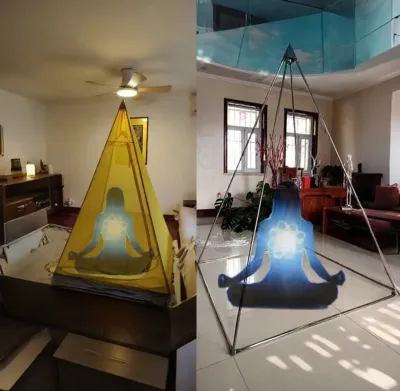

Prices are valid at publication and may change. Please refer to the product page for the latest price.
Copper itself carries deep historical and spiritual associations that complement the pyramid shape. Traditionally regarded as a highly conductive metal, copper has been linked to concepts of energy flow, grounding, and prosperity across various ancient societies. Many cultures have used copper vessels and artifacts not just for utility, but also for symbolic protection and vitality, believing the metal acts as a conduit for positive influences.
When considering a copper pyramid for your home, it is important to distinguish between cultural heritage, spiritual symbolism, and modern decorative interpretations. While ancient traditions utilized specific dimensions and alignments for structural and ritual purposes, modern copper pyramids are primarily contemporary decorative pieces. Recognizing this distinction allows you to appreciate the symbolic value of the object without misrepresenting historical or religious practices.
Is a Copper Pyramid Right for Your Space and Beliefs?
Before introducing a copper pyramid into your home, it is helpful to evaluate your personal connection to the object. Are you drawn to the artifact for its traditional energy symbolism, or do you purely appreciate its clean geometric lines and warm metallic finish? Both motivations are entirely valid, but being clear about your intent will help you place and treat the object with the appropriate level of mindfulness.

From an interior design perspective, copper brings a warm, reflective quality to a room. In diverse housing landscapes, from compact apartments to spacious landed properties, a metallic accent can either elevate a space or create visual clutter. Consider how the warm, reddish-gold tones of copper interact with your existing color palette. Copper pairs beautifully with deep blues, forest greens, and neutral earth tones, but it can clash with highly saturated pastel themes or overly cool, clinical color schemes.
Integrating cultural artifacts into your home also requires a thoughtful approach to cultural respect. Rather than treating a copper pyramid as a superficial novelty, take the time to understand its background and significance. Displaying it in a respectful manner—such as keeping it clean, elevated, and free from surrounding clutter—demonstrates appreciation for the traditions from which it originates.
If you find that the spiritual associations of the pyramid do not align with your personal beliefs, or if the sharp geometric shape feels too intense for your living space, it may be best to explore other options. A home should be a sanctuary of personal comfort, and every decorative piece should contribute to a sense of ease and alignment.
How to Size, Place, and Maintain Your Copper Pyramid
Scale is a critical factor when introducing geometric decor into your living space. A pyramid that is too large can dominate a tabletop, making the surrounding area feel cramped and unbalanced. Conversely, a tiny pyramid might get lost on a wide shelf or sideboard. For standard residential sideboards, study desks, or altars, a pyramid with a base width of 10 to 15 centimeters typically provides a balanced visual anchor without overwhelming other decorative elements.
When it comes to placement, traditional practices often suggest positioning pyramids in specific directions, such as the northeast corner of a room in Vastu Shastra, to promote harmony and positive energy. From a modern design perspective, place the pyramid where it can catch natural light without causing harsh glare. Avoid placing it in high-traffic pathways where it might be easily knocked over, or in damp areas like bathrooms where moisture can accelerate tarnishing.
In warm, humid climates, unlacquered copper will naturally oxidize over time when exposed to air, humidity, and oils from your hands. This process causes the metal to develop a darker, matte patina, and eventually a greenish hue. If you prefer a bright, polished look, you will need to clean the pyramid regularly with a specialized copper polish or a gentle mixture of lemon juice and baking soda applied with a soft microfiber cloth.
Alternatively, you can choose to let the natural patina develop, which adds a rustic, antique character to the piece. Before applying any cleaning agents, check if your copper pyramid has a protective lacquer coating. Lacquered copper should only be dusted with a soft, dry cloth, as chemical polishes or abrasive cleaners can scratch and strip the protective layer, leading to uneven tarnishing.
Signs a Copper Pyramid Isn't the Right Fit for Your Home
While copper pyramids are versatile, they do not suit every interior style. In ultra-minimalist spaces that rely on cool tones, hidden storage, and sleek stainless steel or chrome accents, a warm copper pyramid can feel visually discordant. Similarly, in homes dominated by soft, rustic textures like distressed wood, wicker, and linen, the sharp, precise lines of a metal pyramid might feel too industrial or jarring.
Some individuals also find that geometric shapes with sharp points feel visually aggressive or unsettling. In certain design philosophies, sharp corners pointing directly at seating or sleeping areas are avoided because they can create a sense of tension. If the sharp apex of a pyramid makes you feel uneasy, it is a clear sign that this particular shape is not suitable for your personal sanctuary.
If you love the warmth of copper but want to avoid the specific cultural weight or sharp angles of a pyramid, there are many excellent alternatives. You might opt for a copper bowl, a spherical copper ornament, or a cylindrical planter. These shapes offer the same beautiful metallic tone and material benefits but with softer, more neutral lines that fit easily into a variety of decor styles.
Frequently Asked Questions (FAQ)
Does a copper pyramid require special cleansing or activation?
For decorative purposes, physical maintenance is the primary requirement to keep your copper pyramid looking its best. Keeping the object free of dust and fingerprints ensures it remains a beautiful, clean focal point in your home. While some spiritual practitioners choose to perform cleansing or activation rituals using incense, sound, or moonlight, these are highly subjective practices tied to individual belief systems. There is no universal requirement or mandatory ritual needed to display a copper pyramid as a piece of cultural decor.
How do I stop my copper pyramid from turning green or dark?
The darkening of copper is a natural chemical reaction called oxidation, which is accelerated by humidity and skin oils. To minimize this, handle the pyramid by its base or use a soft cloth when moving it. If the piece is unlacquered, regular polishing with a dedicated copper cleaner will maintain its bright, reflective shine. If you prefer a low-maintenance approach, look for a pre-lacquered copper pyramid, which seals the metal against the air and prevents tarnishing, requiring only occasional dusting with a dry microfiber cloth.
Community discussion
Share your experience or ask a question. Comments are reviewed before publication.