
Selecting a toddler blanket involves balancing comfort with vital safety parameters. While toddlers have outgrown the strict bare-crib rules of infancy, they still require specialized bedding. A safe toddler blanket must prevent two primary sleep-related hazards: overheating and suffocation. When shopping, parents must evaluate specific design elements, construction standards, and material properties. This guide outlines the essential safety features to check, helping you make an informed decision for your child’s sleep environment.
Understanding Overheating and Suffocation Risks in Toddlers
Toddlers, typically defined as children aged one to three years, are in a unique developmental stage. Although they possess significantly more mobility and motor control than infants, they are still developing the physical coordination and strength required to easily free themselves if they become tightly tangled in heavy bedding. During deep sleep cycles, a toddler’s ability to wake up and adjust their position in response to restricted airflow can still be compromised compared to older children or adults.
Furthermore, a toddler’s physiological temperature regulation system is still maturing. Children sweat less efficiently than adults and have a higher surface-area-to-body-mass ratio, making them highly sensitive to environmental temperature shifts. Overheating during sleep is not merely uncomfortable; it can lead to heat exhaustion, dehydration, and disrupted sleep patterns. Understanding these physical limitations highlights why standard adult bedding—such as heavy throws, thick duvets, or oversized quilts—is unsuitable and potentially hazardous for a toddler’s sleeping space.
Products mentioned in this guide
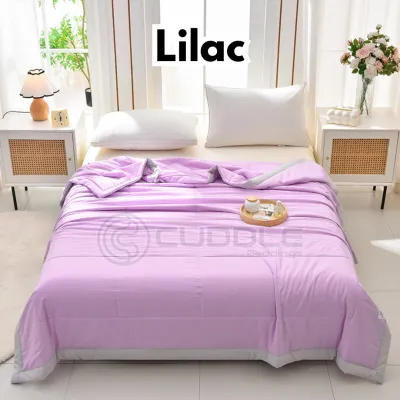
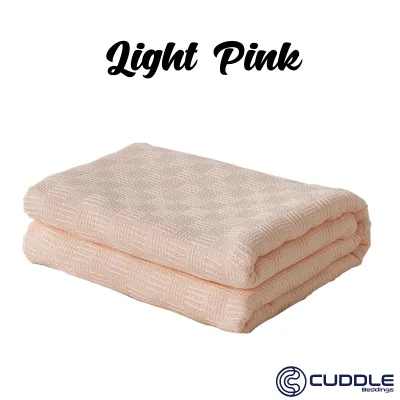
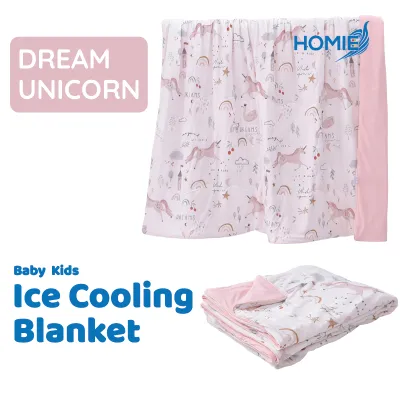
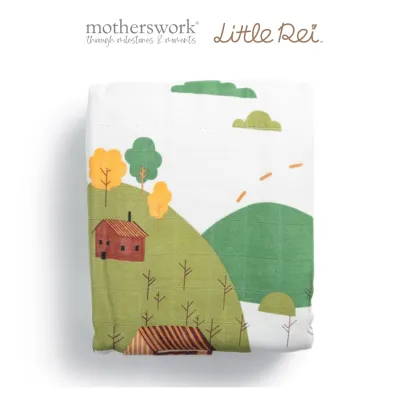
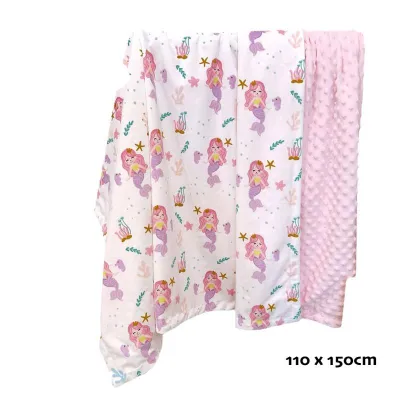
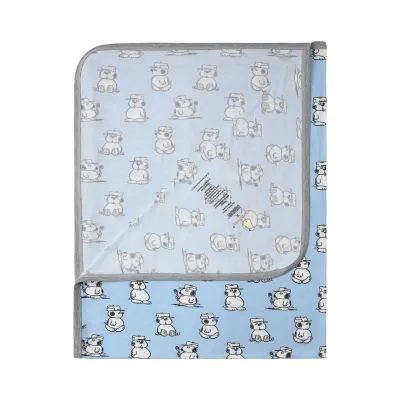
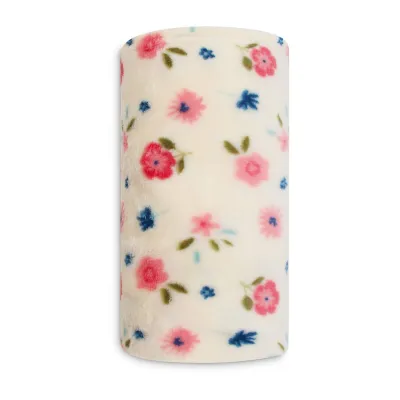
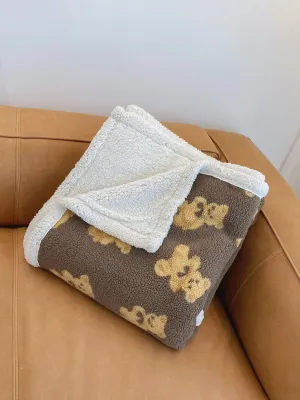
Prices are valid at publication and may change. Please refer to the product page for the latest price.
Design Features That Minimize Suffocation Hazards
The structural design of a toddler blanket plays a critical role in maintaining a safe sleeping environment. Parents should carefully evaluate the fabric’s weave and the physical dimensions of the blanket before introducing it to a cot or toddler bed.

Breathability and Fabric Weave
The density of a fabric’s weave directly influences how much air can pass through it. Loose, open, or breathable weaves—such as muslin, open-stitch cellular cotton, or single-layer waffle knits—are highly recommended for young children. If a breathable blanket accidentally covers a toddler’s face during sleep, the open structure of the fabric allows for more natural airflow, reducing the risk of carbon dioxide rebreathing.
To evaluate a blanket’s airflow resistance, you can perform a simple breath test at home or in the store. Hold a single layer of the fabric firmly over your own mouth and nose, then attempt to breathe through it normally. If you feel significant resistance or find it difficult to draw breath, the weave is too dense for a toddler’s bed. While this test is a helpful screening tool, remember that no fabric is entirely suffocation-proof. Breathability is a risk-reduction feature rather than an absolute safety guarantee, and active supervision remains essential.
Appropriate Size and Weight
An oversized blanket poses a significant risk of entanglement and suffocation. If a blanket is too large, the excess fabric can easily pool around the toddler’s head or wrap tightly around their body as they roll over. As a general guideline, a toddler blanket should be scaled specifically to the child’s physical size and the dimensions of their bed. Standard toddler blankets typically measure around 100 cm by 120 cm, which is significantly smaller than adult throws or twin-sized blankets.
Heavy, thick blankets also present physical hazards. The weight of the fabric can make it difficult for a small child to push the blanket away if it covers their face. When selecting bedding, check the product dimensions against your toddler’s specific mattress or cot size. The blanket should be large enough to cover the child comfortably from the chest down, with just enough excess fabric to tuck securely under the sides of the mattress if desired, without creating large folds of loose material.
Construction Quality to Prevent Choking and Entanglement
Beyond the fabric itself, the physical construction of the blanket dictates its long-term safety. Poor manufacturing standards can lead to structural failures that introduce new hazards into the sleeping environment.
Secure Stitching and Embellishments
When inspecting a toddler blanket, look closely at the decorative details. Parents should avoid any blankets featuring sewn-on buttons, bows, ribbons, beads, sequins, or loose appliqués. Toddlers are naturally curious and often explore textures with their mouths; these small embellishments can easily be chewed or pulled loose, turning into immediate choking hazards.
Instead, prioritize blankets with flat, integrated designs. If the blanket has decorative elements, opt for flat, tight embroidery that is fully integrated into the fabric rather than attached 3D decorations. Examine the strength of the seams, hems, and overall stitching. High-quality stitching should be tight, uniform, and free of loose loops or fraying threads that a child could pull or unravel.
Edge Finishing and Durability
The perimeter of the blanket requires careful inspection. Securely bound or double-hemmed edges are far safer than fringed, tasseled, or loosely crocheted borders. Tassels and long fringes pose an entanglement risk, as tiny fingers, toes, or limbs can easily become wrapped in the loose threads, potentially restricting circulation.
Regularly inspect the edges of the blanket for any signs of unraveling. Toddlers frequently pull, tug, and chew on the corners of their blankets, which places immense stress on the seams. A safe blanket must feature durable edge construction capable of withstanding both the physical rigors of toddler play and frequent cycles through the washing machine. If you notice any loose threads or separating seams along the borders, repair them immediately or retire the blanket from unsupervised sleep use.
Material Selection for Safe Temperature Regulation
The fiber content of a blanket determines how well it manages heat and moisture, which is especially critical in warm, humid climates like Singapore.
Choosing Breathable, Natural Fibers
Natural fibers are generally superior to synthetics when it comes to regulating a toddler’s body temperature. Materials such as 100% cotton, organic cotton gauze, and bamboo-derived viscose are highly breathable and possess natural moisture-wicking properties. These fibers allow excess body heat to escape and help keep the skin dry, which is essential for preventing heat rash and overheating in tropical climates or warm rooms.
In contrast, dense synthetic materials—such as standard polyester fleece, acrylic, or heavy microfiber—are designed to trap heat. While they may feel soft to the touch, they often lack the breathability required to keep a toddler comfortable throughout the night. If synthetic materials are used, they can trap sweat against the skin, leading to rapid temperature fluctuations and discomfort. These material characteristics should be viewed as general comfort and safety guidelines; they are not medical guarantees, but they significantly influence the quality of your child’s sleep environment.
Verifying Care Labels and Safety Certifications
Before finalizing your purchase, read the physical care labels and look for recognized independent safety certifications. Certifications such as OEKO-TEX Standard 100 or the Global Organic Textile Standard (GOTS) provide peace of mind that the textile has been rigorously tested for harmful levels of toxic chemicals, flame retardants, and heavy metals. This is particularly important for toddlers, who frequently put bedding in their mouths.
Additionally, check the manufacturer’s washing instructions. A safe toddler blanket must be easy to clean and capable of maintaining its structural integrity after multiple hot or warm washes. Avoid blankets that require delicate dry cleaning or those prone to severe shrinkage, warping, or heavy pilling, as these changes can compromise the safety of the fabric over time. Finally, trust your senses: if a new blanket has a strong, pungent chemical odor straight out of the packaging, do not use it. Wash the blanket thoroughly according to the manufacturer’s care instructions before its first use, and if the odor persists, return or replace the product.
Safe Usage Boundaries and When to Replace the Blanket
Even the safest blanket requires proper usage guidelines to ensure it does not become a hazard. When placing your toddler down for sleep, always position the blanket no higher than chest level, keeping their head and face completely clear. If your child is an exceptionally active sleeper who constantly tosses, turns, and kicks off their bedding, consider using wearable blankets or sleep sacks designed for toddlers. These wearable options provide consistent warmth without the risk of loose fabric shifting over the child’s face.
Regularly assess the physical condition of the bedding to determine when it is time for a replacement. Over time, repeated washing and daily wear will degrade even the highest-quality fabrics. Look for clear warning signs of wear, such as thinning or translucent patches in the fabric, persistent loose threads, stretched-out hems, or separating seams. If the blanket’s structural integrity is compromised, it should be replaced immediately.
Always check the applied product’s label and the treated item’s manufacturer instructions. If instructions conflict, the item is unidentified, or the use is not covered, stop and consult the manufacturer or a qualified professional.
Disclaimer: Every child is unique, and individual developmental milestones can vary. Always consult your pediatrician or a qualified healthcare professional for specific sleep safety advice, customized bedding recommendations, or if your child has specific medical conditions that affect their breathing or temperature regulation.
Frequently Asked Questions (FAQ)
Can I use a weighted blanket for my toddler?
No, pediatric consensus strongly advises against using weighted blankets for toddlers. The added weight poses serious risks of suffocation, chest compression, and physical entrapment, as young children may lack the strength to lift or remove the blanket. Always consult a pediatrician or qualified medical professional before introducing any weighted sleep products or sensory tools to a child’s bed.
Are fleece blankets safe for toddlers in air-conditioned rooms?
While fleece blankets can provide comfort in air-conditioned rooms, they are synthetic and generally less breathable than natural fibers, which increases the risk of trapping heat. If you use a fleece blanket, ensure the room temperature is set to a moderate level (such as 24°C to 25°C) and regularly monitor your toddler for signs of overheating, such as sweating, flushed skin, or damp hair.
How often should I inspect my toddler's blanket for wear and tear?
You should conduct a quick visual and tactile inspection of your toddler’s blanket before every use or during your weekly laundry routine. Check specifically for loose threads, unraveling hems, thinning fabric, or compromised seams. If you identify any of these red flags, repair the damage immediately or replace the blanket to prevent choking or entanglement hazards.
Community discussion
Share your experience or ask a question. Comments are reviewed before publication.