
Selecting the right toilet odor spray in Singapore requires understanding the distinct difference between products that mask odors after they occur and those that prevent them from escaping the toilet bowl entirely. In compact Singaporean living spaces, such as HDB flats and condominiums, bathroom ventilation can often be a challenge. Windowless bathrooms relying solely on mechanical exhaust fans can trap unpleasant odors, making an effective odor-control strategy essential. By focusing on specialized pre-use formulas, commonly known as poo drops, you can stop odors at the water level before they disperse into your living space.
Understanding How Poo Drops and Odor Sprays Work
To make an informed purchase, it is helpful to understand the physical and chemical mechanisms that govern modern bathroom deodorizers. Traditional room sprays and post-use aerosols operate on a masking principle. When sprayed into the air, they release heavy synthetic fragrances designed to overpower existing odor molecules. However, because the volatile organic compounds responsible for bathroom odors have already dispersed throughout the room, this method often results in an unpleasant mixture of competing scents rather than true elimination.
In contrast, specialized pre-use toilet sprays and poo drops utilize a barrier-forming mechanism. These products are formulated with hydrophobic essential oils and surfactants. When you apply a few drops or sprays directly onto the toilet water surface before using the bathroom, these oils immediately spread across the water, creating a thin, continuous film. Because oil is less dense than water, this hydrophobic barrier remains on the surface. When waste enters the bowl, it passes through the oil layer, which immediately seals back up behind it. The volatile odor compounds are trapped beneath the oil film, preventing them from escaping into the air.
Products mentioned in this guide
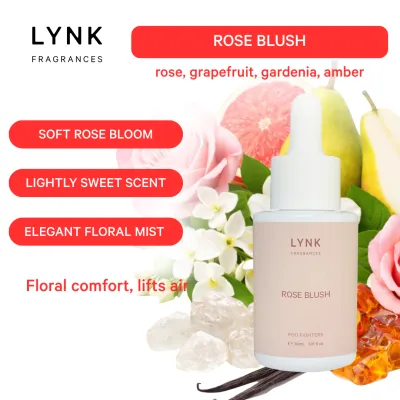
![[GODSCENT] 50ML Toilet Deodorizer Toilet Drop Poo Drop Bathroom Freshener Bathroom Spray Home Fragrance](https://img.lazcdn.com/g/p/0d7a83240ada222699b919610a6cc246.jpg_400x400q80.jpg_.webp)
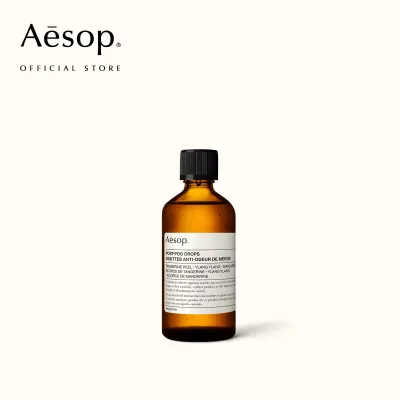
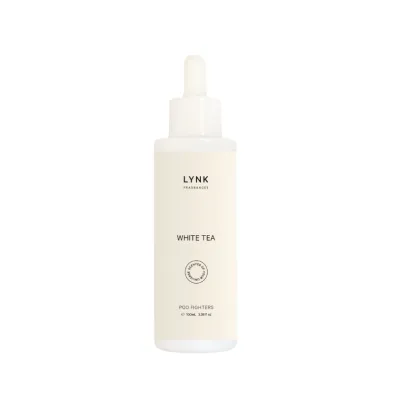
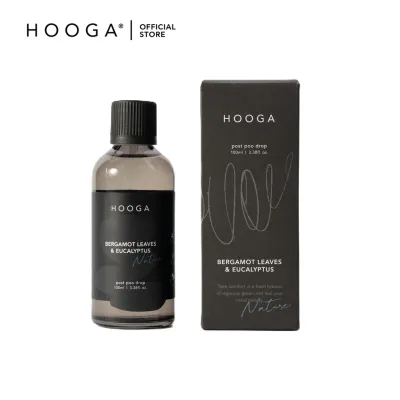
Prices are valid at publication and may change. Please refer to the product page for the latest price.
Beyond simple physical barriers, some advanced formulas incorporate active odor-neutralizing compounds. Instead of merely covering up smells, these chemical agents bind to sulfur- and nitrogen-based odor molecules, altering their molecular structure so they no longer register as unpleasant to human olfactory receptors. This dual-action approach—combining a physical oil barrier with active neutralization—provides a highly reliable defense against stubborn bathroom odors.
When introducing oil-based products into your household routine, plumbing safety is a natural concern. Standard residential plumbing systems in Singapore are designed to handle typical domestic waste, but excessive accumulation of heavy oils can theoretically contribute to buildup over time. Fortunately, high-quality poo drops are formulated to be highly concentrated, requiring only a few drops per use. These essential oils are typically biodegradable and break down easily when flushed into municipal sewer systems. If your home utilizes a private septic tank or specialized eco-friendly plumbing, it is always wise to verify that the product label explicitly states it is septic-safe and biodegradable.
Key Selection Criteria for Toilet Odor Sprays
Evaluating toilet odor sprays requires looking beyond appealing packaging to analyze the actual formulation and design of the product. The first and most critical criterion is ingredient transparency. High-quality formulas generally rely on natural essential oils, such as citrus, lavender, or eucalyptus, which provide a clean scent profile without relying on harsh chemicals. When reading product labels, look for brands that disclose their full ingredient lists. It is highly recommended to avoid products containing phthalates, parabens, or aerosol propellants, as these can trigger respiratory sensitivities in enclosed, poorly ventilated bathrooms.

The physical delivery system of the product also plays a major role in its overall usability and effectiveness. Toilet deodorizers generally come in two formats: fine mist spray bottles and targeted liquid droppers. Spray bottles are highly convenient, allowing you to cover a wide surface area of the toilet water with one or two quick pumps. However, they can sometimes create an airborne mist that settles on the toilet seat or surrounding floor. Liquid droppers, on the other hand, offer exceptional precision. By dispensing concentrated drops directly into the center of the bowl, you minimize waste and ensure the entire formula goes directly toward forming the water barrier.
To ensure you are getting good value for your money, it is helpful to perform a quick cost-per-use calculation. While a premium bottle of poo drops might seem expensive upfront, its highly concentrated nature often makes it more economical than cheap aerosol sprays. To calculate this, divide the retail price in S$ by the estimated number of uses provided by the manufacturer. For example, a 60ml bottle that delivers approximately 100 uses offers a predictable cost per flush. Comparing products on a cost-per-use basis prevents you from overpaying for diluted formulas packaged in oversized bottles.
Finally, consider the surface safety of the formula. Because these products contain concentrated oils and active chemical compounds, accidental overspray can potentially damage bathroom surfaces. Some essential oils can degrade plastic toilet seats, discolor porous natural stone floor tiles, or leave stubborn rings on ceramic toilet bowls if left sitting. Before purchasing, check the manufacturer’s instructions to ensure the formula is safe for all standard bathroom materials. Opting for non-staining, water-soluble formulas will protect your bathroom fixtures from long-term cosmetic damage.
Matching Scent Profiles to Your Bathroom Environment
Selecting the right scent profile is not just a matter of personal preference; it also depends heavily on the physical layout and ventilation of your bathroom. In Singapore, many high-rise residential units feature compact bathrooms with limited natural airflow. For small, windowless toilets or those relying entirely on mechanical exhaust ducts, strong and immediate scent profiles are highly effective. Citrus-based scents, such as lemon, lemongrass, and bergamot, along with sharp herbal notes like eucalyptus and mint, are excellent choices. These scents possess high volatility, meaning they disperse quickly to provide an immediate sense of cleanliness and energy.
For shared family bathrooms, powder rooms, or guest toilets where you want to create a welcoming, spa-like atmosphere, more complex and subtle scent profiles are ideal. Woody notes like cedarwood and sandalwood, combined with gentle florals like lavender or geranium, offer a sophisticated aroma that lingers pleasantly without overpowering the space. These herbal and woody profiles tend to have lower volatility, allowing them to remain in the air as a gentle background scent long after the toilet has been flushed, contributing to the overall decor and ambiance of the home.
In households with sensitive individuals, young children, or indoor pets, strong fragrances can sometimes cause discomfort. Cats and dogs have highly sensitive olfactory systems, and certain concentrated essential oils can even be harmful to them if inhaled in high concentrations. In these scenarios, look for ultra-mild or unscented odor neutralizers. These specialized formulas focus entirely on chemical neutralization rather than fragrance masking, trapping and breaking down odor molecules at the water level without releasing heavy perfumes into the air.
When choosing a scent, you must also manage your expectations regarding scent longevity and throw. A bathroom with a powerful exhaust fan or a large open window will naturally disperse fragrances much faster than a closed, unventilated space. If your bathroom has high airflow, you may need a slightly more concentrated formula or a scent profile with heavier base notes, such as patchouli or vanilla, which resist rapid evaporation. Conversely, in a tightly sealed bathroom, a light, highly volatile citrus spray is often more than enough to keep the space smelling fresh without becoming cloying.
Purchasing Channels and Pre-Checkout Verification
When you are ready to purchase a toilet odor spray or poo drops in Singapore, navigating the retail landscape carefully will ensure you receive an authentic, high-quality product. The rise of online shopping has made it incredibly easy to find a wide variety of bathroom deodorizers, but it has also increased the risk of encountering counterfeit or expired goods. To protect yourself, always prioritize purchasing from official brand stores or authorized distributors on major e-commerce platforms. Authentic products will have clear labeling, batch numbers, and secure packaging that prevents leakage during transit.
If you prefer a hands-on shopping experience, visiting local physical retail stores is an excellent alternative. Many supermarkets, pharmacies, and home lifestyle boutiques across Singapore stock popular bathroom aromatherapy products. Shopping in person allows you to physically inspect the bottles for leaks, verify the expiration dates, and sometimes even sample the scents using tester bottles. This is particularly helpful if you are sensitive to certain fragrances and want to ensure a scent is appealing before committing to a full-sized purchase.
Before finalizing any online order, take a moment to perform a thorough pre-checkout verification. Check the seller’s overall rating and read through recent customer reviews. Pay close attention to feedback from buyers who have purchased the product within the last few months. Look for recurring complaints regarding packaging issues, such as loose caps, cracked dropper nozzles, or bottles arriving half-empty due to poor sealing. A high-quality product is of little use if the delivery system fails or leaks all over your bathroom counter.
Additionally, verify the shelf life of the product. Because natural essential oils can degrade, oxidize, and lose their aromatic potency over time, using expired poo drops can result in a significantly reduced physical barrier and a weaker scent throw. Ensure the seller guarantees a reasonable remaining shelf life, typically at least twelve to eighteen months from the date of purchase. By taking these simple verification steps, you can confidently select a reliable, effective toilet odor spray that keeps your Singapore bathroom fresh and inviting.
Frequently Asked Questions (FAQ)
Do I need to spray a poo drop before or after using the toilet?
To achieve the best results, you must apply poo drops or pre-use sprays before using the toilet. The primary function of these products is to create a continuous, protective oil barrier on the surface of the water. When you spray or drop the formula onto the water beforehand, it seals the surface and traps odors underneath. Applying the product after use is far less effective, as the odor molecules have already escaped into the air, leaving the spray to act only as a secondary masking agent.
Are toilet odor sprays safe for all plumbing and septic tanks?
Most high-quality toilet odor sprays and poo drops are fully compatible with standard modern plumbing systems and municipal sewer lines. Because these formulas are highly concentrated, you only need to use a few drops or sprays per flush, which easily disperse in the water. However, if your home relies on a private septic tank system, you should look for products that are explicitly certified as biodegradable and septic-safe to ensure the natural oils do not disrupt the bacterial balance of your tank.
Can I use standard room sprays as a substitute for poo drops?
Standard room sprays are not an effective substitute for specialized poo drops or pre-use toilet sprays. Traditional room fresheners are designed to be sprayed into the air to mask odors that are already present. They lack the specific hydrophobic oils and surfactants required to form a physical barrier on the water’s surface. Using a room spray in place of a poo drop will not prevent odors from escaping the toilet bowl; it will only attempt to cover them up after they have already spread.
Community discussion
Share your experience or ask a question. Comments are reviewed before publication.