
Swapping out home decor accessories is one of the fastest ways to breathe new life into an existing living space. Among the various design elements at your disposal, the 30×50 cm lumbar cushion cover stands out as a highly efficient and budget-friendly tool for visual transformation. While standard square cushions are the traditional go-to, integrating rectangular lumbar shapes instantly elevates the design dynamic of any seating area.
Standard square cushions, typically measuring 45×45 cm or 50×50 cm, tend to create a uniform, blocky silhouette when lined up across a sofa. Introducing a 30×50 cm rectangular cushion breaks this visual monotony by introducing contrasting horizontal lines and varied heights. This simple shift in geometry creates a layered, tiered effect that draws the eye across the seating area, making the entire room feel more curated and less sterile.
Beyond aesthetics, the 30×50 cm size offers significant ergonomic benefits that square cushions cannot match. The elongated shape is designed specifically to fit into the natural inward curve of the lower spine, providing targeted lumbar support. This is particularly valuable for deep-seated modern sofas, where sitting for extended periods can otherwise lead to slouching and lower back discomfort. By placing a supportive lumbar cushion exactly where it is needed, you enhance both the comfort and the usability of your living room furniture.
Products mentioned in this guide
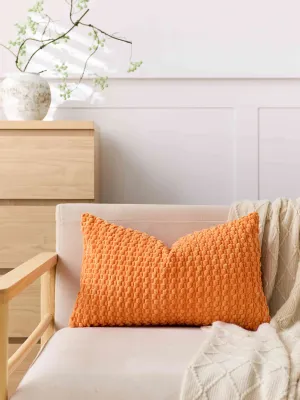
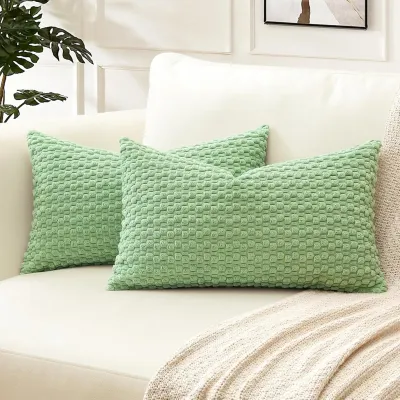
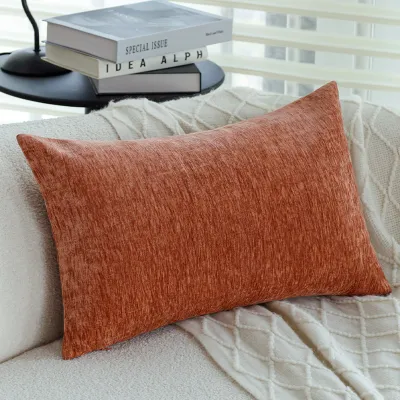
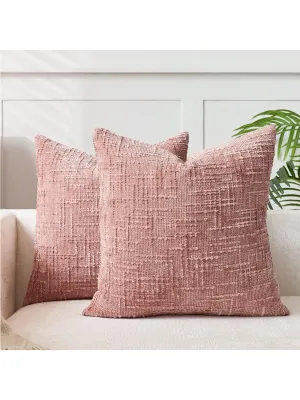
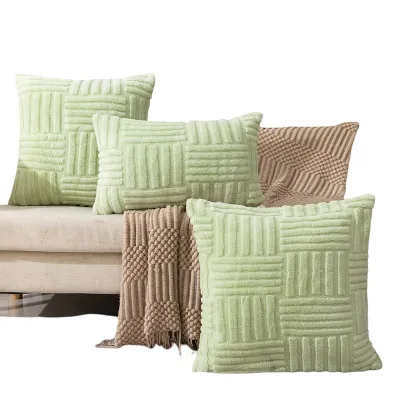
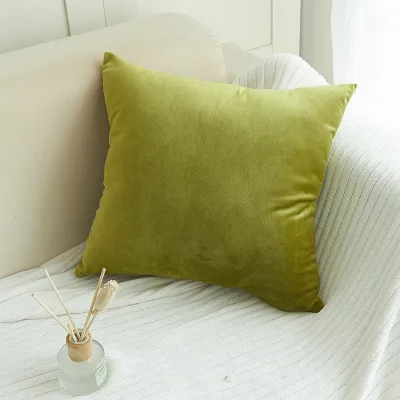
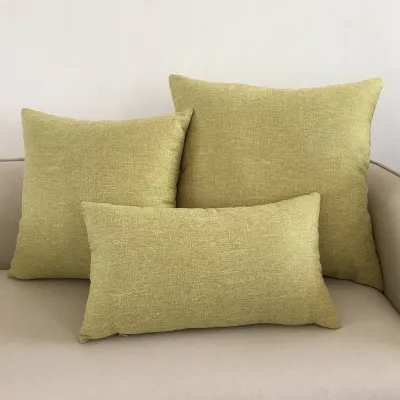
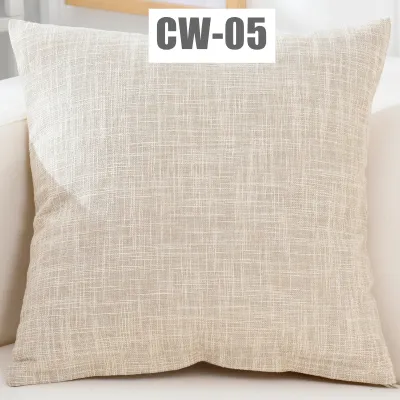
Prices are valid at publication and may change. Please refer to the product page for the latest price.
In compact urban homes, such as apartments and condominiums in Singapore, maximizing space and maintaining a sense of openness is crucial. Overloading a sofa with large, bulky square cushions can quickly make a small living room feel cluttered and cramped. The slim, low-profile nature of a 30×50 cm cushion provides the perfect scale, offering the desired touch of color, texture, and comfort without physically or visually overwhelming the seating space.
Swapping covers rather than replacing entire cushion inserts or purchasing new furniture is an exceptionally cost-effective and sustainable home decor strategy. High-quality inserts can last for years, while the outer covers can be changed seasonally or whenever your style preferences evolve. This approach allows you to experiment with bold trends, rich textures, and vibrant patterns with minimal financial investment and zero storage issues, as flat, folded covers occupy very little closet space.
How to Choose the Right Material and Style for Your Sofa
Selecting the perfect 30×50 cm cushion cover requires balancing aesthetic preferences with practical considerations, particularly regarding fabric composition and maintenance. In Singapore’s hot and humid tropical climate, material selection directly impacts daily comfort. Natural fibers like cotton and pure linen are highly breathable, allowing air to circulate freely and preventing heat buildup when you lean against them. These materials naturally wick away moisture, making them exceptionally comfortable for non-air-conditioned spaces or homes that rely on natural ventilation.
Synthetic fabrics, such as polyester or nylon, offer superior durability and resistance to wear, making them excellent choices for busy households. However, tightly woven synthetics can sometimes trap heat and sweat, which may feel uncomfortable during warmer afternoons. If you prefer the durability of synthetics, look for high-quality polyester blends that mimic the breathability of natural fibers, or reserve pure synthetics for air-conditioned rooms where temperature and humidity are consistently controlled.
When it comes to color and pattern strategy, 30×50 cm covers are highly effective as accent pieces. If your sofa features a neutral color palette—such as grey, beige, cream, or charcoal—a pair of rectangular cushions in a contrasting hue can instantly anchor the space. Think deep terracotta, rich emerald green, or vibrant mustard yellow to inject energy. Conversely, if your sofa already features a bold color or a busy pattern, look for 30×50 cm covers in solid, muted tones or subtle self-patterned weaves that complement the existing colors without competing for attention.
The hardware and construction of the cover are equally critical to its longevity and usability. Always inspect the closure mechanism before purchasing. Hidden zippers, which are typically sewn flat into the bottom seam and covered by a small fabric flap, are the gold standard because they keep the hardware completely out of sight and prevent the zipper pull from scratching leather upholstery or catching on delicate clothing. Envelope closures, which feature overlapping fabric panels on the back, offer a soft, hardware-free alternative, though they require a properly sized insert to prevent the fabric from gaping open.
Finally, practical care requirements should align with your lifestyle. Busy homes with young children, pets, or frequent guests will benefit most from machine-washable covers that can withstand regular laundering. Always check the manufacturer’s care labels for washing instructions, water temperature limits, and drying recommendations. For delicate fabrics, pre-shrunk materials are highly desirable to prevent the cover from shrinking and becoming impossible to fit over the insert after the first wash.
Top 30×50 Cushion Cover Styles to Elevate Your Space
To help you find the perfect match for your home, let us explore the most popular 30×50 cm cushion cover styles, highlighting their design characteristics, ideal settings, and practical maintenance considerations.

Textured Linen and Cotton Blends for Minimalist Spaces
Textured linen and cotton blends are the cornerstone of modern minimalist, Scandinavian, and Japandi interior design styles. These fabrics are celebrated for their organic, tactile appeal, characterized by subtle slubs, visible weaves, and a relaxed, natural drape. By introducing these soft, earthy textures, you can add visual warmth and depth to a minimalist space without relying on loud colors or busy patterns that might disrupt the serene, uncluttered atmosphere.
These covers pair beautifully with neutral, low-profile sofas made of matte fabrics, as well as seating arrangements featuring light oak, ash, or natural rattan frames. The combination of natural wood tones and textured linen creates a cohesive, nature-inspired aesthetic that feels both sophisticated and incredibly inviting.
However, natural linen is inherently prone to wrinkling, which is a key limitation to consider. If you prefer a pristine, crisp look, pure linen covers may require regular steaming or light ironing after washing. To minimize maintenance while retaining the desired organic aesthetic, consider cotton-linen blends, which offer the textured look of linen combined with the structural resilience and wrinkle resistance of cotton.
Bold Botanical and Tropical Prints for Statement Styling
For those looking to inject vibrant energy and a sense of playfulness into their living room, bold botanical and tropical prints are an exceptional choice. Featuring lush palm leaves, exotic floral patterns, or abstract foliage, these designs act as miniature pieces of art on your sofa. They are particularly effective at brightening up plain, dark-colored seating areas, such as deep navy, charcoal, or forest green sofas, where they create an eye-catching focal point.
To prevent a highly patterned 30×50 cm cushion from creating visual clutter, it is essential to balance it with solid-colored elements. A proven design formula is to place the patterned lumbar cushion directly in front of a larger, solid-colored square cushion that mirrors one of the secondary colors found within the print. This anchors the pattern, making it look intentional and integrated rather than chaotic.
When purchasing patterned covers, always pay close attention to the print alignment along the seams and zipper edges. High-quality manufacturers take care to center the design or match the pattern across the seams, whereas cheaper, mass-produced options often cut the fabric randomly, resulting in disjointed patterns that can look cheap or distracting upon closer inspection.
Rich Velvet and Corduroy for Depth and Tactile Comfort
Plush fabrics like rich velvet and ribbed corduroy are perfect for adding luxurious depth, visual weight, and exceptional tactile comfort to your living room. Velvet has unique light-reflecting properties that create subtle shifts in color tone depending on how the light hits the fabric, making it excellent for brightening up darker corners of a room. Corduroy, with its distinctive raised parallel ridges or “wales,” offers a more casual, retro-inspired texture that feels incredibly cozy.
These heavy, textured covers provide an excellent contrast when paired with smooth leather sofas, as they prevent the seating area from feeling too cold or sterile while also helping to keep the cushions from sliding around. They also look beautiful against flat-weave fabric sofas, adding a layer of sophisticated warmth.
The primary trade-off with plush fabrics is their tendency to attract dust, lint, and pet hair, which can accumulate in the fibers over time. In highly humid environments, low-quality velvet can also trap moisture, leading to a musty smell if not properly ventilated. To maintain their appearance, regularly vacuum the covers using a soft brush attachment, keep a lint roller handy, and choose high-quality synthetic velvet blends that can be washed gently to prevent the pile from crushing or shedding.
Performance Fabrics for High-Traffic and Versatile Zones
If your living room is a high-traffic hub filled with young children, active pets, or frequent social gatherings, performance fabric cushion covers are a highly practical investment. These covers are constructed from tightly woven, heavy-duty synthetic fibers or treated materials designed to repel liquids, resist stains, and withstand heavy daily wear without pilling or tearing. They are also ideal for transitional spaces, such as semi-outdoor balcony extensions or sunrooms, where furniture is exposed to stronger light and occasional moisture.
The main benefit of performance fabrics is their incredible ease of maintenance, allowing you to quickly wipe away spills before they sink into the cushion insert. However, the trade-off is that some performance fabrics can feel slightly stiffer or less breathable than pure, untreated natural fibers like linen or soft cotton.
When choosing performance covers, always verify the manufacturer’s specific care instructions and warranty conditions. Some stain-resistant treatments require specific washing methods to remain effective, and using harsh detergents, bleach, or fabric softeners can strip away the protective coating.
Where to Shop and What to Verify Before Buying
Finding the right 30×50 cm cushion covers involves exploring a mix of retail channels to match your budget and style. Large international home furnishing chains are excellent for finding affordable, on-trend designs and coordinating sets. For unique, artisan-made, or highly customized covers, local boutique homeware stores—such as those located in Singapore’s creative hubs like Tiong Bahru or the Tan Boon Liat Building—offer curated selections that add a distinctive character to your home. Reputable online home decor platforms and regional e-commerce marketplaces also provide an extensive array of choices, allowing you to filter by material, color, and price.
Before finalizing your purchase, there are several crucial technical specifications you must verify to ensure a perfect fit and long-term satisfaction. First, double-check the exact dimensions of the cover. Ensure the listing explicitly states 30×50 cm and pay attention to the orientation of the pattern and zipper. A cover listed as 50×30 cm might feature a vertical pattern or place the zipper along the shorter 30 cm side, which can make inserting a plump cushion significantly more difficult and alter how the design sits on your sofa.
Next, examine the zipper quality and its placement. A high-quality zipper should slide smoothly without catching on the surrounding fabric. Look for bottom-hidden zippers with reinforced stitching at both ends of the opening, as this area experiences the most stress when you are putting the cover on or taking it off. Avoid side zippers that are highly visible, as they disrupt the clean lines of the cushion.
Finally, review the retailer’s return and exchange policies, particularly when shopping online. Colors and textures can look vastly different under various lighting conditions, and a shade that appears perfect on your computer screen might clash with your sofa fabric under your living room lights. Choosing a retailer that offers straightforward returns or exchanges ensures you can shop with confidence, knowing you can swap the covers if the real-life color or texture does not meet your expectations.
Pro Styling Tips: Layering and Arranging Your New Cushions
Once you have selected your new 30×50 cm cushion covers, the final step is arranging them to maximize their visual impact and comfort. The key to a professional-looking sofa arrangement is layering. Start by placing larger square cushions (such as 50×50 cm or 45×45 cm) in the back corners of the sofa to act as a solid background. Then, place your new 30×50 cm lumbar cushions directly in front of them. This step-down effect creates depth and dimension, making your seating area look rich and layered rather than flat.
For a modern, relaxed aesthetic, embrace the “rule of three” or asymmetrical grouping rather than perfectly symmetrical setups. For instance, on a standard three-seater sofa, you can place a large textured square cushion and a patterned 30×50 cm lumbar cushion on one end, and a single, coordinating square cushion on the opposite end. This balanced yet asymmetrical arrangement feels casual, organic, and effortlessly stylish.
The size of your sofa should always dictate the number of cushions you use. On a compact two-seater loveseat, space is at a premium; using more than two or three cushions can make sitting down uncomfortable. A single square cushion paired with one 30×50 cm lumbar cushion is often all you need to add comfort and style without overcrowding. For larger three-seater sofas or L-shaped sectionals, you have more freedom to play with multiple layers, placing cushions in the corners and using a central 30×50 cm lumbar cushion to bridge the gap and tie the entire color palette together.
When inserting your cushion pads into the new covers, use the “taco fold” technique to protect the seams and zipper. Fold the cushion insert in half, slide it gently deep into the cover, and then let it expand inside. Once inside, gently push the filling into the far corners of the cover before carefully pulling the zipper shut. This simple method prevents putting excessive tension on the ends of the zipper, ensuring your new covers remain in perfect condition for years to come.
Frequently Asked Questions (FAQ)
What size insert should I use for a 30×50 cushion cover?
To achieve a plump, professional look with crisp, well-filled corners, the general rule of thumb is to use a cushion insert that is slightly larger than the cover itself. For a 30×50 cm cover, pairing it with a 35×55 cm insert is highly recommended, especially if you are using lightweight polyester fiberfill or down-alternative inserts that tend to compress easily. If you prefer a more relaxed, casual drape where the fabric folds naturally, or if you are using a very firm, densely packed feather insert, choosing an exact 30×50 cm insert will provide a softer, more moldable feel. Always check the specific fill recommendations provided by the cover manufacturer, as some structured or heavy fabrics may require exact sizing to prevent seam strain.
Can I use standard 30×50 cushion covers outdoors?
Standard indoor 30×50 cm cushion covers should not be used in outdoor environments, such as open balconies, patios, or garden seating. Indoor fabrics like standard cotton, linen, velvet, and corduroy lack the necessary protective treatments to withstand outdoor elements. When exposed to direct sunlight, the colors will fade rapidly, and the fibers will degrade and weaken. Furthermore, Singapore’s high humidity and frequent rain showers mean that non-treated indoor fabrics will trap moisture, leading to rapid mold, mildew, and unpleasant odors. For outdoor spaces, always choose covers explicitly manufactured with outdoor-rated, UV-resistant, and water-repellent fabrics (such as solution-dyed acrylics), and pair them with quick-drying outdoor foam inserts designed to shed water.

Community discussion
Share your experience or ask a question. Comments are reviewed before publication.