
When decorating spaces without accessible power outlets, finding high-quality fairy lights battery options is the most practical way to transform your environment. Placing these versatile light strings in bedrooms, balconies, or garden corners allows you to create a warm, inviting atmosphere without the visual clutter or safety hazards of trailing extension cords. However, selecting the right set requires balancing brand reliability, safety certifications, and weather resistance to ensure your installation remains safe and functional.
To help you make an informed decision, this guide breaks down the essential criteria for choosing battery-powered lights, evaluates the most trusted brands available in Singapore, and provides localized decorating and maintenance tips to protect your lighting investments from tropical humidity.
How to Choose the Right Fairy Lights Battery Systems
Selecting the right battery-powered lighting setup requires looking beyond mere aesthetics. Because these lights operate independently of mains power, their performance, safety, and longevity depend entirely on their physical specifications and how well they match your intended environment.
Products mentioned in this guide
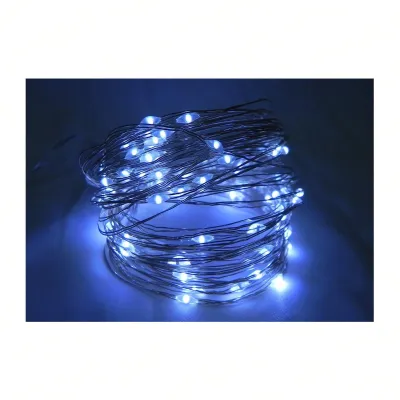
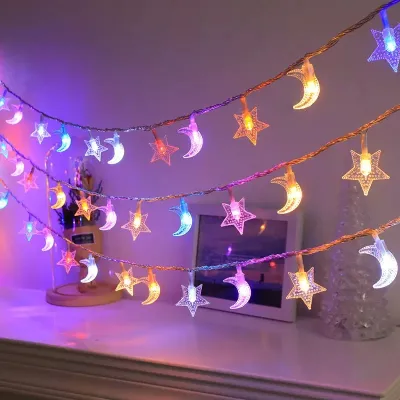
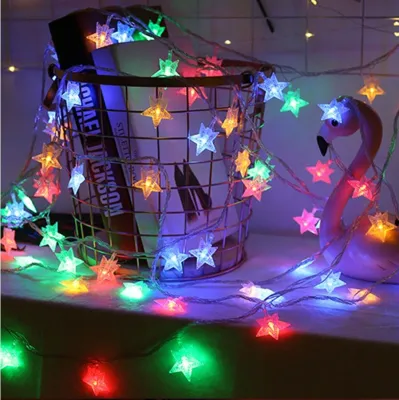
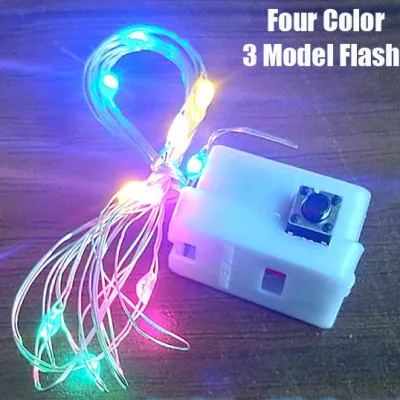
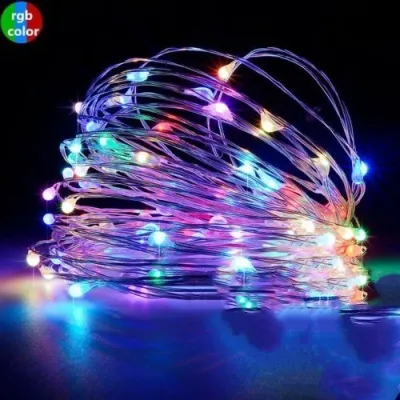
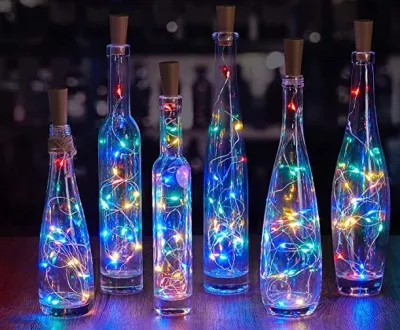

Prices are valid at publication and may change. Please refer to the product page for the latest price.
Power Source and Battery Type
Battery-operated fairy lights typically run on either AA or AAA batteries. AA batteries have a larger physical size and chemical volume, typically providing between 2,000 to 3,000 milliampere-hours (mAh) of capacity, whereas AAA batteries generally offer only 800 to 1,200 mAh. This capacity difference directly impacts how often you will need to replace them.
In Singapore’s warm, tropical climate—where indoor temperatures often range from 25°C to 32°C—battery chemistry behaves differently than in colder regions. Standard alkaline batteries are highly reliable and cost-effective for daily indoor use. However, if you are decorating a semi-outdoor balcony or patio where temperature fluctuations and solar heat are more pronounced, premium lithium batteries are highly recommended. Lithium batteries offer superior resistance to high temperatures, maintain a more stable voltage output throughout their lifespan, and have a significantly lower risk of leaking compared to standard alkaline cells.
Ingress Protection (IP) Ratings
The Ingress Protection (IP) rating system defines how protected an electrical device is against solids and liquids. The first digit represents protection against solid particles (0 to 6), and the second digit represents protection against liquids (0 to 9). For indoor-only spaces like bedrooms or dry living rooms, lights with no specific IP rating (often rated IP20) are perfectly adequate.
However, Singapore’s high relative humidity and sudden tropical downpours mean that any light used on a balcony, patio, or garden must have an explicit moisture rating. For covered balconies where wind-blown rain might occasionally reach, look for a minimum rating of IP44, which certifies protection against splashing water from any direction. For fully exposed outdoor gardens or open patios, opt for IP65 or higher, indicating the product is dust-tight and protected against water jets. Always verify whether the IP rating applies to both the LED string and the battery box itself, as many manufacturers only waterproof the wire while leaving the battery compartment vulnerable to moisture.
Convenience Features
Managing battery-powered lighting manually can quickly become tedious. Built-in timer functions are incredibly useful, typically operating on a cycle such as 6 hours on and 18 hours off. This automation ensures your lights turn off automatically, preventing complete battery drain if you fall asleep or leave the house.
Remote controls provide additional convenience, allowing you to turn the lights on, adjust brightness levels, or switch between lighting modes from a distance. This is especially valuable if you plan to mount the lights high up or hide the battery box behind furniture. Dimmable settings are another key feature to look for; reducing the brightness by even 20% can significantly extend the overall runtime of your batteries without noticeably compromising the cozy atmosphere.
Wire Material and LED Spacing
The physical construction of the light string dictates its durability and styling potential. Flexible copper or silver-coated wire lights (often called micro or starry lights) are incredibly thin and lightweight. They are highly moldable, allowing you to wrap them tightly around delicate indoor plants, furniture, or inside glass decor. However, they are fragile and can snap if subjected to excessive tension.
For outdoor areas, high-traffic zones, or installations wrapped around heavy metal railings, thicker insulated cables (typically jacketed in PVC or rubber) are far superior. These insulated cables offer high resistance to physical wear, UV exposure, and moisture ingress, though they are less discreet than copper wire options.
Trusted Brands for Battery-Operated Fairy Lights
Finding reliable battery-powered lights in Singapore involves choosing brands that prioritize safety, energy efficiency, and durable construction. Below are the top brand categories and what to look for when shopping.

IKEA: Practical and Budget-Friendly Indoor Choices
For indoor spaces like bedrooms, study desks, shelving, and children’s play areas, IKEA offers a highly accessible and budget-friendly range of battery-operated LED light chains. Their designs focus heavily on simple, clean aesthetics that complement modern Scandinavian or contemporary home decor.
When browsing their selection, look for models that feature integrated timer functions. These timers are highly practical for daily use, automatically shutting down the lights after 6 hours to conserve battery power. IKEA’s battery lights typically emit a warm white color temperature (often around 2700K), which is ideal for creating a soft, relaxing ambiance in personal spaces. Because these products are highly affordable, they are excellent for multi-room decorating projects where you want to add subtle accent lighting without a significant financial investment.
However, most of IKEA’s standard battery light chains are designed strictly for dry, indoor environments. They do not carry weather-resistant IP ratings. Do not use them on open balconies, near bathrooms, or next to open windows where rain can blow in. Always check the product label for specific moisture warnings and voltage limits before installation.
Philips: Premium Quality and Reliable Illumination
If consistent light output, high color rendering, and long-term durability are your primary concerns, Philips is a highly reliable premium brand. Their battery-operated decorative lights are engineered with high-efficiency LED beads that maximize brightness while minimizing power consumption, helping your batteries last longer.
Philips products often feature superior build quality, including robust battery compartments with secure latches and high-quality wiring that resists tangling and wear. These lights are ideal for main living areas, dining spaces, or focal decorative features where you want consistent, flicker-free illumination. When purchasing Philips battery lights, look for certified electrical safety standards and verify if the specific model supports advanced features like dimming or smart-home integration (if applicable to their battery-powered lines).
The main trade-off with Philips is the higher initial cost compared to generic options. Additionally, always verify the exact battery requirements (such as AA or AAA) and check whether the model operates fully standalone or requires a specific control hub for advanced functions.
Muji and Nitori: Minimalist Aesthetics and Warm Tones
For homeowners who prefer a minimalist, Japanese-inspired aesthetic, Muji and Nitori offer excellent lighting options that focus on subtlety and comfort. These brands design battery-operated lights that emit a soft, diffused glow, carefully calibrated to reduce glare and create a serene, peaceful atmosphere. This makes them exceptionally suited for bedside tables, reading nooks, vanity areas, and minimalist shelving units.
The battery packs on these lights are typically designed to be as unobtrusive as possible, using neutral, matte finishes and clean lines that easily blend into your decor. The wiring is often highly insulated and designed to lay flat, minimizing visual clutter.
However, it is crucial to remember that both Muji and Nitori primarily design their products for dry, indoor living spaces. They rarely feature water-resistant or dust-resistant ratings. Do not assume any level of moisture protection unless it is explicitly stated on the packaging. Avoid using these lights in high-humidity areas like bathrooms or open balconies, and always refer to the manufacturer’s care instructions regarding maximum operating temperatures.
Specialty Lighting Brands: Weather-Resistant Options for Balconies
When decorating exposed areas such as HDB balconies, condo patios, garden planters, or outdoor dining setups, standard indoor lights will quickly fail due to Singapore’s intense humidity and heavy rainfall. For these environments, you must look to specialty outdoor lighting brands available at local Singaporean hardware stores or dedicated online marketplaces.
These brands offer heavy-duty battery-operated fairy lights specifically engineered to withstand harsh outdoor conditions. When selecting these lights, verify that the packaging explicitly states an IP44, IP65, or higher rating. Look for thick, UV-resistant PVC or rubber-insulated wiring and a battery box that features a secure silicone or rubber gasket seal, often reinforced with screw closures to prevent water ingress.
While these specialty lights are highly durable, remember that “weather-resistant” does not mean “waterproof.” Avoid placing the battery compartment in low-lying areas where rainwater can pool, and regularly inspect the rubber seals for signs of cracking or degradation caused by UV exposure and tropical heat.
Decorating Ideas for Outlet-Free Spaces
Battery-powered fairy lights offer endless creative possibilities because they free you from the constraints of wall sockets. Here are several practical ways to use them in typical Singaporean homes.
Bedroom Headboards and Canopy Beds
Using flexible copper wire fairy lights is an excellent way to add a warm, romantic glow to bedroom headboards or canopy frames. Because these lights do not require a nearby electrical outlet, you completely eliminate the safety hazard and visual clutter of trailing extension cords across your bedroom floor.
To install them safely, use small, clear adhesive hooks to secure the lightweight wire along the frame. Ensure the wire is not wrapped too tightly around sharp metal edges, which could damage the delicate copper. Tuck the compact battery box neatly behind your headboard or mattress, ensuring it remains easily accessible for when you need to replace the batteries or adjust the settings.
HDB Balconies and Condo Patios
Transform your balcony or patio into a cozy evening retreat by wrapping weather-resistant, IP-rated fairy lights around railing planters, privacy screens, or outdoor furniture.
When installing lights on a balcony, always prioritize safety by keeping the battery box in a sheltered, elevated spot—such as under a ledge or inside a decorative, water-resistant lantern. This protects the electrical contacts from direct rain and wind-blown moisture. Use plastic zip ties to secure thicker, insulated cables firmly against strong winds, ensuring there are no loose wires that could catch or pull.
Bathroom Mirrors and Vanity Areas
Enhancing the lighting around bathroom mirrors or vanity areas is a popular way to upgrade older HDB flats where electrical outlets are limited. However, because bathrooms are high-humidity zones, safety must be your top priority.
You must strictly verify that both the light string and the battery compartment carry a certified moisture-resistant rating of at least IP44. Never place the battery pack on a surface where water can pool, such as directly on the sink basin or countertop. Instead, mount the battery box securely on a dry wall or cabinet surface well away from direct splashes, and always follow the manufacturer’s installation instructions for damp environments.
Dining Centerpieces and Console Tables
Create stunning, cord-free table decorations that elevate your dining experience without disrupting the aesthetic flow of your space. You can place a delicate string of micro copper wire fairy lights inside a glass cloche, a decorative mason jar, or a woven basket to serve as a warm centerpiece for dinner parties.
Because there are no power cords running across the table, this setup is completely safe and highly versatile. The compact battery pack can easily be hidden underneath a fabric table runner or disguised within a floral arrangement, keeping the focus entirely on the beautiful, glowing display.
Battery Maintenance and Safety in Humid Weather
Singapore’s tropical climate presents unique challenges for battery-operated electronics. High relative humidity and warm ambient temperatures can accelerate wear, corrosion, and battery degradation if proper maintenance is overlooked.
Preventing Battery Leakage
Singapore’s high relative humidity (often exceeding 80%) and warm ambient temperatures can accelerate the chemical degradation of standard batteries. If you plan to leave your decorative lights turned off for more than a few weeks—such as seasonal holiday decorations or temporary party setups—always remove the batteries from the compartment.
Leaving batteries inside an idle device for extended periods can cause them to discharge slowly and eventually leak corrosive potassium hydroxide. This highly alkaline chemical can quickly ruin the metal spring contacts, destroy the internal circuitry, and render your fairy lights permanently unusable.
Combating Corrosion
High ambient humidity significantly accelerates the oxidation and corrosion of metal contacts inside battery compartments. If you notice a white, powdery residue or dark rust forming on the springs, it can disrupt the electrical connection, causing your lights to flicker, dim, or fail to turn on entirely.
To clean the contacts safely, first ensure the device is completely powered off and all batteries have been removed. Use a dry, stiff-bristled brush or a cotton swab lightly dampened with an appropriate electronic contact cleaner to gently scrub away the buildup. Never use water or harsh liquid detergents, and ensure the compartment is completely dry before inserting fresh batteries.
Choosing the Right Batteries
To ensure stable performance and protect your lights from electrical damage, always use high-quality, reputable battery brands that match the exact voltage and size specifications printed on the manufacturer’s label.
Avoid mixing different brands of batteries, mixing old and new batteries, or combining alkaline and lithium batteries in the same compartment. Mismatched batteries can discharge unevenly, leading to voltage drops, rapid overheating, or premature failure of the LED driver. If the manufacturer’s instructions recommend a specific battery type, strictly adhere to those guidelines to preserve your product’s warranty and safety standards.
Storage Tips
Proper storage is essential for extending the lifespan of both your spare batteries and your unused fairy lights. Store them in a cool, dry place away from direct sunlight, ambient moisture, and extreme heat.
Using airtight plastic containers equipped with a few silica gel desiccant packets is an excellent, low-cost way to absorb any trapped moisture and prevent corrosion during storage. Avoid storing batteries in damp areas like laundry yards, kitchens, or outdoor storage cabinets where humidity levels remain consistently high.
Frequently Asked Questions (FAQ)
How long do battery fairy lights typically last on a single set of batteries?
The exact runtime of battery-operated fairy lights depends on several variables, including the total number of LED beads, the brightness level, the battery capacity, and whether you use steady or flashing modes. Generally, a standard set of three AA alkaline batteries can power a 50-LED string for approximately 30 to 50 hours of continuous use. To maximize battery life, look for models with built-in timer functions (such as 6 hours on and 18 hours off), which automatically shut off the lights and prevent unnecessary power drain when they are not needed.
Can I use indoor battery fairy lights on a covered HDB balcony?
Using indoor-rated fairy lights on a covered HDB balcony is highly discouraged. Even if the area is shielded from direct rain, Singapore’s high ambient humidity and strong wind-blown rain during monsoon seasons can easily introduce moisture into non-rated battery compartments. This moisture can cause rapid corrosion, short circuits, or permanent damage to the LEDs. For any balcony or semi-outdoor space, always verify that the lights carry a certified rating of at least IP44 to ensure safe and reliable operation.
Is it safe to use rechargeable batteries in all fairy lights?
While many battery-operated fairy lights can run on rechargeable batteries, you must always check the manufacturer’s instructions first to verify compatibility. Standard alkaline batteries provide 1.5 volts, whereas standard nickel-metal hydride (NiMH) rechargeable batteries typically provide 1.2 volts. This lower voltage can cause the LEDs to appear slightly dimmer, flicker, or fail to operate advanced functions like remote control modes. Always check the product label or manual to ensure rechargeable batteries are supported before using them.
Community discussion
Share your experience or ask a question. Comments are reviewed before publication.