
Selecting the perfect bedside lamp in Singapore requires balancing visual comfort, spatial constraints, and aesthetic harmony. Your bedroom is a sanctuary where lighting transitions you from active evening hours to deep, restorative sleep. The right choice depends on whether you prioritize functional reading light, smart automation, or a sculptural design statement that complements your interior decor.
Quick Answer: Matching Bedside Lamp Brands to Your Bedroom Needs
There is no single “best” bedside lamp brand for every Singapore home, as individual preferences, bedroom layouts, and daily routines dictate the ideal choice. Instead, the market is divided into three distinct categories, each serving specific user priorities. By identifying your primary need, you can narrow down your options immediately.
Mass-market practical brands are the most logical choice for budget-conscious homeowners who value longevity and simplicity. These brands typically feature standardized, user-replaceable bulbs and robust, straightforward construction, making maintenance easy and affordable over several years.
Products mentioned in this guide
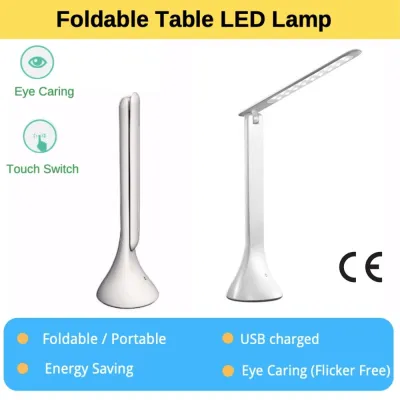
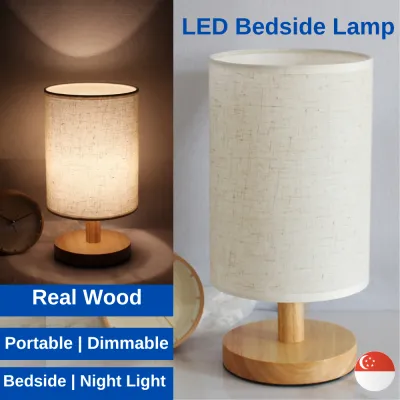
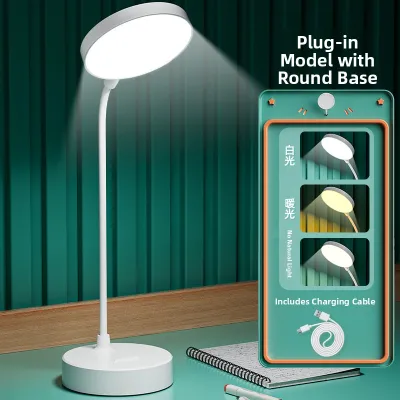
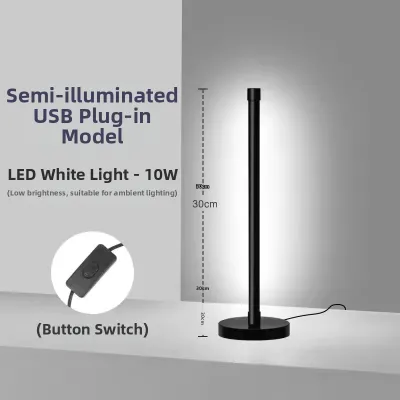
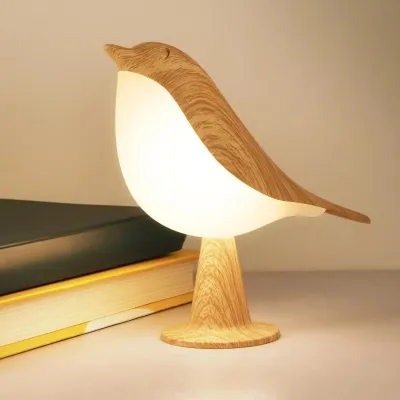
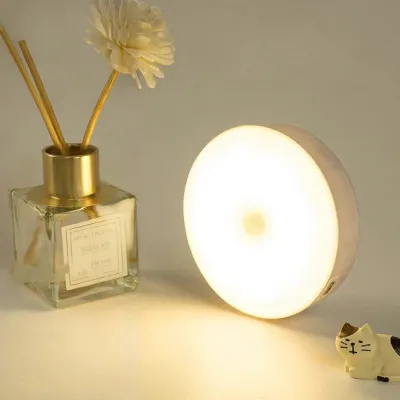
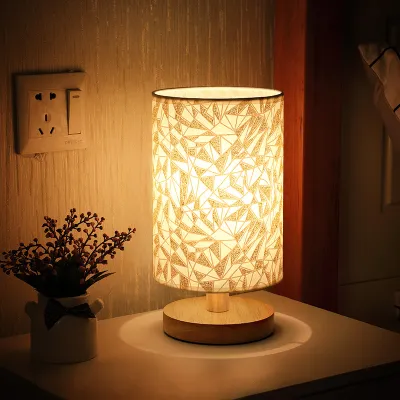
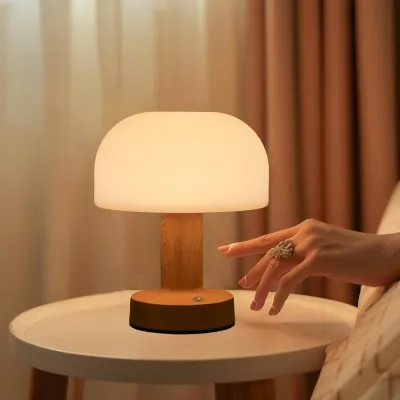
Prices are valid at publication and may change. Please refer to the product page for the latest price.
Design-led premium brands cater to those who view lighting as an artistic extension of their home. These fixtures often feature integrated LEDs, sculptural forms, and premium materials like brushed brass or mouth-blown glass. They are ideal for compact HDB or condominium bedrooms where space is at a premium and a single, elegant light source must serve as a visual anchor.
Smart lighting brands are designed for tech-savvy users who want to optimize their sleep hygiene. These lamps offer automated schedules, seamless integration with home assistant ecosystems, and tunable color temperatures that mimic natural circadian rhythms. They are perfect for anyone looking to automate their wind-down and wake-up routines.
Core Comparison Dimensions for a Bedside Lamp: Quality, Design, and Light Output
To make an objective comparison between different bedside lamp options, you must evaluate them across three primary dimensions: physical build quality, aesthetic form factor, and technical light performance. Understanding these metrics prevents buyer’s remorse and ensures your chosen fixture functions safely and effectively in your space.

Build Quality and Material Integrity A high-quality bedside lamp should feel stable and durable from the moment you set it up. Look for weighted bases made of solid wood, heavy stone, or thick metal, which prevent the lamp from tipping over when you reach for it in the dark. Examine the joints, hinges, and adjustment points; they should move smoothly without squeaking or slipping. Tactile elements like switches, rotary dimmers, or touch-sensitive panels should offer clean, responsive feedback without feeling flimsy or loose.
Aesthetics, Footprint, and Cord Management In Singapore’s compact residential layouts, bedside table surface area is highly valuable. A lamp’s footprint—the physical space its base occupies—must be balanced against the size of your nightstand. A heavy, narrow base is often superior to a wide, lightweight one because it saves space while remaining stable. Additionally, pay attention to cord management. Premium brands often route cords discreetly through the base or offer high-quality fabric-wrapped cables that look neat even when exposed, whereas cheaper models may have stiff, unsightly plastic cords that clutter your bedside area.
Light Performance Metrics The quality of light a lamp emits is determined by several technical specifications that go beyond simple brightness:
- Lumens: This measures the total light output. For a bedside lamp, a range of 200 to 400 lumens is generally ideal for reading without causing eye strain or disturbing a sleeping partner.
- Color Temperature (Kelvin): Measured in Kelvin (K), this determines the warmth of the light. Warm white (2200K to 2700K) is highly recommended for bedrooms to promote relaxation, while cool white (4000K to 5000K) is better suited for task-oriented workspaces.
- Color Rendering Index (CRI): This measures how accurately a light source reveals the true colors of objects compared to natural sunlight. A CRI of 90 or higher is excellent, ensuring colors look rich and natural, while a CRI below 80 can make your bedroom decor look dull or washed out.
- Dimming Mechanisms: The ability to adjust brightness is crucial for a bedroom. Compare whether a brand utilizes stepped dimming (fixed brightness levels), continuous rotary dimming, touch control, or digital app-based adjustments to find what fits your routine.
Brand Positioning: Practical vs. Design-Led vs. Smart Lighting
Understanding the broader categories of bedside lamps available in Singapore helps you match your budget with your performance expectations. Each category represents distinct trade-offs in terms of upfront cost, long-term maintenance, and aesthetic appeal.
Mass-Market and Practical Brands
Mass-market brands focus heavily on utility, affordability, and universal accessibility. These lamps are widely available across Singapore in major home furnishing centers and local lighting shops. Their primary design philosophy is functional simplicity, often utilizing clean geometric shapes and neutral colors that blend easily into any bedroom theme.
The defining advantage of these practical brands is their reliance on standardized, user-replaceable bulbs, typically using E27 or E14 screw bases. This design ensures outstanding long-term maintenance ease; if a bulb burns out, you simply replace the bulb rather than the entire fixture. It also gives you complete freedom to choose your preferred bulb brand, wattage, and color temperature. The trade-off, however, lies in the materials and finishes. To keep costs low, these brands often use lightweight plastics, basic stamped metals, or simple fabric shades, which may lack the tactile luxury and seamless joinery of premium alternatives.
Design-Led and Premium Lifestyle Brands
Design-led brands treat a bedside lamp as a functional sculpture. These premium fixtures are typically sourced from specialized design boutiques or high-end lighting showrooms in Singapore. They prioritize high-concept aesthetics, utilizing luxurious materials such as mouth-blown frosted glass, brushed brass, solid marble, and hand-turned hardwoods.
These brands almost exclusively feature integrated LED modules. Because the light source is built directly into the fixture, designers can create incredibly slim, minimalist, or complex organic shapes that would be impossible with a bulky standard bulb socket. These lamps excel at ambient light diffusion, using custom-engineered diffusers to scatter light softly and eliminate harsh shadows. However, this design comes with a significant trade-off: when the integrated LED eventually reaches the end of its lifespan, the entire fixture typically needs to be replaced or sent to a specialized technician for repair, making them a more substantial long-term investment.
Smart and Tech-Forward Brands
Smart lighting brands merge modern technology with everyday convenience, appealing to homeowners who want a fully connected smart home. These lamps are characterized by built-in wireless connectivity—usually via Wi-Fi, Bluetooth, or Zigbee protocols—allowing you to control them through mobile apps, wireless remotes, or voice commands.
The build quality of smart lamps depends heavily on the reliability of their internal microprocessors and wireless receivers. Premium smart brands invest in high-quality internal electronics that maintain a stable connection without dropping offline, and they provide regular firmware updates to ensure compatibility with evolving smart home ecosystems. These lamps often feature advanced sensors, such as ambient light sensors that automatically adjust brightness based on the room’s natural light, or touch-sensitive strips along the lamp body for intuitive physical control. The primary trade-off is the complexity of setup and a higher reliance on a stable home network to access all features.
Light Performance: Optimizing for Reading and Sleep Hygiene
The primary function of a bedside lamp is to provide high-quality illumination that supports your evening activities without disrupting your body’s natural sleep cycle. Different lighting designs achieve this balance in various ways.
Task vs. Ambient Lighting Before choosing a lamp, consider how you use your bed. If you are an avid reader who spends hours with books or tablets before sleeping, you require focused task lighting. Brands that offer adjustable, articulating arms or directional swivels allow you to cast a concentrated beam directly onto your page, keeping the rest of the room relatively dark. Conversely, if you use your bedroom primarily for relaxation, meditation, or watching television, omnidirectional ambient lighting is more appropriate. Lamps with fabric, paper, or frosted glass shades scatter light evenly in all directions, creating a soft, low-contrast glow that relaxes the eyes.
Glare Control and Eye Comfort Glare is one of the most common causes of evening eye strain and headaches. When evaluating a bedside lamp, look closely at how the light source is shielded. Premium brands often design their fixtures with deeply recessed bulbs, internal baffles, or multi-layered diffusers made of opal acrylic or frosted glass. These elements break up harsh, direct light rays, transforming them into a soft, uniform glow. Cheaper, basic lamps with exposed bulbs or thin, translucent shades can create uncomfortable hot spots of light that irritate your eyes when you look toward the nightstand.
Color Temperature and Sleep Hygiene Exposure to cool, blue-enriched light in the evening suppresses the production of melatonin, a hormone essential for regulating sleep. To protect your sleep hygiene, your bedside lamp should emit a warm, relaxing glow. A color temperature of 2700K is the standard for cozy residential spaces, while some specialized sleep lamps go as low as 2200K to mimic the warm amber light of a candle.
If you use your bedroom for multiple activities—such as working during the day and sleeping at night—tunable white light is highly beneficial. Tech-forward brands allow you to adjust the color temperature dynamically, transitioning from a crisp, energizing 4000K during the day to a warm, soothing 2200K as bedtime approaches. If you opt for a fixed-color model, ensure it is set to a warm-white profile to maintain a restful environment.
Build Quality and Safety: Materials, Heat, and Singapore Standards
Because a bedside lamp is placed within arm’s reach of your bed and operates close to pillows, sheets, and curtains, physical safety and material durability are paramount. This is especially true in Singapore’s unique tropical environment.
Material Longevity in Humid Climates Singapore’s high relative humidity can accelerate the degradation of low-quality materials. When shopping, check if metal components feature anti-tarnish coatings, anodized finishes, or powder coatings to prevent rust and corrosion. Solid wood bases should be properly sealed to prevent warping or mold growth. For plastic components, look for UV-resistant formulations; cheap plastics can become brittle, yellowed, and prone to cracking after prolonged exposure to heat and ambient daylight.
Electrical Safety and Compliance In Singapore, household electrical appliances—including table lamps—are classified as Controlled Goods under the Consumer Protection (Safety Requirements) Registration Scheme. When purchasing a bedside lamp, always verify that the product carries the red-and-blue Singapore Safety Mark. This mark indicates that the appliance has been tested and certified safe for local use.
Furthermore, ensure the lamp is rated for Singapore’s standard electrical supply of 230V and 50Hz. If you are purchasing a lamp from international or cross-border online storefronts, be highly cautious. Many overseas models are designed for 110V systems or come with non-compliant plugs. Always verify that the lamp includes an approved, fused Type G three-pin plug that fits standard Singapore wall sockets directly. Avoid using unsafe travel adapters or daisy-chaining extension cords near your bed, as this increases the risk of electrical short circuits and fire hazards.
Additionally, if you choose a wall-mounted bedside sconce or any fixture requiring fixed wiring, safety boundaries are even more critical. Always isolate the power at your main distribution board before installation, follow the manufacturer’s instructions precisely, and hire a licensed electrical worker or qualified professional to handle the wiring to ensure compliance with local electrical codes.
Heat Dissipation and Thermal Management All light sources generate heat, and efficient thermal management is vital for safety and product longevity. Traditional incandescent and halogen bulbs convert a massive amount of energy into heat, making the lamp shade and body dangerously hot to the touch.
Modern integrated LED lamps manage heat much more safely. High-quality brands design their fixtures with built-in aluminum or ceramic heat sinks that draw warmth away from the LED diodes and dissipate it safely into the surrounding air. This keeps the exterior of the lamp cool to the touch, preventing accidental burns and eliminating fire risks if a blanket or curtain accidentally brushes against the fixture.
Final Decision Framework: Which Bedside Lamp Should You Buy?
To select the perfect bedside lamp for your Singapore home, synthesize your lifestyle requirements, aesthetic preferences, and physical space constraints into a clear decision.
Choose a Practical, Replaceable-Bulb Brand If:
- You prefer a straightforward, cost-effective lighting solution with minimal long-term maintenance costs.
- You want the freedom to choose and change your own lightbulbs (such as switching to a specific brand of smart bulb later).
- You prefer classic, simple designs like a traditional ceramic base with a fabric drum shade.
Choose a Design-Led, Integrated-LED Brand If:
- You want a striking, sculptural design that serves as a focal point in your bedroom decor.
- Your bedside table is narrow, and you need a compact, space-saving footprint with excellent ambient light diffusion.
- You view lighting as a long-term design investment and accept that the entire fixture may need replacing once the LED module reaches its end of life.
Choose a Smart Lighting Brand If:
- You want to automate your daily routines, such as setting the light to fade out gradually as you fall asleep and brighten slowly to wake you up.
- You enjoy controlling your bedroom atmosphere via voice commands, mobile apps, or automated sensors.
- You require tunable white light that can shift from productive cool tones to relaxing warm tones throughout the day.
Critical Pre-Purchase Verification Checklist: Before finalizing any purchase, perform these essential checks in your bedroom:
- Measure Bedside Table Depth: Ensure the lamp base fits comfortably on your nightstand with at least 5 to 10 cm of clearance around the edges to prevent accidental knocks.
- Check Mattress Height: Sit on your bed and measure the height of your eyes relative to the bedside table. The bottom of the lampshade should align roughly with your eye level when sitting upright.
- Locate Power Sockets: Verify the distance from your nightstand to the nearest wall outlet. Ensure the lamp's cord is long enough to reach without being stretched tight, and check that the plug style is compatible with your wall sockets.
- Confirm the Safety Mark: If buying locally or online, double-check that the product listing or packaging displays the official Singapore Safety Mark.
Frequently Asked Questions (FAQ)
What is the ideal height for a bedside lamp?
The ideal height for a bedside lamp depends on the height of your nightstand and your mattress. As a general rule of thumb, when you are sitting up in bed reading, the bottom of the lampshade should be roughly at your eye level. This positioning ensures that the light shines directly onto your book or device without casting a harsh, direct glare into your eyes from underneath the shade.
For most standard bedroom setups, this translates to a total lamp height of approximately 50 to 70 cm, assuming your bedside table is roughly level with the top of your mattress. If your nightstand is unusually low, you will need a taller lamp; if your nightstand is exceptionally high, a shorter, more compact lamp is preferred.
Can I use a smart bulb in any bedside lamp?
You can use a smart bulb in almost any bedside lamp that features a standard, user-replaceable bulb socket, such as an E27, E14, or B22 base. To ensure proper functionality, the lamp must be kept switched on at its physical switch so that the smart bulb receives constant electrical power, allowing it to remain connected to your home network.
However, you must avoid installing smart bulbs in lamps that feature built-in physical dimmer switches, such as rotary dials or touch-sensitive dimming panels. These older analog dimming mechanisms manipulate the electrical voltage sent to the socket, which conflicts with the digital dimming circuitry inside a smart bulb. This conflict can cause the bulb to flicker, buzz, or suffer permanent internal electronic damage.
How do I clean and maintain fabric or paper lampshades?
To keep your bedside lamp looking pristine and operating at maximum light efficiency, perform regular, low-risk cleaning based on the shade’s material. Before cleaning, always turn off the lamp, unplug it from the wall outlet, and allow the bulb to cool down completely to ensure your safety.
For fabric lampshades, dust accumulates easily in the weave. Use the soft brush attachment of your vacuum cleaner on its lowest suction setting to gently sweep away dust from top to bottom. Alternatively, a clean adhesive lint roller can quickly lift dust and hair from the fabric surface.
For delicate paper or parchment lampshades, avoid all liquids, as moisture can warp, stain, or dissolve the material. Instead, use a dry, clean microfiber cloth or a soft-bristled paint brush to gently brush away dust. If you encounter stubborn spots, check the manufacturer’s care label for specific instructions before attempting any spot cleaning.
Community discussion
Share your experience or ask a question. Comments are reviewed before publication.