
Selecting the best decorative glass panel mirror to make a small space look larger in Singapore requires balancing optical properties, design styles, and the unique environmental conditions of tropical homes. In compact layouts like HDB flats and condominiums, a strategically placed glass panel mirror does not physically expand a room, but it manipulates light and depth perception to create a conditional visual preference of openness. To achieve this effect safely and durably, you must evaluate specific material standards, moisture-resistance features, and structural mounting requirements.
The Design Science Behind Space-Enhancing Glass Panels
Mirrors alter our spatial awareness through basic optical physics. When light hits a highly polished reflective surface, it bounces back at the same angle it arrived, creating a virtual image that appears to exist at an equal distance behind the glass. This trick of depth perception fools the human brain into registering a visual footprint that is double the actual size of the room. In compact Singaporean apartments, where living areas and dining rooms often share a single open layout, this optical extension can break up visual boundaries and make tight corners feel significantly less restrictive.
Strategic placement is key to maximizing this reflective illusion. Positioning a large glass panel mirror directly opposite a primary natural light source, such as a balcony sliding door or a large window, allows the mirror to capture incoming daylight and bounce it deep into the darker recesses of the home. In long, narrow corridors or entryways—common architectural features in modern BTO layouts—installing a series of vertical mirror panels along one wall visually widens the narrow hallway, transforming a cramped transition zone into an airy, welcoming passage.
Products mentioned in this guide
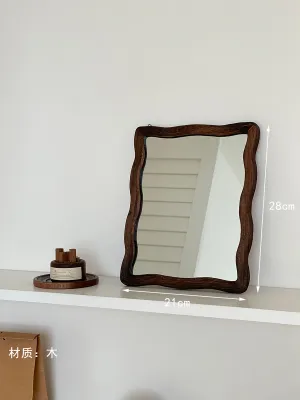
Prices are valid at publication and may change. Please refer to the product page for the latest price.
The psychological impact of the reflection also depends heavily on the configuration of the glass. Unbroken, full-wall mirror installations offer a seamless, continuous reflection that provides the maximum possible illusion of space. However, in smaller rooms, a single massive reflective wall can sometimes feel disorienting or cold. Segmented designs, such as mirrors divided by delicate wooden or metal grids, break up the reflection into digestible, structured frames. This mimics the appearance of multi-pane windows, providing the psychological comfort of looking “out” into another space while maintaining a strong decorative anchor in the room.
Core Criteria for Evaluating Mirror Brands and Quality
Not all glass panels are manufactured to the same standards. When sourcing decorative mirrors in Singapore, understanding the technical specifications of the glass and the frame is essential to ensure long-term safety, clarity, and durability.

Glass Clarity and Edge Finishing
The visual quality of a mirror starts with the raw glass substrate. Standard float glass naturally contains trace amounts of iron oxide, which imparts a subtle green tint. While this tint is barely noticeable in small cosmetic mirrors, it becomes highly pronounced in large decorative panels, dulling the reflected light and slightly distorting colors. For a true, high-fidelity reflection that maximizes brightness, look for brands that offer low-iron glass, often marketed as extra-clear glass. Low-iron glass eliminates the greenish cast, ensuring that the reflected space looks identical in color and brightness to the actual room.
Edge finishing is another critical factor that affects both the aesthetic appeal and the handling safety of the panel. Unfinished glass edges are incredibly sharp and prone to micro-chipping, which can lead to structural failure under stress.
- Polished Edges: Flat-polished or pencil-polished edges are ground down to a smooth, matte, or shiny finish. This minimalist style is ideal for frameless installations where the glass panels butt up against each other.
- Beveled Edges: These edges are cut at an angle (usually ranging from 12mm to 25mm wide), creating a decorative border that catches and refracts light like a prism. Beveled edges add a touch of classic elegance and help transition the mirror visually onto the wall.
- Pencil Edges: Rounded off to a smooth, C-shaped profile, these are highly safe to handle and are commonly used in semi-framed or frameless decorative mirrors.
To prevent bowing or warping—which creates a disorienting “funhouse” effect—the thickness of the glass panel must scale with its overall dimensions. For large-format wall mirrors, a minimum thickness of 5mm to 6mm is highly recommended. Thinner glass (such as 3mm or 4mm) is flexible and will bend slightly when mounted against uneven wall surfaces, resulting in distorted reflections that ruin the illusion of an expanded space.
Frame Durability and Moisture Resistance
Singapore’s tropical climate presents a constant challenge for mirror longevity. High relative humidity levels, which frequently hover around 80% or higher, can easily penetrate the protective backing of a mirror. When moisture or airborne cleaning chemicals react with the silver reflective layer, it causes oxidation—a process known as desilvering. This manifests as unsightly black spots or creeping dark edges around the perimeter of the glass.
To combat this, look for mirror brands that utilize copper-free backing paints and specialized protective sealants. Copper-free mirrors are significantly more resistant to atmospheric corrosion and chemical degradation than traditional mirrors. If you plan to install a decorative mirror in a damp area, such as a bathroom vanity, a kitchen backsplash, or a semi-outdoor balcony, always verify that the manufacturer explicitly rates the product for high-humidity environments.
The choice of frame material is equally critical for durability. Avoid untreated softwoods or low-density fiberboards (MDF), which can absorb moisture from the air, swell, warp, and cause the glass panel to crack. Instead, opt for frames made from:
- Powder-Coated Aluminum: Exceptionally lightweight, highly resistant to rust, and available in sleek, modern profiles.
- Stainless Steel (Grade 304 or 316): Offers superior corrosion resistance and a premium, heavy-duty feel suitable for luxury interiors.
- Treated Hardwoods or Marine Plywood: If a wooden aesthetic is preferred, ensure the wood has been thoroughly sealed with water-resistant polyurethane or outdoor-grade lacquers to block moisture ingress.
Top Decorative Mirror Styles for Compact Homes
Selecting the right style of glass panel mirror involves matching your interior design theme with a configuration that optimizes light and spatial perception.
Oversized Floor-Leaning Panels
Oversized floor-leaning mirrors are a popular choice for adding instant drama and height to compact rooms. By resting on the floor and extending upward, these tall vertical panels draw the eye toward the ceiling, visually raising the height of the room. This style works exceptionally well in master bedrooms, walk-in closets, or at the end of a living room layout.
When integrating a floor-leaning mirror, pair it with low-profile furniture—such as a low-slung sofa or a minimalist sideboard—to emphasize the vertical contrast. While these mirrors are designed to lean, safety is paramount. Never leave a heavy glass panel freestanding without structural support. Always secure the top or back of the frame to the wall using heavy-duty anti-tip safety straps or brackets anchored into the wall studs or masonry.
Grid, Shutter, and Multi-Panel Layouts
For homeowners who find a solid wall of mirror too intense or clinical, grid and multi-panel layouts offer an excellent alternative. Often designed to resemble French windows or industrial metal-framed windows, these mirrors use thin dividers (mullions) to segment the glass into smaller geometric panes.
The dividers break up the reflection, softening the visual impact while still bouncing a significant amount of light around the room. The grid pattern tricks the mind into perceiving the mirror as an actual window opening into an adjacent room or garden, which dramatically reduces any feelings of claustrophobia in tight dining rooms or study nooks. Multi-panel configurations can also be arranged in artistic, asymmetrical layouts to serve as a stunning focal point that doubles as a space-expanding tool.
Tinted, Antique, and Textured Glass
Clear glass is the default choice for maximum light reflection and depth, but decorative tinted, antique, or textured glass panels offer unique aesthetic advantages that can enhance the overall ambiance of a compact home.
- Bronze and Grey Tints: Bronze-tinted mirrors cast a warm, golden glow that softens harsh artificial lighting, making spaces feel cozy and luxurious. Grey-tinted mirrors provide a cool, smoky, ultra-modern aesthetic. While tinted glass absorbs slightly more light than clear glass, it reduces glare and blends seamlessly into sophisticated dark-themed interiors.
- Antique and Distressed Finishes: These mirrors feature faux-oxidized patterns, silvering wear, or acid-etched textures that mimic vintage glass. They are perfect for eclectic, industrial, or classic home designs, offering a sense of history and artistic texture while still providing a gentle sense of depth.
- Textured and Fluted Glass Borders: Combining a clear central mirror panel with a textured or fluted glass border allows you to enjoy the best of both worlds. The clear center provides a sharp, space-expanding reflection, while the textured border scatters light at different angles, adding a layered, dynamic visual element to the wall.
Where to Source Reliable Mirror Brands in Singapore
Navigating the local retail landscape for high-quality glass panels requires understanding the different types of suppliers and the specific services they offer.
Custom Glass Fabricators and Glaziers
For homeowners who require exact, wall-to-wall, or floor-to-ceiling mirror installations, custom glass fabricators and local glaziers are the premier choice. These specialized contractors operate direct-from-factory business models, allowing you to bypass retail markups and order glass panels cut to your exact millimeter specifications.
Working with a custom fabricator allows you to select the precise glass type (such as low-iron, bronze-tinted, or grey-tinted), specify the exact edge profile, and choose the overall thickness. This bespoke approach is highly beneficial for awkward structural columns, recessed wall niches, or full-height entryway walls where standard off-the-shelf mirrors will not fit. When engaging a glazier, always confirm that their quote includes on-site measurement, delivery, and professional installation, as handling and mounting massive, heavy sheets of glass requires specialized tools and experienced labor.
Premium Home Decor and Furniture Boutiques
If you prefer a ready-made, framed decorative mirror that serves as an independent design statement, premium home decor boutiques are the ideal sourcing channel. Showrooms located in popular interior design hubs across Singapore showcase a curated selection of imported designer mirrors, ranging from organic, asymmetrical shapes to ornate, hand-carved frames.
Visiting a physical showroom is highly advantageous, as it allows you to evaluate the optical clarity of the glass and the true color of the frame under controlled lighting conditions. It also gives you the opportunity to inspect the build quality, frame joints, and backing materials firsthand. When purchasing from a premium boutique, always inquire about the warranty terms, return policies, and after-sales support, particularly for delicate, high-value imported pieces that may be susceptible to transit damage.
Interior Design and Fit-Out Specialists
For homeowners undergoing a comprehensive home renovation, integrating mirrors into the built-in carpentry is a highly efficient way to maximize space. Interior design and fit-out specialists can design custom cabinetry, sliding wardrobe doors, or concealed storage units that feature integrated glass panels.
For example, cladding the sliding doors of a built-in wardrobe with full-height mirrors completely hides bedroom clutter while making a compact master bedroom feel twice its actual size. Furthermore, interior designers can coordinate the mirror installation with complex electrical planning. If you wish to install a backlit LED mirror, the specialist must ensure proper power isolation, correct driver placement (which must remain accessible for future maintenance), and compliance with local electrical safety regulations. Any integrated lighting should utilize components certified with the Enterprise Singapore Safety Mark to guarantee safe operation in your home.
Installation Safety and Long-Term Maintenance
Because large glass panels are heavy, fragile, and potentially hazardous if improperly handled, adhering to strict installation safety and maintenance protocols is non-negotiable.
Wall Assessment and Load-Bearing Capacity Before mounting any substantial glass panel, you must evaluate the structural integrity of the wall. A standard 6mm thick glass mirror weighs approximately 15 kilograms per square meter, excluding the weight of any frame.
- Concrete and Brick Walls: Common in structural HDB walls and bomb shelters, these solid surfaces can easily support heavy loads when paired with high-quality plastic or metal masonry plugs and heavy-duty screws.
- Drywall and Partition Walls: Often found in newer condominium layouts or bedroom partitions, standard plasterboard cannot support heavy, concentrated loads. You must locate the internal timber or metal studs using a stud finder and anchor the mounting hardware directly into them. If positioning does not align with the studs, you must use specialized heavy-duty hollow-wall toggle bolts or install structural plywood backing behind the drywall before mounting.
Professional Installation Boundaries For oversized panels, complex multi-panel layouts, or installations at height, always hire a qualified professional installer or glazier. Professional installers utilize specialized hardware, such as French cleats or aluminum J-channels, which distribute the weight of the mirror evenly across the wall rather than concentrating it on a few stress points. If using mirror adhesives, professionals apply specialized, non-acidic mirror mastic that will not chemically react with and destroy the silver backing over time. Never attempt to mount a large, heavy glass panel using standard double-sided tape or general-purpose construction adhesives.
Safe Cleaning and Maintenance Routines To preserve the pristine reflection and prevent premature degradation of your mirror, establish a gentle cleaning routine:
- Avoid Harsh Chemicals: Never use ammonia-based, highly acidic, or abrasive cleaners, as these chemicals can seep behind the edges of the glass and corrode the silver backing, leading to desilvering.
- Use the Right Tools: Clean the surface using a soft, lint-free microfiber cloth. Dampen the cloth slightly with a mild, pH-neutral soap solution or a specialized, alcohol-based glass cleaner.
- Control Liquid Application: Never spray cleaning liquid directly onto the mirror surface. The liquid can run down the glass and pool at the bottom edge or seep behind the frame, where it will slowly eat away at the protective backing. Always spray the cleaner onto the cloth first, then wipe the glass.
- Keep Edges Dry: After cleaning, immediately use a dry microfiber cloth to wipe down the edges and corners of the mirror, ensuring no moisture remains trapped in the frame joints.
Periodic Inspections Every six to twelve months, perform a quick visual inspection of your mounted mirrors. Check the mounting brackets, French cleats, or hanging wires for any signs of sagging, looseness, or structural wear. Inspect the bottom edges of the glass for any tiny black spots or cloudiness, which indicate early moisture penetration. If you notice any structural instability, contact a professional installer immediately to secure or reinstall the panel before a failure occurs.
Frequently Asked Questions (FAQ)
Can I install a heavy glass panel mirror on a drywall partition?
Yes, but you cannot mount a heavy glass panel mirror directly onto standard drywall plasterboard without proper structural support. Standard drywall anchors are prone to pulling out under heavy, continuous loads. To safely install a heavy mirror, you must locate the internal timber or metal wall studs using a stud finder and secure the mounting screws or French cleats directly into these studs. If the desired placement does not align with the studs, you must use heavy-duty hollow-wall toggle bolts rated for the mirror’s weight, or have an interior contractor install structural plywood reinforcement behind the partition wall.
How do I prevent my mirror from developing black edges over time?
Black edges, or desilvering, occur when moisture, humidity, or harsh cleaning chemicals penetrate the protective backing of the mirror and oxidize the silver reflective layer. To prevent this in Singapore’s humid climate, ensure your home has adequate ventilation, particularly in moisture-prone areas like bathrooms and dining zones near kitchens. Avoid spraying glass cleaners directly onto the mirror, as the liquid can pool at the bottom edge and seep behind the glass; instead, spray a microfiber cloth and wipe the surface. Finally, ensure any mirror used in damp areas is manufactured with copper-free backing and sealed edges.
Community discussion
Share your experience or ask a question. Comments are reviewed before publication.