
Achieving a clean, modern aesthetic in Singaporean homes relies heavily on how lighting integrates with the ceiling plane. For a truly minimalist interior, downlights must do more than simply illuminate a room; they must disappear into the architecture while delivering precise, high-quality light. Homeowners looking to narrow down their options will find that premium architectural brands like Sol Luminaire and Flos offer the ultimate in seamless, glare-free design, while mainstream smart ecosystems like Philips Hue and Aqara provide unmatched convenience. For homes with tight structural limits, regional specialists like Megaman and Near offer shallow-profile fixtures tailored specifically for local false ceilings. Selecting the right brand requires balancing physical design, glare control, smart compatibility, and the structural realities of local housing.
Defining Minimalist Downlights: Key Selection Criteria
To select a downlight that supports a minimalist aesthetic, you must look beyond basic wattage and focus on how the physical fixture interacts with your ceiling and how the light is distributed. Standard downlights often feature wide, thick plastic bezels that sit proud of the ceiling, drawing unwanted attention to the fixture itself. Minimalist lighting relies on minimizing visual clutter, which is achieved through specific design details and precise optical engineering.
Trimless vs. Slim-Bezel Profiles
The physical edge of the downlight determines how seamlessly it blends into your ceiling. Trimless (or plaster-in) downlights feature a perforated metal mud-in flange that is screwed directly into the false ceiling plasterboard during installation. The joint is then plastered over and painted, leaving only a clean, open aperture with no visible rim. Slim-bezel downlights, by contrast, feature an incredibly thin metal rim—often less than two millimeters wide—that rests flat against the ceiling surface. While trimless fixtures offer the most seamless architectural look, slim-bezel models are significantly easier to install, maintain, and replace, as they easily hide minor imperfections in the ceiling cut-out.
Products mentioned in this guide
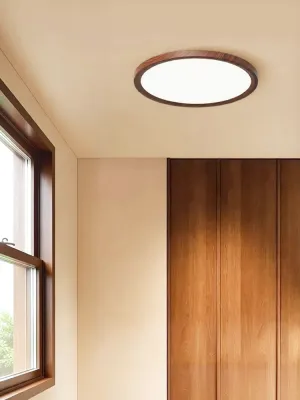
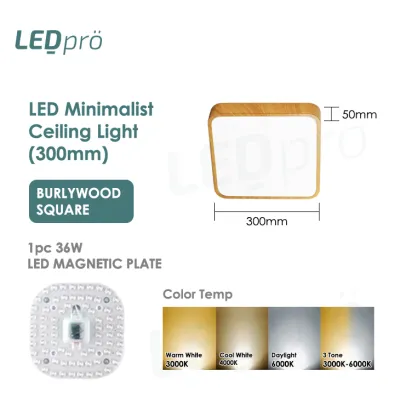
![[OKLIFE®]Wood Simple Ultra-Thin Ceiling LED Japanese Living Room Bedroom Ceiling Lamp R Walnut Wood Grain Ceiling Light](https://img.lazcdn.com/g/p/ef184f44c2084d9ab43b956ef4fff64c.jpg_400x400q80.jpg_.webp)
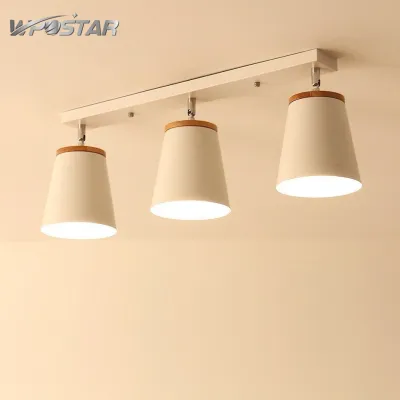
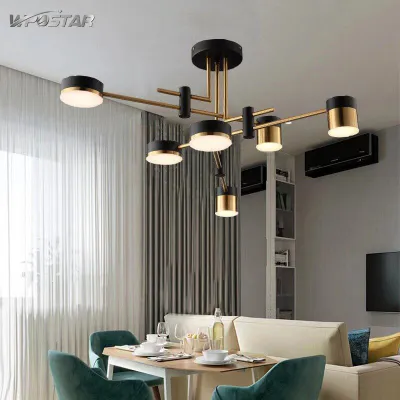
Prices are valid at publication and may change. Please refer to the product page for the latest price.
Anti-Glare Design and Visual Comfort
Minimalist spaces prioritize the effect of light over the fixture itself. High-quality minimalist downlights feature a deep-recessed design where the LED light source is positioned several centimeters inside the housing rather than flush with the ceiling. This design dramatically reduces direct line-of-sight glare, resulting in a low Unified Glare Rating (UGR), ideally under 19. To further control stray light, these fixtures utilize internal baffles or anti-glare rings finished in matte black, dark grey, or low-specular white. These baffles absorb secondary reflections, ensuring that the ceiling remains dark and quiet while the floor and walls below are beautifully illuminated.
Technical Light Quality Specifications
When evaluating downlight specifications, prioritize color accuracy and consistency. Look for a Color Rendering Index (CRI) of Ra 90 or higher, which ensures that timber floorboards, furniture, and paint colors appear rich and true to life under artificial light. Color Correlated Temperature (CCT) should be chosen based on your spatial preferences—typically a warm 2700K to 3000K for living areas and a neutral 4000K for kitchens and workspaces. Ensure the manufacturer guarantees tight color consistency, often measured as a MacAdam ellipse step of 3 or lower, to prevent distracting color variations between adjacent fixtures. Additionally, match the beam angle to your design intent: narrow beams of 15 to 24 degrees are perfect for highlighting artwork or features, while wider beams of 36 to 60 degrees provide soft, overlapping ambient light.
Dimming and Driver Compatibility
Smooth dimming is essential for shifting a minimalist space from a bright, functional daytime environment to a soft, moody evening setting. You must verify that your downlight drivers are fully compatible with your chosen control system. Traditional wall dimmers generally require trailing-edge (electronic low-voltage) phase dimming to prevent flickering and buzzing. If you are planning a smart home setup, ensure the drivers support digital protocols such as DALI (Digital Addressable Lighting Interface), 0-10V, or wireless standards like Zigbee and Matter. Always check the physical dimensions of these drivers, as smart or dimmable drivers are often larger than standard on-off drivers and require adequate vertical space in the ceiling cavity.
Recommended Downlight Brand Categories for Minimalist Homes
Navigating the downlight market is simplified when you categorize brands into distinct tiers. Each tier serves a different balance of aesthetic refinement, smart functionality, budget, and structural compatibility. Selecting the right category helps you align your design expectations with the practical realities of local construction and long-term maintenance.

Premium Architectural Lighting Brands
Premium architectural brands are the preferred choice of interior designers who require uncompromising optical precision and seamless physical integration. These manufacturers specialize in modular, trimless plaster-in fixtures that allow you to swap or service the internal light engine without damaging the surrounding plaster ceiling.
- Sol Luminaire: This highly regarded brand is a staple in premium Singaporean residential renovations. They specialize in architectural-grade, deep-recessed downlights with exceptional glare control and high CRI ratings. Their fixtures are engineered to deliver precise, clean beam cut-offs, making them ideal for highlighting minimalist architectural features without spilling light onto unwanted surfaces.
- Flos and Delta Light: These international architectural giants offer highly engineered optical lenses and miniature apertures that deliver powerful light from almost invisible ceiling openings. They are ideal for luxury condominiums and landed properties where ceiling design is highly customized.
While these premium brands deliver unparalleled visual comfort and clean lines, they require a larger initial budget. They also demand highly experienced plasterers and electricians for installation, and custom finishes or specialized drivers may come with longer lead times.
Mainstream and Smart Lighting Ecosystem Brands
For homeowners who prioritize convenience, automated scenes, and ease of sourcing, mainstream smart lighting brands offer clean, modern designs that integrate directly into smart home platforms.
- Philips (including Philips Hue): As a global leader in lighting, Philips offers highly reliable slim-bezel downlights. The Philips Hue range is particularly popular for minimalist homes because it allows users to dynamically adjust brightness and color temperature (tunable white from 2200K to 6500K) via mobile apps or voice assistants, eliminating the need for complex wall-dimmer wiring.
- Aqara: Known for its robust Zigbee-based smart home ecosystem, Aqara offers sleek, minimalist downlights with deep-recessed designs. These fixtures integrate seamlessly with motion sensors and automated scenes, allowing the lighting to respond dynamically to how you use your home.
These brands are widely available in Singapore, come with standard local warranties, and are easy to replace. However, you must carefully check the physical dimensions of their smart drivers. Wireless receivers and smart power supplies are often bulkier than standard drivers, meaning they require more vertical clearance within your false ceiling.
Regional Suppliers Tailored for Local Ceilings
Regional and local specialized lighting suppliers offer fixtures engineered specifically for the structural constraints of Singaporean housing, particularly HDB flats and condominiums with concrete ceilings.
- Megaman: A well-established brand in the local market, Megaman offers a wide range of slim-bezel, low-profile downlights that comply fully with local electrical safety standards. Their fixtures are highly regarded for their energy efficiency, reliable thermal management, and accessible price points.
- Near: A local smart lighting brand that specializes in affordable, user-friendly smart downlights. Near designs fixtures with shallow housing depths, making them incredibly easy to install in tight false ceiling cavities without sacrificing smart functionality.
These suppliers are highly advantageous because they offer direct local warranties, readily available replacement parts, and compliance with the Enterprise Singapore Safety Mark. Furthermore, visiting their physical showrooms in Singapore allows you to inspect the build quality, evaluate the glare control, and view the actual light output in person before making a purchase.
Comparing Minimalist Downlight Features
To help you determine which brand category best fits your home, the table below compares key design and technical dimensions across the three main tiers.
| Brand Category | Bezel Type | Glare Control | Smart Integration | Ideal Ceiling Clearance |
|---|---|---|---|---|
| Premium Architectural | Trimless (Plaster-in) or Ultra-Slim | Exceptional (Deep-recessed, UGR < 19) | External (DALI, 0-10V, Phase Dimming) | Deep (100mm to 150mm required) |
| Mainstream & Smart | Slim-Bezel | Moderate to High (Recessed options available) | Native (Zigbee, Matter, Thread) | Moderate to Deep (80mm to 120mm) |
| Regional & Local Specialists | Slim-Bezel or Shallow-Recessed | Moderate (Standard reflectors) | Optional (Local smart drivers or Phase Dimming) | Shallow (50mm to 80mm) |
While digital specifications and comparison tables provide an excellent starting point, they cannot fully replicate how light behaves in a physical space. It is highly recommended to visit local showrooms or request physical samples. Seeing how a downlight’s beam falls on real-world materials, checking the texture of the bezel finish, and evaluating the glare control from different viewing angles will ensure you achieve the exact visual comfort you desire.
Installation Constraints and Safety in Singapore Homes
Installing minimalist downlights in Singapore requires careful attention to local building structures, electrical standards, and trade coordination. Because minimalist designs rely on clean lines, any installation error can easily ruin the visual effect.
Coordination and Structural Requirements
If you choose trimless, plaster-in downlights, you must plan their installation early in your renovation timeline. The mounting frames or plaster-in plates must be securely screwed to the false ceiling framing before the plasterboard joints are taped, mudded, and painted. This requires close, active coordination between your lighting supplier, your electrician, and your ceiling plasterer. Any misalignment during this phase will result in crooked fixtures, uneven light beams, or visible cracks in the plaster over time. If your renovation timeline is tight or your contractors are inexperienced with plaster-in fixtures, slim-bezel downlights are a much safer and more forgiving alternative.
Electrical Safety and Licensing
Singapore operates on a 230V, 50Hz electrical system. All fixed electrical wiring, driver installations, and lighting modifications must be carried out by a Licensed Electrical Worker (LEW) or a qualified licensed electrician in strict accordance with local safety standards, such as SS 638. Before any installation, maintenance, or replacement work begins, ensure that the electrical power supply is completely isolated at the main distribution board (DB box). Never attempt to wire these fixtures yourself, as improper installation can lead to electrical shocks, short circuits, or fire hazards.
Heat Dissipation and Thermal Management
Downlights and their external drivers generate heat during operation, which must be safely dissipated to prevent premature failure or safety hazards. Always check the manufacturer’s product label and installation instructions before mounting. Avoid placing downlights directly against wooden ceiling joists, insulation materials, or inside tightly enclosed, unventilated ceiling pockets. Verify if the downlight is IC (Insulation Contact) rated. If the fixture is not IC-rated, maintain a safe, clear space of at least 50mm to 100mm around the housing to allow for passive airflow. Additionally, ensure that drivers are placed in accessible, well-ventilated areas within the false ceiling so they do not overheat.
Estate Management and Structural Guidelines
Before finalizing your lighting layout or cutting holes in your ceilings, you must consult your estate management guidelines. For HDB flats, ensure that your false ceiling installation complies with Housing & Development Board regulations regarding maximum allowable drop heights and weight limits. For private condominiums, submit your renovation plans to your Management Corporation Strata Title (MCST) to obtain the necessary permits. This ensures you do not inadvertently cut into structural concrete beams, damage common-property utility conduits, or breach any building safety regulations.
Frequently Asked Questions (FAQ)
Are trimless downlights suitable for HDB ceilings?
Yes, trimless downlights can be installed in HDB flats, but they require a false ceiling (drop ceiling) to house the mounting frames, wiring, and drivers. Because HDB concrete ceilings typically have a standard height of around 2.6 meters, you must carefully manage the depth of your false ceiling drop. A standard false ceiling drop of 75mm to 100mm is usually sufficient for most shallow-profile trimless downlights. If your ceiling height is too restrictive, consider using ultra-shallow slim-bezel downlights instead, which require significantly less vertical clearance while still providing a highly clean, minimalist appearance.
How do I prevent glare with minimalist downlights?
To prevent glare and ensure visual comfort, select downlights that feature a deep-recessed light source where the LED chip is set back at least 2 to 3 centimeters inside the housing. Look for fixtures equipped with matte black, dark grey, or low-specular internal baffles that absorb stray light rays. Additionally, plan your lighting layout carefully: avoid placing downlights directly over seating areas, beds, or computer screens where they will shine directly into your line of sight. Instead, space them evenly and utilize precise beam angles to direct light onto walls and floors, creating a soft, glare-free, and comfortable living environment.
Community discussion
Share your experience or ask a question. Comments are reviewed before publication.