
Selecting the right corridor lighting is a critical yet often overlooked aspect of Singapore home renovations. In both compact Housing & Development Board (HDB) flats and modern condominiums, hallways serve as the primary arterial pathways connecting bedrooms, bathrooms, and living spaces. These areas require reliable, visually comfortable illumination that does not encroach on limited physical space. A round wall light offers an elegant, highly functional solution to this design challenge. Its soft, organic geometry breaks up the rigid, linear lines typical of narrow corridors, while its low-profile projection ensures safe passage. Choosing the right brand involves balancing aesthetic preferences with technical parameters like voltage compatibility, safety certifications, and installation constraints unique to Singapore’s residential architecture.
By focusing on reliable brands that offer high-quality round profiles, you can transform a dark, utilitarian hallway into a warm, inviting transition zone. This comprehensive guide details the spatial requirements of local corridors, the technical specifications you must verify before purchasing, the top brand categories available in Singapore, and essential safety guidelines for a seamless installation.
Lighting Needs for HDB and Condo Corridors
Singapore’s high-density residential layouts present unique spatial challenges. Typical HDB flats and condominium units feature elongated, narrow corridors ranging from 1.1 to 1.4 meters in width. Because these hallways are frequently flanked by solid walls and lack direct access to external windows, they receive minimal natural light. Relying solely on a single, central ceiling light can create harsh shadows and a stark, institutional atmosphere. A well-placed round wall light addresses this by casting light laterally, softening the transition between rooms and making the entire corridor feel wider and more open.
Products mentioned in this guide
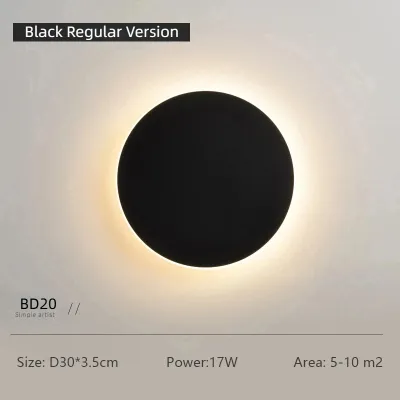
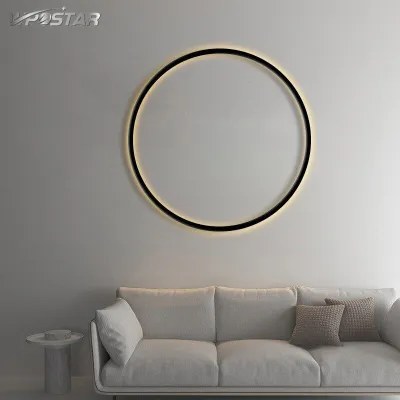
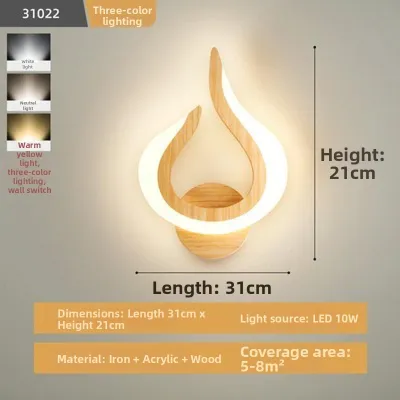
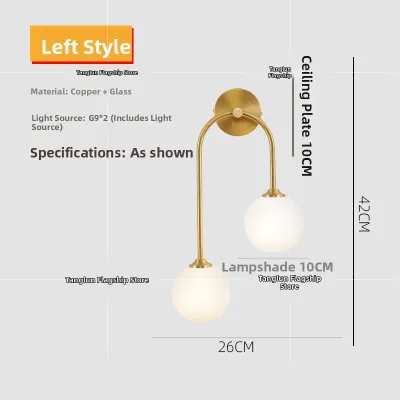

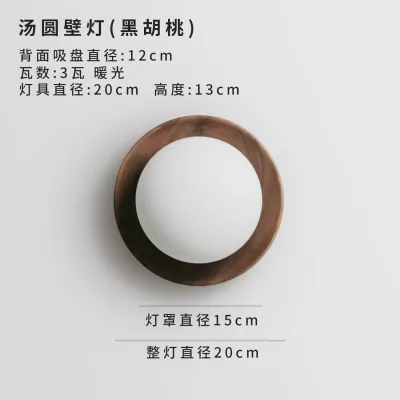
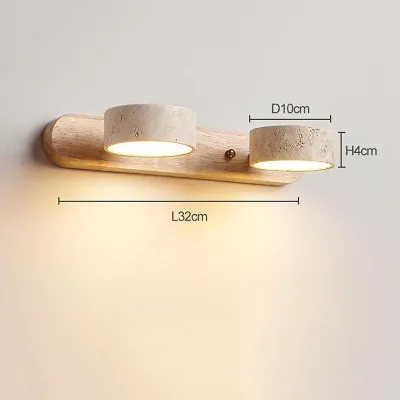
Prices are valid at publication and may change. Please refer to the product page for the latest price.
From a spatial perspective, the physical profile of a wall fixture is paramount. Standard decorative sconces with long arms or wide shades can easily become physical hazards in a tight walkway, leading to accidental bumps when carrying laundry or moving furniture. Round flush-mount or semi-flush wall lights are specifically engineered to sit close to the wall surface. Their low protrusion maintains a clear, unobstructed path while still delivering excellent lateral light distribution. This functional efficiency makes them highly practical for busy, narrow household thoroughfares.
In terms of interior design, the circular silhouette of a round wall light serves as a welcome visual counterpoint to the sharp, rectangular lines of doorways, floor tiles, and built-in cabinetry. This organic shape integrates seamlessly with popular local design aesthetics. In minimalist and Scandinavian-themed homes, a simple, matte-finished round light provides a clean, understated accent. For Japandi or modern contemporary interiors, round fixtures made of natural materials like frosted glass, brushed brass, or terrazzo add texture and depth without overwhelming the space.
Beyond aesthetics, corridor lighting plays a vital psychological and functional role in the home. Hallways are the first spaces encountered when moving between active living areas and quiet bedrooms. Soft, glare-free illumination from round wall lights helps ease the transition, reducing eye strain and creating a sense of calm. Additionally, proper corridor lighting is essential for nighttime safety, ensuring that children, elderly family members, and guests can navigate the home safely without needing to turn on bright, disruptive overhead lights.
Key Specifications to Check Before Buying
Before purchasing a round wall light, you must verify several critical technical and physical parameters. Ensuring compatibility with local electrical standards and your home’s specific layout will prevent costly installation issues and safety hazards.

Voltage and Electrical Compatibility
Singapore’s domestic electrical grid operates on a standard voltage of 230V AC at a frequency of 50Hz. Any light fixture you purchase, whether from a local showroom or an international online retailer, must be rated for this standard. Using a fixture designed solely for 110V systems can cause immediate electrical failure, damage the driver, or pose a fire risk. Furthermore, look for the Enterprise Singapore Safety Mark on the light’s integrated driver or power adapter. This mark indicates that the product has been tested and certified to meet local safety standards, providing peace of mind for continuous residential use.
Dimensions and Protrusion Depth
In narrow hallways, every centimeter counts. Before finalizing your purchase, measure the exact width of your corridor and calculate the maximum allowable protrusion of the light fixture. As a general rule, a round wall light should not protrude more than 10 centimeters (approximately 4 inches) from the wall surface in hallways under 1.2 meters wide. For slightly wider corridors, a protrusion of up to 12 to 15 centimeters may be acceptable. Be sure to check the product’s technical drawing for the “depth” or “projection” measurement to ensure it will not impede daily movement or block nearby doors from opening fully.
Light Output and Beam Angle
When evaluating a fixture’s brightness, focus on lumens rather than wattage. Wattage simply measures energy consumption, whereas lumens indicate the actual light output. For a standard residential corridor, a light output of 400 to 800 lumens per fixture is generally sufficient to provide clear visibility without causing glare. The design of the round diffuser also affects how the light is distributed. Fixtures with a fully frosted or opal glass diffuser provide 360-degree ambient light, which is ideal for general illumination. Conversely, round fixtures with an opaque front cover cast indirect light back against the wall, creating a beautiful halo effect that minimizes glare and adds dramatic visual interest.
Color Temperature
Color temperature is measured in Kelvins (K) and significantly influences the mood of your corridor. For residential hallways, the two most common choices are warm white (3000K) and neutral white (4000K). Warm white (3000K) creates a cozy, welcoming, and relaxed atmosphere, making it highly suitable for corridors leading directly to bedrooms. Neutral white (4000K) offers a cleaner, crisper light that enhances visibility, making it a practical choice for main entrance corridors, transition areas near shoe cabinets, or hallways that double as gallery spaces for family photos. Avoid cool white (6500K) in residential corridors, as it can feel overly clinical and sterile.
Ingress Protection (IP Rating)
While indoor wall lights typically do not require high IP ratings, certain corridor environments demand extra protection. If your round wall light will be installed near a main entrance door that is exposed to wind-blown rain, in a semi-outdoor condominium walkway, or close to a damp area like a bathroom door, choose a fixture with at least an IP44 rating. This rating ensures the light is protected against solid objects larger than 1 mm and splashing water from any direction, preventing moisture ingress from damaging the internal electronics over time.
Reliable Round Wall Light Brands for Singapore Homes
To help you navigate the local market, we have categorized the available round wall light options into three distinct brand segments. Each segment offers unique advantages, limitations, and ideal use cases to suit different budgets and design goals.
Established Global Lighting Manufacturers
For homeowners who prioritize electrical safety, consistent performance, and long-term reliability, established global legacy brands are an excellent choice. Manufacturers such as Philips (Signify), Panasonic, and Ledvance (formerly OSRAM) have a long-standing presence in Singapore. These brands design their fixtures with high-quality integrated LED drivers that offer superior heat dissipation, minimizing the risk of premature failure. Their products undergo rigorous safety testing and almost always carry the necessary local safety certifications.
One of the primary benefits of choosing a global manufacturer is the ease of sourcing and replacement. These brands are widely stocked across Singapore in traditional hardware shops, electrical supply stores (such as those clustered along Jalan Besar and Geylang), and major online marketplaces. If a fixture or driver fails within the warranty period—which typically ranges from one to three years—obtaining a replacement or securing customer support is a straightforward process.
However, these legacy brands often focus on high-volume, utilitarian designs. Their round wall light offerings tend to feature simple plastic or basic metal housings with standard white or silver finishes. While highly functional and energy-efficient, they may lack the unique textures, premium materials, and artistic flair desired for a high-end interior design scheme.
- Ideal Buyer: Homeowners, landlords, or renovators seeking a cost-effective, durable, and certified lighting solution where functional reliability and hassle-free maintenance are the top priorities.
Specialized Local and Regional Lighting Retailers
If you want your corridor lighting to serve as a design statement, specialized local lighting retailers and boutique showrooms offer a curated selection of decorative fixtures. Renowned local names like Sol Luminaire, Shiok Lighting, and Lightcraft cater specifically to Singapore’s design-conscious community. These retailers collaborate with regional designers to offer round wall lights made from premium, tactile materials such as brushed brass, frosted hand-blown glass, terrazzo, natural concrete, and even alabaster.
Visiting a physical showroom in design hubs like Balestier, Tai Seng, or Outram allows you to experience the fixtures firsthand. You can observe the exact quality of the light diffusion, feel the weight and texture of the materials, and seek personalized advice from lighting consultants who understand local HDB and condo layouts. Many of these local brands also design their fixtures with slim profiles specifically tailored to compact Singaporean corridors.
On the downside, boutique designer fixtures come with a higher price tag compared to mass-market alternatives. Additionally, because these retailers often import curated collections in limited batches, you may encounter longer lead times of several weeks if a specific round design is currently out of stock. Some designer fixtures may also require specific driver configurations or mounting brackets that demand careful coordination with your contractor.
- Ideal Buyer: Condo owners or HDB residents undergoing a comprehensive, design-led renovation who want their hallway lighting to complement high-end finishes and serve as an artistic feature.
Smart and Tech-Forward Lighting Brands
For those building a modern, connected home, smart lighting brands offer unparalleled convenience and automation. Brands like Philips Hue, Yeelight, Aqara, and Nanoleaf provide round wall lights or compatible smart modules that integrate seamlessly into major smart home ecosystems, including Apple Home, Google Home, and Samsung SmartThings. These fixtures utilize wireless protocols such as Zigbee, Wi-Fi, or Bluetooth mesh to communicate with your home network.
In a corridor setting, smart lighting delivers significant practical benefits. By pairing a smart round wall light with a compatible wireless motion sensor, you can program the light to turn on automatically at a low, dimmed brightness (e.g., 10%) when someone walks down the hallway in the middle of the night. This eliminates the need to fumble for switches in the dark and prevents waking up other household members. You can also automate the lights to transition from a bright neutral white during the day to a soft, warm amber in the evening.
Despite these benefits, smart lighting systems require a higher initial investment and a stable home network to operate reliably. If your Wi-Fi router or smart hub experiences downtime, you may temporarily lose app and automation control. Furthermore, installing smart switches or certain smart wall lights may require a neutral wire behind the wall switch. While newer HDB BTO flats often include neutral wires, older units typically do not, which may necessitate additional rewiring by an electrician.
- Ideal Buyer: Tech-savvy homeowners and smart home enthusiasts who want automated, dimmable, and schedule-based lighting that adapts dynamically to their daily routines.
Installation Guidelines and Safety Boundaries
Installing a wall light in a Singapore home requires careful preparation due to the structural materials commonly used in local residential construction. Following the correct installation procedures will ensure both structural integrity and electrical safety.
Mounting on Different Wall Types
The installation method for your round wall light depends heavily on whether you are mounting it on an HDB concrete wall or a condo partition wall:
- HDB Reinforced Concrete Walls: Most structural walls and bomb shelters in HDB flats are constructed from solid, reinforced concrete. Drilling into these walls requires a heavy-duty rotary hammer drill equipped with a masonry drill bit. Standard impact drills will struggle to penetrate the concrete. Once the hole is drilled, you must insert high-quality plastic wall plugs (such as Fischer plugs) to securely anchor the mounting bracket. Never attempt to drill into structural columns or beams without consulting your renovation permit guidelines.
- Condo and HDB Partition Drywalls: Many modern condominiums and some HDB internal walls use plasterboard or gypsum drywalls supported by metal studs. These walls cannot support the weight of a light fixture using standard screws or plastic plugs. Instead, you must use specialized toggle bolts or hollow-wall anchors that expand behind the plasterboard to distribute the weight safely. Alternatively, use a stud finder to locate the vertical metal studs and mount the fixture's bracket directly to the studs for maximum stability.
Checking Existing Wiring and Switches
Before mounting your new fixture, inspect the existing electrical setup. If you are replacing an old wall light, verify that the existing mounting holes align with the new fixture’s bracket, or prepare to patch and paint the old holes. If you are planning to install a smart round wall light or a smart wall switch, check if your switch box contains a neutral wire (typically blue or white, separate from the live and earth wires). If no neutral wire is present, you will need to select “no-neutral” smart switches or consult an electrician to pull a neutral wire from the nearest junction box.
Electrical Safety and Professional Boundaries
Working with electricity carries inherent risks of severe shock or fire. Always adhere to these strict safety boundaries:
- Isolate the Power: Before inspecting, removing, or installing any light fixture, turn off the main power supply at your home's main distribution board (DB box). Locate the miniature circuit breaker (MCB) corresponding to the lighting circuit and switch it to the "OFF" position. Use a reliable voltage tester pen to double-check that the wires at the wall point are completely dead before touching them.
- Read Manufacturer Instructions: Always read the installation manual supplied with your specific round wall light. Pay close attention to the maximum wattage limits, wire color codes (which may vary between European, American, and British standards), and grounding requirements.
- When to Hire a Licensed Electrician: Under Singapore's Energy Market Authority (EMA) regulations, any new electrical wiring, extension of existing circuits, or installation of new electrical points must be performed by a Licensed Electrical Worker (LEW). You should stop DIY efforts and hire a licensed professional if your project involves:
- Running new concealed wiring behind concrete walls (which requires hacking and plastering).
- Installing new wall light points where none currently exist.
- Modifying your DB box or adding new circuit breakers.
- Troubleshooting complex wiring issues or installing smart switches that require pulling new neutral wires through concrete conduits.
Frequently Asked Questions (FAQ)
Can I install a round wall light in an HDB corridor without existing wiring?
Yes, you can install a round wall light even if your corridor lacks an existing electrical wall point, though your options depend on your budget and whether you are renting. The most permanent solution is to hire an EMA licensed electrician to run new wiring from the nearest ceiling light or junction box. This process typically involves either hacking the concrete wall to conceal the wires (followed by plastering and painting) or running the wires through neat, paintable plastic casings (truncking) along the wall surface.
If you are renting or want to avoid electrical work, you can opt for plug-in round wall lights that come with a power cord and an inline switch, allowing you to plug them into a nearby floor outlet; you can use self-adhesive cord covers to keep the wire tidy. Alternatively, you can use battery-operated or rechargeable LED puck lights mounted inside a decorative round housing, which can be easily stuck to the wall using damage-free adhesive strips.
What is the best color temperature for a hallway wall light?
The ideal color temperature depends on the primary function of your hallway and its proximity to other living spaces. For main corridors that connect living rooms to bedrooms, warm white (3000K) is highly recommended. This temperature mimics the soft, golden glow of late afternoon light, creating a cozy, relaxing environment that helps your mind wind down as you move toward the bedrooms.
If your corridor is near the main entrance, adjacent to a shoe cabinet, or features artwork and family photos that you wish to display clearly, neutral white (4000K) is a better choice. Neutral white provides clean, balanced contrast and accurate color rendering, making it easier to find items, put on shoes, and navigate safely without the clinical, harsh feel associated with cool white (6500K) commercial lighting.
Do round wall lights provide enough light for a dark corridor?
Yes, round wall lights can provide ample illumination for a dark corridor, but their effectiveness depends on their lumen rating and diffuser design rather than their circular shape. To ensure adequate brightness, look for fixtures that deliver at least 500 to 800 lumens. If the fixture features an opal or frosted glass diffuser, it will scatter light in all directions, effectively illuminating both the walls and the floor of the hallway.
If you choose a design with an opaque front cover that projects light backward (indirect halo lighting), the overall light level will be softer and more decorative. For long or exceptionally dark corridors, a single wall light may not be sufficient. In such cases, you should install multiple round wall lights spaced approximately 1.5 to 2 meters apart, or combine them with slim ceiling downlights to create a layered, well-balanced lighting scheme that eliminates dark corners.
Community discussion
Share your experience or ask a question. Comments are reviewed before publication.