
Managing space in a compact bedroom requires a thoughtful approach to interior design, especially in urban environments like Singapore where bedroom square footage is often limited. One of the most effective and practical solutions to make a small bedroom feel significantly larger is mounting a self-adhesive mirror directly onto your wardrobe doors. This simple addition serves a dual purpose: it provides a functional, full-length dressing mirror without taking up valuable floor space, and it instantly doubles the visual depth of the room by reflecting light and open areas. However, choosing the wrong mirror type or installing it incorrectly can lead to distorted reflections, damaged wardrobe finishes, or safety hazards.
To achieve a flawless, spacious look, you must carefully evaluate the mirror’s material, thickness, and adhesive compatibility before starting your project. While traditional glass mirrors offer pristine clarity, lightweight acrylic sheets and modular tiles have emerged as safer, more versatile alternatives for moving wardrobe doors. Understanding how these different options interact with your wardrobe’s surface and the room’s lighting is the key to transforming a cramped sleeping area into a bright, open sanctuary.
How to Choose the Right Self-Adhesive Mirror for Your Wardrobe
When selecting a self-adhesive mirror for wardrobe doors, your primary considerations should be material weight, optical clarity, and adhesive longevity. Wardrobe doors are dynamic, moving surfaces that swing or slide multiple times a day, which introduces mechanical stress that static wall mirrors do not experience. Consequently, safety and weight distribution must guide your purchasing decisions.
Products mentioned in this guide
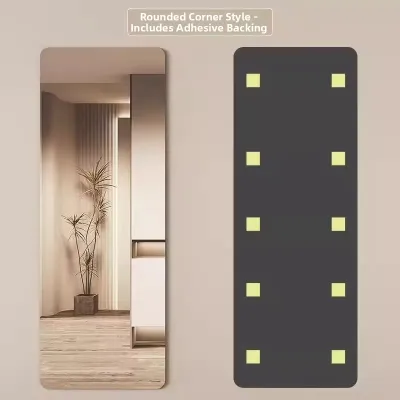
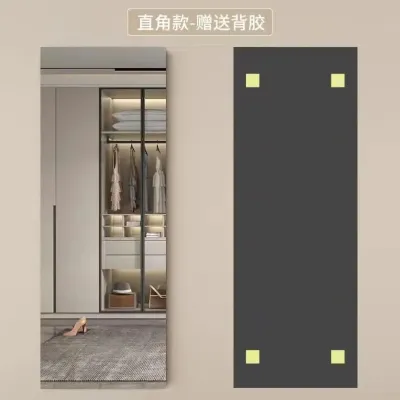
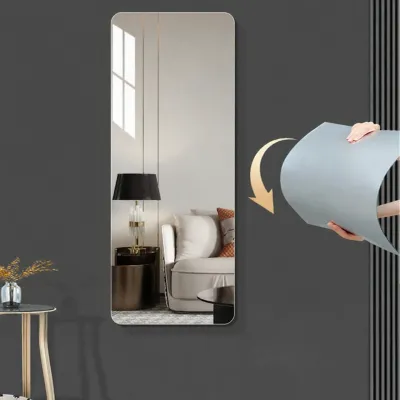
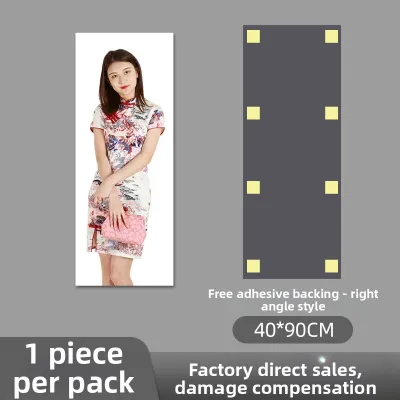
Prices are valid at publication and may change. Please refer to the product page for the latest price.
Material Choice: Acrylic vs. Glass Acrylic is the most common material used for self-adhesive wardrobe mirrors, primarily because of its lightweight and shatterproof properties. An acrylic panel weighs a fraction of an equivalent glass mirror, significantly reducing the physical strain on your wardrobe’s door hinges or sliding tracks. If a door is closed too hard, an acrylic mirror will not shatter, making it an exceptionally safe choice for busy households, families with children, or pet owners. On the other hand, glass mirrors offer superior optical clarity and are completely resistant to scratching. However, their substantial weight makes them highly risky for self-adhesive applications on vertical, moving surfaces. In Singapore’s humid tropical climate, the moisture in the air can gradually degrade adhesive backings over time, increasing the risk of a heavy glass mirror detaching and falling. For these reasons, lightweight acrylic is generally the safer and more practical default for self-adhesive wardrobe door installations.
Thickness and Optical Clarity The thickness of your mirror material directly determines the quality of the reflection. Thin acrylic sheets, typically measuring 1mm to 2mm in thickness, are highly flexible and will conform to any slight imperfections, bows, or texture on your wardrobe door. This flexibility causes the mirror to warp slightly once applied, creating a distracting “funhouse” distortion that ruins the spatial illusion. To ensure a true, reliable reflection that closely mimics the optical quality of glass, you should select acrylic mirrors with a thickness of at least 3mm to 5mm. Thicker acrylic sheets possess inherent structural rigidity, allowing them to bridge minor surface irregularities on the door and maintain a flat, undistorted reflective surface.
Adhesive Compatibility and Rental Considerations Choosing the right adhesive is crucial, especially for renters living in Singapore’s HDB flats or private condominiums where modifying built-in wardrobes can lead to security deposit deductions. Standard industrial liquid glues or permanent mounting tapes form an incredibly strong bond, but they will permanently ruin laminate, wood veneer, or painted surfaces upon removal. To protect your furniture, opt for high-density double-sided foam tape designed for clean removal or specialized damage-free adhesive strips. These adhesives are engineered to support the weight of lightweight mirrors while remaining pliable enough to be removed safely later. Always verify that the adhesive you choose is rated for both the mirror’s backing material and the specific finish of your wardrobe doors, whether it is melamine laminate, polyurethane paint, or varnished wood veneer.
Recommended Self-Adhesive Mirror Types for Wardrobe Doors
To achieve the best visual results and maximize the feeling of space in your bedroom, you must select a mirror format that complements your wardrobe’s structure. Different configurations offer unique aesthetic and functional benefits, ranging from seamless single-panel sheets to flexible modular layouts.

Full-Length Acrylic Mirror Sheets
Full-length acrylic mirror sheets are large, single-piece panels designed to cover the majority of a wardrobe door’s surface. These sheets are highly effective at maximizing the spatial illusion in a small bedroom because they provide a continuous, uninterrupted reflection. By eliminating seams and visual breaks, a single large panel tricks the eye into perceiving the room as extending far beyond the wardrobe door. These panels typically cost between S$20 and S$50, making them an affordable way to make a major design impact.
However, installing a full-length sheet requires a highly disciplined approach. Because of its large surface area, any warp in the underlying wardrobe door will be magnified across the mirror, resulting in noticeable optical distortion. Therefore, you must ensure that your wardrobe doors are perfectly flat and structurally sound before choosing this option. Additionally, pay close attention to the edges of the sheet; ensure you purchase panels with professionally polished or beveled edges to prevent sharp plastic borders from scratching your hands or catching on clothing during daily use.
Modular Frameless Mirror Tiles
Modular frameless mirror tiles are smaller, interlocking squares or rectangles—often measuring 30×30 cm—that you arrange in a grid layout on your wardrobe door. This format is the ideal solution for wardrobes with slightly uneven surfaces, decorative trim, or raised paneling where a single large sheet cannot sit flush. Because each tile covers a smaller area, they are much less susceptible to bending and warping, resulting in a cleaner, more stable reflection across each individual piece. A typical set of four to six tiles generally ranges from S$15 to S$35, offering a highly customizable and budget-friendly option.
The primary trade-off with modular tiles is the presence of visible seams where the tiles meet. These lines divide the reflection, which can slightly fragment the spatial illusion compared to a single continuous sheet. To minimize this effect and maintain a cohesive, high-end look, you must plan your grid layout with extreme precision. Use a spirit level to draw straight guide lines on the door before installation, and use plastic spacer tools to maintain precise, even gaps of 1mm to 2mm between the tiles. This ensures that the grid looks intentional, neat, and decorative rather than misaligned.
Framed Lightweight Adhesive Mirrors
Framed lightweight adhesive mirrors feature a thin, protective border made of materials such as PVC, lightweight aluminum, or engineered composite wood, backed by heavy-duty adhesive tape. The frame is not merely a decorative feature; it provides essential structural rigidity to the mirror. This frame prevents the mirror sheet from flexing, bending, or warping over time, ensuring a flat, distortion-free reflection that closely rivals traditional glass. Framed options generally cost between S$30 and S$80, depending on the frame material and dimensions.
From a design perspective, a framed mirror allows you to match the bedroom’s existing decor, whether you prefer a minimalist black metal frame or a warm wood grain finish. The frame also safely covers the raw edges of the mirror, eliminating any risk of scratches. However, before purchasing a framed mirror, you must verify the load capacity and condition of your wardrobe door hinges. Even though these frames are designed to be lightweight, their added mass is still higher than frameless acrylic. Over time, this extra weight can cause cabinet doors to sag, slide poorly, or fail to close completely. Check that your hinges are securely screwed into the wardrobe frame and adjust them if necessary to handle the new load.
Safe Installation and Surface Protection for Wardrobe Doors
Proper installation is key to ensuring your wardrobe mirror remains securely attached while protecting the underlying furniture from permanent damage. Following a systematic preparation and application process will prevent falling hazards and ensure clean removal in the future.
Surface Preparation A secure and long-lasting adhesive bond depends entirely on the cleanliness of the wardrobe door. Over time, doors accumulate dust, airborne grease, and oils from fingers, all of which create a microscopic barrier that prevents adhesive tape from gripping the surface. To prepare the door, clean the target area thoroughly using isopropyl alcohol (rubbing alcohol) and a lint-free microfiber cloth. Avoid using standard household glass cleaners or soapy water, as these products often leave behind a thin, chemical residue that compromises adhesive performance. Wipe the surface in a gentle, circular motion and allow it to dry completely for at least ten minutes before attempting to apply the mirror.
Application Technique Applying a large adhesive mirror requires patience to prevent misalignment and trapped air bubbles. For large sheets, the “hinge method” is highly recommended. Position the mirror exactly where you want it on the wardrobe door, keeping the protective film on the front and the adhesive backing intact. Secure one vertical edge of the mirror to the door using high-quality painter’s tape; this tape acts as a hinge. Swing the mirror open like a door, peel back a small 5cm strip of the adhesive backing from the hinged side, and gently swing the mirror back against the wardrobe door. Using a soft squeegee or a clean, dry microfiber cloth, press the mirror down firmly, working from the center outward to push out any air. Slowly peel away the remaining adhesive backing as you continue to smooth the mirror down. This gradual application prevents air bubbles and ensures perfect alignment.
Surface Damage Prevention Never apply strong adhesives directly to peeling laminate, raw unsealed wood, or freshly painted surfaces. The adhesive will bond to the weak surface layer rather than the structural door, causing the mirror to pull the finish away and fall. Before applying any adhesive, consult both the mirror manufacturer’s guidelines and your wardrobe manufacturer’s care instructions. If these instructions conflict, or if your wardrobe is made of an unidentified or delicate material, stop and consult a professional installer to prevent permanent damage. If you are dealing with a fragile wardrobe finish, consider applying a temporary layer of high-quality removable vinyl wrap or heavy-duty painter’s tape to the door first. You can then mount the mirror’s adhesive tape directly onto this protective intermediary layer. Always perform a test on a small, hidden corner of the wardrobe door. Apply a small piece of your chosen adhesive tape, leave it for 24 hours, and then remove it to verify that it does not lift or damage the finish.
Safe Removal Strategy When it is time to move out or update your room’s decor, pulling the mirror off with force will almost certainly splinter wood veneers or crack laminate doors. To remove the mirror safely, use a hairdryer set to medium heat to gently warm the surface of the mirror. This heat transfers to the adhesive backing, making it soft, gummy, and pliable. Once the adhesive is warm, slide a long piece of dental floss or high-test monofilament fishing line behind the top corner of the mirror. Using a gentle, sawing motion, pull the line downward to slice through the softened foam tape. Support the mirror as you work your way down to prevent it from falling. Once the mirror is detached, clean off any remaining adhesive residue from the wardrobe door using a mild adhesive remover or isopropyl alcohol, testing a small area first to ensure the solvent does not dull the door’s finish.
Design Strategies to Maximize Visual Space in Compact Bedrooms
Simply mounting a mirror on a wardrobe door is not enough to guarantee a spacious feel; you must strategically integrate the mirror into your bedroom’s layout to maximize its reflective potential.
Light Bouncing To make a small bedroom feel significantly larger and brighter, position your wardrobe mirrors so they reflect a primary light source. In Singapore’s compact apartments, aligning the mirror to catch natural light from a window or the bright glow of a main ceiling light fixture will bounce light deep into the room. This effectively eliminates dark corners, making the entire space feel bright, airy, and more expansive than its actual square footage suggests.
Curating the Reflection A mirror does not just create space; it duplicates whatever is in front of it. If your wardrobe mirror directly reflects a cluttered desk, an open laundry basket, or an unmade bed, it will double the visual clutter, making the bedroom feel more chaotic and cramped. Position your wardrobe or arrange your room layout so the mirror reflects an open pathway, a tidy accent wall, or a minimalist corner. This clean reflection reinforces the illusion of depth and tranquility.
Vertical Illusion To maximize the spatial impact, extend the mirror installation as close to the top and bottom of the wardrobe doors as structurally feasible. Drawing the eye from the floor all the way to the top of the wardrobe emphasizes the room’s vertical dimension. This vertical continuity makes low ceilings feel higher and gives the entire bedroom a grander, more open architectural feel.
Frequently Asked Questions (FAQ)
Will self-adhesive mirrors damage my wardrobe doors when removed?
The risk of damage depends heavily on the door material and the adhesive strength. Melamine laminates and varnished solid woods are highly resilient, whereas painted doors or cheap paper-foil veneers are highly susceptible to peeling. Using heat-assisted removal with a hairdryer and slicing through the adhesive with dental floss will minimize the risk of damage. Always test a small, inconspicuous area before full installation.
Do acrylic self-adhesive mirrors distort reflections?
Thin acrylic sheets under 2mm are highly flexible and will distort reflections if the underlying wardrobe door is not perfectly flat. To ensure a true, reliable reflection, opt for acrylic mirrors with a thickness of 3mm to 5mm. Thicker acrylic has the structural rigidity needed to bridge minor surface irregularities and maintain a flat, glass-like reflection.
Can I install a heavy glass mirror with self-adhesive tape on a wardrobe?
Using only self-adhesive tape for heavy glass mirrors on vertical, moving surfaces like wardrobe doors is strongly discouraged. The constant movement of the door, combined with Singapore’s high humidity, can cause adhesive creep and bond failure over time, posing a severe falling and shattering hazard. For glass mirrors, professional mechanical mounting with brackets or screws is required; use lightweight acrylic for self-adhesive applications.
Community discussion
Share your experience or ask a question. Comments are reviewed before publication.