
Selecting the right study lamp is more than a matter of choosing an attractive desk accessory; it is a critical decision that directly impacts visual comfort, cognitive focus, and long-term eye health. While many products on the market claim to offer “eye-safe” or “medical-grade” lighting, these marketing labels are rarely standardized. To find a lamp that truly protects your eyes and stands up to years of daily use, you must look past the promotional copy and evaluate verifiable optical specifications and physical construction quality.
Top study lamp brands generally approach product design from two distinct philosophies. Some manufacturers focus heavily on high-tech optical engineering, integrating smart sensors and complex lens structures to distribute light dynamically. Others prioritize architectural minimalism, focusing on robust mechanical joints, premium materials, and timeless physical aesthetics. Understanding these different approaches, along with the technical standards that govern eye safety, will allow you to make an informed investment tailored to your specific study environment.
Core Eye-Care Specifications to Verify
To ensure a study lamp provides genuine eye protection, you must verify its optical performance against established international standards. The first and most critical factor is flicker. While high-frequency flicker is often invisible to the naked eye, it forces the eye muscles to adjust continuously, leading to rapid fatigue, headaches, and decreased concentration. When evaluating a lamp, look for certified testing labels on the product packaging or specification sheet, such as the IEEE 1789 standard for LED flicker or a “Flicker Free” certification from independent testing bodies like TÜV Rheinland.
Products mentioned in this guide
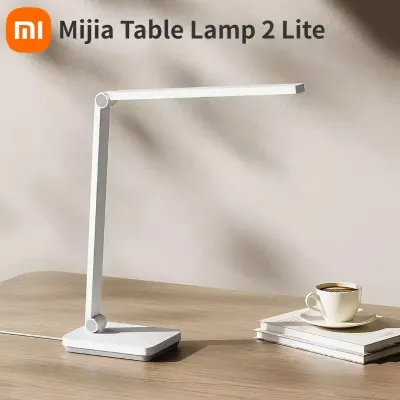
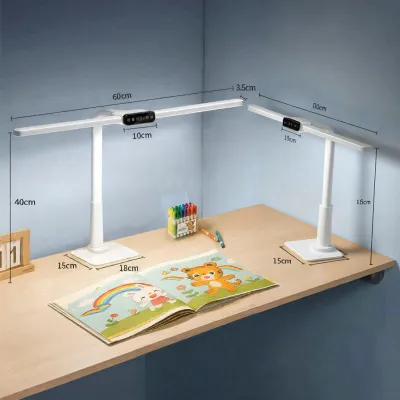
![[SG READY STOCK] USB LED Desk Lamp Double Head Study Light 3 Color Touch Dimming Eye Protection Bedroom Table Lamp](https://img.lazcdn.com/g/p/0f0fb92068d52e3ab4a9376b76f784c3.jpg_400x400q80.jpg_.webp)
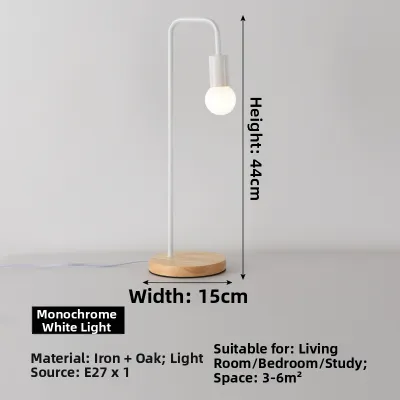
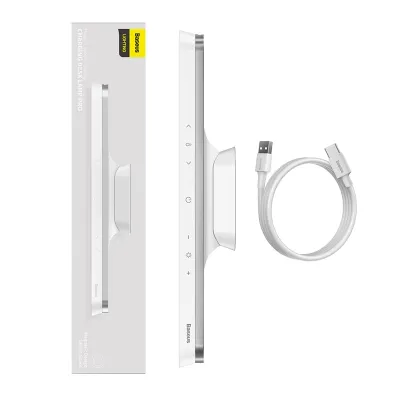
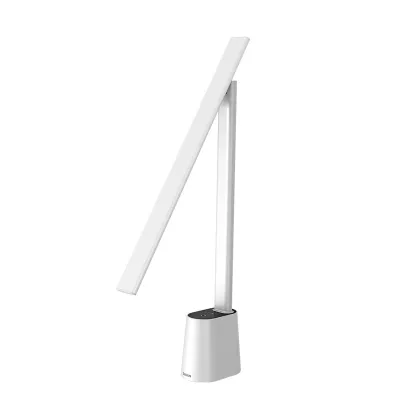
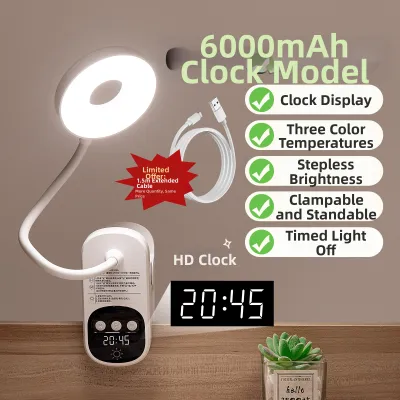
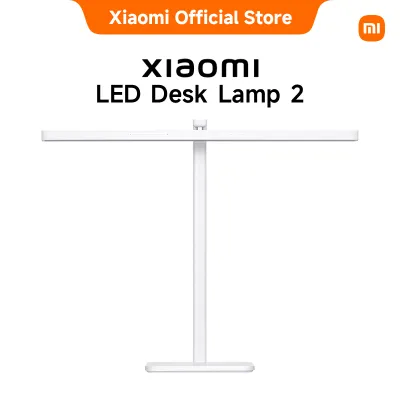
Prices are valid at publication and may change. Please refer to the product page for the latest price.
Blue light hazard is another vital consideration, particularly for late-night study sessions. Exposure to high-energy blue light can disrupt sleep cycles and cause digital eye strain. Safe lamps are tested under the IEC 62471 standard for photobiological safety. You should look for a rating of RG0 (Exempt Group), which indicates that the light source poses no blue light hazard even under continuous, long-term viewing. Avoid lamps that do not disclose their photobiological safety rating or those rated RG1 or higher for close-up study tasks.
Color rendering index (CRI) and illuminance uniformity are equally important for visual comfort. A low CRI makes colors look dull and unnatural, forcing your eyes to work harder to distinguish details. For reading and writing, select a lamp with a CRI (Ra) of 90 or higher. Furthermore, the light must be distributed evenly across your workspace. High-quality lamps specify their illuminance uniformity, ensuring there are no harsh hotspots or deep shadows on your desk. Look for a wide, uniform light distribution that covers your entire working area rather than a narrow, concentrated beam.
Finally, verify the lamp’s color temperature range and adjustability. A fixed, cool-white light (above 5000K) is excellent for high-focus daytime tasks but can be overly harsh and disruptive to sleep when used in the evening. A versatile study lamp should offer an adjustable color temperature range, allowing you to transition from a crisp, cool daylight setting during the afternoon to a soft, warm white (around 2700K to 3000K) at night. This adjustability helps maintain your natural circadian rhythm while providing appropriate illumination for different tasks.
Assessing Build Quality and Ergonomics
A lamp with excellent optical specifications can still be frustrating to use if its physical construction is lacking. Ergonomics and stability start at the base. A high-quality study lamp requires a heavy, weighted base—often constructed from steel or cast iron encased in a durable shell—to prevent the lamp from tipping over when the arm is fully extended. If you have limited desk space, a heavy-duty metal desk clamp is an excellent alternative, provided it features protective padding to avoid damaging your desk surface.

The design and tension of the arm joints determine how easily you can position the light and whether it will stay in place. Friction joints and spring-tensioned mechanical arms must be robust enough to support the weight of the lamp head without sagging over time. Look for joints that feature adjustable tension screws, which allow you to tighten the mechanism if it becomes loose after years of frequent repositioning. Avoid lamps with cheap plastic joints, as they are prone to cracking under stress and cannot be adjusted once they lose their grip.
Material selection directly influences both the durability and the thermal management of the lamp. LEDs generate heat, and if this heat is not dissipated efficiently, the lifespan and light output of the LED module will degrade rapidly. Aluminum alloy and high-grade steel are the preferred materials for the lamp head and arm, as they act as natural heat sinks, drawing warmth away from the delicate electronics. Plastic housings, while lighter and less expensive, retain heat and are far more susceptible to wear, discoloration, and structural failure over time.
Lastly, examine the user interface and cable management. Touch-sensitive control panels offer a sleek, modern look and allow for seamless, step-free dimming, but they rely on internal circuitry that can be sensitive to power surges. Mechanical switches are highly durable and reliable, though they often offer fewer brightness steps. Cable management is another indicator of thoughtful engineering; high-quality lamps route the power cable internally through the metal arm segments, protecting the wire from being pinched, frayed, or stretched during adjustments.
Comparing Brand Approaches to Study Lighting
When comparing leading study lamp brands, you will find that they prioritize different aspects of the user experience. Brands that focus on advanced optical engineering often incorporate asymmetric light distribution. Instead of projecting light straight down, these lamps use precision reflectors or lenses to direct light forward at an angle. This design ensures that the light illuminates your workspace evenly without reflecting off computer screens or shining directly into your eyes. These brands also tend to integrate smart ambient light sensors that automatically adjust the lamp’s brightness based on the surrounding room lighting.
Conversely, brands that prioritize minimalist design and architectural aesthetics focus on physical simplicity and mechanical perfection. These lamps often feature counterbalanced arm systems, machined aluminum components, and hidden joints that allow for fluid, weightless movement with the touch of a finger. While they may lack automated smart sensors or complex digital interfaces, their appeal lies in their exceptional build quality, tactile satisfaction, and ability to serve as a striking design statement in a modern study or home office.
To make an objective decision, you must cross-reference these brand-specific design philosophies with independent safety and performance certifications. Do not rely solely on a manufacturer’s proprietary marketing terms. Instead, look for recognized certification marks on the product specification sheet. For electrical safety, ensure the lamp carries relevant regional safety marks, such as the Safety Mark in Singapore, which guarantees the power adapter has been tested and approved for safe local operation. International certifications like CE, UL, and FCC further verify that the device meets strict standards for electromagnetic interference and electrical safety.
Decision Framework: Choosing the Right Lamp
To choose the ideal study lamp, you must match the lamp’s specific features to your daily habits, desk layout, and study environment. If you share a study space or work in a room with highly variable natural light, such as a home office with large windows, prioritize a model with built-in ambient light sensors and auto-dimming capabilities. These smart models continuously monitor the surrounding light levels and adjust the lamp’s output to maintain a constant, comfortable level of illumination, preventing eye strain caused by sudden changes in contrast.
If your study routine involves frequent transitions between different tasks—such as sketching on a large drafting table, reading textbooks, and typing on a laptop—prioritize physical adjustability. A lamp with a heavy-duty, multi-axis mechanical arm and adjustable joint tension is essential for these scenarios. This construction allows you to pull the light source close for detailed manual work, raise it high for broad desk coverage, or swing it completely out of the way when it is not needed, all without compromising the stability of the lamp.
For those who work primarily on computers or multi-monitor setups, screen glare is the primary cause of eye strain. In this case, verify that the lamp features specialized asymmetric light distribution or consider a dedicated monitor light bar. These designs project light in a precise, directional beam that illuminates the desk space in front of your keyboard while keeping the light completely off your screen. This eliminates distracting reflections and glare, allowing you to read physical documents comfortably alongside your digital display.
Safety, Installation, and Maintenance
Operating a study lamp safely requires attention to electrical compatibility and proper physical placement. In Singapore, the standard mains voltage is 230V at a frequency of 50Hz, utilizing Type G three-pin plugs. Before purchasing an imported lamp online, always verify that the power adapter is rated for this voltage range and carries the local Safety Mark. Using an incompatible adapter or a cheap, uncertified travel plug adapter can pose a serious fire hazard and risk damaging the lamp’s sensitive LED driver.
When installing your lamp, position the light source to minimize shadows and direct glare. As a general rule, place the lamp on the opposite side of your dominant hand—on the left side if you are right-handed, and on the right side if you are left-handed—to prevent your hand from casting shadows across your notebook while writing. Ensure the lamp head is positioned slightly below eye level or angled downward so that you cannot see the bare LED light source directly when looking up from your work.
Routine maintenance will extend the life of your study lamp and preserve its optical performance. Dust and airborne particles can accumulate on the optical diffuser over time, reducing light output and altering the light distribution. Clean the diffuser regularly by wiping it gently with a dry, anti-static microfiber cloth; never use harsh chemical solvents or abrasive materials that could scratch the optical lens. Periodically inspect the power cable for any signs of wear, kinking, or fraying, and check the mechanical joints to ensure the tension screws remain securely tightened.
Frequently Asked Questions (FAQ)
Do I need a smart study lamp with auto-dimming features?
An auto-dimming feature is highly beneficial if your study environment experiences changing ambient light throughout the day, such as a desk positioned near a window. The built-in sensor automatically balances the lamp’s output with the natural light, preventing eye strain caused by excessive contrast. However, if you primarily study at night or in a room with consistent, controlled overhead lighting, a manual dimming system is perfectly adequate and often more cost-effective, allowing you to set and maintain your preferred brightness level manually.
How often should I replace the LED bulbs in a study lamp?
Most modern high-quality study lamps utilize integrated LED modules rather than replaceable bulbs. These integrated LEDs are typically rated for a lifespan of 25,000 to 50,000 hours, which translates to over a decade of daily use under normal conditions. Because these modules are built directly into the lamp head to optimize heat dissipation, they cannot be replaced individually. When the LED eventually reaches the end of its lifespan or if the internal driver fails, the entire lamp or the light head assembly will need to be replaced in accordance with local electronic waste disposal guidelines.
Community discussion
Share your experience or ask a question. Comments are reviewed before publication.