
Choosing the right torchlight category for your Housing & Development Board (HDB) emergency kit depends on the specific role the light will play during an unexpected power outage or evacuation. There is no single brand that fits every household perfectly; instead, the ideal choice is determined by whether you require a high-power primary searchlight, a compact pocket light for navigating dark corridors, or a simple, low-cost backup for a bedside drawer.
To build a resilient emergency setup, consider this conditional decision framework:
- Premium Tactical and Outdoor Brands: Choose these if you prioritize maximum brightness, rugged drop resistance, advanced thermal regulation, and sophisticated battery management systems that ensure the light will function after years of storage.
- Everyday Carry (EDC) and Utility Brands: Opt for these if you want a practical balance of compact size, standard battery compatibility, user-friendly operation, and a design that fits easily into a standard HDB drawer or utility shelf.
- Budget and Supermarket Brands: Restrict these to secondary or tertiary backup roles where low upfront cost is your primary driver, keeping in mind that they require more frequent maintenance to prevent battery failure.
Regardless of the brand logo on the chassis, verifying the battery chemistry, charging safety features, physical dimensions, and water resistance is far more critical to your household’s safety than brand prestige alone. In Singapore’s warm, humid climate, these technical specifications dictate how reliably a torchlight will perform when the power suddenly goes out.
Products mentioned in this guide
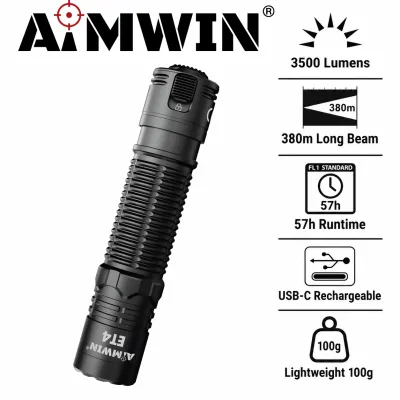
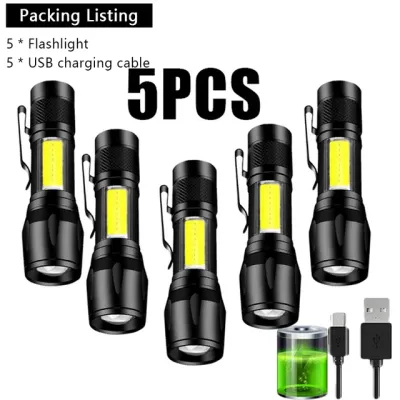
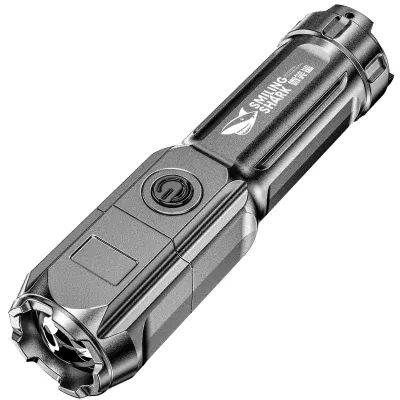
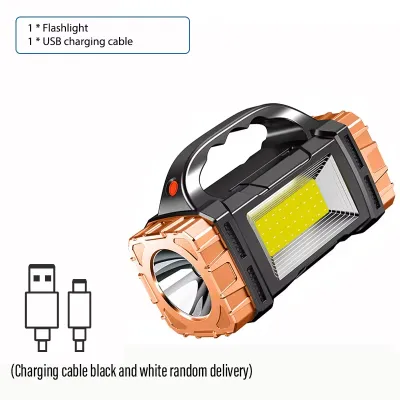
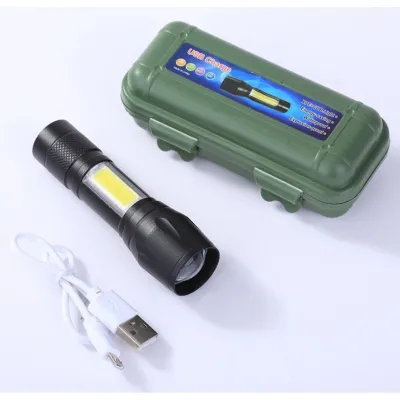
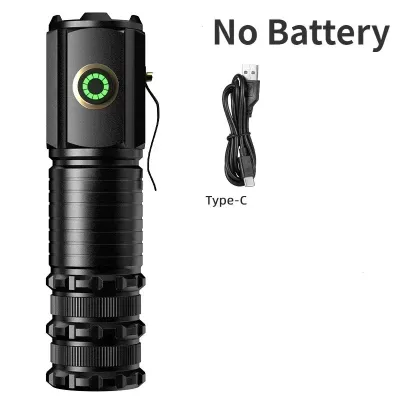
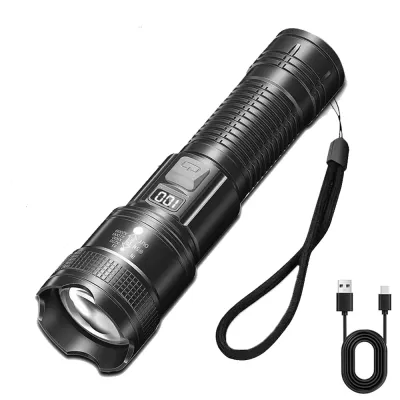
Prices are valid at publication and may change. Please refer to the product page for the latest price.
Core Comparison Dimensions for HDB Emergency Preparedness
Evaluating a torchlight for an HDB flat requires a different set of priorities than choosing a light for outdoor camping or wilderness survival. The dense, concrete architecture of HDB blocks, the layout of household shelters (bomb shelters), and the tropical climate of Singapore all influence which specifications matter most during an emergency.
Brightness and Beam Profile
When comparing torchlights, understanding the difference between a “flood” beam and a “throw” beam is essential. A flood beam distributes light widely over a short distance, making it ideal for illuminating an entire living room, kitchen, or household shelter during a blackout. A throw beam uses a highly focused reflector or lens to cast a narrow beam over a long distance, which is useful for navigating long, dark HDB common corridors or stairwells during a building-wide power failure.
While high lumen counts are often used as a primary marketing point, excessively bright lights can actually be counterproductive indoors. A beam of 1,000 lumens or more bouncing off glossy white HDB walls or tiled surfaces can cause harsh glare, temporary night blindness, and severe eye strain for your family. Therefore, a torchlight with adjustable brightness levels is crucial. Having access to a low mode of 5 to 15 lumens allows for comfortable close-up reading or navigation without blinding yourself, while reserving higher modes of 300 to 500 lumens for larger spaces or signaling.
Reliability and Power Source
An emergency torchlight is only as reliable as its power source. Households must choose between built-in rechargeable lithium-ion batteries and replaceable standard cells, such as AA or AAA alkaline or lithium batteries. Built-in rechargeable batteries offer high performance and convenience, but they slowly lose charge over time and can degrade if left empty. If a blackout lasts for an extended period, you cannot simply swap in fresh cells unless you have a charged power bank on hand.
Conversely, standard AA or AAA batteries are easy to stockpile and replace instantly. For long-term emergency storage, low-self-discharge (LSD) NiMH rechargeable batteries or primary lithium batteries are highly recommended over standard alkaline cells. Alkaline batteries are prone to leaking corrosive potassium hydroxide over time, which can ruin the internal contacts of your torchlight and render it useless when you need it most.
Additionally, Singapore’s high relative humidity can accelerate the corrosion of electrical contacts and degrade internal components. Look for torchlights with a solid Ingress Protection (IPX) rating. An IPX4 rating provides basic splash resistance, while IPX7 or IPX8 ratings ensure the device is fully sealed against moisture and dust, ensuring the internal circuitry remains dry and functional even in humid storage environments.
Value and Long-Term Cost
The true value of an emergency torchlight is not just the initial purchase price, but the total cost of ownership and reliability over a five-to-ten-year lifespan. A cheap torchlight might seem like a bargain initially, but if it fails during a crisis or requires frequent battery replacements due to parasitic power drain, its practical value drops to zero.
Premium and mid-tier brands typically offer robust manufacturer warranties, readily available replacement parts—such as silicone O-rings, tail-cap switches, and lenses—and superior build quality. They are designed to withstand accidental drops onto hard terrazzo or vinyl flooring common in HDB flats. Investing slightly more upfront in a reliable light reduces the risk of battery leakage ruining your emergency kit, saving you the cost of replacing both the light and surrounding emergency supplies.
Premium vs. Everyday Carry vs. Budget Brands: What You Actually Get
Understanding the distinct market segments of torchlight manufacturers helps clarify what you are paying for and allows you to match the right category to your household budget and preparedness goals.

Premium Tactical and Outdoor Brands
Premium tactical and outdoor brands focus on high-performance engineering, extreme durability, and advanced electronics. These manufacturers design lights for law enforcement, military, and search-and-rescue operations, meaning their products are built to survive harsh conditions.
- Typical Features: These torchlights generally feature bodies machined from aerospace-grade aluminum with Type III hard-anodized finishes to resist scratches and corrosion. They incorporate active thermal regulation to prevent the light from overheating, high-efficiency LED emitters, and advanced digital drivers that maintain constant brightness even as the battery drains.
- Best For: Households looking for a single, ultra-reliable primary light source for their emergency grab-bag, and who are willing to invest a premium for top-tier build quality, long runtimes, and comprehensive multi-year warranties.
- Limitations: These lights carry a higher upfront cost, often ranging from S$80 to over S$200. They also frequently rely on proprietary charging cables or high-drain lithium-ion batteries (such as 18650 or 21700 cells) that can be difficult to source in a pinch if you do not have a dedicated charging setup.
Everyday Carry (EDC) and Utility Brands
Everyday carry and utility brands target the general consumer who needs a dependable, highly portable light for daily tasks and emergency backup. This segment balances advanced features with practical, everyday usability.
- Typical Features: These lights prioritize compact, lightweight designs that fit comfortably in a pocket, purse, or small drawer organizer. They often feature dual-fuel compatibility, allowing them to run on either a rechargeable lithium-ion battery or standard, widely available AA/AAA batteries. Their user interfaces are typically straightforward and intuitive.
- Best For: The average HDB household seeking a highly dependable, easy-to-use light that requires minimal technical knowledge to operate and maintain, making it accessible to all family members, including children and the elderly.
- Limitations: While highly reliable, EDC lights may lack the extreme impact resistance, deep waterproofing, and massive lumen outputs found in dedicated tactical models. They can also warm up quickly if operated continuously on their highest output settings.
Budget and Supermarket Brands
Budget and supermarket brands are mass-produced, low-cost options widely available in local hardware stores, supermarkets, and online marketplaces. They are designed for casual, infrequent use.
- Typical Features: These torchlights are commonly constructed from molded plastic or thin, lightweight sheet metal. They feature basic, non-regulated circuitry, simple slide switches, and older LED chips that produce a cold, bluish light with poor color rendering. They are often sold in multi-packs and bundled with low-cost zinc-carbon or alkaline batteries.
- Best For: Secondary or tertiary backup lights placed in low-risk locations, such as a kitchen cabinet or a child's bedside table, where they serve as temporary guides until a primary light can be retrieved.
- Limitations: These lights suffer from poor thermal management, fragile plastic lenses that scratch easily, and a high risk of battery leakage if stored long-term with cheap batteries installed. They lack reliable warranty protection, and their physical switches are prone to failing after extended periods of disuse.
Essential Specs and Safety Checks Before You Buy
Before purchasing any torchlight for your HDB emergency kit, run through this practical checklist to ensure the device is safe, compatible, and practical for home storage.
- Voltage and Battery Compatibility: Always verify the input voltage requirements of your torchlight. If you are using rechargeable cells, ensure they match the exact voltage specifications of the device. Never mix different battery chemistries (such as mixing an alkaline battery with a lithium-ion battery) or combine old and new batteries in the same device, as this can cause reverse charging, battery leakage, or thermal runaway.
- Charging Safety: For torchlights with integrated USB charging ports or proprietary charging docks, ensure the internal charging circuit has built-in overcharge, over-discharge, and reverse-polarity protection. Given Singapore's warm ambient temperatures, never leave lithium-ion torchlights charging unattended on beds, sofas, or near flammable materials. Always use a high-quality, certified charging adapter.
- Physical Dimensions: Check the physical size and weight of the torchlight. Ensure it fits comfortably in your designated household shelter emergency box, drawer organizer, or grab-to-go bag. A torchlight that is too heavy or bulky is less likely to be carried if you need to evacuate your block quickly.
- User Interface and Lockout: Choose a torchlight with a physical or electronic lockout feature. A physical lockout is achieved by slightly unscrewing the tail cap to break the electrical connection, while an electronic lockout requires a specific button-press sequence. This prevents the torchlight from turning on accidentally inside a drawer or bag, which can drain the battery completely or generate dangerous heat.
- Certifications: For rechargeable models that include wall chargers or power adapters, look for recognized safety marks—such as the Enterprise Singapore Safety Mark—to ensure the charging hardware has been tested and approved for safe use with local electrical outlets.
Frequently Asked Questions (FAQ)
How many lumens do I really need for an HDB power outage?
For typical indoor HDB spaces, a torchlight offering 100 to 300 lumens is perfectly adequate for navigating rooms, reading, and performing household tasks safely. While lights with 500 to 1,000+ lumens are useful for outdoor search-and-rescue or signaling across long distances, using them inside a small room with light-colored walls creates intense, blinding glare that can cause eye strain and diminish your natural night vision.
Should I keep batteries inside the torchlight in my emergency kit?
No, you should not store torchlights with standard alkaline batteries installed inside them. Alkaline batteries are highly susceptible to leaking corrosive chemicals over time, which will destroy the torchlight’s internal contacts. For emergency kits, store standard batteries in their original packaging alongside the torchlight. If you use high-quality lithium-ion or low-self-discharge NiMH batteries, you can keep them inside the light, provided you engage the physical tail-cap lockout and inspect the charge levels every 3 to 6 months.
Are hand-crank or solar torchlights better for HDB emergencies?
While hand-crank and solar-powered torchlights offer independence from the electrical grid, they are generally less reliable as primary emergency lights. These models often use low-capacity internal batteries that degrade quickly, feature fragile plastic gears that can break under pressure, and offer very low brightness levels. They are best utilized as secondary backup options rather than the primary light source in your HDB emergency kit.
Community discussion
Share your experience or ask a question. Comments are reviewed before publication.