
Selecting the right material for a tortoise figurine involves balancing aesthetic appeal, durability, and the specific environment of your home. Whether you are looking for an intricate centerpiece or a subtle accent, the material you choose dictates not only the visual style but also the maintenance required over time. By understanding the distinct properties of resin, brass, jade, and ceramic, you can make an informed decision that complements your living space.
Quick Guide to Tortoise Figurine Materials
When choosing a tortoise figurine, consider where the piece will sit, how much handling it will receive, and your budget. Resin is highly versatile and budget-friendly, making it excellent for detailed, colorful designs. Brass offers a heavy, classic presence with exceptional durability, though it requires occasional polishing to manage its natural aging process. Jade and natural stone provide a premium, organic elegance with unique patterns, but they demand careful handling due to their weight and fragility. Ceramic and porcelain deliver a smooth, glazed finish that suits traditional and minimalist interiors alike, though they must be kept away from high-traffic zones.
Understanding Common Tortoise Figurine Materials
The material of a sculpture determines its physical presence, tactile feel, and how it interacts with light. A heavy brass piece feels grounded and substantial, whereas a glazed ceramic figurine reflects light to create a bright, clean focal point. Understanding these physical characteristics helps you choose a piece that fits the structural limits of your shelving and matches the existing textures in your home.
Products mentioned in this guide
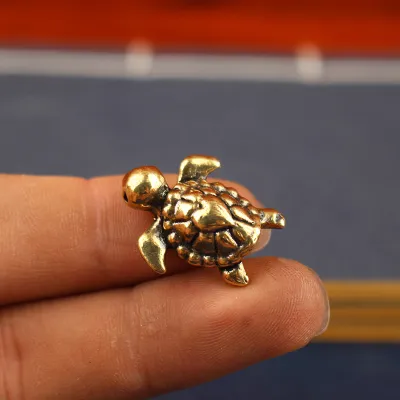
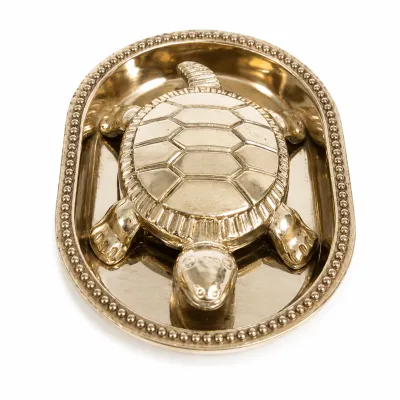
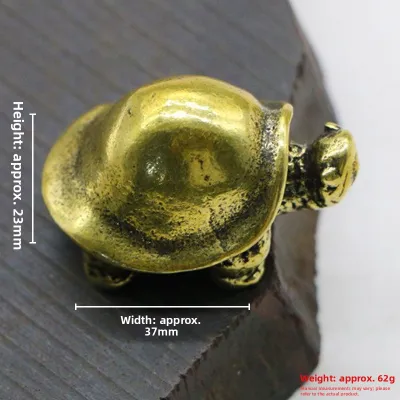
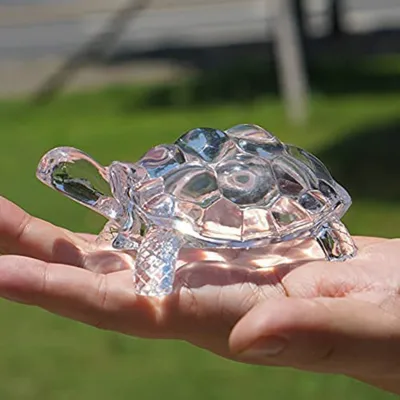
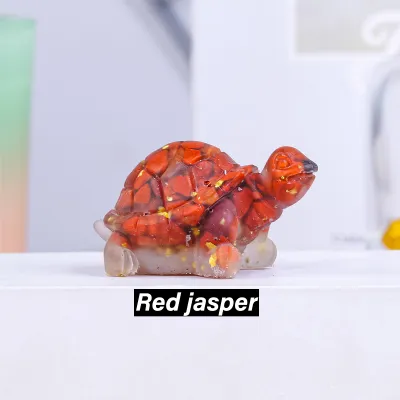
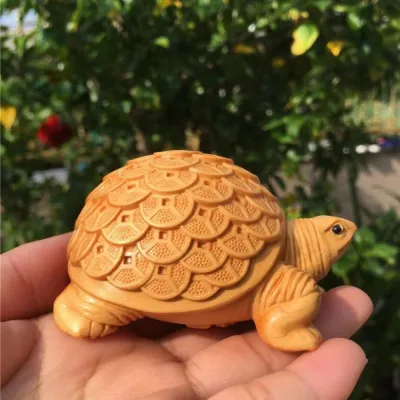
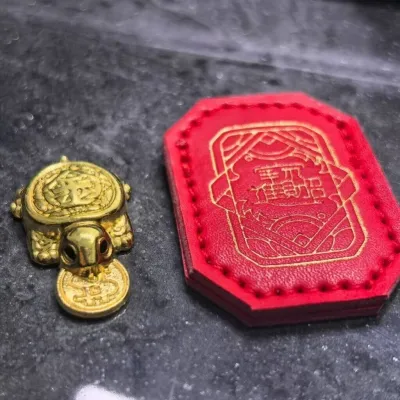
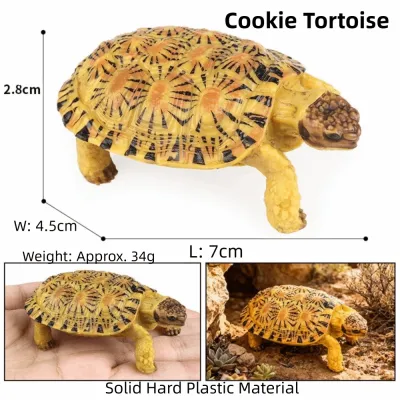
Prices are valid at publication and may change. Please refer to the product page for the latest price.

Resin and Polyresin Figurines
Resin and polyresin are synthetic materials poured into molds, allowing artisans to capture incredibly fine details, from individual shell scales to intricate facial expressions. These lightweight figurines can be painted to mimic wood, stone, or metal, offering a wide range of visual styles at an accessible price point. They are highly suitable for delicate glass shelves or wall-mounted ledges where heavier materials might pose a structural risk.
However, standard resin can degrade, fade, or become brittle when exposed to direct sunlight or high humidity, which is common in warm, tropical climates like Singapore. Always check the manufacturer’s label to confirm if the piece has been treated with UV-resistant coatings or moisture-resistant sealants before placing it on a balcony or near a window.
Brass and Metal Alloys
Brass and other metal alloys are favored for their substantial weight, classic metallic sheen, and long-term structural integrity. A brass tortoise figurine brings a sense of permanence and traditional warmth to a study, office, or living room shelf. Over time, brass naturally reacts with oxygen and moisture in the air, developing a unique, darker patina that many collectors highly value for its antique character.
While brass is incredibly durable, its polished surfaces can still scratch if dragged across hard surfaces or cleaned with abrasive tools. To maintain its appearance, check the manufacturer’s care instructions regarding whether to polish the metal back to its original shine or allow the natural patina to develop. When handling heavier metal pieces, ensure your shelving is rated for the weight to prevent sagging or accidental falls.
Jade and Natural Stone
Jade, marble, and other natural stones are highly prized for their organic beauty, featuring unique veining, natural color variations, and varying degrees of translucency. A hand-carved jade tortoise is a premium decor choice, often carrying cultural significance and serving as a timeless heirloom. Because no two pieces of natural stone are identical, each figurine offers a completely unique visual texture that cannot be replicated by synthetic materials.
However, natural stone is both heavy and brittle, meaning a fall from a shelf can easily cause irreversible cracking or chipping. It is crucial to place these figurines on stable, level surfaces away from edges and out of reach of pets or young children. Additionally, because high-quality jade and stone pieces represent a significant investment, rely on official seller documentation or certificates for authenticity rather than visual guessing.
Ceramic and Porcelain
Ceramic and porcelain figurines are celebrated for their smooth textures, elegant glazes, and rich historical connection to traditional pottery. Available in both high-gloss and matte finishes, these pieces can feature vibrant hand-painted patterns or minimalist, single-color glazes that fit seamlessly into modern decor. The reflective quality of glazed ceramic can brighten up darker corners of a room by catching ambient light.
The primary trade-off with ceramic is its high fragility and low impact resistance. A minor bump can lead to hairline fractures, chips, or complete breakage, making it essential to display ceramic tortoises in low-traffic areas, enclosed display cabinets, or areas free from household vibrations. When cleaning, avoid harsh chemical solvents or abrasive scrubbing pads, as these can permanently scratch or dull the protective glaze.
How to Match the Material to Your Decor and Needs
To select the ideal tortoise figurine, you must align the material’s physical properties with your home’s aesthetic style, household dynamics, and budget.
Aesthetic Alignment
Consider the existing textures and color palettes of your room. If your home features a modern, minimalist, or Scandinavian design, a white ceramic or matte-finished porcelain tortoise can add a clean, artistic touch. For traditional, rustic, or industrial spaces, the warm tones of brass or the detailed, earthy finishes of painted resin blend in naturally. If your decor leans toward classic luxury or organic modernism, the rich green hues of jade or the neutral tones of carved marble provide an elegant, sophisticated accent.
Durability and Household Dynamics
Evaluate the daily activity level in your household. Homes with active pets, young children, or high foot traffic require durable, shatter-resistant materials. In these environments, brass or high-quality, sturdy resin pieces are practical choices because they can withstand accidental bumps without breaking. Conversely, fragile materials like ceramic, porcelain, and natural stone should be reserved for secure, elevated spaces, such as enclosed glass cabinets or sturdy bookshelves that are well out of reach.
Budget and Long-Term Value
Your budget plays a significant role in narrowing down your options. Resin figurines are generally the most cost-effective, with many detailed options available on online marketplaces for under S$30, making them excellent for casual decor updates. Brass and ceramic pieces occupy a mid-to-high price range, typically starting around S$50 to S$150, offering a balance of durability and craftsmanship. Genuine jade and hand-carved natural stone represent the premium tier, often costing several hundred Singapore dollars, but they offer unmatched long-term value as collectible art pieces.
Placement, Care, and Maintenance Guidelines
Proper placement and routine maintenance are essential to preserving the beauty and structural integrity of your tortoise figurine over time.
Before deciding on a display location, verify the manufacturer’s environmental specifications. In humid climates, high moisture levels can accelerate the oxidation of brass or cause mold to develop on untreated porous stones and low-grade resins. Avoid placing delicate figurines in areas subject to extreme temperature fluctuations, such as directly next to air conditioning vents or in spots that receive intense, direct afternoon sunlight, which can crack ceramic glazes or fade painted resin.
For routine cleaning, always opt for the gentlest method possible. A dry, soft microfiber cloth or a soft-bristled brush is usually sufficient to remove dust from intricate crevices without scratching the surface. If a deeper clean is necessary, use a slightly damp cloth with mild, diluted dish soap, ensuring you dry the piece thoroughly afterward. Never submerge porous stones or figurines with delicate hand-painted details in water.
If you notice signs of material degradation, such as flaking paint, deep cracks in ceramic, or green powdery corrosion on brass, stop cleaning the piece yourself. For valuable, antique, or highly sentimental figurines, consult the original manufacturer or a professional art conservator to prevent further damage.
Frequently Asked Questions (FAQ)
Can I place a brass tortoise figurine outdoors?
Whether a brass tortoise can be placed outdoors depends entirely on the manufacturer’s specific weather-resistance rating. Standard indoor brass figurines will oxidize rapidly when exposed to rain, dew, and outdoor humidity, leading to a green patina or harmful corrosion that can pit the metal. If you wish to display a brass piece in a garden or on an open patio, ensure it has a protective, weather-resistant lacquer. During periods of heavy rain or extreme weather, it is best to move the figurine indoors to preserve its finish.
How do I clean a painted resin tortoise without damaging the finish?
To clean a painted resin figurine safely, avoid using abrasive cloths, stiff brushes, or harsh chemical solvents like alcohol or acetone, which can easily strip or dissolve the paint. Instead, use a dry, clean microfiber cloth to gently wipe away dust. For stubborn dirt, use a soft cloth lightly dampened with plain water or a highly diluted, mild soap solution. Always test your cleaning method on a small, hidden area of the figurine first, such as the underside of the base, to ensure the paint does not bleed or fade.
Community discussion
Share your experience or ask a question. Comments are reviewed before publication.