
Selecting the right track light brand for your home in Singapore involves balancing aesthetic preferences with technical realities like ceiling construction, electrical compatibility, and long-term maintenance. Whether you are outfitting a newly renovated HDB flat with concrete ceilings or a condominium with gypsum false ceilings, the brand you choose dictates not just the look of your fixtures but also the reliability of your entire lighting system. Instead of searching for a single universal winner, homeowners must evaluate how different brand tiers align with their specific spatial requirements, dimming needs, and budget constraints.
To make an informed decision, you must look beyond marketing buzzwords and focus on verifiable specifications. The track lighting market in Singapore is diverse, ranging from budget-friendly mainstream options found in local lighting shops to high-end architectural systems and integrated smart lighting ecosystems. By understanding the core engineering differences, pricing structures, and installation requirements of these brands, you can avoid common pitfalls like flickering lights, mismatched tracks, and premature driver failures.
Core Dimensions for Comparing Track Light Brands
Evaluating track light brands requires a structured approach that prioritizes build quality, optical performance, and system compatibility. The physical construction of the track head is the first major indicator of quality. High-quality brands typically utilize die-cast or extruded aluminum for their light housings, which provides excellent thermal management. Because LEDs are highly sensitive to heat, efficient heat dissipation is critical in Singapore’s warm, tropical climate to prevent the internal components from degrading prematurely. Lower-tier brands often rely on thin plastics or inferior alloys that trap heat, leading to rapid color shifting or early driver failure.
Products mentioned in this guide
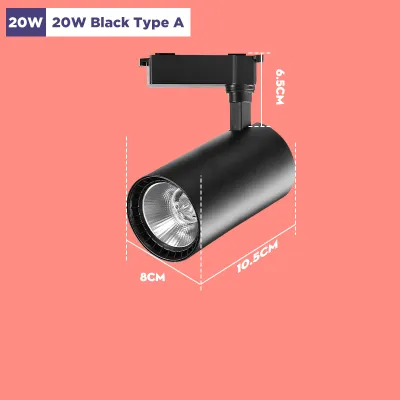
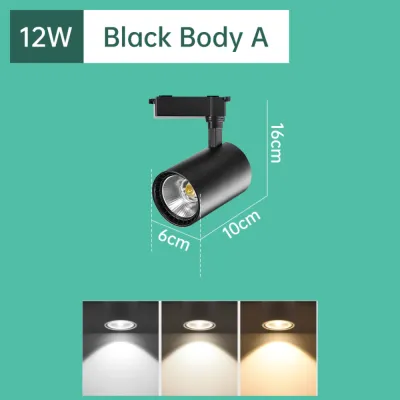
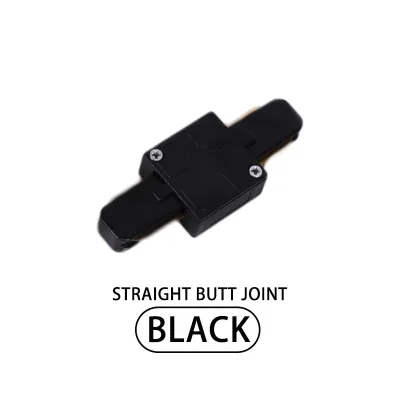
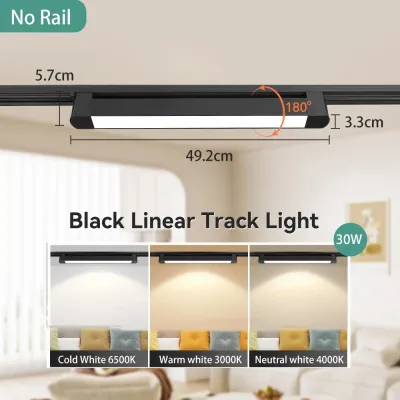
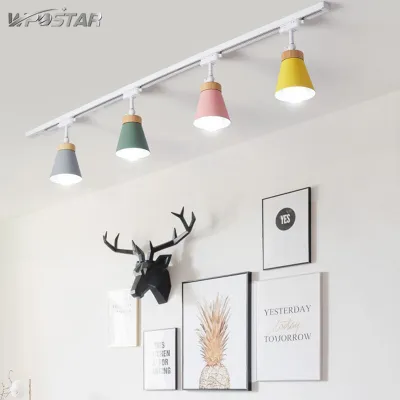
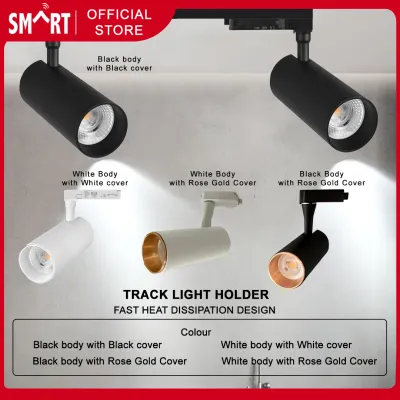
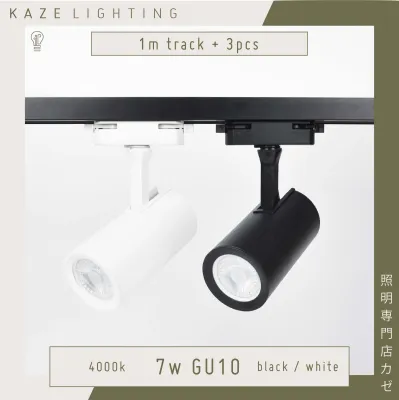
![[BUY 1 FREE 1 BULB] DFS LED LIGHT Track light Tri-tone 9W 5W 4W Gu10 Bulb](https://img.lazcdn.com/g/p/58b72f34a73ab0ccee36fd4667d0bd6f.jpg_400x400q80.jpg_.webp)
Prices are valid at publication and may change. Please refer to the product page for the latest price.
Optical performance is another critical differentiator that separates basic track lights from premium offerings. When comparing brands, look closely at the Color Rendering Index (CRI), which measures how accurately a light source reveals the true colors of objects compared to natural light. For residential living spaces, kitchens, and vanity areas, brands offering a CRI of 90 or higher are highly recommended to prevent spaces from looking dull or washed out. Additionally, consider the beam angle options provided by the brand; narrow beam angles (15 to 24 degrees) are ideal for accentuating artwork or architectural features, while wider angles (36 to 60 degrees) provide softer, more generalized ambient illumination. High-quality brands also design their fixtures with deep-set light sources or anti-glare baffles to minimize direct visual discomfort.
The underlying track system architecture is the final core dimension to analyze. Track systems generally fall into three categories: single-phase (where all lights on the track turn on and off together), three-phase (which allows you to control different groups of lights on the same track independently), and low-voltage magnetic tracks. Magnetic track systems have gained popularity for their minimalist, flush-mount appearance, but they require specialized low-voltage transformers. Before purchasing, you must verify the track type offered by a brand, as track heads are rarely interchangeable across different track profiles or different manufacturers.
Evaluating Pricing and Value Across Brand Tiers
Understanding the pricing landscape of track lighting in Singapore helps you allocate your renovation budget effectively without overpaying for unnecessary features. Mainstream residential brands represent the most common entry point, with individual track light heads typically priced between S$15 and S$40, and standard one-meter tracks costing around S$15 to S$30. These brands focus on cost-effectiveness, utilizing standard single-phase tracks and offering basic on/off functionality. They are highly suitable for general illumination in corridors, study rooms, or rental properties where specialized lighting design is not a priority.

Premium architectural brands occupy a higher price bracket, with light heads often ranging from S$60 to over S$150 each, and tracks priced accordingly. This premium pricing reflects superior engineering, such as advanced optical lenses that project clean light beams without distracting halos, high-grade aluminum finishes, and exceptionally high color rendering capabilities. Homeowners who invest in these brands are typically paying for precise aesthetic control, custom finish options (like matte black, brushed brass, or textured white), and long-term durability in high-use areas like living rooms and dining spaces.
Smart lighting ecosystems introduce a different cost structure that extends beyond the physical fixtures. While a smart track light head itself may carry a premium price tag, you must also factor in the cost of proprietary hubs, smart wireless switches, and compatible dimming modules. These systems offer immense flexibility, allowing you to adjust color temperatures from warm cozy yellow to cool functional white, set automated schedules, and control lights via mobile applications. When evaluating smart brands, consider the total cost of the ecosystem rather than just the individual light heads, as mixing smart and non-smart components can lead to control conflicts.
Electrical and Installation Compatibility Checks
Before finalizing your track light brand selection, you must ensure the system is fully compatible with Singapore’s residential electrical standards and your home’s physical structure. All track light systems must be rated for Singapore’s standard 230V, 50Hz electrical supply. When purchasing, verify that the fixtures and drivers carry recognized safety certifications, such as the local Safety Mark, which indicates the product has been tested and approved for safe domestic use. This is particularly important for integrated LED drivers, which convert the mains voltage to the low voltage required by the LED chips.
Ceiling construction plays a pivotal role in determining which track system is viable for your space. In typical Singapore HDB flats with concrete ceilings, tracks are usually surface-mounted, requiring secure anchoring to prevent sagging over time. If you are renovating a condominium or landed property with gypsum false ceilings, you have the option to install recessed or magnetic tracks, but you must ensure the ceiling’s internal support framework can handle the weight of the tracks and the transformers. Magnetic track systems, which house heavy external transformers, require strategic placement of access panels in the false ceiling to allow for future maintenance.
Dimming compatibility is another common source of installation issues. If you wish to dim your track lights using a traditional wall dimmer, you must verify that the brand’s LED drivers support the same dimming protocol as your wall switch, such as TRIAC (phase-cut) dimming or 0-10V dimming. Mismatched dimming systems can cause annoying flickering, audible buzzing, or complete failure of the driver. For smart track systems, dimming is typically handled digitally via the app or compatible smart switches, meaning you should avoid wiring them to traditional analog wall dimmers entirely.
Finally, consider the installation environment within your home. While standard track lights are perfectly suited for dry areas like living rooms and bedrooms, damp zones require extra precaution. If you plan to install track lighting in a bathroom dry zone or a covered balcony exposed to Singapore’s high humidity and occasional wind-blown rain, verify that the fixtures carry an appropriate Ingress Protection (IP) rating, such as IP44 or higher. Because track lighting installation involves fixed electrical wiring, working at heights, and structural mounting, always isolate the mains power before handling any components, and engage a licensed electrical worker to perform the installation in accordance with local wiring regulations.
Warranty, After-Sales, and Local Support
The long-term reliability of your track lighting system depends heavily on the warranty terms and the availability of local after-sales support. When comparing brands, it is crucial to read the warranty details carefully rather than relying on broad marketing promises. A comprehensive warranty should cover both the LED light source and the internal driver, as the driver is typically the first component to fail in an LED fixture. Be aware that some budget brands may offer a multi-year warranty on the aluminum housing but only a limited one-year warranty on the electronic components.
Choosing a brand with an established local distributor or an official physical showroom in Singapore offers significant advantages. If a track head or driver fails, having a local point of contact allows for rapid diagnostic testing and immediate replacement under warranty. Conversely, purchasing unbranded or parallel-imported track lights from overseas online marketplaces can leave you without recourse if a component fails, as shipping the faulty item back for warranty claims is often impractical and costly.
Furthermore, consider the long-term availability of proprietary spare parts. Because track lighting is a modular system, you may want to add, remove, or reposition light heads as your furniture layout changes over the years. Opting for a reputable brand with a stable market presence ensures that you can easily purchase matching track connectors, extra light heads, or replacement drivers in the future. If you choose an obscure or generic brand, you run the risk of the manufacturer discontinuing the specific track profile, forcing you to replace the entire track run if a single component becomes unavailable.
Decision Framework: Choosing the Right Brand for Your Space
To select the ideal track light brand for your Singapore home, you can follow a conditional decision path based on your budget, design priorities, and technical constraints. If your primary goals are cost-effectiveness, straightforward installation, and reliable general lighting, a mainstream residential brand is the most practical choice. These brands offer standard single-phase tracks that are easy to install on concrete HDB ceilings, require minimal technical setup, and utilize widely available, budget-friendly replacement parts.
If you are designing a space that showcases artwork, features high-end finishes, or requires precise architectural lighting, investing in a premium brand is highly justified. These brands provide the high CRI (90+) needed to make colors pop, precise beam angles to eliminate unwanted light spill, and sophisticated anti-glare designs that enhance visual comfort in your living or dining areas. Ensure your renovation budget accounts for the higher cost per fixture and that your interior designer coordinates the track layout early in the planning phase.
For those prioritizing convenience, automation, and lifestyle integration, a dedicated smart lighting ecosystem is the optimal path. This choice allows you to adjust the ambiance of your home dynamically, transitioning from bright cool white for working from home to warm dim tones for evening relaxation. Before purchasing a smart system, confirm that your home’s Wi-Fi network or smart hub placement can provide stable coverage to all light fixtures, and ensure your electrician understands the specific wiring requirements for smart, constantly powered circuits.
Regardless of the brand tier you choose, always perform a final pre-purchase check of your ceiling structure and electrical layout. Verify whether your ceiling is concrete or false, locate your existing electrical points, and confirm the dimming compatibility of your wall switches. Taking these steps before buying ensures a smooth installation process and prevents costly modifications during your renovation.
Frequently Asked Questions (FAQ)
Can I mix light heads from different brands on the same track?
It is highly discouraged to mix track light heads and tracks from different brands. While many single-phase tracks look similar, minor variations in track depth, copper busbar alignment, and mechanical locking mechanisms can prevent a secure connection. Attempting to force a track head onto an incompatible track can damage the copper conductors, create a poor electrical contact that leads to arcing, or cause the fixture to fall. Always verify mechanical and electrical compatibility specifications from the manufacturers, or stick to a single brand for both the tracks and the light heads to ensure safety and performance.
Do premium track light brands always offer better brightness?
No, premium track light brands do not necessarily offer higher raw brightness, measured in lumens, than budget options. Instead, premium brands focus on the quality of the light and how effectively it is directed. While a budget light head might emit a high volume of scattered, harsh light that causes glare, a premium fixture uses engineered lenses and reflectors to focus the light precisely where it is needed, reducing visual discomfort. Premium brands also prioritize high color rendering (CRI) and thermal management, ensuring the light remains stable, accurate, and visually comfortable over its lifespan.
Community discussion
Share your experience or ask a question. Comments are reviewed before publication.