
Finding the right track lighting for your Housing & Development Board (HDB) flat in Singapore involves balancing upfront costs with long-term reliability. Because HDB flats present unique structural conditions—such as concrete ceilings and standard height limits—the “best value” brand is not simply the cheapest option on an ecommerce platform. True value lies in choosing a brand that offers robust thermal management, certified electrical safety, and a modular design that adapts to your changing interior needs.
To make an informed decision, you must evaluate brands based on their technical specifications, warranty structures, and compatibility with Singapore’s electrical standards. This guide outlines how to assess track light brands against the physical realities of HDB homes, helping you secure a lighting setup that is both durable and visually effective.
Understanding HDB Ceiling Constraints Before Choosing a Brand
HDB flats typically feature a standard floor-to-ceiling height of approximately 2.6 meters. This relatively low clearance means that the physical profile of your track lighting system is a critical consideration. Choosing bulky track rails or excessively long spotlight heads can make a room feel cramped and reduce the functional overhead space. For standard ceilings, slim, surface-mounted tracks are generally preferred as they minimize visual clutter and maintain maximum clearance.
Products mentioned in this guide
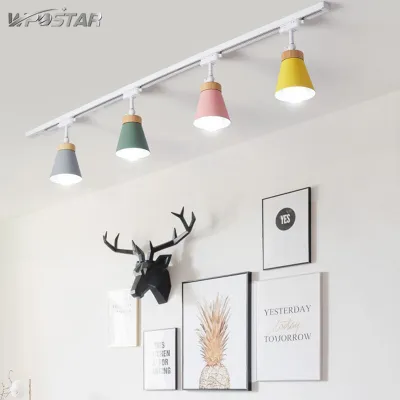
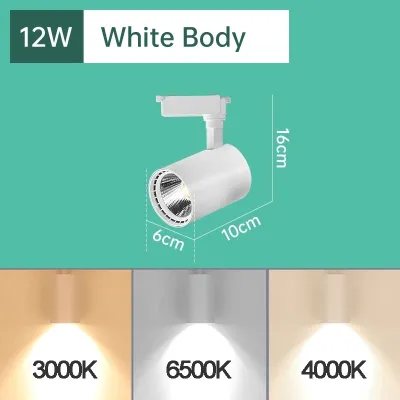
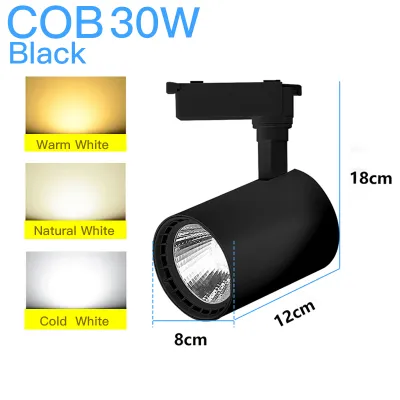
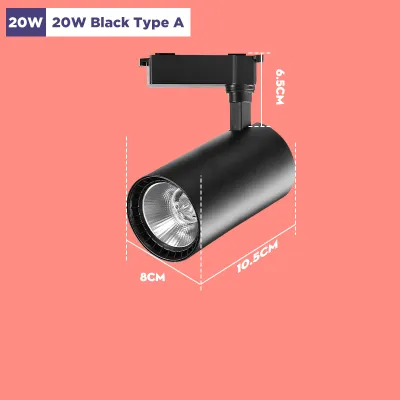
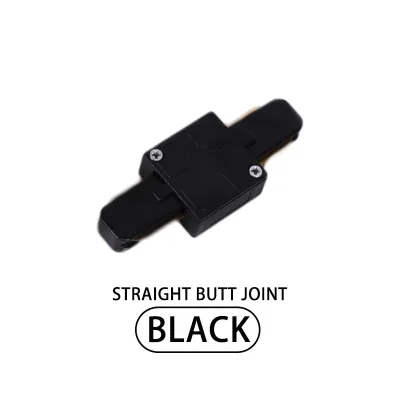
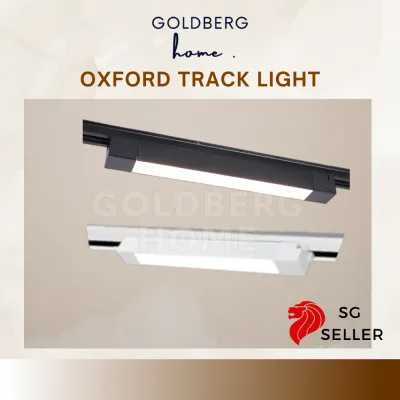
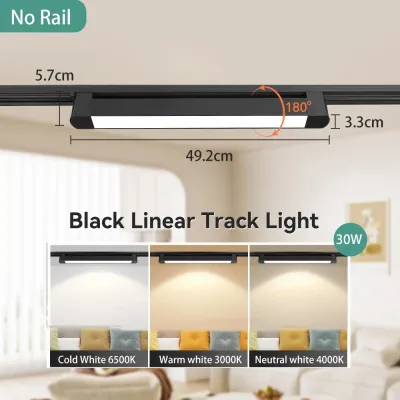
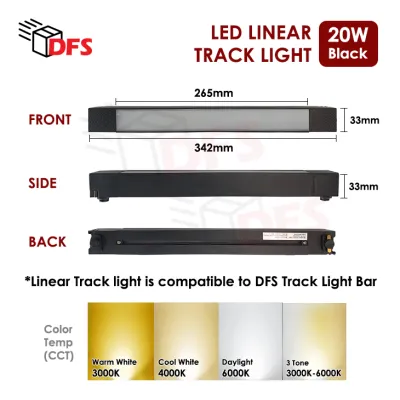
Prices are valid at publication and may change. Please refer to the product page for the latest price.
The method of wiring in your flat also dictates which track lighting brands and systems are viable. In most HDB renovations, unless you install a false ceiling, you will be dealing with solid concrete slabs. This requires surface-mounted wiring, which is typically housed in plastic casing or metal conduits. When selecting a track brand, verify that their track rails feature end-feed or center-feed connectors designed to accommodate surface-run conduits seamlessly. If you plan to install a false ceiling to conceal the wiring, you can opt for recessed track profiles, which sit flush with the plasterboard for a cleaner aesthetic.
Load-bearing capacity is another vital factor when mounting track systems. Solid concrete ceilings offer excellent support, allowing you to mount heavier track configurations and multiple spotlight heads without structural concern. However, if you are mounting tracks onto a false ceiling, the plasterboard alone cannot support heavy loads. In these scenarios, you must ensure the track is anchored directly to the metal support runners behind the plasterboard, or select lightweight aluminum track systems and low-profile fixtures to prevent sagging or structural failure over time.
Core Specifications That Define True Track Light Value
When comparing track light brands, the underlying technical specifications on the product labels reveal more about long-term value than marketing claims. The first major decision is choosing between a standard mechanical track system and a magnetic track system. Standard mechanical tracks typically use a single-phase (two-wire) system, which is highly standardized across the industry. This means you can often mix and match track heads from different brands on the same rail, provided the track profile matches. Magnetic track systems, operating on low voltage (usually 24V or 48V), offer greater flexibility for moving light fixtures but require a dedicated external transformer, which must be concealed and remain accessible for maintenance.

The build quality of the luminaire itself directly impacts its lifespan. High-quality track lights feature robust aluminum housings that act as effective heatsinks. LED chips generate significant heat at their junctions; if this heat is not dissipated efficiently, the light output will degrade rapidly, and the driver may fail prematurely. Avoid brands that rely heavily on plastic casings for high-wattage spotlights. Additionally, check the Color Rendering Index (CRI) rating on the product specification sheet. For residential living spaces, a CRI of 90 or higher is recommended to ensure that furniture, wall paint, and skin tones appear natural and vibrant under artificial light.
Modularity and adjustability are key indicators of a brand’s design maturity. A versatile track system allows you to adjust the beam angles of individual heads—ranging from narrow spot beams (15 to 24 degrees) for highlighting artwork, to wide flood beams (36 to 60 degrees) for general ambient illumination. Look for brands that offer interchangeable lenses or adjustable zoom heads. This modularity ensures that if you rearrange your living room layout in the future, you can simply adjust or swap the light heads rather than replacing the entire track installation.
Assessing Brand Reliability and Warranty Coverage
Evaluating brand reliability requires looking closely at the warranty terms provided by the manufacturer or local distributor. A common pitfall is assuming a blanket warranty covers the entire track light assembly. In reality, track lighting consists of passive components (the aluminum track rail) and active electronic components (the LED driver and the LED chip). The LED driver is the component most susceptible to electrical surges and thermal stress. When comparing brands, verify whether the warranty covers the driver and LED chip separately, and check the duration of this coverage—reliable brands typically offer at least a two-year to five-year warranty on electronic components.
Distinguishing between dedicated lighting specialists and general home improvement brands is crucial for long-term support. Dedicated specialists usually provide comprehensive technical documentation, including photometric data (IES files), clear wiring diagrams, and detailed thermal management specifications. Generalist brands may offer lower initial prices but often lack detailed technical support or a consistent supply of matching replacement parts. If a single track head fails three years down the road, a specialist brand is far more likely to stock a compatible replacement head, saving you from replacing the entire track system.
Local distributor support in Singapore is a major factor in practical value. Purchasing track lights from overseas online marketplaces might offer short-term savings, but resolving warranty claims can be slow and costly. A brand with an established local distributor, physical showroom, or service center in Singapore allows you to inspect the build quality firsthand before buying. More importantly, local support ensures that if a component fails, you can obtain a replacement quickly, minimizing the time your home is left with incomplete lighting.
Safety Boundaries and Installation Requirements in Singapore
Installing track lighting in an HDB flat involves working with fixed electrical wiring, which carries inherent safety risks. In Singapore, any modification to your home’s electrical wiring—such as extending wiring points, installing new circuits, or mounting fixed luminaires—must be carried out by a Licensed Electrical Worker (LEW) or a certified electrician. Attempting to install track systems yourself without proper qualification can lead to electrical hazards, void your home insurance, and violate local housing regulations.
Before purchasing any track lighting equipment, you must verify its electrical compatibility and safety certifications. Ensure the product is rated for Singapore’s standard mains voltage of 230V at 50Hz. Look for recognized safety marks, such as the Singapore Safety Mark, which indicates that the electrical appliance or driver has been tested and certified to meet local safety standards. Additionally, check the maximum wattage limit of the track rail itself; overloading a single track run with too many high-wattage heads can cause overheating and pose a fire hazard.
Safe physical placement is just as important as electrical safety. Track lights generate heat, particularly high-output spotlights. Ensure that the track heads are positioned with adequate clearance from combustible materials, such as curtains, wooden cabinetry, and shelving. They should also be kept away from direct exposure to heat-generating appliances or damp areas like open bathroom doors. During any installation or maintenance work, always ensure the main power supply at the distribution board (DB box) is completely isolated to prevent accidental shocks.
Frequently Asked Questions (FAQ)
Can I install track lights directly on an HDB concrete ceiling?
Yes, you can install track lights directly onto a bare HDB concrete ceiling. This is a common approach in industrial or minimalist interior designs. Because concrete is solid, the track rails must be surface-mounted using appropriate masonry wall plugs and screws to ensure a secure hold. Since you cannot hide wires inside a solid concrete slab, the wiring from the electrical point to the track will run through surface-mounted plastic trunking or metal conduits. Ensure that the track brand you choose offers compatible end-feed connectors that allow the conduit to enter the track rail neatly.
Are magnetic track lights worth the extra cost for HDB homes?
Magnetic track lights offer a premium aesthetic and unmatched flexibility, but they come with a higher price tag and specific installation requirements. Unlike standard mechanical tracks where fixtures are twisted and locked into place, magnetic fixtures simply click into a low-voltage track via magnets, making them incredibly easy to move, add, or remove without tools. However, because they operate on low voltage (typically 24V or 48V), you must install an external transformer to step down the 230V mains power. This transformer must be housed in an accessible, well-ventilated location (such as a false ceiling access panel or cabinet) for future maintenance, which adds complexity to the installation.
How do I calculate the number of track light heads needed for my living room?
To estimate the number of track light heads, start by calculating the required overall light output (lumens) for your space. For a standard HDB living room, a general guideline is to aim for approximately 100 to 150 lumens per square meter for general ambient lighting, and up to 300 lumens per square meter for task areas. Once you have the total required lumens, divide this by the lumen output of a single track light head (typically listed on the product packaging, ranging from 600 to 1000 lumens per head). For example, a 20-square-meter living room requiring 3,000 lumens of ambient light could be served by five 600-lumen heads. To avoid glare, distribute the heads along the track and use adjustable beam angles to direct light toward walls or specific functional zones rather than directly downward into seating areas.

Community discussion
Share your experience or ask a question. Comments are reviewed before publication.