
Surface-mounted slim-profile tracks and ultra-thin magnetic track systems are the most practical choices for standard 2.6m HDB ceilings. They preserve precious headroom without requiring extensive false ceiling drop-downs. If a false ceiling is desired for a fully recessed look, a minimal drop of around 50mm to 75mm is necessary, though this must be carefully balanced against the remaining vertical clearance. Selecting compact, low-profile light heads and wide beam angles further prevents the space from feeling cramped or visually cluttered.
Measuring Ceiling Clearance and Identifying Spatial Constraints
Standard HDB flats often have a nominal ceiling height of 2.6 meters, but the actual floor-to-ceiling clearance can vary. Before purchasing any track lighting system, measure the true height from the finished floor to the concrete slab. If you are planning to install thick vinyl, engineered wood, or large-format tiles, remember to subtract the estimated thickness of the flooring and screed (typically 10mm to 20mm) from your total height.
Next, calculate the physical and visual drop of your chosen track system. A standard surface-mounted track adds about 15mm to 20mm of depth, while the light heads themselves can extend another 100mm to 150mm downward. This leaves a physical clearance of roughly 2.4 meters, which is comfortable for walking but can feel visually restrictive if the fixtures are too bulky.
Products mentioned in this guide

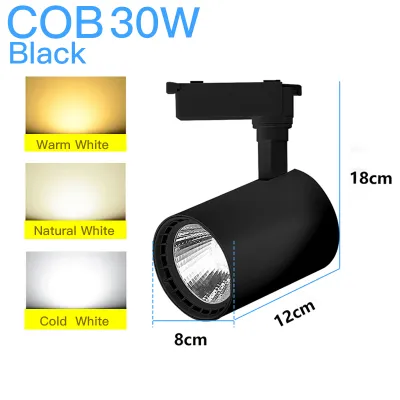
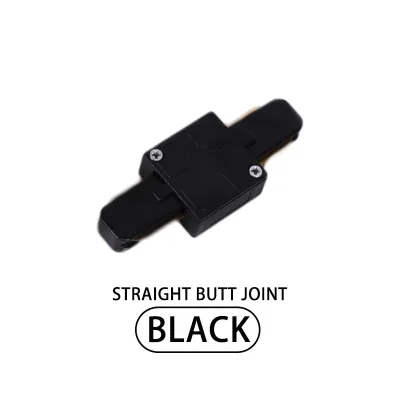
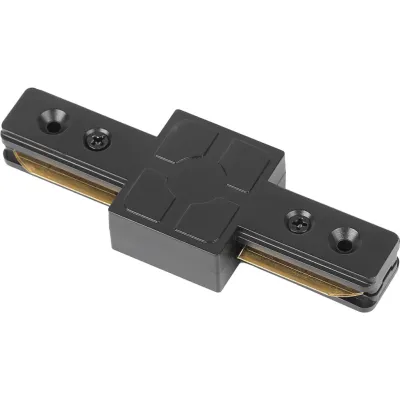
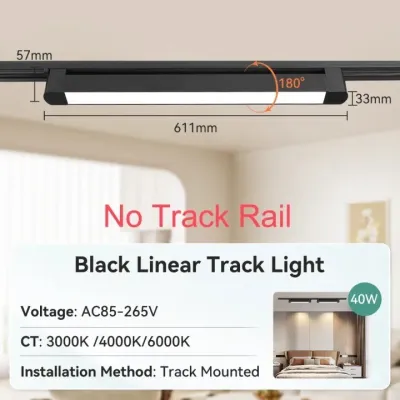
![[HomeBox] 🇸🇬 LED Track Light 6W GU10 LED Bulb included. Spot light/Feature wall light/ Replaceable LED bulb TL18](https://img.lazcdn.com/g/p/7d09e5f7e325abf3ab0ae4650a168f86.png_400x400q80.png_.webp)
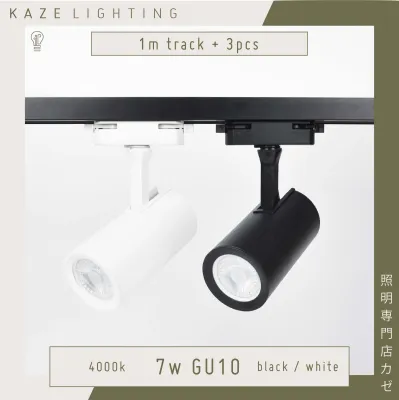
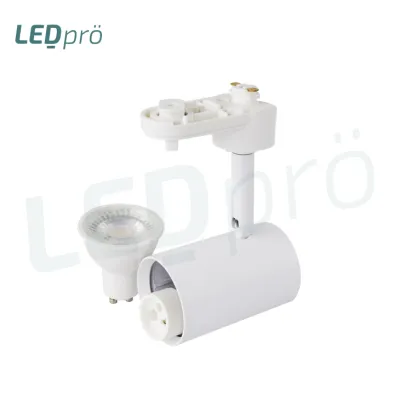
Prices are valid at publication and may change. Please refer to the product page for the latest price.
Identify any overhead obstructions that could interfere with your track layout. Structural beams, which cannot be drilled into deeply or hacked, often run across HDB ceilings and limit where tracks can be routed. Additionally, map out the positions of ceiling fans, air conditioning units, and wall-mounted cabinetry to ensure the light beams are not blocked and that fan blades have a safe clearance zone of at least 300mm from any light fixture.
Comparing Mounting Styles for Low-Headroom Rooms
Choosing the right mounting style depends heavily on whether you are working with an exposed concrete ceiling or installing a false ceiling. Each method has distinct structural requirements, installation timelines, and visual impacts on a 2.6m room.

Surface-mounted tracks are the most straightforward and cost-effective option for standard HDB concrete ceilings. Because they screw directly into the concrete slab, they require no structural modifications or false ceilings, preserving the maximum possible headroom. Modern slim-profile surface tracks are exceptionally thin, often measuring less than 20mm in height, making them blend seamlessly into the ceiling plane when painted to match.
For a completely flush, minimalist aesthetic, recessed tracks are embedded within a false ceiling. However, this requires dropping the entire ceiling by at least 50mm to 75mm to accommodate the plasterboard frame and the depth of the track channel. In a 2.6m HDB flat, dropping the ceiling to 2.5m or lower can make the space feel noticeably more enclosed, so this option is best reserved for specific zones like dining areas or entryways rather than the entire living room. This must be planned early in the renovation stage, as it requires coordination between your plasterboard contractor and electrician.
Low-voltage magnetic track systems have become highly popular due to their ultra-thin profiles. Some surface-mounted magnetic tracks are as thin as 5mm to 10mm. However, these systems run on low voltage (typically 24V or 48V) and require an external transformer or driver. In a flat without a false ceiling, finding a discreet location to house this transformer—such as inside a nearby cabinet, a distribution box, or a custom ceiling rose—is a critical design constraint that must be resolved before installation.
Selecting Profiles and Light Heads to Maximize Visual Space
The physical track is only half the equation; the size, shape, and placement of the light heads dictate how spacious the room feels. In a 2.6m ceiling environment, bulky, elongated spotlights can create a heavy visual footprint, drawing the eye downward and making the ceiling feel lower than it is.
Opt for compact, low-glare light heads that sit close to the track. Miniature cylinder spotlights or flat, linear track inserts distribute light without protruding far into the living space. Low-glare designs with recessed lenses or honeycomb louvers are particularly beneficial in low-ceiling rooms, as they prevent harsh lateral glare when you are sitting or lying down.
Match your beam angles to the room’s functional needs. Wide beam angles (40 degrees or higher) or linear floodlight inserts are excellent for general ambient lighting, as they distribute light evenly and soften harsh shadows. For accent lighting, narrow beam spotlights can highlight artwork or architectural features, but they should be positioned carefully to avoid creating intense, distracting pools of light on the floor.
Avoid hanging oversized pendants or heavy, multi-light track fixtures in high-traffic areas. Instead, leverage wall-washing techniques to enhance spatial perception. By angling track heads toward the walls rather than directly down at the floor, you bounce light off vertical surfaces. This vertical illumination tricks the eye into perceiving the room as wider and taller than its physical dimensions.
Color temperature also plays a conditional role in spatial comfort. While warm white (3000K) creates a cozy atmosphere, cool white (4000K) or daylight (6500K) can make a utility space feel brighter and more open. Whichever you prefer, ensure all fixtures on a single track share the same color temperature to maintain visual consistency.
Navigating Electrical Checks and HDB Installation Boundaries
Modifying your home’s lighting layout requires strict adherence to safety standards and local building regulations. Before mounting multiple track heads, verify your existing electrical wiring capacity. Standard HDB lighting circuits are typically rated for 10 amps, which is more than adequate for modern energy-efficient LED track lights, but you must still calculate the total wattage load to prevent overloading the circuit.
When installing surface-mounted tracks directly onto concrete, you must comply with HDB guidelines regarding ceiling drilling. Drilling into structural concrete slabs or precast beams is strictly regulated to prevent damaging the reinforcement bars (rebar) inside. Standard plastic wall plugs require shallow drilling depths (usually no more than 30mm to 40mm), which is generally safe, but you must never cut, chip, or deeply penetrate structural beams. If a track route crosses a structural beam, use adhesive-backed conduit or surface trunking rather than drilling into the beam itself.
Always isolate the mains power at the distribution board before any electrical work begins. While mounting the physical track rails can sometimes be handled by general contractors or experienced DIYers, all fixed electrical wiring, connections to the mains, and circuit modifications must be performed by a Licensed Electrical Worker (LEW) or a qualified electrician. Ensure all installed fixtures carry the appropriate safety certifications, such as the Safety Mark in Singapore, to guarantee they have been tested for electrical safety and compatibility with local voltage standards (230V, 50Hz). Additionally, verify the dimming method (such as Triac or 0-10V dimming) and base/interface compatibility of your track heads with your existing wall switches before finalizing your purchase.
Frequently Asked Questions (FAQ)
Can I install track lights directly on an exposed concrete ceiling?
Yes, surface-mounted tracks are highly suitable for exposed concrete ceilings. They are screwed directly into the concrete slab using standard masonry plugs. This installation method is ideal for 2.6m ceilings because it preserves the maximum possible headroom, requiring no false ceiling drop. Ensure your installer avoids drilling into structural steel reinforcement bars within the concrete.
How far apart should track light heads be spaced in a compact room?
In a standard HDB room, spacing track light heads approximately 50cm to 80cm apart is generally recommended. This spacing provides even light distribution without cluttering the ceiling. Because track systems allow you to slide and adjust individual fixtures, you can easily customize the spacing and angles after installation to eliminate dark corners or highlight specific furniture layouts.
Do magnetic track lights require special transformer placement in HDB flats?
Yes, magnetic track systems typically operate on low voltage (24V or 48V) and require an external transformer to step down the mains voltage. Since these transformers cannot be easily hidden inside a solid concrete ceiling, they must be planned for in advance. Common solutions include placing the transformer inside a nearby carpentry unit, a false ceiling hatch, a distribution box, or using a specialized track model that features an integrated, slimline driver box at the power feed point.

Community discussion
Share your experience or ask a question. Comments are reviewed before publication.