
To maintain comfortable headroom in a standard 2.6m HDB flat, the best track light profiles are ultra-low-profile, surface-mounted tracks paired with compact, short-body adjustable fixtures. This combination minimizes the vertical drop from the ceiling, preserving the necessary clearance for daily movement while delivering targeted illumination. Selecting the right system requires balancing spatial constraints with functional lighting needs, ensuring that the fixtures do not crowd the room visually or physically.
Standard HDB ceiling heights present a unique design challenge. Unlike high-ceiling commercial spaces where track lighting originated, residential interiors require a more delicate scale. By understanding how track profiles, fixture dimensions, and mounting methods interact, you can achieve a modern, flexible lighting scheme without compromising on comfort or safety.
Understanding Headroom and Track System Dimensions
Designing for a 2.6m ceiling requires careful calculation of vertical clearance to ensure the living space remains comfortable and safe. Standard residential ergonomics suggest that active living areas should maintain a clear headroom of at least 2.3m. This clearance prevents tall occupants from feeling enclosed and minimizes the risk of accidental contact when raising hands or moving tall furniture.
Products mentioned in this guide
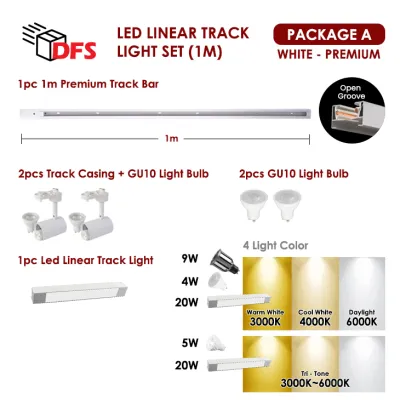
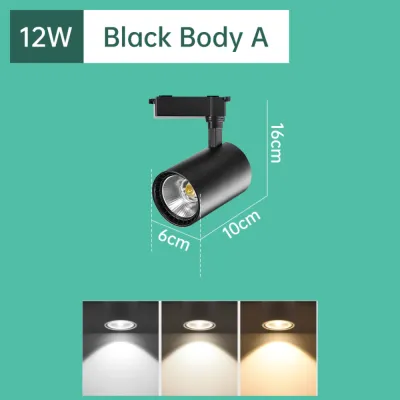
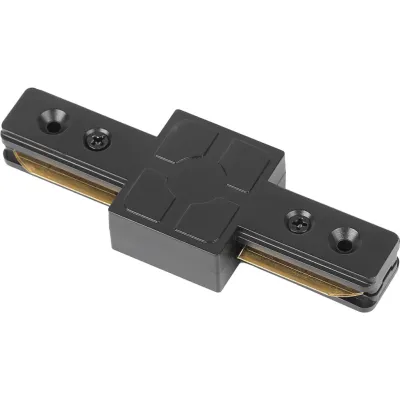
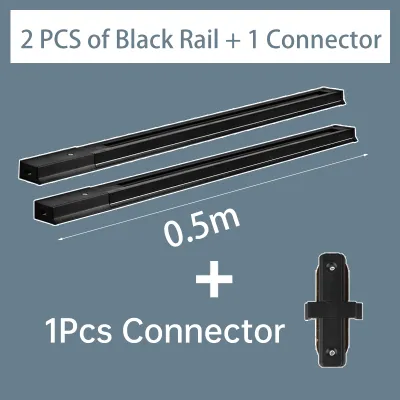
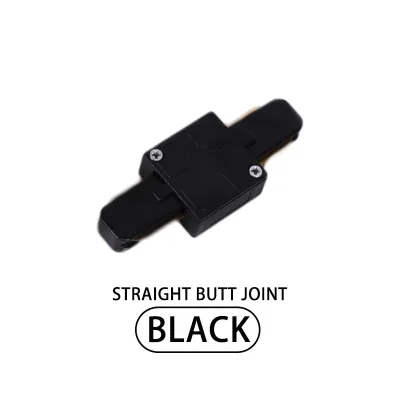
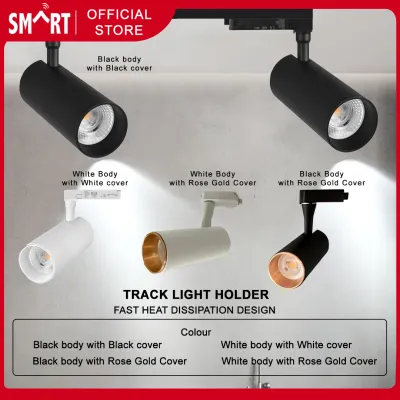
Prices are valid at publication and may change. Please refer to the product page for the latest price.
The total drop length of a track lighting system is the sum of two primary components: the thickness of the track profile itself and the maximum vertical extension of the attached light fixture. Standard surface-mounted tracks typically have a profile depth of 15mm to 20mm. When paired with a compact fixture that has a body height of 100mm to 120mm, the total drop remains well under 150mm, leaving a comfortable clearance of approximately 2.45m from the floor.
To ensure accurate spatial planning, always read the manufacturer’s specification sheets carefully. Look for detailed dimensional drawings that show the exact profile depth of the track and the full range of motion of the fixtures. Some fixtures may have a short body but a long mounting arm, which increases the overall drop. Verifying these dimensions beforehand prevents unexpected clearance issues after installation.
Surface-Mounted vs. Recessed Track Profiles
Evaluating how a track system is mounted is crucial when working with a 2.6m ceiling height. Surface-mounted low-profile tracks are the most practical choice for standard HDB flats. These tracks are secured directly onto the concrete ceiling slab, requiring no structural alterations. This method preserves the maximum possible ceiling height, keeps installation straightforward, and avoids the high labor costs associated with extensive ceiling modifications.

Recessed or plaster-in track systems offer a highly streamlined, flush appearance because the track channel is embedded directly into the ceiling plane. However, achieving this look in a standard flat requires the installation of a false ceiling. A typical false ceiling drops the original ceiling height by 100mm to 150mm to accommodate the framing and electrical wiring. This reduces the net headroom to 2.45m or less, which can make the room feel significantly smaller and more enclosed.
Before deciding on a mounting style, it is essential to understand the structural limits of your property. HDB renovation guidelines strictly prohibit any hacking, drilling, or structural alterations to the concrete ceiling slab that could compromise the building’s integrity. If you choose to install a false ceiling to house recessed tracks, always consult a qualified professional or a licensed renovation contractor to ensure the installation is safe, secure, and fully compliant with local housing regulations.
Selecting Compact and Glare-Controlled Fixtures
The physical size and design of individual track heads play a major role in how spacious a low-ceiling room feels. Bulky, elongated, or heavy fixtures draw the eye upward and create an unwanted sense of visual clutter. Opting for compact cylindrical or square fixtures keeps the lighting system in proportion with the 2.6m ceiling height, allowing the fixtures to blend unobtrusively into the background.
Because fixtures on a low ceiling are positioned closer to eye level, controlling glare is vital for visual comfort. Direct exposure to an unshielded light source can cause eye strain and discomfort. To mitigate this, select track heads designed with deep-recessed lenses or those that accommodate honeycomb louvers. These accessories help direct the light downward while shielding the bright source from direct line of sight at normal viewing angles.
Additionally, compact fixtures mounted close to the ceiling must manage heat effectively. High-output LED fixtures generate heat that, if not dissipated, can shorten the lifespan of the internal driver or damage the ceiling finish. Always verify the manufacturer’s specified heat dissipation clearances and ensure the fixtures are rated for the specific installation environment.
Strategic Layout and Positioning
A well-planned layout ensures that track lighting provides effective illumination without crowding the living space. To achieve a soft, indirect wall-washing effect, position the track approximately 40cm to 60cm away from the wall. This distance allows the light beam to spread evenly across the vertical surface, highlighting textures or artwork without creating harsh, localized hotspots or dark shadows near the ceiling.
Avoid placing adjustable track lights directly above primary walking paths, doorways, or main seating areas. When fixtures are positioned directly overhead in high-traffic zones, they are more likely to cause direct glare as people walk through the room. Instead, offset the tracks toward the perimeter of the room or over task areas like kitchen countertops and sideboards where the light can be directed constructively.
To create a comfortable atmosphere, integrate track lighting with other light sources rather than relying on it as the sole light provider. Combining track lights with ambient options, such as wall sconces, floor lamps, or under-cabinet lighting, creates a balanced, layered scheme. This approach reduces the need to run high-output, high-wattage ceiling fixtures, allowing for a softer and more versatile environment. Decorative style and perceived color temperature are highly subjective preferences, so focus first on achieving balanced light levels across these layers.
Common Installation and Selection Mistakes
One common mistake when planning track lighting is overlooking the size and placement of external transformers or drivers. Some low-voltage systems, such as 24V or 48V tracks, require a dedicated driver to function. Without a false ceiling to conceal this component, you may be forced to mount a bulky, unsightly driver box directly on the concrete ceiling, which defeats the purpose of a low-profile installation.
Another frequent error is selecting pendant-style track heads or fixtures with long suspension stems. While these designs look appealing in high-ceiling lofts, they severely compromise the limited headroom of a 2.6m flat, creating physical hazards and a cramped visual environment. Stick to flush or short-pivot adapters to keep the light source as close to the ceiling as possible.
Finally, failing to map existing electrical junction boxes before finalizing the track layout can lead to complicated wiring paths. This often results in visible, messy plastic casing running across the ceiling. Before starting any installation, verify the voltage, base interface, wattage limits, dimming compatibility, and electrical certification of your chosen system. Always isolate the power supply at the main distribution board before beginning any electrical work, and engage a licensed electrical worker to handle all fixed wiring and connections safely.
Frequently Asked Questions (FAQ)
Can I use magnetic track lights in a 2.6m HDB flat?
Yes, magnetic track lights can be used, but they require careful planning regarding their profile and power supply. Many magnetic systems are designed to be recessed, which requires a false ceiling that will lower your overall headroom. If you prefer to avoid a false ceiling, look for surface-mounted magnetic tracks with an ultra-slim profile. Additionally, because magnetic systems typically run on low voltage, you must plan a dedicated, accessible location to house the external transformer, as it cannot be easily hidden on a solid concrete ceiling.
What beam angle is best for track lights under low ceilings?
For a 2.6m ceiling height, medium to wide beam angles between 36 and 60 degrees are generally preferred. Because the distance between the ceiling and the floor or furniture is relatively short, narrow spot beams (under 24 degrees) can create intense, highly concentrated pools of light and harsh glare. A wider beam angle helps distribute the light more evenly across the space, creating a softer transition between light and shadow. Always check the fixture specifications to ensure the beam spread matches your layout and comfort preferences.

Community discussion
Share your experience or ask a question. Comments are reviewed before publication.