
For a standard 2.6-meter ceiling height in Housing & Development Board (HDB) flats, selecting the right track light ceiling configuration is a balancing act between achieving sufficient illumination and preserving precious headroom. Installing bulky or low-hanging fixtures can quickly make a room feel cramped, casting harsh shadows and creating a visually oppressive environment. The key to success lies in choosing low-profile track systems, compact light heads, and strategic layouts that maximize vertical space while delivering flexible, high-quality light.
By focusing on surface-mounted options and compact fixtures, you can maintain a clean ceiling line that draws the eye across the room rather than downward. This approach ensures that your lighting setup enhances the architectural flow of your home rather than cluttering it. Whether you are renovating a new Build-To-Order (BTO) flat or updating an older resale unit, understanding how to adapt track lighting to a 2.6m clearance is essential for a spacious, modern interior.
Evaluating Track Systems for 2.6m Clearances
When planning your installation, the first decision involves choosing how the track itself will be mounted. Surface-mounted ultra-thin tracks are highly recommended for 2.6m ceilings because they attach directly to the concrete slab, protruding minimally into the room. In contrast, recessed track systems require the installation of a false ceiling to conceal the track channel. A typical false ceiling can consume between 10cm and 15cm of vertical space, reducing your actual floor-to-ceiling clearance to 2.45m or 2.5m. This loss of height can significantly exacerbate the feeling of a low ceiling, making recessed systems less practical unless you have specific architectural reasons to lower the ceiling.
Products mentioned in this guide
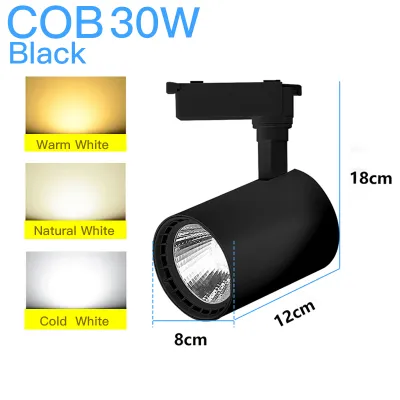
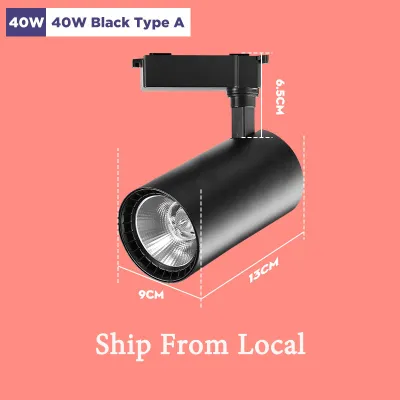
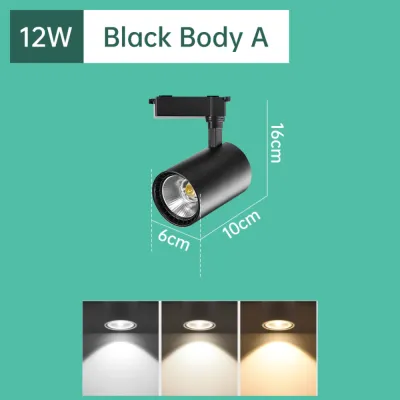
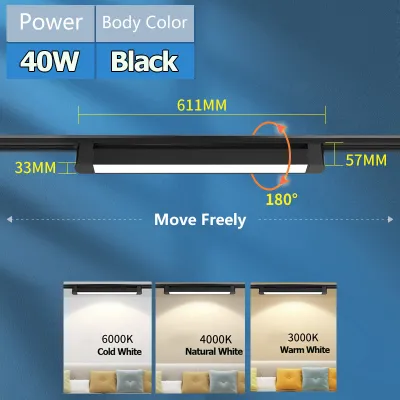
![[SG seller] LED Track light with GU10 Bulb | Goldberg Home](https://img.lazcdn.com/g/p/6f273e872f4c59db9da211689ca4b6bf.png_400x400q80.png_.webp)
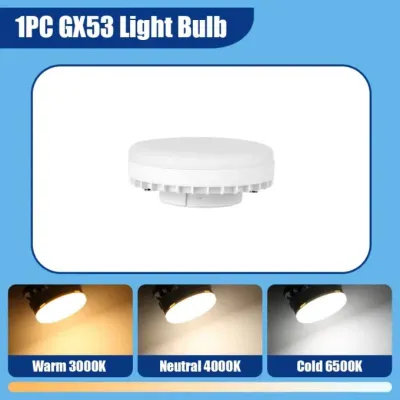
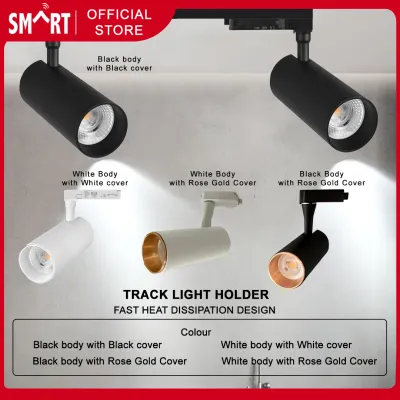
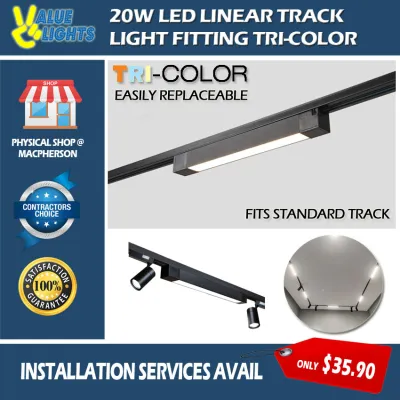
Prices are valid at publication and may change. Please refer to the product page for the latest price.
Another critical comparison is between magnetic track systems and traditional mechanical tracks. Magnetic track systems offer a sleek, minimalist appearance and allow fixtures to be clicked into place easily. However, you must evaluate the physical thickness of the track profile and the design of the integrated driver housing. Some magnetic tracks are deeper than traditional mechanical tracks, which might offset their aesthetic advantages. Traditional mechanical tracks, while slightly more conventional, often offer highly compact profiles that sit exceptionally flush against the concrete ceiling.
Before purchasing any track system, it is vital to conduct a thorough physical assessment of your space. Older HDB blocks frequently feature uneven concrete slabs due to settling or minor construction variances. Use a reliable measuring tape or laser measure to check the exact floor-to-ceiling height at multiple points across the room. Identifying any dips or slopes in the ceiling slab beforehand allows you to select a track system that can accommodate these imperfections without creating unsightly gaps or alignment issues during installation.
Choosing Low-Profile and Compact Track Heads
The choice of track heads plays a decisive role in how spacious your room feels. For a 2.6m ceiling, you should prioritize foldable, adjustable, and mini-spotlight track heads over elongated cylindrical or pendant-style fixtures. Elongated fixtures drop significantly below the track line, creating physical hazards for taller occupants and breaking up the visual plane of the ceiling. Compact, adjustable heads can be angled parallel to the ceiling or tucked closely against the track, keeping the overall profile of the lighting system as unobtrusive as possible.

Visual comfort is another major consideration in low-clearance rooms. Because the light sources sit closer to eye level, glare can easily become an issue. To mitigate this, look for anti-glare designs featuring deep-set LED chips. In these fixtures, the light source is recessed deep within the fixture body, directing the light downward or outward without exposing the bare bulb or chip directly to your line of sight. This design reduces visual harshness and creates a more comfortable, evenly lit environment.
Before finalizing your purchase, always verify the technical specifications of the track heads. Check the manufacturer’s specification sheet for the exact “drop length” or “fixture height” from the top of the track connector to the bottom of the light head. Ensure that the lowest point of the light maintains a safe and comfortable clearance above head height, particularly in high-traffic areas like walkways or living room centers. Additionally, verify the voltage compatibility, base or interface type, wattage limits, and dimming methods to ensure the fixtures align perfectly with your home’s electrical setup.
Optical and Layout Tricks to Visually Raise the Ceiling
Beyond the physical dimensions of your fixtures, how you direct and distribute light can dramatically alter the perceived height of your HDB flat. One of the most effective techniques is wall-washing. By angling your track heads to direct light vertically down the walls rather than straight down to the floor, you draw the eye upward. This vertical illumination highlights the full height of the walls, making the ceiling appear higher and the entire room feel more open and airy.
The beam angle of your track lights also influences spatial perception. For general ambient lighting, wider beam angles are preferred because they distribute light evenly across surfaces, softening shadows. Narrow spotlights should be used sparingly and primarily for accent lighting on artwork or specific features. Relying solely on narrow spotlights in a low-ceiling room creates harsh, localized pools of light on the floor, which visually chops up the space and emphasizes the short distance between the ceiling and the ground.
Color temperature is another element that shapes the atmosphere of a compact space, though its effect is largely a matter of personal preference. While cool white tones can make a space feel bright and functional, they can sometimes feel sterile or clinical in a compact HDB flat if not balanced correctly. Warm white or neutral white tones often provide a more inviting, comfortable ambiance that complements natural wood textures and soft furnishings. Whichever you choose, ensure the color temperature is consistent across all fixtures on the same track to avoid a disjointed visual effect.
HDB Installation Constraints and Electrical Safety
Installing track lighting on an HDB concrete ceiling requires careful adherence to structural and safety guidelines. HDB concrete slabs are structural elements, meaning there are strict limitations on drilling depth to prevent damage to embedded post-tension cables or structural rebars. Before any drilling begins, it is essential to understand these limits and use appropriate masonry drill bits and fasteners designed for concrete. Avoid drilling deeply or excessively in any single area.
Another practical challenge is managing the placement of bulky LED drivers or transformers, which are required for low-voltage track systems like magnetic tracks. To maintain a clean, low-profile look, look for surface-mounted tracks that feature integrated slim drivers designed to fit within the track channel itself. Alternatively, you can plan for remote driver placement, housing the transformers in accessible nearby cabinetry or service ducts. This keeps the ceiling completely free of bulky electrical boxes.
Finally, it is crucial to recognize the boundaries of do-it-yourself (DIY) work. While mounting a simple, pre-wired track might seem straightforward, any task involving fixed wiring, load-bearing assessments, or modifications to existing electrical points must be handled by a Licensed Electrical Worker (LEW) in Singapore. Always isolate the power at the main distribution board before inspecting, cleaning, or adjusting any electrical connections. Prioritizing professional installation ensures that your track lighting system is not only beautiful but also fully compliant with local electrical safety standards.
Frequently Asked Questions (FAQ)
Can I install magnetic track lights directly on a bare HDB concrete ceiling?
Yes, surface-mounting magnetic tracks directly onto a bare concrete ceiling is possible and preserves maximum vertical space. However, you must verify the track’s physical thickness and ensure the driver can either be housed within the track profile itself or hidden in nearby carpentry to maintain a clean, low-profile look.
How do I calculate the number of track light fixtures needed for my HDB living room?
Instead of relying on rigid, universal formulas, assess your room’s square footage, the specific tasks performed in different zones, and the lumen output listed on the fixture packaging. Remember to factor in light loss from dark wall colors or heavy furniture, and adjust the number of adjustable heads to distribute light where it is needed most.

Community discussion
Share your experience or ask a question. Comments are reviewed before publication.