
Setting up a sacred space for home worship in Singapore is a deeply personal and practical journey. In high-rise apartments such as Housing & Development Board (HDB) flats or condominiums, a reliable prayer altar must balance spiritual reverence with structural safety, space constraints, and fire prevention. Rather than relying on subjective brand popularity lists, identifying a trusted altar requires focusing on material integrity, craftsmanship warranties, electrical safety certifications, and compliance with local housing guidelines.
Evaluating your options involves understanding the structural differences between ready-made traditional units, custom-built carpentry, and modern minimalist furniture. Because Singapore’s tropical climate and high relative humidity present unique challenges for wood preservation, choosing the right materials and construction methods is essential for long-term durability. By focusing on objective quality markers, you can select an altar that fits seamlessly into your home while ensuring a safe, respectful environment for daily devotion.
How to Choose the Right Prayer Altar for Your Singapore Home
Selecting a prayer altar begins with a precise assessment of your living space. Modern HDB flats and condominiums typically feature standard ceiling heights ranging from 2.6 to 2.8 meters. When planning your layout, you must measure both the floor footprint and the vertical clearance of the designated area. Ensure the altar does not obstruct main walkways, doorways, or household shelter entrances, and maintain a respectful distance from bathrooms and waste chutes to align with traditional placement preferences.
Products mentioned in this guide
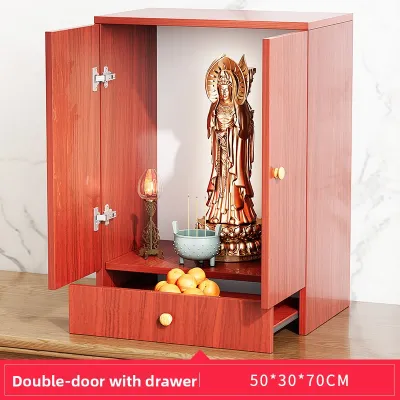
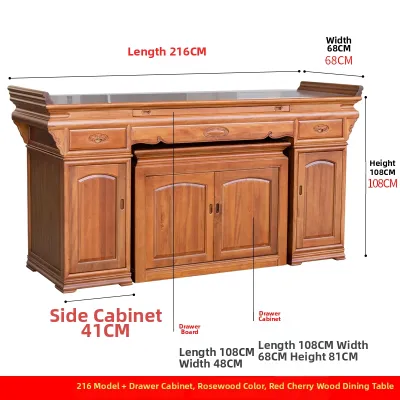
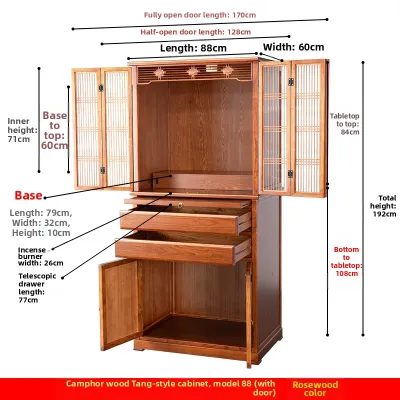
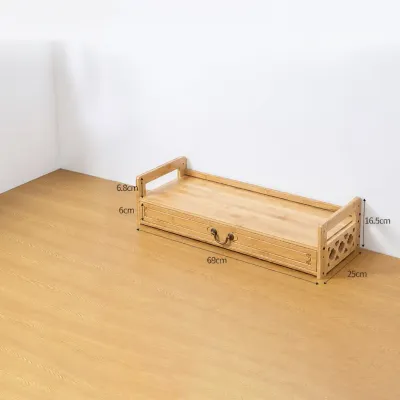
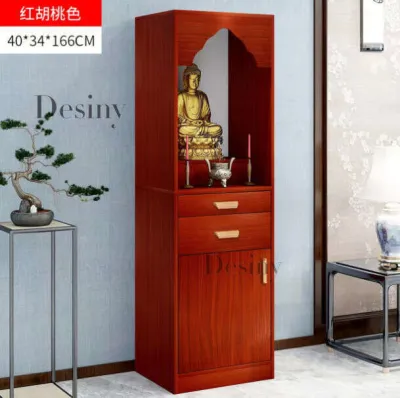
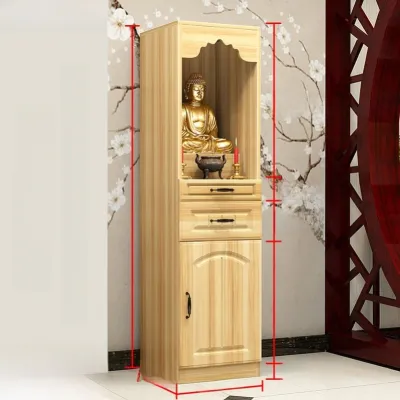
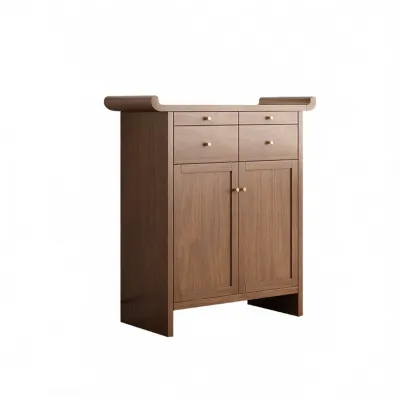
Prices are valid at publication and may change. Please refer to the product page for the latest price.
Matching the altar’s physical dimensions to your religious items is the next critical step. You must account for the height, width, and depth of your deity statues, ancestral tablets, or sacred icons. Beyond the physical objects themselves, allocate sufficient clearance for daily offerings, oil lamps, water cups, and incense burners. A common oversight is failing to leave enough vertical space above the tallest statue, which can lead to heat accumulation and smoke damage on the altar’s ceiling.
Ventilation and smoke management are paramount in enclosed, air-conditioned high-rise apartments. Burning incense and candles in a confined space can trigger sensitive optical smoke detectors or degrade indoor air quality. If you burn incense daily, place the altar in a well-ventilated area near a window or balcony where natural drafts can disperse the smoke. Alternatively, consider choosing low-smoke incense varieties or integrating an altar hood with a built-in exhaust fan to channel smoke away from living areas.
Integrating the altar into your home’s aesthetic requires balancing traditional reverence with modern interior design. Many homeowners prefer to match the altar’s wood finish and style with their existing furniture, whether it is Scandinavian, minimalist, or industrial. Modern altars often feature clean lines, light-colored wood veneers, and integrated storage to conceal prayer books, matches, and spare oils, keeping the worship space organized and clutter-free.
Where to Source Trusted Prayer Altars in Singapore
When searching for a trusted prayer altar in Singapore, “trust” is defined by material transparency, structural warranties, and reliable after-sales support. Because there is no single governing body that ranks altar brands, you must evaluate suppliers based on their manufacturing standards and material disclosures. The local market offers three primary sourcing paths, each catering to different design preferences, budgets, and space requirements.

Established Religious Supply Stores
Traditional religious supply stores, commonly located in heritage hubs like Waterloo Street, Geylang, or neighborhood town centers, offer a wide selection of ready-made altars. These specialized retailers possess deep domain knowledge regarding traditional dimensions, auspicious measurements (often guided by the Luban ruler), and specific iconographic requirements for various faiths. Purchasing from these stores often allows you to bundle the altar with matching accessories, such as brass incense burners, offering cups, and electronic lamps.
When purchasing a heavy, solid-wood unit from a traditional retailer, always ask for explicit verification of the wood’s origin and structural drying process. Solid wood that has not been properly kiln-dried is highly susceptible to cracking and warping when exposed to Singapore’s humid climate or air-conditioned environments. Ensure the retailer provides a written structural warranty that covers joint separation, wood splitting, and pest infestations for at least one to five years.
Custom Carpentry and Interior Design Studios
For homeowners with tight space constraints or specific aesthetic visions, custom-built altars designed by interior designers or local carpenters offer a seamless solution. A custom built-in altar can be integrated directly into a living room TV console, a floor-to-ceiling storage unit, or a dedicated niche. This approach maximizes vertical space and allows you to incorporate specialized features, such as pull-out preparation ledges, hidden ventilation ducts, and concealed soft-close drawers for worship supplies.
When commissioning a custom altar, select a carpenter with a proven portfolio of religious installations. Verify the exact material specifications in your contract; demand high-quality, moisture-resistant plywood or blockboard rather than standard particleboard, which can swell and sag under heavy loads. Ensure the contract explicitly details the load-bearing capacity of any suspended shelves and confirms that all wooden components are treated with anti-termite solutions prior to installation.
Modern Furniture Brands with Altar Collections
To meet the demands of younger homeowners, several contemporary furniture brands in Singapore now offer dedicated modern altar collections. These designs prioritize minimalism, utilizing clean geometric profiles, light oak or walnut finishes, and subtle, integrated lighting. These units often resemble elegant sideboard cabinets or floating wall shelves, allowing them to blend discreetly into a modern home when not in use.
If you opt for a contemporary furniture piece modified for worship, carefully inspect its functional limits. Check the maximum weight capacity of any pull-out offering shelves, as heavy brass incense burners and liquid offerings can strain weak drawer runners. Additionally, verify the heat resistance of the top surfaces; engineered wood laminates can blister or discolor if exposed to hot incense ash or the radiant heat of oil lamps.
Key Quality and Safety Features to Compare
Evaluating the craftsmanship and safety of a prayer altar requires looking closely at its materials, joinery, and electrical components. Understanding these technical aspects prevents premature structural failure and minimizes fire hazards in your home.
Solid hardwood, such as Indonesian teak, rosewood, or mahogany, is the gold standard for traditional altars due to its density, natural oils, and resistance to decay. However, solid wood is heavy, expensive, and requires regular maintenance. Engineered wood, such as high-density fiberboard (HDF) or marine-grade plywood finished with high-pressure laminates (HPL), offers a lighter, more budget-friendly alternative that resists warping. Avoid cheap, untreated particleboard, as Singapore’s high humidity will cause the fibers to expand, leading to structural sagging.
Examine the joinery techniques used in the altar’s construction. Traditional mortise-and-tenon joints provide superior strength and longevity compared to simple butt joints held together by glue and staples. Test the hardware of all moving parts; pull-out trays should utilize heavy-duty, soft-close drawer slides rated for at least 15 to 20 kilograms to safely support heavy offering bowls and burners without tipping.
If the altar features integrated electrical lighting, such as built-in LED downlights or backlit panels, you must verify the electrical specifications to prevent fire hazards. Ensure all light fixtures, wiring, and power adapters carry the Enterprise Singapore Safety Mark. The wiring must be neatly routed through protective conduits, kept entirely away from moving drawers, and shielded from direct exposure to heat, open flames, or dripping oils.
Before visiting showrooms or consulting carpenters, use the following comparison framework to evaluate different altar types:
| Feature / Dimension | Solid Wood Altar (Ready-Made) | Custom Built-In Altar | Modern Minimalist Cabinet |
|---|---|---|---|
| Primary Material | Solid Teak, Rosewood, or Mahogany | Moisture-Resistant Plywood / Blockboard | Engineered Wood with Wood Veneer / HPL |
| Humidity Resistance | High (if properly kiln-dried and sealed) | High (when finished with quality laminates) | Moderate (susceptible to edge peeling if damp) |
| Customizability | Low (fixed traditional designs) | Extremely High (tailored to exact wall dimensions) | Moderate (modular configurations available) |
| Electrical Integration | Often basic; requires manual wire routing | Seamlessly integrated into home electrical plan | Built-in low-voltage LED strips with adapters |
| Installation Method | Floor-standing or heavy-duty wall anchor | Fixed wall-mounting or integrated cabinetry | Floor-standing cabinet or light wall shelf |
| Price Band | High to Premium (S$1,200 to S$5,000+) | Premium (varies based on carpentry scope) | Moderate (S$600 to S$2,000) |
Installation Rules and Maintenance for High-Rise Homes
Installing a prayer altar in an HDB flat or condominium requires strict adherence to structural safety and housing regulations. For fixed wiring, wall-mounted installations, work at height, or suspended loads, you must follow the manufacturer’s instructions and engage a qualified professional to ensure structural and electrical safety.
When installing a wall-mounted or suspended altar, you must identify the wall type before drilling. HDB walls are typically classified as structural concrete walls (shear walls), non-structural brick walls, or lightweight partition drywalls. Drilling into structural columns or shear walls is strictly prohibited by housing authorities. For non-structural concrete or brick walls, use heavy-duty steel expansion bolts or concrete anchors. If you must mount an altar on a drywall partition, you must locate the internal metal studs to anchor the mounting brackets securely; standard drywall plugs cannot support the weight of a heavy wooden altar and its contents.
Electrical safety is critical for altars that remain illuminated 24 hours a day. Avoid overloading your wall sockets by daisy-chaining multiple extension cords or adapters. If your altar requires power for multiple LED lights, electronic incense burners, and decorative rotating lamps, use a single, high-quality multi-way socket strip equipped with surge protection and an Enterprise Singapore Safety Mark. Ensure the main power plug is easily accessible so you can safely isolate the power supply before cleaning the altar or when leaving your home vacant for an extended holiday.
Maintaining your altar preserves its structural integrity and aesthetic appeal. Establish a routine maintenance schedule using these practical steps:
- Dusting Delicate Carvings: Clean intricate wooden carvings weekly using a dry, soft-bristled brush or a clean microfiber cloth. Avoid using damp cloths on unsealed wood, as moisture can trap dust in the crevices and promote mold growth.
- Polishing Brass Components: Clean brass incense burners, offering cups, and candle holders using a specialized metal polish. Always remove these items from the wooden altar surface before polishing to prevent chemical residues from staining or stripping the wood finish.
- Checking for Warping and Pests: Inspect the back panels, drawer bases, and wall joints every six months for signs of wood warping, joint separation, or termite activity. Look for fine wood dust, small exit holes, or mud tubes, which indicate a pest infestation requiring immediate professional treatment.
- Safe Ash and Residue Cleaning: Gently sweep or vacuum fallen incense ash promptly. Ash can be abrasive and acidic; leaving it on a varnished surface can permanently dull the finish. Use a slightly damp cloth with a mild, pH-neutral soap to clean oil spills, drying the surface immediately afterward with a soft towel.
Frequently Asked Questions (FAQ)
Can I install a wall-mounted prayer altar in an HDB flat?
Yes, you can install a wall-mounted prayer altar in an HDB flat, provided you comply with structural safety guidelines. You must identify the composition of the wall before proceeding. Non-structural brick or concrete walls can support heavy loads when secured with high-quality sleeve anchors or expansion bolts. If you are mounting the altar to a gypsum drywall partition, you must anchor the brackets directly into the internal metal studs, as drywall alone cannot bear heavy, cantilevered loads. For heavy solid-wood units, always consult a licensed contractor or qualified carpenter to ensure secure anchoring and prevent structural collapse.
What is the best wood material for a prayer altar in a humid climate?
Kiln-dried solid Indonesian teak is widely considered the best wood material for prayer altars in Singapore’s humid climate. Teak contains natural oils that make it highly resistant to moisture, warping, rot, and termite infestations. If your budget or design preferences favor engineered wood, ensure the altar is constructed from high-quality marine plywood or blockboard finished with high-pressure laminates (HPL). Always verify that all edges are completely sealed with PVC banding to prevent ambient humidity or spilled liquid offerings from penetrating the core material and causing it to swell.
How do I safely integrate LED lighting into a wooden altar?
To safely integrate lighting into a wooden altar, use low-voltage, low-heat LED strips or puck lights (typically 12V or 24V) rather than high-wattage halogen or incandescent bulbs. Ensure that the LED driver (power adapter) carries the Enterprise Singapore Safety Mark and is positioned in a well-ventilated area outside the main wooden enclosure to dissipate heat. All electrical wiring must be neatly routed through protective conduits, kept clear of sliding drawers or pull-out shelves, and positioned far away from open flames, warm oil lamps, or hot incense burners. If your altar design requires hardwiring into your home’s electrical grid, you must engage a licensed electrician to perform the installation.
Community discussion
Share your experience or ask a question. Comments are reviewed before publication.