
Decorating your home with cultural artifacts allows you to express personal values while adding depth to your interior design. Among the various animal motifs used in global decor, the turtle stands out as a cross-cultural symbol of longevity, stability, and wisdom. Across Asia, different artistic traditions have interpreted this creature through unique materials, forms, and philosophical lenses. Whether you are drawn to the structured symbolism of Chinese carvings, the minimalist elegance of Japanese metalwork, or the organic warmth of Southeast Asian woodcraft, there is a style to suit almost any home aesthetic.
Selecting the right turtle decoration requires more than just picking an attractive object. It involves understanding the cultural narrative behind the piece, evaluating how its materials will interact with your home’s environment, and ensuring its physical characteristics match your display spaces. By taking a thoughtful approach to your selection, you can find an artifact that not only enhances your living space visually but also carries a deeper sense of meaning and craftsmanship.
Understanding Turtle Symbolism Across Cultures
To fully appreciate a cultural artifact, it is helpful to understand the symbolic meaning it carries within its tradition of origin. In Chinese culture, the turtle is one of the four celestial animals, alongside the dragon, phoenix, and tiger. It is deeply associated with longevity, strength, and stability. Because of its long lifespan and protective shell, the turtle is traditionally viewed as a guardian figure that brings steady, grounding energy to a household. In classical spatial arrangements, it represents the northern direction and the element of water, symbolizing support and endurance.
Products mentioned in this guide
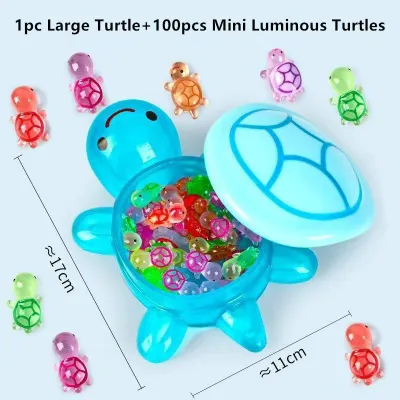
Prices are valid at publication and may change. Please refer to the product page for the latest price.
In Japanese tradition, the turtle, or kame, is similarly revered as a symbol of good fortune and longevity, traditionally said to live for ten thousand years. A particularly famous motif is the minogame, a mythological turtle that has lived so long it has grown a long, flowing tail of seaweed. This imagery represents the beauty of aging, resilience, and a deep connection to the natural world. Japanese representations often emphasize these naturalistic and mythological qualities, focusing on the quiet dignity of the creature rather than purely geometric forms.
Southeast Asian interpretations of the turtle often highlight its connection to the earth, water, and local artisan heritage. In many regional folklore traditions, the turtle is seen as a patient, wise creature that supports the earth or guides travelers safely across water. These decorations often reflect a close relationship with nature, utilizing local materials and organic shapes that celebrate the region’s rich biodiversity. Rather than being strictly ceremonial, Southeast Asian turtle motifs are frequently integrated into functional folk art, representing community craftsmanship.
Identifying Your Home Aesthetic and Display Needs
Before purchasing a turtle decoration, it is essential to evaluate your existing interior design to ensure the piece complements your space. The material finish of the artifact plays a significant role in how it integrates with your room’s style. Highly polished jade, glazed porcelain, or bright brass pieces fit well in classic, formal, or transitional interiors. Conversely, raw wood, unglazed clay, matte stone, or oxidized metals are better suited for rustic, industrial, bohemian, or minimalist spaces where texture and natural variation are celebrated.

You must also assess the physical constraints of your display areas, such as floating shelves, console tables, mantelpieces, or floor stands. Heavy stone, solid bronze, or cast iron figurines require sturdy, stable surfaces that can safely support their weight. Before placing a heavy artifact, verify the weight capacity of your shelving units and ensure the surface is level. For delicate glass or polished wood surfaces, look for pieces with protective felt backing, or add adhesive felt pads yourself to prevent scratches.
Environmental factors are another crucial consideration, particularly in tropical climates like Singapore. High relative humidity can cause untreated metals to tarnish rapidly and may encourage mold growth on unsealed wood, rattan, or natural fibers. Direct sunlight streaming through large windows can fade painted finishes, dry out certain woods, or cause composite resins to become brittle over time. To preserve your artifact, choose materials that suit your room’s microclimate, ensure the display area is well-ventilated, and keep delicate pieces away from direct afternoon sun.
Exploring Chinese Turtle Decorations
Chinese turtle decorations are characterized by their rich symbolism, structured forms, and use of traditional materials. One of the most common variations is the classic turtle carving, which often features detailed carapace patterns representing the heavens and the earth. Another popular mythological variation is the dragon turtle (longgui), a creature with the body of a turtle and the head of a dragon, often depicted sitting on a bed of coins. This hybrid figure combines the protective, long-lived qualities of the turtle with the success and power associated with the dragon.
When shopping for Chinese-style turtle decor, you will find a wide variety of traditional materials. Jade is highly prized for its cool texture and association with purity and moral virtue. Cast bronze and brass pieces offer a classic, weighty feel and often develop a beautiful patina over time. Glazed ceramics, such as celadon or colorful Sancai glazes, provide a vibrant yet elegant option that catches the light beautifully. Cloisonné enamel, featuring intricate wirework filled with colorful glass paste, offers a highly detailed and decorative choice for formal settings.
In terms of placement, Chinese turtle decorations are traditionally positioned to maximize visual balance and harmony. Heavy stone or bronze turtles are often placed near the rear of a room or facing inward from an entrance to symbolize stability and support. If you are displaying a dragon turtle, it is commonly placed on a study desk or office shelf to inspire focus and steady progress. When arranging these pieces, avoid placing them in high-traffic pathways where they might be easily knocked over, and ensure they are displayed at an appropriate height to be appreciated.
Exploring Japanese Turtle Decorations
Japanese turtle decorations are celebrated for their minimalist design, subtle textures, and deep appreciation for natural materials. Unlike more ornate styles, Japanese representations often focus on simple, clean lines that capture the essence of the creature’s form. You will frequently find depictions of the minogame, where the flowing seaweed tail is rendered with delicate, organic curves that give a sense of gentle movement to an otherwise static object. This focus on simplicity and natural beauty aligns perfectly with the principles of Zen and Wabi-Sabi.
The materials used in Japanese turtle decor reflect a preference for earthy, tactile surfaces. Cast iron, particularly in the traditional Nambu tekki style, is highly sought after for its heavy weight, dark matte finish, and subtle pebbled texture. Unglazed ceramics (yakimono), such as Bizen or Shigaraki ware, showcase the natural color and texture of the clay, with unique markings left by the wood-firing process. Finely carved local woods, such as Hinoki cypress or cedar, offer a warm, aromatic option that highlights the natural grain and craftsmanship of the artisan.
To integrate Japanese turtle decorations into your home, focus on creating a sense of quiet contemplation. These pieces work exceptionally well in modern minimalist, Zen, or Wabi-Sabi interiors. Place a single cast iron or ceramic turtle on a low wooden bench, a console table, or a dedicated display alcove (tokonoma). The key is to surround the artifact with ample negative space, allowing its form and texture to stand out without competing with other decorative items. This minimalist approach creates a calm, focused focal point in any room.
Exploring Southeast Asian Turtle Decorations
Southeast Asian turtle decorations are known for their warm, organic appeal, vibrant craftsmanship, and use of sustainable natural materials. Artisans across countries like Indonesia, Thailand, and Vietnam often hand-carve these pieces from local hardwoods, weave them from natural fibers, or hammer them from sheet metal. The resulting artifacts carry a distinct handmade quality, with slight variations in shape, color, and texture that make each piece unique.
Teak wood is a highly popular material for Southeast Asian carvings due to its rich golden-brown color, beautiful grain patterns, and natural resistance to moisture and pests—making it highly durable in humid climates. Woven rattan or bamboo turtles offer a lightweight, textured alternative that adds a casual, organic feel to a space. Hand-hammered brass or copper pieces provide a rustic, warm metallic accent, while terracotta and earthenware figurines offer a grounded, rustic charm with their warm, reddish-clay tones.
These decorations are ideal for tropical, bohemian, or eclectic home styles. Their earthy color palettes and organic shapes pair beautifully with indoor houseplants, linen curtains, and other natural wood furniture. You can display a hand-carved teak turtle on a coffee table, nestle a woven rattan piece among potted ferns on a plant stand, or place a terracotta figurine on an outdoor patio shelf. The casual, nature-inspired aesthetic of Southeast Asian decor brings a relaxed, warm, and welcoming vibe to your living environment.
How to Evaluate and Select Cultural Artifacts
When selecting a cultural turtle decoration for your home, it is important to evaluate the quality and authenticity of the piece to ensure it meets your expectations. Start by checking the manufacturer’s specifications and material labels. Verify whether a piece is made from solid natural materials, such as genuine jade, solid bronze, or sustainably sourced teak, or if it is cast from a composite resin. While resin reproductions can be highly detailed and budget-friendly, they lack the weight, durability, and natural aging characteristics of authentic materials.
Next, closely inspect the craftsmanship and structural integrity of the artifact. For carved wood or stone pieces, look for clean, deliberate cuts and a consistent finish across the entire surface. Check that the base of the figurine is completely flat and stable so it does not wobble or tip over easily. If you are purchasing a heavy metal or stone item, inspect the bottom for protective padding; if none is present, consider adding self-adhesive felt pads to protect your furniture from scratches.
Finally, verify the seller’s descriptions regarding the cultural origin and sourcing of the artifact. Reputable sellers and specialized importers should be able to provide clear information about where the piece was made, the materials used, and the artisan traditions behind it. Avoid products with vague or overly generic labels that blend distinct cultural styles together. Investing in a well-documented, high-quality piece ensures that your decoration is not only a beautiful addition to your home but also a respectful representation of the culture it honors. Prices can range from under S$30 for small, mass-produced ceramic pieces to several hundred dollars for hand-carved artisan works, allowing you to find an option that fits your budget.
Frequently Asked Questions (FAQ)
How should I clean and maintain delicate cultural artifacts?
To keep your turtle decorations looking their best, dust them regularly using a soft, dry microfiber cloth or a clean, soft-bristled brush to reach into intricate carvings. Avoid using harsh chemical cleaners, household detergents, or excessive water, as these can strip natural oils from wood, damage delicate ceramic glazes, or accelerate the tarnishing of metal patinas. Always check the manufacturer’s care instructions for material-specific guidelines. If you are dealing with a highly fragile, antique, or valuable piece, it is best to consult a professional conservator before attempting any deep cleaning or restoration.
Can I mix different cultural turtle styles in one room?
Yes, you can successfully mix different cultural styles of turtle decorations in a single room by focusing on visual balance and scale. To prevent the space from feeling cluttered or disjointed, group the pieces intentionally rather than scattering them randomly. You can create a cohesive display by placing them on a shared wooden tray, aligning them along a similar color palette, or pairing them with complementary natural elements like stones or plants. Ensure that each artifact has sufficient negative space around it so that its unique design features can be appreciated individually without overwhelming the room’s overall aesthetic.
Community discussion
Share your experience or ask a question. Comments are reviewed before publication.