
Selecting the perfect decorative crystal sculpture requires an understanding of the material itself. While many pieces are labeled simply as “crystal,” this term covers a diverse range of glass formulations, each with its own physical properties, manufacturing processes, and visual characteristics. The choice between traditional lead crystal, modern lead-free alternatives, and high-tech optical glass directly influences a sculpture’s brilliance, weight, durability, and cost.
By understanding how these materials differ, you can select a piece that not only complements your interior design but also fits your lifestyle and maintenance preferences. Whether you are looking for a highly detailed heirloom figurine or a sleek, modern abstract sculpture, knowing what to look for ensures your investment brings lasting beauty to your living space.
What Separates Decorative Crystal from Standard Glass?
At their chemical core, both standard glass and decorative crystal share a primary ingredient: silica sand. Standard glass, commonly known as soda-lime glass, combines this silica with sodium carbonate and calcium oxide. While highly functional for windows and basic glassware, standard glass lacks the optical purity and refractive properties required for fine decorative art.
Products mentioned in this guide
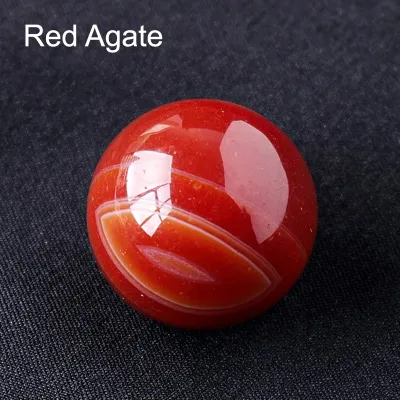
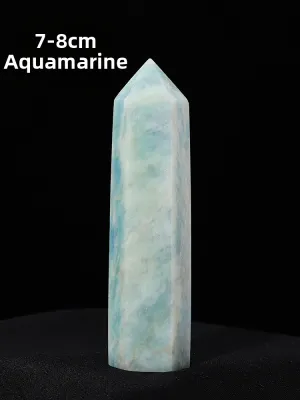
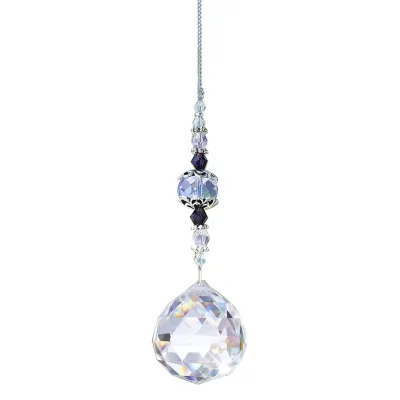
Prices are valid at publication and may change. Please refer to the product page for the latest price.
To transform basic glass into crystal, manufacturers introduce specific mineral additives, such as lead oxide, barium, zinc, or potassium. These minerals alter the molecular structure of the glass, significantly increasing its density and its refractive index. A higher refractive index means that light bends more sharply as it passes through the material, splitting into a vibrant spectrum of colors that creates the characteristic rainbow sparkle associated with premium crystal.
Additionally, these mineral additives lower the melting point of the glass and extend its working temperature range. This makes the molten material highly malleable, allowing artisans to mold intricate details and blow complex shapes that would be impossible with standard glass.
Once cooled, mineral-enhanced crystal is softer than standard glass. This physical softness is a major advantage for craftsmanship, as it allows artisans to cut deep, sharp facets and highly detailed patterns using specialized wheels without causing the material to shatter or chip. The result is a level of detail and geometric precision that standard glass simply cannot match.
Core Crystal Materials for Sculptures and Figurines
When shopping for decorative sculptures, you will encounter three primary categories of crystal. Each material offers a distinct balance of clarity, weight, and durability.

Traditional Lead Crystal
Historically, lead crystal has been the benchmark for luxury decorative figurines. To be classified as full lead crystal in most international markets, the material must contain at least 24% lead oxide by weight. Premium heritage brands often increase this content to 30% or more to maximize the material’s optical performance.
The high lead content gives these sculptures an unmistakable liquid-like clarity and a warm, deep brilliance. Lead crystal is exceptionally heavy, giving even small figurines a satisfying, substantial weight when held. It also possesses unique acoustic properties; when gently tapped, a high-quality lead crystal piece produces a clear, bell-like ring that resonates for several seconds.
Because lead crystal is relatively soft, it is the preferred medium for traditional, hand-cut designs. Artisans can carve deep, intricate geometric patterns that catch and scatter light in spectacular patterns. However, because of its softness, lead crystal is more susceptible to surface scratches and requires careful handling.
Modern Lead-Free Crystal
In response to environmental considerations and evolving manufacturing standards, modern lead-free crystal has become highly prominent. To achieve the brilliance and weight of traditional lead crystal without using lead, manufacturers formulate this glass using alternative metal oxides, primarily barium oxide, zinc oxide, or potassium oxide.
High-quality lead-free crystal offers exceptional clarity and a high refractive index that is virtually indistinguishable from traditional lead crystal to the untrained eye. To enhance durability, some manufacturers also introduce titanium oxide into the mix, which makes the glass significantly harder and highly resistant to scratching and chipping.
This added strength makes lead-free crystal an excellent choice for contemporary sculptures that feature large, smooth surfaces or delicate, protruding elements. It provides the luxurious look and feel of traditional crystal while offering greater structural resilience, making it highly suitable for active households.
Optical and K9 Crystal
Optical crystal represents a modern, high-tech approach to decorative glass. Originally developed for scientific instruments, camera lenses, and laboratory prisms, this material is manufactured under extremely strict quality controls to eliminate all internal impurities, bubbles, and striations.
K9 crystal is a specific type of optical borosilicate crown glass that utilizes silica, boron, potassium, and sodium. It has become the industry standard for modern, mass-produced decorative sculptures and luxury lighting components due to its exceptional clarity, high refractive index, and relatively low production cost.
- Aesthetic Profile: Optical and K9 crystals have a cool, ultra-clear, and clinical appearance compared to the warmer, heavier look of lead crystal.
- Weight and Sound: These materials are lighter than leaded crystal and do not produce a sustained, musical ring when tapped.
- Design Versatility: Because of its extreme purity and structural stability, optical crystal is the primary medium for 3D laser-engraved sculptures, where computer-controlled lasers create highly detailed, suspended images inside a solid block of crystal without damaging the polished exterior.
Matching the Crystal Type to Your Decor and Lifestyle
Choosing the right crystal sculpture involves balancing aesthetic preferences with the practical realities of your home environment and budget.
Traditional lead crystal pieces, with their intricate cuts and classic motifs, are best suited for formal, traditional, or eclectic interior design styles. Because they are delicate and highly valuable, these sculptures are ideally displayed in secure, glass-fronted cabinets. In tropical environments like Singapore, where open shelving can quickly accumulate fine dust, a closed display cabinet protects these intricate, hand-cut facets from dust buildup and minimizes the need for frequent cleaning.
For contemporary, minimalist, or industrial spaces, optical or lead-free crystal sculptures are highly complementary. Their clean lines, sharp geometric angles, and flawless transparency align perfectly with modern furniture and neutral color palettes. Because lead-free and optical crystals are more durable and scratch-resistant, you can safely display them on open consoles, side tables, or writing desks in high-traffic areas.
Budget is another important consideration. Hand-cut, full-lead crystal sculptures from historic European design houses command premium prices, often starting from several hundred Singapore dollars and reaching into the thousands. If you want to make a bold visual statement on a moderate budget, K9 and optical crystal sculptures offer a highly accessible entry point, delivering impressive brilliance and modern styling at a fraction of the cost.
Finally, consider how the sculpture will interact with your home’s lighting. Faceted lead crystal thrives under direct, warm spotlights, which highlight the depth of the cuts and scatter vibrant rainbows across the room. On the other hand, optical crystal sculptures look spectacular when paired with modern, integrated LED light bases, which pass cool, intense light through the flawless material to illuminate internal laser engravings or minimalist silhouettes.
How to Verify Crystal Quality and Authenticity Before Buying
With many standard glass and plastic items marketed under the name “crystal,” knowing how to verify the authenticity and quality of a sculpture before purchasing is essential.
Begin with a thorough visual inspection under bright, direct light. High-quality crystal should be completely free of internal bubbles, cloudy patches, or wavy lines (known as striations). Examine the edges of the cuts; authentic cut crystal features sharp, crisp facet lines, whereas cheap molded glass often has rounded edges and visible seam lines where the two halves of the manufacturing mold met.
If you are shopping in person and can safely handle the piece, perform a weight and acoustic check. Lift the sculpture to gauge its density; true crystal should feel surprisingly heavy for its size due to its mineral content. If the piece is sturdy and has an exposed edge, gently tap it with your fingernail. A clear, ringing tone that sustains for several seconds indicates lead or high-quality barium crystal, while a dull, short thud suggests standard glass or acrylic.
When shopping online or purchasing from contemporary brands, rely on detailed product specifications rather than visual guesswork. Look for explicit material labels such as “24% Lead Crystal,” “Barium Crystal,” or “K9 Optical Glass.”
Avoid products that use vague terms like “crystal glass,” “crystalline,” or “crystal-clear” without providing a detailed breakdown of the mineral composition, as these terms are frequently used to market standard soda-lime glass or low-grade plastics at inflated prices.
Material-Specific Care, Cleaning, and Safety Guidelines
Proper maintenance is vital to preserve the clarity and brilliance of your crystal sculptures over time.
For routine maintenance, dust your sculptures weekly using a soft, dry microfiber cloth or a natural feather duster. This prevents abrasive dust particles from settling into the facets and scratching the surface.
When a deeper clean is required, wash the sculpture by hand in a clean basin lined with a soft towel to prevent accidental chipping. Use lukewarm water and a few drops of mild, pH-neutral dish soap.
- Avoid Harsh Chemicals: Never use ammonia-based glass cleaners, abrasive sponges, or acidic solutions like vinegar or lemon juice, as these can react with the mineral content of lead crystal, leading to permanent surface clouding or degradation.
- No Dishwashers: Never place crystal sculptures in a dishwasher. The combination of high heat, harsh detergents, and turbulent water can easily scratch, cloud, or crack delicate decorative pieces.
- Prevent Thermal Shock: Avoid exposing crystal to rapid temperature changes, such as rinsing a cold piece in hot water, as thermal shock can cause immediate internal cracking.
- Display Safety: Decorative crystal sculptures are strictly intended for display purposes and are not food-safe.
- Handling Precautions: Always wash your hands thoroughly after handling vintage, unsealed, or heavily oxidized lead crystal pieces, which can sometimes develop a fine, white powdery residue on the surface.
If you own a highly valuable antique crystal figurine that has suffered physical damage, deep clouding, or persistent staining, avoid DIY grinding or chemical polishing. Instead, consult a professional glass conservator who specializes in decorative arts to safely restore the piece and preserve its long-term value.
Community discussion
Share your experience or ask a question. Comments are reviewed before publication.