
Selecting the right essential oil diffuser depends on how you prioritize scent strength, maintenance, and how the device interacts with your indoor environment. If you want a strong, pure, undiluted aroma profile and do not mind higher oil consumption, a nebulizing diffuser is the ideal choice. For those seeking a budget-friendly, multi-functional device that offers a soft mist with lower oil usage, an ultrasonic diffuser fits best. If silence, simplicity, and localized scenting are your main priorities, a heat diffuser is the most practical option.
How Ultrasonic, Nebulizing, and Heat Diffusers Work
Understanding the mechanical principles behind each diffuser type helps set realistic expectations for their performance, noise levels, and daily setup. Each technology handles essential oils differently, altering how the aroma is dispersed into your living space.
Ultrasonic diffusers rely on a small ceramic disc or transducer located at the bottom of a water reservoir. When the device is powered on, this disc vibrates at an ultrasonic frequency, creating rapid waves that agitate the water. This vibration breaks the water and essential oil mixture down into microscopic droplets, turning it into a fine, cool mist. A small built-in fan then pushes this mist upward and out into the room, dispersing both moisture and scent simultaneously.
Products mentioned in this guide
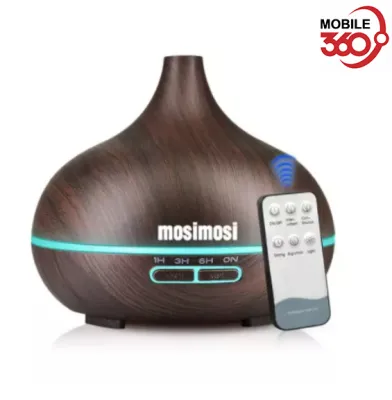
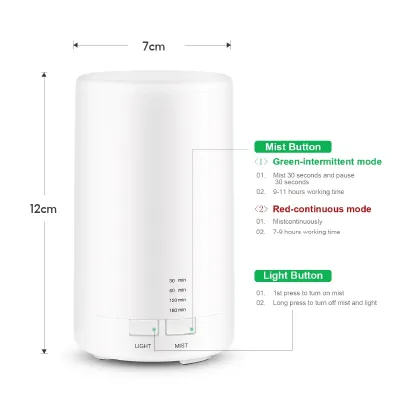
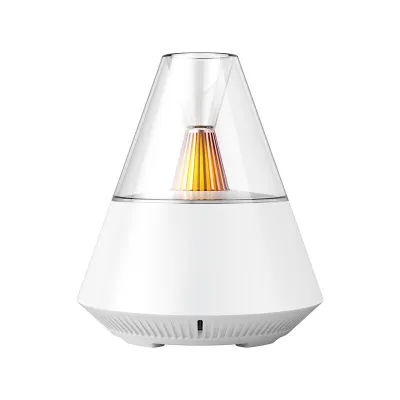
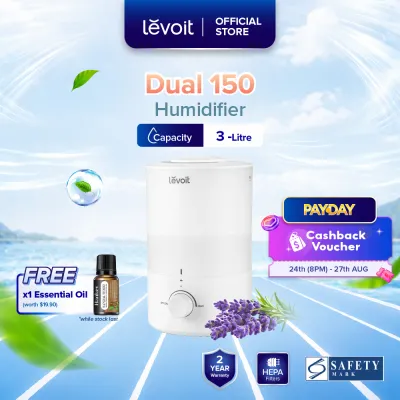
![[SG] VELS Automatic Aroma Diffuser Rechargeable Digital Essential Oil Fragrance Machine Air Humidifiers Toilet Diffuser](https://img.lazcdn.com/g/p/490e68fa7bffe66a1b92e4494e6be9f6.jpg_400x400q80.jpg_.webp)
Prices are valid at publication and may change. Please refer to the product page for the latest price.
Nebulizing diffusers operate without water or heat, utilizing a pressurized air pump and a specialized glass nozzle. This technology relies on Bernoulli’s principle of fluid dynamics. The pump forces a high-velocity stream of air across a narrow tube, creating a vacuum that draws pure essential oil up from the reservoir. As the oil meets the high-speed air stream, it is atomized into an ultra-fine dry vapor of pure oil particles. This vapor is then released directly into the air, providing an immediate and highly concentrated aroma.
Heat diffusers use thermal evaporation to release scent into the surrounding environment. These devices feature a small tray or dish positioned above a heat source, which can be an electric heating element, a low-wattage light bulb, or a simple candle flame. When essential oil is placed in the dish, the heat warms the liquid, accelerating its natural evaporation process. The scent molecules rise and drift into the air naturally, without the aid of fans, pumps, or vibrating components.
Scent Intensity, Throw, and Oil Consumption
The way a diffuser processes essential oil directly impacts the strength of the scent, how far it travels, and how quickly you will need to replenish your oil collection. Balancing these factors is essential for managing both your sensory experience and your ongoing expenses.

Nebulizing diffusers deliver the highest scent intensity and the widest throw of all three technologies. Because they disperse undiluted essential oil, the resulting aroma is robust, immediate, and represents the true, unaltered profile of the botanical extract. However, this high performance comes at a cost. Nebulizers consume essential oil rapidly, often using several milliliters of oil in a single session. If you plan to run your device frequently, this rapid consumption can significantly increase your long-term oil expenses.
Ultrasonic diffusers offer a moderate, highly adjustable scent throw that is ideal for daily use. Because the essential oil is diluted in a water tank, the aroma is softer, more gradual, and less overwhelming than that of a nebulizer. This dilution makes ultrasonic models highly oil-efficient. A few drops of oil mixed with water can provide a steady, pleasant scent for several hours. This makes ultrasonic diffusers a highly economical choice for budget-conscious users who want to enjoy aromatherapy without constantly purchasing new oil bottles.
Heat diffusers provide a localized, subtle scent profile that is best suited for intimate spaces. The throw is generally limited to the immediate vicinity of the device, making it perfect for a desk or bedside table. However, the quality of the scent can vary depending on the temperature control of the device. Excessive heat from open flames or high-wattage elements can degrade the delicate chemical compounds in essential oils, sometimes altering the aroma or reducing its therapeutic qualities. Gentle, temperature-controlled electric heat diffusers are much better at preserving the original scent profile.
When evaluating long-term cost-efficiency, it is important to factor in the price of essential oils. High-quality, pure essential oils can range from S$15 to over S$80 per bottle depending on the botanical source. A nebulizing diffuser that runs continuously can quickly deplete these bottles, leading to high recurring costs. In contrast, an ultrasonic diffuser maximizes the mileage of each drop, making your investment in premium oils last much longer. Heat diffusers are also economical with oil usage, though they may require ongoing purchases of tea light candles or replacement bulbs.
Maintenance, Cleaning, and Daily Operation
Every diffuser type requires a specific maintenance routine to ensure optimal performance, prevent mechanical failures, and maintain a hygienic environment. Neglecting these routines can lead to reduced scent output, unpleasant odors, or even device damage.
Ultrasonic diffusers require regular cleaning to prevent mold, bacteria, and mineral buildup. Because water sits in the reservoir, stagnant moisture can quickly become a breeding ground for microbes, which are then dispersed into your air during operation. To prevent this, you should empty the water tank after every use and wipe it dry. Additionally, minerals from tap water can form a crust on the ultrasonic transducer disc, reducing its vibration efficiency. Regular descaling with white vinegar or citric acid is necessary to keep the disc clean and functioning properly.
Nebulizing diffusers do not deal with water mold, but they face a high risk of clogging. The microscopic tubes within the glass nebulizing nozzle can easily become blocked by thick, viscous essential oils like patchouli, vetiver, or sandalwood. To maintain a clear pathway, you must clean the glass reservoir regularly by running a small amount of isopropyl alcohol through the device, or by soaking the glass parts to dissolve stubborn oil residue. If left uncleaned, dried oil can permanently clog the nozzle, rendering the pump ineffective.
Heat diffusers are the easiest to maintain, requiring minimal daily upkeep. Since there are no water tanks, fans, or complex nozzles, cleaning usually involves simply wiping away any sticky oil residue from the ceramic or metal dish with a damp cloth and a mild soap. However, you must monitor the physical components of the device. For electric models, this means checking the lifespan of the heating element or bulb, while candle-powered models require regular replacement of tea lights and monitoring of soot buildup.
Operational noise is another important factor to consider for your daily comfort. Ultrasonic diffusers are relatively quiet, producing only a gentle, rhythmic water-dripping sound and a soft internal fan hum that many users find soothing. Nebulizing diffusers, on the other hand, contain a mechanical air pump that produces a noticeable vibration or humming sound during its operation cycle. While some modern nebulizers feature insulated pumps, they are generally louder than ultrasonic models. Heat diffusers operate in complete silence, making them the preferred choice for light sleepers and quiet workspaces.
Safety, Room Size, and Environmental Conditions
Matching your diffuser to your physical space, household safety needs, and local climate is crucial for a comfortable and hazard-free experience. A device that works perfectly in a large, dry room might cause issues in a small, humid environment.
Always check the manufacturer’s specifications for maximum room coverage limits and built-in timer settings before purchasing. Nebulizing diffusers are powerful enough to scent large, open-concept living rooms or high-ceiling spaces effectively. Ultrasonic diffusers are better suited for medium-sized bedrooms or offices where the mist can disperse evenly. Heat diffusers are strictly for small, localized zones, as their passive evaporation cannot cover larger areas.
In naturally humid environments like Singapore, where relative humidity often exceeds 80 percent, adding extra moisture to the air requires careful consideration. Ultrasonic diffusers release a continuous stream of water vapor. In closed, air-conditioned rooms or poorly ventilated spaces, this added moisture can elevate indoor humidity levels, potentially promoting the growth of mold on walls, curtains, and wooden furniture. If you live in a highly humid climate, a nebulizing or heat diffuser is often a more practical choice, as they disperse scent without introducing any additional moisture into your home.
Safety boundaries must also be established based on your household members. Heat diffusers that rely on open-flame candles present an obvious fire hazard and must never be left unattended, especially in homes with curious pets or young children. Even electric heat diffusers can become hot to the touch and should be placed out of reach. For nebulizing diffusers, the high concentration of pure oil vapor can quickly saturate a small room. It is important to use built-in timers or interval settings to avoid sensory overload, respiratory irritation, or exposing sensitive pets to excessive oil concentrations.
Before plugging in any electrical diffuser, verify its electrical safety certifications. In Singapore, look for the Safety Mark on the power adapter to ensure the device has been tested and approved for local electrical standards. Always isolate the power supply by unplugging the device before cleaning or performing maintenance. Additionally, ensure your chosen model features an automatic shut-off function. This safety feature is especially critical for ultrasonic diffusers, as it automatically cuts power to the transducer when the water reservoir runs dry, preventing overheating and potential electrical hazards.
Decision Framework: Choosing the Right Essential Oil Diffuser
To make your final decision, evaluate your personal priorities, spatial constraints, and budget against the unique characteristics of each diffuser type.
Choose a nebulizing diffuser if your primary goal is maximum scent intensity and you want to experience the purest, unaltered aroma of your essential oils. This type is ideal for large living areas, open-concept homes, and users who do not mind a higher ongoing budget for purchasing essential oils. It is also the perfect option if you want to avoid adding any humidity to your indoor air.
Choose an ultrasonic diffuser if you prefer a versatile, budget-friendly device that offers a soft, adjustable scent throw. This option is highly economical, making a single bottle of essential oil last for a long time. It is well-suited for medium-sized bedrooms, study rooms, and users who enjoy the visual appeal of a gentle mist and built-in ambient lighting, which remain conditional preferences based on your personal style.
Choose a heat diffuser if you require absolute silence, minimal maintenance, and a simple, compact device for localized scenting. This type is excellent for bedside tables, small desks, or reading nooks where you want a subtle aroma without any mechanical noise or added moisture.
Before making your purchase, always verify the viscosity compatibility of your favorite essential oils, particularly if you are choosing a nebulizer. Read the specific product manual to check the power interface, voltage compatibility (ensuring it matches Singapore’s 220V-240V standard), and recommended operational limits to ensure a safe and satisfying aromatherapy experience.
Frequently Asked Questions (FAQ)
Can I use thick essential oils in a nebulizing diffuser?
High-viscosity essential oils, such as vetiver, sandalwood, patchouli, and myrrh, can easily clog the microscopic nozzles of a nebulizing diffuser. Always check the manufacturer’s viscosity guidelines and recommended oil types before adding them to your device. Do not attempt to dilute thick oils with standard carrier oils like jojoba, sweet almond, or coconut oil unless explicitly permitted by the device manual, as carrier oils do not atomize and can permanently damage the air pump.
Do ultrasonic diffusers actually humidify the room?
While ultrasonic diffusers release a visible water mist, their humidifying effect is highly localized and minimal compared to a dedicated humidifier. Most ultrasonic diffusers have small water reservoirs, typically ranging from 100ml to 500ml, which are insufficient to significantly alter the relative humidity of an entire room. They are designed primarily for scent dispersion and should not be relied upon as a primary solution for dry indoor air.
Is it safe to leave a heat diffuser on overnight?
Leaving a heat diffuser on overnight depends entirely on its heat source and built-in safety features. Electric heat diffusers equipped with automatic shut-off timers and thermal safety certifications are generally safe for overnight use, provided they are placed on a stable, heat-resistant surface away from flammable materials. However, open-flame candle burners must never be left unattended or burning while you sleep due to the severe risk of fire. Always consult your specific product manual for continuous, unattended operation guidelines.
Community discussion
Share your experience or ask a question. Comments are reviewed before publication.