
Quick Answer: Which Diffuser Technology Fits Your Needs?
Choosing the right diffuser technology depends on your living space, daily habits, and what you want to achieve with aromatherapy. If you want a versatile, quiet device that adds a subtle scent along with a gentle, cool mist, an ultrasonic diffuser is generally the most practical choice for bedrooms and home offices.
For those who prioritize a highly concentrated, pure aroma in large, open-plan living areas without the hassle of adding water, a nebulizing diffuser is the ideal option. If you prefer a completely silent, low-maintenance setup that doubles as cozy, ambient decor for a small personal corner or bathroom, a heat diffuser fits perfectly.
Before making a final decision, it is essential to verify the specific room size limits, household safety conditions, and oil compatibility of each device. Selecting the wrong technology can lead to underwhelming scent performance, clogged components, or unnecessary maintenance frustration.
Products mentioned in this guide
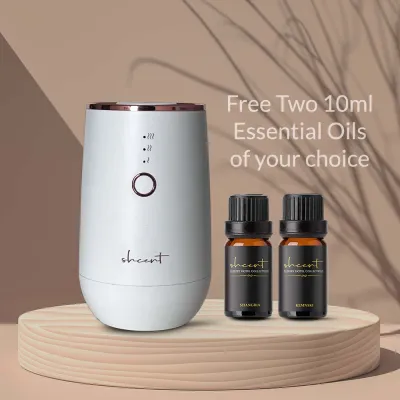
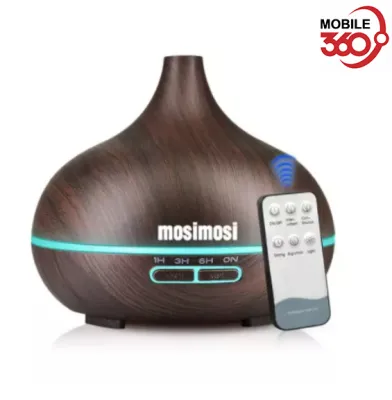
![[1.99 NND]500ML Air Humidifier Usb Household Aromatherapy Machine Ultrasonic Spray Large Capacity Ultrasonic Humidifier Aroma Diffuser.LED Light](https://img.lazcdn.com/g/p/8bdbff4086b260d3e9a6637caa2f101a.jpg_400x400q80.jpg_.webp)
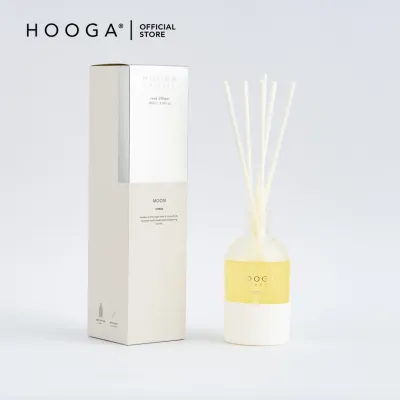
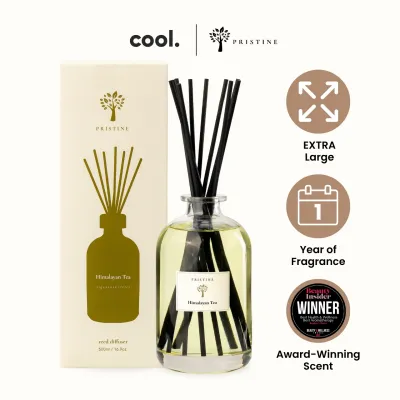
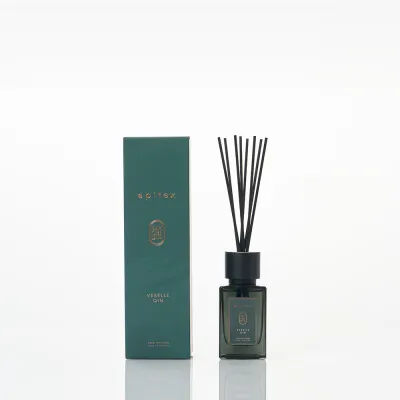

![[6 NEW SCENTS] Hooga Black Series Reed Diffuser 200ml](https://img.lazcdn.com/g/p/1ffd8c3f6be39df0f302c26adff3be23.jpg_400x400q80.jpg_.webp)
Prices are valid at publication and may change. Please refer to the product page for the latest price.
How Ultrasonic, Nebulizing, and Heat Diffusers Work
Ultrasonic Diffusers
Ultrasonic diffusers rely on a small, high-frequency vibrating plate located at the bottom of a water reservoir. When you fill the tank with water and add a few drops of essential oil, these rapid electronic vibrations break the mixture down into microscopic droplets. A small built-in fan then blows this fine, cool mist upward into the room, where it disperses as a light vapor. Because this process uses water as a carrier, it naturally introduces a minor amount of moisture into your immediate surroundings.

Nebulizing Diffusers
Nebulizing diffusers operate on a completely waterless and heatless mechanism based on fluid dynamics. An internal air pump forces pressurized air through a narrow tube, creating a high-velocity stream that generates a vacuum. This vacuum pulls pure essential oil directly from the bottle or reservoir, atomizing it into an extremely fine mist of pure oil micro-particles. Because there is no water to dilute the mixture, the resulting vapor consists entirely of undiluted essential oil.
Heat Diffusers
Heat diffusers use thermal energy to accelerate the natural evaporation of essential oils. These devices typically feature a small dish or tray positioned above a gentle heat source, which can be an electric warming plate or a traditional tealight candle. As the temperature of the tray rises, the volatile compounds in the essential oil warm up and evaporate passively into the surrounding air. This method does not require moving parts, fans, or pressurized air pumps to function.
Matching Diffuser Technology to Room Size and Layout
Large, Open-Plan Areas
For spacious living rooms, open-concept dining areas, or homes with high ceilings, nebulizing diffusers are highly effective. Because they disperse pure, undiluted oil particles directly into the air, the scent throw is exceptionally strong and travels quickly across large distances. The micro-particles remain suspended in the air longer than water-laden droplets, preventing the aroma from fading or settling too quickly in expansive layouts.
Small to Medium Rooms
Ultrasonic diffusers are perfectly suited for enclosed, medium-sized spaces such as bedrooms, study rooms, or standard apartment rooms. The water dilution inherent to ultrasonic technology naturally limits the physical reach of the scent, ensuring the aroma remains pleasant and subtle rather than overwhelming. In a typical air-conditioned room, the light mist also provides a localized sense of comfort without oversaturating the air.
Localized and Personal Spaces
Heat diffusers are best reserved for localized, personal zones where you only need a close-range scent bubble. Because passive thermal evaporation lacks the mechanical force of a fan or pump, the aroma does not travel far. Placing a heat diffuser on a bedside table, a study desk, or in a small bathroom allows you to enjoy the fragrance in your immediate vicinity without affecting the rest of the household.
When shopping, always check the manufacturer’s specifications for the recommended coverage area, usually measured in square meters. Keep in mind that heavy indoor airflow from open windows, ceiling fans, or strong air-conditioning units can quickly disperse the scent, meaning you may need to adjust your placement or choose a more powerful technology to achieve the desired effect.
Aligning Diffuser Types with Daily Lifestyles and Routines
Noise Profiles and Acoustic Comfort
Your sensitivity to sound plays a major role in which diffuser will integrate smoothly into your daily routine. Ultrasonic diffusers are generally very quiet, producing only a soft, rhythmic humming sound accompanied by the occasional gentle trickling of water, which many find soothing for sleep. Nebulizing diffusers, however, rely on a mechanical air pump that cycles intermittently, producing a noticeable buzzing or vibrating sound that might be distracting in a silent study room or nursery. Heat diffusers are completely silent, making them the ultimate choice for meditation, deep focus, or light sleepers.
Maintenance and Cleaning Routines
Every diffuser technology requires a commitment to regular upkeep to ensure longevity and hygiene. Ultrasonic models require frequent attention; you must empty and dry the water tank regularly, and perform a descaling clean with diluted white vinegar or citric acid to prevent mold, bacteria, and mineral buildup from hard water. Nebulizing diffusers do not deal with water mold, but the sticky residue from pure essential oils can easily clog their delicate glass or metal nozzles. They require periodic flushes with rubbing alcohol to keep the passages clear. Heat diffusers are the easiest to maintain, requiring only a quick wipe of the tray with a damp cloth, though candle-powered models do require regular soot cleanup.
Household Safety and Placement Boundaries
Safety considerations should always guide where and how you set up your device. If you choose a candle-based heat diffuser, you must treat it as an open flame: keep it on a stable, heat-resistant surface, away from drafts, curtains, bookshelves, and out of reach of children or pets. For plug-in electric models, always verify the voltage compatibility and look for recognized electrical safety certifications, such as the Safety Mark for Singapore households, to prevent electrical hazards. Ultrasonic diffusers should always be placed on water-safe, non-porous surfaces, as accidental spills or heavy condensation can damage delicate wooden furniture finishes over time.
Essential Oil Compatibility and Consumption Rates
Oil Viscosity and Mechanical Limits
Not all essential oils behave the same way inside a diffuser. Nebulizing diffusers are highly sensitive to oil viscosity; thick, resinous oils such as sandalwood, patchouli, vetiver, or absolute blends can easily clog the microscopic atomizing nozzles, potentially straining the internal pump. If you enjoy these heavier scents, you must verify that your nebulizer is rated to handle them, or stick to thinner, cold-pressed oils like citrus and lavender. Ultrasonic and heat diffusers are far more forgiving, as the water reservoir or open tray easily accommodates oils of any thickness.
Thermal Degradation and Aromatic Integrity
Applying heat to essential oils can alter their delicate chemical structures. High temperatures can degrade the volatile top notes of sensitive oils, particularly citrus and light floral blends, changing their scent profile or reducing their aromatic quality. If you prefer using a heat diffuser, look for electric models that utilize low-wattage, temperature-controlled warming plates rather than candle models, which can easily overheat the oil and scorch the residue.
Consumption Rates and Running Costs
If you are budgeting for long-term use, consider how quickly each technology consumes your essential oils. Nebulizers consume pure oil at a rapid rate because they atomize the liquid directly from the bottle without any dilution, which can significantly increase your monthly oil expenses. Ultrasonic and heat diffusers are highly economical; because you only need to add a few drops of oil to a larger volume of water or carrier liquid, a single bottle of essential oil will last much longer.
Always consult the guidelines provided by both your diffuser manufacturer and your essential oil brand to ensure compatibility, proper dilution ratios, and safe operation.
Decision Framework: Choose Your Ideal Diffuser
To finalize your choice, evaluate your space and lifestyle against this straightforward decision path:
- Choose an Ultrasonic Diffuser if: You want an affordable, quiet, and versatile device for a bedroom or home office, you enjoy a visible mist, and you do not mind performing regular water changes and descaling to keep the unit clean.
- Choose a Nebulizing Diffuser if: You want a powerful, waterless aromatherapy experience that can easily fill a large living room or open-plan apartment, you prefer the pure, unaltered scent of undiluted oils, and you are comfortable with a higher oil consumption rate and a soft mechanical hum.
- Choose a Heat Diffuser if: You want a completely silent, low-maintenance option for a small personal desk or bathroom, you prefer a cordless setup using a candle, or you want a minimalist electric warmer that blends seamlessly into your home decor.
- Verify first if: Anyone in your household has respiratory sensitivities, asthma, or allergies, as highly concentrated vapors can sometimes trigger irritation. Additionally, if you have indoor pets, verify which essential oils are safe to diffuse, as certain common oils can be highly toxic to cats and dogs.
Frequently Asked Questions (FAQ)
Can I use synthetic fragrance oils in a nebulizing diffuser?
No, you should avoid using synthetic fragrance oils or oils mixed with heavy carrier oils (such as jojoba, coconut, or sweet almond oil) in a nebulizing diffuser. These synthetic formulations and carrier oils are much thicker than pure essential oils and will quickly clog the microscopic glass or metal atomizing nozzles, which can permanently damage the internal pump. To protect your device, only use 100% pure, therapeutic-grade essential oils, and always check the manufacturer’s instruction manual for specific oil compatibility guidelines.
Do ultrasonic diffusers significantly increase room humidity?
While ultrasonic diffusers do emit a visible cool mist, their water capacity and output rate are far too small to act as a substitute for a dedicated room humidifier. In a small, enclosed bedroom, an ultrasonic diffuser can provide a very localized, minor moisture boost that can make air-conditioned air feel slightly less dry. However, they will not significantly alter or regulate the overall humidity levels of a medium-to-large room, nor will they resolve severe dry air issues.
How do I safely integrate a candle heat diffuser into my home decor?
To safely enjoy a candle-based heat diffuser, always place the burner on a stable, non-flammable, and heat-resistant tray or coaster to protect your furniture from heat transfer. Position the diffuser away from window drafts, curtains, hanging plants, bookshelves, and overhead cabinets, and never leave the open flame unattended. If you have active pets or young children in the house, it is highly recommended to skip candle models entirely and opt for an electric heat diffuser with an enclosed heating element and an automatic shut-off timer to eliminate fire risks.
Community discussion
Share your experience or ask a question. Comments are reviewed before publication.