
Choosing the right aromatherapy diffuser depends on balancing your room size, maintenance habits, and how you want the scent to fill your space. If you want a subtle scent combined with a light, cool mist for an air-conditioned bedroom, an ultrasonic model is often the most practical choice. For those who prioritize a pure, intense aroma across a large living room without adding moisture to Singapore’s already humid climate, a waterless nebulizing diffuser is highly effective. Meanwhile, if you need a silent, compact, and low-maintenance option for a small desk or travel, a simple heat diffuser fits the bill.
Understanding the mechanical differences between these devices is the first step toward creating your ideal home sanctuary. Each technology handles essential oils differently, affecting everything from scent strength to how often you need to clean the unit. By evaluating your daily routines and spatial constraints, you can select a device that integrates seamlessly into your home decor and lifestyle.
Understanding the Three Main Diffuser Technologies
To make an informed decision, it is essential to understand how these three devices disperse scent into the air. Each method relies on a distinct mechanical process to break down and distribute essential oils, which directly impacts the intensity of the fragrance and the overall user experience.
Products mentioned in this guide
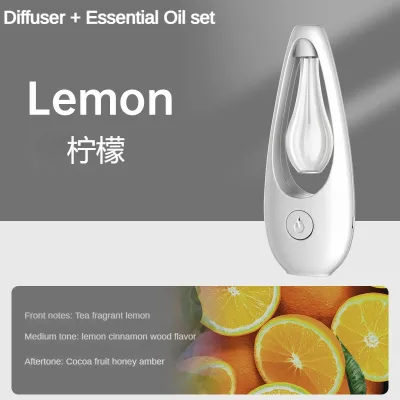
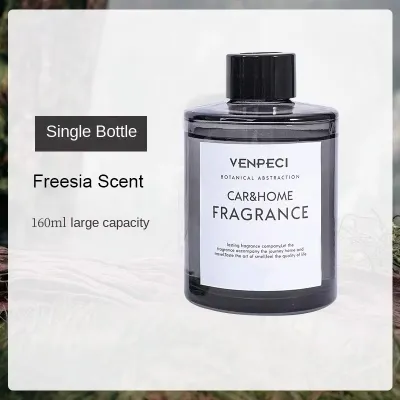
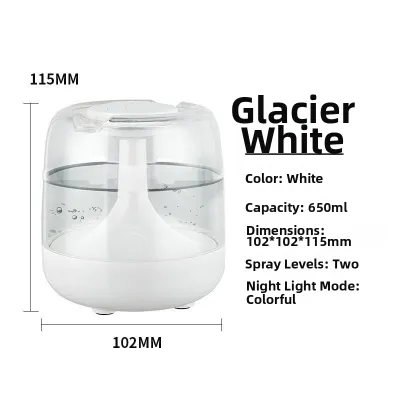
Prices are valid at publication and may change. Please refer to the product page for the latest price.
Ultrasonic diffusers utilize a small ceramic disc at the bottom of a water tank that vibrates at an extremely high frequency. These rapid vibrations create sound waves that break the mixture of water and essential oils into an incredibly fine, cool mist, which a small built-in fan then pushes out into the room.
Nebulizing diffusers operate on a completely waterless principle, utilizing fluid dynamics known as the Bernoulli effect. A high-pressure air pump forces compressed air through a narrow tube, creating a vacuum that draws pure, undiluted essential oil up and atomizes it into a micro-fine vapor of pure oil droplets dispersed directly into the air.
Heat diffusers rely on thermal energy rather than mechanical movement or air pressure to disperse fragrance. These devices feature a quiet, low-wattage heating element that gently warms a small tray containing the essential oil, causing its volatile compounds to evaporate naturally into the surrounding air without any fans or pumps.
Diagnosing Your Needs: Which Technology Fits Your Lifestyle?
Selecting the right diffuser is not just about choosing the most advanced technology; it is about finding the system that aligns with your specific living environment and daily habits. Before browsing online marketplaces, take a moment to evaluate the physical characteristics of your space, your personal noise tolerance, and how much time you are willing to dedicate to routine maintenance. A compact apartment bedroom has vastly different ventilation and humidity needs than an open-concept living area, and matching your sensory preferences to the strengths of each technology helps you avoid common frustrations like weak scent throw or tedious cleaning routines.

Ultrasonic Diffusers: Best for Humidity and Quiet Operation
Ultrasonic diffusers are highly suited for enclosed spaces such as bedrooms, study rooms, or nurseries. In air-conditioned environments where the air can become dry and uncomfortable, the light, cool mist emitted by these devices provides a subtle, localized humidifying effect. The gentle hum of the internal fan and the soft sound of trickling water can also serve as a soothing background white noise, making them popular companions for nighttime routines.
However, because these devices rely on water, they require a commitment to regular maintenance. The standing water in the reservoir creates an environment prone to mineral buildup and mold if left uncleaned, meaning users must be prepared to empty and wipe down the water tank frequently. Additionally, the scent throw is inherently lighter and more diluted than waterless alternatives, making ultrasonic models excellent for those who prefer a delicate, non-intrusive aroma.
Nebulizing Diffusers: Best for Strong Scent and Large Spaces
If your primary goal is to fill a large, open-plan living room or a space with high ceilings with a rich, uncompromised aroma, a nebulizing diffuser is the premier choice. Because they disperse pure, undiluted essential oil directly into the air, they deliver a highly potent scent throw that can quickly cover expansive areas.
This high performance comes with a different set of considerations, particularly regarding your ongoing essential oil budget. Nebulizers consume oil at a much faster rate than ultrasonic or heat models, which translates to a higher ongoing cost in S$ per milliliter of oil used.
Furthermore, the mechanical air pump inside a nebulizer produces a distinct, audible humming sound during operation. While many modern designs attempt to dampen this noise, it may still be distracting in a completely silent bedroom. Nebulizers also do not add any moisture to the air, which is a key benefit for those who want to avoid increasing the humidity levels in naturally damp rooms.
Heat Diffusers: Best for Portability and Low Maintenance
For those who prioritize simplicity, portability, and silent operation, heat diffusers offer an elegant solution. These compact devices are ideal for localized personal zones, such as a small office desk, a bedside table, or a bathroom counter. Because they do not require water, there is no risk of accidental spills, making them highly convenient for travel or for placement near sensitive electronic equipment.
Maintenance for heat diffusers is exceptionally low. Without a water tank to scrub or complex micro-tubes to clear, cleaning usually involves nothing more than wiping the warming plate with a soft cloth once the device has cooled down.
The primary trade-off with heat technology is its limited coverage area and the potential impact of heat on delicate oils. The passive evaporation process cannot throw scent across a large room, restricting its effectiveness to your immediate personal space. Additionally, excessive heat can sometimes alter the chemical structure and delicate top notes of certain essential oils.
Key Decision Factors to Compare Before Buying
When comparing different models on an ecommerce platform or in a local decor boutique, looking past aesthetic designs to evaluate technical specifications is crucial. Start by verifying the manufacturer’s stated coverage area, typically measured in square meters. Ensure this rating matches the actual dimensions of the room where you plan to place the device, keeping in mind that open doorways and high ventilation rates will naturally reduce the effective scent concentration.
Next, examine the runtime, timer settings, and safety features of the unit. Many ultrasonic and nebulizing diffusers offer intermittent misting modes—such as cycling on and off in short intervals—which can dramatically extend the runtime and prevent sensory fatigue. An automatic shutoff feature is another essential specification to verify; this safety mechanism ensures the device powers down immediately when the water reservoir is empty or after a set number of hours.
The material build of the diffuser’s reservoir is another critical factor that affects durability and oil compatibility. Highly concentrated essential oils, particularly citrus oils like lemon or orange, contain natural compounds that can degrade and crack cheap plastics over time. Look for models that utilize high-quality, chemical-resistant plastics (such as medical-grade polypropylene), glass, ceramic, or wood elements to ensure long-term durability.
Finally, check for adjustable intensity controls. The ability to dial the mist volume or pump speed up or down allows you to customize the scent output based on the specific oil you are using, ensuring a balanced aromatic experience.
Safety, Placement, and Maintenance Boundaries
Operating any electrical decor item requires adherence to basic safety and placement guidelines. Before plugging in your new diffuser, verify its voltage compatibility and plug type. In Singapore, household electrical outlets supply electricity at 230V and 50Hz, typically requiring a three-pin Type G plug. Ensure the device carries recognized electrical safety certifications, such as the local Safety Mark, to guarantee it has been tested for electrical safety.
When maintaining your device, always consult the manufacturer’s specific user manual for approved cleaning agents and procedures. Avoid using harsh household chemicals, vinegar, or abrasive scrubs unless explicitly directed, as these can permanently damage ultrasonic plates or corrode heating elements. Always unplug the device and empty any remaining liquid before performing any cleaning or maintenance.
If you share your home with infants, pets, or individuals with chronic respiratory conditions like asthma, exercise extra caution. Certain essential oils can be highly irritating or toxic to dogs, cats, and young children. It is highly recommended to consult a qualified pediatrician or veterinarian before diffusing any new oils in shared living spaces, and to always operate the device in a well-ventilated room with an open door so pets can leave the area if they choose.
Lastly, establish a clear stop-condition. If you ever notice an unusual burning odor, visible sparks, excessive heat, or if the automatic shutoff feature fails to engage, immediately unplug the diffuser. Discontinue use right away and contact the manufacturer or a qualified technician to inspect the unit.
Frequently Asked Questions (FAQ)
Can I use synthetic fragrance oils in these diffusers?
Before using synthetic fragrance oils or thick carrier oils, you must check the manufacturer’s warranty and material compatibility guidelines. Synthetic oils often contain chemical binders and heavy carriers that do not vaporize cleanly. In nebulizing diffusers, these thick liquids can easily clog the microscopic tubes, rendering the pump useless. In ultrasonic models, synthetic residues can build up on the vibrating ceramic plate, dampening the vibrations and eventually causing the motor to overheat and fail. Stick to pure, high-quality essential oils unless the manual explicitly states that synthetic fragrances are compatible.
How often should I clean my aromatherapy diffuser?
You should always refer to your product’s specific care instructions to establish a safe cleaning routine. As a general practice, ultrasonic diffusers benefit from a quick rinse and wipe-down after every few uses to prevent oil buildup and standing water issues, with a deeper clean recommended weekly. Nebulizers and heat diffusers typically require less frequent cleaning, but should still be wiped down or flushed with recommended cleaning solutions whenever you switch oil scents or notice a drop in vapor output. Always ensure the device is completely unplugged and empty before starting any cleaning process.
Community discussion
Share your experience or ask a question. Comments are reviewed before publication.