
Choosing the right aroma oil diffuser depends on how you want to disperse scent, the size of your space, and your willingness to perform regular maintenance. Ultrasonic diffusers use water and high-frequency vibrations for a gentle, humidifying mist; nebulising diffusers use pressurized air to disperse pure, undiluted essential oil for maximum intensity; and heat diffusers gently warm the oil for a silent, localized aroma.
Selecting the ideal device requires balancing your aesthetic preferences with practical considerations like noise levels, oil consumption, and safety. By understanding the distinct mechanics of each diffuser type, you can select a model that seamlessly integrates into your home environment while delivering the exact level of fragrance you desire.
How Ultrasonic, Nebulising, and Heat Diffusers Actually Work
Ultrasonic diffusers operate by mixing water with a few drops of essential oil inside a built-in reservoir. At the base of this reservoir sits a small ceramic disc or transducer that vibrates at an incredibly high frequency, typically in the ultrasonic range. These rapid vibrations break the water and oil mixture down into microscopic droplets, creating a cool, fine mist that is gently pushed out into the room by a tiny internal fan.
Products mentioned in this guide
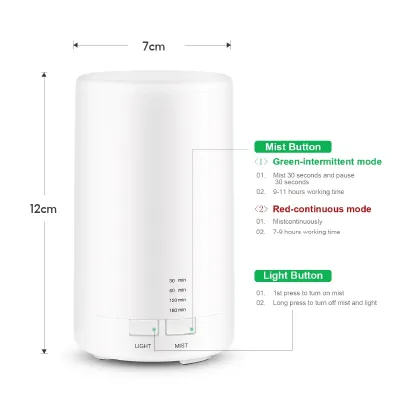
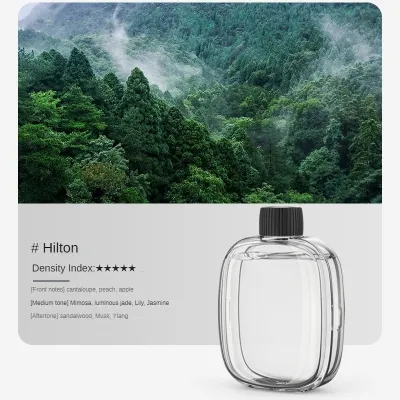
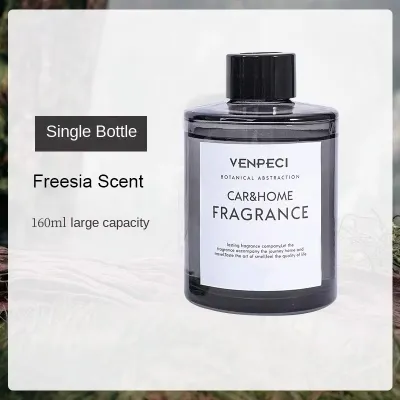
Prices are valid at publication and may change. Please refer to the product page for the latest price.
Nebulising diffusers, on the other hand, operate completely without water. They utilize a mechanical air pump to force a stream of pressurized air through a very narrow tube, creating a vacuum that draws the pure essential oil upward. When the oil meets the high-velocity air stream, it is atomized into an extremely fine vapor of pure oil micro-droplets, which are then dispersed directly into the surrounding air.
Heat diffusers rely on thermal energy to encourage the natural evaporation of essential oils. These devices feature a small tray or dish where you place the oil, sometimes mixed with a small amount of water to slow down evaporation. A gentle heating element underneath—either an electric resistor or a simple tea light candle—warms the mixture, causing the volatile aromatic compounds in the oil to rise and spread throughout the immediate area.
Before operating any of these devices, it is essential to verify the specific operating instructions and safety warnings printed on the product label. Each technology has unique electrical and physical requirements that must be met to ensure safe and efficient operation over time.
Key Comparison Dimensions for Your Space and Lifestyle
Scent intensity and throw vary significantly among the three technologies, making it crucial to match the device to your room size. Nebulising diffusers deliver a highly potent scent throw because they disperse undiluted essential oil, making them highly effective for large, open-concept living areas. Ultrasonic models offer a moderate, localized scent throw that is well-suited for standard bedrooms or home offices, while heat diffusers provide a very subtle, close-range aroma ideally suited for personal desks or small reading nooks. To ensure optimal performance, always check the manufacturer’s specifications for recommended room sizes rather than assuming a single device can cover your entire home.

Noise levels during operation can impact your comfort, particularly in quiet environments like bedrooms or study spaces. Nebulising diffusers contain mechanical air pumps that naturally produce a low, consistent humming or buzzing sound during use. Ultrasonic diffusers are much quieter, though they do produce a soft, rhythmic trickling sound from the moving water and a very faint hum from the internal fan. Heat diffusers are completely silent because they have no moving parts, making them a common choice for light sleepers or those who require absolute quiet.
Oil consumption and ongoing running costs are another critical factor to evaluate before making a purchase. Because nebulising diffusers disperse pure essential oil without any dilution, they consume oil at a much faster rate, which can increase your long-term spending on premium oils. Ultrasonic diffusers are highly economical with oil, requiring only a few drops mixed into a full tank of water to run for several hours, though they do require regular water refills. Heat diffusers fall somewhere in the middle, using a moderate amount of oil that evaporates gradually over time.
Maintenance effort is a daily reality that directly affects the lifespan of your aroma oil diffuser. Water-based ultrasonic systems require frequent attention, as stagnant water must be emptied and the tank wiped dry regularly to prevent the growth of mold, bacteria, and mineral scale. Nebulising systems do not deal with water mold, but their microscopic glass nozzles are highly prone to clogging if thick oils dry inside them, requiring periodic flushing with rubbing alcohol. Heat diffusers are the easiest to maintain, requiring only a quick wipe of the warming dish once it has cooled down completely.
Safety, Electrical, and Placement Considerations
Moisture management is a primary concern when positioning an ultrasonic diffuser in your home. Because these devices emit a continuous cool mist, they should never be placed directly next to sensitive electronics, on untreated wooden furniture, or near paper products that could absorb moisture and warp. Ensure the mist outlet is directed toward the open room and placed on a water-resistant surface to prevent condensation from pooling around the base of the unit.
Heat safety is paramount when operating thermal diffusers, especially in households with active residents. Electric warming plates can reach high temperatures, and candle-lit models present an open-flame hazard that requires constant supervision. Always place heat diffusers on stable, heat-resistant surfaces, ensuring they have adequate clearance from flammable materials like curtains or books, and keep them strictly out of reach of children and pets.
Electrical safety checks are vital for any plug-in appliance to prevent short circuits or electrical hazards. Before connecting your diffuser, verify that the device’s voltage rating matches your local power supply, which is typically 230V in Singapore. Always use the original power adapter supplied by the manufacturer or a certified, properly rated replacement that carries recognized safety marks.
Knowing when to stop using a device is crucial for preventing household accidents. If you ever notice an unusual burning smell, excessive heat radiating from the plastic casing, strange grinding noises, or water leaking from the bottom of an ultrasonic unit, unplug the device immediately. Do not attempt to disassemble the internal electrical components yourself; instead, contact the manufacturer or a qualified professional for assistance.
Decision Framework: Which Aroma Oil Diffuser Should You Buy?
You should choose an ultrasonic diffuser if you are looking for a multi-functional device that can enhance your room’s ambiance while providing a gentle scent. Many ultrasonic models feature customizable LED lighting options, allowing them to double as nightlights or decorative accent lamps. This type is ideal for those who prefer a milder, humidifying scent throw and do not mind the routine of refilling the water reservoir before each use.
You should choose a nebulising diffuser if your primary goal is to experience a pure, intense aroma without the hassle of handling water. This technology is well-suited for larger living spaces, open-plan apartments, or professional settings where a strong scent presence is desired. Keep in mind that you must be comfortable with a slightly higher oil consumption rate and a soft, mechanical pump hum in exchange for this stronger scent performance.
You should choose a heat diffuser if you prioritize absolute silence, minimal maintenance, and a compact design for a small, personal space. It is an excellent option for a bedside table, a small office desk, or a bathroom where you want a subtle, localized fragrance without any mechanical noise or water refills. It is also highly suitable for those who want a simple, straightforward device with very few moving parts to clean.
Before making your final decision, verify if you have any specific health conditions, respiratory sensitivities, or pets in your home, as highly concentrated essential oils can sometimes cause adverse reactions. Additionally, check the types of oils you plan to use; if you prefer thick, unrefined oils or heavy carrier oil blends, certain diffuser mechanisms may not be compatible and could easily clog.
Maintenance and Cleaning Requirements by Type
To keep an ultrasonic diffuser functioning safely, you must establish a regular cleaning routine to prevent mold and mineral buildup. Empty any remaining water from the reservoir after every use, and wipe the interior dry with a clean, soft cloth. Once a week, follow the manufacturer’s descaling instructions, which typically involve wiping the ultrasonic transducer disc gently with a cotton swab dipped in white vinegar or a mild citric acid solution to dissolve mineral crusts.
Maintaining a nebulising diffuser requires careful handling of its delicate glass components to prevent clogs. If you notice a decrease in mist production, it is usually a sign that dried oil residue is blocking the tiny nozzles. To clear this, pour a small amount of high-percentage rubbing alcohol into the reservoir and run the device for a few minutes in a well-ventilated room, allowing the alcohol to dissolve and flush out any stubborn oil blockages.
For heat diffusers, cleaning is a straightforward process that should only be performed when the device is completely cool and unplugged from the electrical outlet. Use a soft, damp cloth with a mild dish soap to wipe away any sticky oil residue left behind on the warming plate or dish. Avoid using abrasive scrubbing pads or harsh chemical cleaners, as these can scratch the protective coating of the heating surface and lead to corrosion.
If your diffuser continues to malfunction after you have performed these basic cleaning steps, it is important to recognize the limits of home maintenance. If the motor fails to start, the power cord becomes frayed, or the ultrasonic disc stops vibrating entirely, stop using the device immediately. Attempting to force open the sealed electrical compartments can void your warranty and create serious safety hazards, so always defer to professional repair or replace the unit.
Frequently Asked Questions (FAQ)
Can I use thick carrier oils in a nebulising diffuser?
Thick carrier oils, such as jojoba, sweet almond, or coconut oil, should not be used in a nebulising diffuser. These heavy oils have a high viscosity that can easily clog the microscopic glass nozzles of the nebuliser, preventing the air pump from dispersing the mist and potentially damaging the motor. Always check the manufacturer’s approved oil list and viscosity guidelines before adding any blend to your device.
Do ultrasonic diffusers increase room humidity significantly?
While ultrasonic diffusers do release a fine water mist into the air, their water tank capacity is generally too small to act as a replacement for a dedicated humidifier. They may slightly raise the local humidity in the immediate vicinity of the device, but they will not significantly alter the humidity of an entire room. For noticeable humidity control, check the room’s ventilation and consider a dedicated appliance.
Are heat diffusers safe to leave on overnight?
It is generally not recommended to leave heat diffusers running overnight unless the specific model is explicitly certified for unattended use and features an automatic shutoff function. Candle-powered heat diffusers must never be left unattended due to fire risks. For electric models, always check the manufacturer’s safety warnings and unplug the device before sleeping to prevent overheating or dry-burning hazards.
Community discussion
Share your experience or ask a question. Comments are reviewed before publication.