
Quick Answer: Which Aroma Diffuser is Right for You?
Choosing the ideal aroma diffuser is not a matter of finding a universally superior device, but rather selecting the technology that matches your specific living space, scent preferences, and daily habits. The market primarily offers two distinct technologies: ultrasonic diffusers and nebulizing diffusers. Each operates on a completely different physical mechanism, resulting in contrasting scent intensities, running costs, and maintenance needs.
Ultrasonic diffusers are the most common and budget-friendly option. They use a mixture of water and a few drops of essential oil, breaking them down into a light, cool mist. This makes them ideal for smaller rooms, bedside tables, or air-conditioned spaces where a subtle scent and a very gentle boost in humidity are welcome. They are highly economical with essential oils, making them perfect for long, continuous daily use.
Nebulizing diffusers, by contrast, use pure, undiluted essential oil without any water or heat. An internal air pump atomizes the oil directly into a highly concentrated, potent vapor. This results in an immediate and powerful scent throw capable of filling large, open-plan living areas or home spas. While they deliver a pure and uncompromised aromatherapy experience, they consume essential oils at a much faster rate and carry a higher upfront and long-term cost.
Products mentioned in this guide
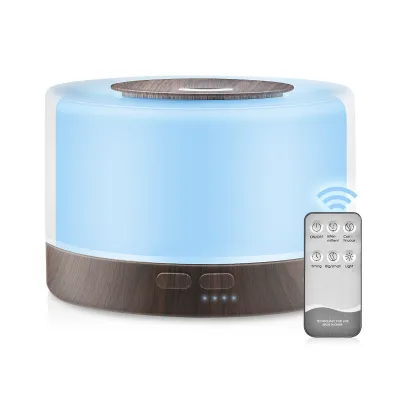
![[KIRONA SCENT] Lumiere Aroma Diffuser (Wood) 600ml | Minimalistic Style Ultrasonic Humidifier | Auto Shut-off Function | Aromatherapy LED Night Lamp](https://img.lazcdn.com/g/p/2ebbcabc2c7c3ae589e7b88fd140eeb7.png_400x400q80.png_.webp)
![[ARORAH] Skyscraper Smart Aroma Diffuser | Large Area Scent Machine for Commercial Area | WiFi App Control](https://img.lazcdn.com/g/p/7d0f666e630163afb145bd10f3e530ed.jpg_400x400q80.jpg_.webp)
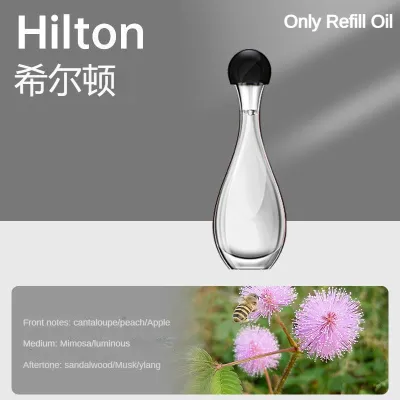
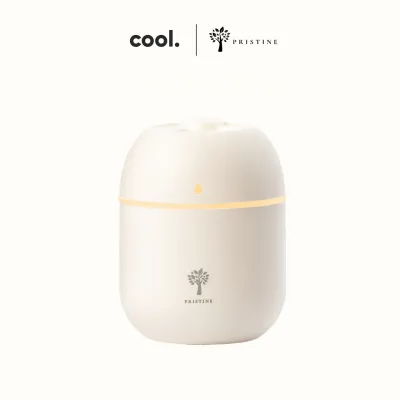
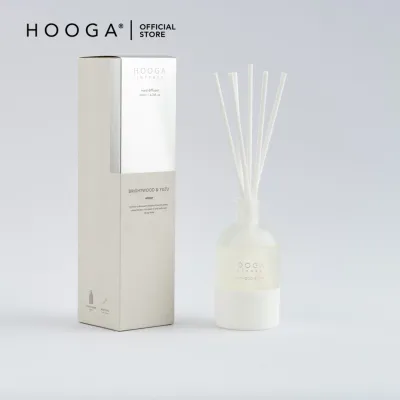
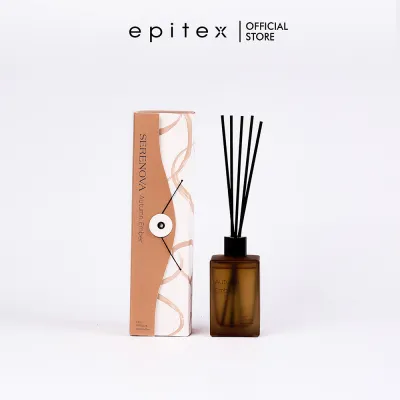
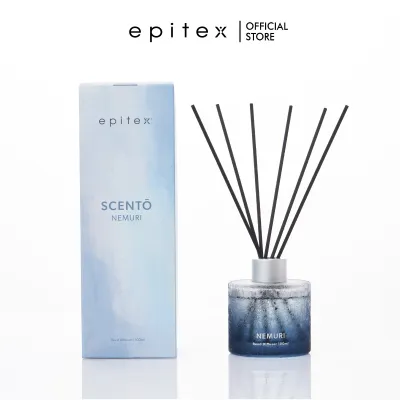
Prices are valid at publication and may change. Please refer to the product page for the latest price.
How Ultrasonic and Nebulizing Diffusers Actually Work
To understand why these two devices perform so differently, it helps to examine the underlying technology of each system. The way a diffuser processes and disperses essential oil directly dictates the strength of the aroma, how long a bottle of oil will last, and how the device fits into your home environment.

Ultrasonic Diffusers (Water + Vibration)
At the base of an ultrasonic diffuser’s water reservoir sits a small, flexible electronic disc or transducer plate. This plate vibrates at an extremely high ultrasonic frequency, typically between 1.7 and 2.4 million times per second. These rapid mechanical vibrations create microscopic cavitation bubbles in the water-and-oil mixture, which subsequently collapse and force the liquid to break apart into micro-droplets.
Because essential oils are lighter than water, they float on the surface. The ultrasonic vibrations force the oil and water to mix into a fine, cool emulsion, which is then pushed out of the device by a small internal fan as a visible mist. Because the resulting vapor is predominantly water, the scent is naturally diluted, creating a soft, ambient fragrance that disperses gently throughout the immediate vicinity.
Nebulizing Diffusers (Pure Oil + Air Pressure)
Nebulizing diffusers operate on fluid dynamics, specifically using a variation of Bernoulli’s principle. The device contains a specialized, high-pressure air pump that forces a stream of compressed air through a very narrow nozzle. This high-velocity air stream creates a localized vacuum or low-pressure zone directly above a micro-tube submerged in the pure essential oil reservoir.
The pressure differential draws the undiluted essential oil up the tube, where it meets the fast-moving air stream. This impact instantly atomizes the liquid oil into a dry mist of microscopic particles. The larger oil droplets fall back down into the reservoir for reuse, while only the finest particles—typically under five microns in size—are released into the room. Because no water or heat is introduced, the chemical structure of the essential oil remains completely unaltered, delivering a pure, full-strength aromatic experience.
Key Differences That Impact Your Daily Use
Beyond the science of how they work, the practical, day-to-day operation of these two diffusers will shape your overall experience. Scent coverage, ongoing oil expenses, noise, and cleaning routines vary significantly between the two types.
Scent Throw and Room Coverage
Nebulizing diffusers are unmatched when it comes to scent throw. Because they release pure, concentrated oil particles directly into the air, the aroma is immediate, robust, and highly expansive. These lightweight, dry oil particles stay suspended in the air longer than water droplets, allowing the scent to travel effortlessly across large living rooms, open-plan apartments, or high-ceilinged spaces. If you want to mask strong odors quickly or create a distinct, spa-like atmosphere across a wide area, a nebulizer is the most effective tool.
Ultrasonic diffusers, on the other hand, provide a much more localized and subtle scent throw. The water droplets carrying the oil are heavier and tend to settle out of the air more quickly, limiting the effective scent zone. This makes ultrasonic models best suited for smaller, enclosed spaces such as bedrooms, home offices, or cozy reading corners. They excel at creating a personal scent bubble rather than scenting an entire home.
Essential Oil Consumption and Running Costs
Operating costs are a major differentiator that many buyers overlook. Because nebulizers disperse pure, undiluted oil, they consume essential oils rapidly. A standard 10ml bottle of essential oil can be depleted in just a few days of continuous use in a nebulizer, depending on the flow rate. In Singapore, where premium, organic essential oils can range from S$30 to upwards of S$80 per bottle, running a nebulizer continuously can become a significant monthly expense. To mitigate this, most nebulizers feature built-in interval timers that cycle the device on and off to conserve oil.
Ultrasonic diffusers are incredibly economical. They require only a few drops of essential oil—typically 3 to 10 drops—mixed into a water tank that can hold anywhere from 100ml to 500ml of water. This mixture can easily provide between 4 and 10 hours of continuous mist, depending on the tank size and mist settings. A single 10ml bottle of oil can last for several weeks or even months under regular use, making ultrasonic models highly cost-effective for daily, long-duration scenting.
Noise Levels and Maintenance Requirements
The acoustic footprint of your diffuser can greatly affect your comfort, particularly during quiet evenings or work hours. Ultrasonic diffusers are exceptionally quiet. The only moving parts are the ultrasonic plate and a tiny fan, resulting in a faint, soothing hum accompanied by the occasional gentle sound of trickling water. This makes them ideal bedside companions.
However, ultrasonic diffusers require frequent, hands-on maintenance. Because water sits in the reservoir, it can quickly become a breeding ground for mold, mildew, and bacteria if left stagnant. Mineral deposits from tap water can also build up on the ultrasonic plate, reducing its misting efficiency. You must empty, rinse, and wipe down the water tank every few days to keep it sanitary.
Nebulizing diffusers produce a more noticeable mechanical sound. The internal air pump vibrates to compress the air, creating a distinct, low-frequency buzzing or humming noise. While high-quality models feature rubber dampening feet or insulated casings to minimize this vibration, the sound is still louder than an ultrasonic device. Placing a nebulizer on a solid, non-resonant surface or a soft silicone coaster can help reduce this noise.
In terms of cleaning, nebulizers do not suffer from mold issues because they do not use water. However, they are prone to clogging. Thick, resinous essential oils—such as patchouli, sandalwood, or vetiver—can dry and block the delicate glass or metal micro-tubes. To prevent clogs, nebulizers require a periodic flush with isopropyl alcohol or a specialized diffuser cleaner to dissolve any residual oil buildup.
Ultrasonic vs. Nebulizing Diffusers: Feature Comparison
To help you quickly evaluate which technology aligns with your household needs, the table below summarizes the core differences across key practical categories.
| Feature | Ultrasonic Diffusers | Nebulizing Diffusers |
|---|---|---|
| Mechanism | Ultrasonic vibrations (water + oil) | High-pressure air pump (pure oil) |
| Water Required | Yes (regular tap or filtered water) | No (undiluted oil only) |
| Scent Intensity | Subtle to moderate | Intense and highly concentrated |
| Oil Consumption | Low (a few drops per session) | High (consumes pure oil quickly) |
| Noise Level | Very quiet (faint water hum) | Noticeable (mechanical motor buzz) |
| Maintenance Routine | Frequent wiping to prevent mold | Periodic alcohol flushing for clogs |
| Best Room Size | Small to medium enclosed spaces | Large, open-plan living areas |
| Humidity Impact | Adds light moisture to the air | None |
While ultrasonic models excel in whisper-quiet operation and low running costs, nebulizers offer unparalleled performance in scent purity and room-filling coverage.
Matching the Diffuser to Your Space and Lifestyle
Selecting the right diffuser requires looking at your home’s layout, your daily routine, and even the local climate. How you use your living spaces will ultimately dictate which device feels like a seamless addition to your home.
Best Scenarios for Ultrasonic Diffusers
Ultrasonic diffusers are highly suited for personal spaces where you spend long, quiet hours. They are excellent for bedrooms, nurseries, and home offices. If you enjoy having a gentle, comforting scent in the background while you sleep, study, or read, the soft whisper of an ultrasonic unit is ideal.
They also offer a dual benefit in air-conditioned environments. Air conditioning units naturally strip moisture from the air, which can lead to dry skin, irritated sinuses, and dry eyes. The cool mist from an ultrasonic diffuser acts as a mini-humidifier, adding a touch of moisture back into the air to improve comfort.
However, local climate context is important. Singapore’s tropical climate is naturally highly humid, with relative humidity levels often exceeding 80%. If you are running an ultrasonic diffuser in a non-air-conditioned room that is already humid, adding extra moisture to the air can occasionally make the space feel heavy or sticky, and may contribute to mold growth on nearby fabrics or walls. In these situations, it is best to run the diffuser in a well-ventilated area or alongside an air conditioner, and avoid leaving it running continuously in small, closed, uncooled rooms.
Best Scenarios for Nebulizing Diffusers
Nebulizing diffusers are the premium choice for larger, high-traffic areas of the home. They are perfect for spacious living rooms, open-concept dining areas, entryways, or home yoga studios. If you want a rapid burst of pure, high-impact fragrance to welcome guests or to set a specific mood quickly, a nebulizer can achieve this in a fraction of the time it takes an ultrasonic model.
Because nebulizers do not use water, they add zero humidity to the room. This makes them exceptionally well-suited for Singapore’s humid climate, as they allow you to enjoy a rich, luxurious aroma without making your indoor air feel damp or heavy.
They are also the preferred choice for dedicated aromatherapy enthusiasts. Because the oil is not diluted by water or altered by heat, you experience the essential oil exactly as the distiller intended, preserving the full therapeutic properties of the botanical extracts. If you prefer short, intense aromatherapy sessions rather than a faint, all-day background scent, the nebulizer is your best option.
Safety, Placement, and Electrical Checks
When introducing any electrical appliance into your home, safety and proper setup are paramount. Because both types of diffusers utilize liquids and electricity, following a few basic guidelines will protect your device, your furniture, and your household.
First, always verify the electrical specifications of any device you purchase, especially when buying online from international marketplaces. In Singapore, the standard household electrical supply is 230V at 50Hz, utilizing the Type G three-pin plug. Ensure your chosen diffuser is compatible with these standards and look for local safety certifications, such as the Enterprise Singapore Safety Mark, to guarantee the device has been tested for electrical safety. Avoid using cheap, uncertified travel adapters, and always isolate the power supply by unplugging the device before refilling the water tank or performing any cleaning.
Placement is also critical for protecting your home’s interior. Ultrasonic diffusers must be placed on water-resistant surfaces. The cool, damp mist can settle on surrounding areas, and over time, this moisture can warp solid wood, damage wood veneers, or cause paper and cardboard to deteriorate. Keep them clear of electrical outlets, computers, and books.
For nebulizing diffusers, keep the unit away from direct sunlight or heat sources. High temperatures can cause the volatile organic compounds in pure essential oils to degrade rapidly, ruining their scent profile and therapeutic benefits. Additionally, because pure essential oils are highly concentrated, they can dissolve certain plastics, varnishes, or paint finishes if spilled. Always wipe up any accidental drips on the exterior of the device or your furniture immediately.
Lastly, if you have pets or young children, research which essential oils are safe for your household. Some common oils, such as tea tree, eucalyptus, and citrus oils, can be toxic to cats and dogs if inhaled in high concentrations or ingested. Always keep both the diffusers and your bottles of essential oil safely out of reach of children and pets, and ensure your rooms are well-ventilated.
Final Verdict: How to Make Your Decision
To make your final decision, evaluate your priorities by balancing scent intensity, room size, humidity preferences, and your budget for essential oils. There is no single winner; both devices are excellent tools when used in the correct context.
Choose an Ultrasonic Diffuser if…
- You are on a budget: You want a lower upfront cost and highly economical oil consumption.
- You want quiet operation: You plan to use the device in a bedroom, nursery, or quiet study.
- You have a smaller space: The device is intended for a single, enclosed room or close-proximity scenting.
- You want a touch of moisture: You frequently run air conditioning and want to combat dry air.
Choose a Nebulizing Diffuser if…
- You want maximum scent power: You need to fill a large, open-plan living area or high-traffic space with aroma.
- You prioritize pure aromatherapy: You want to experience undiluted, therapeutic-grade essential oils without water or heat.
- You want to avoid extra humidity: You prefer not to add any moisture to an already humid tropical environment.
- You prefer low-maintenance sanitation: You want to avoid the daily chore of emptying and scrubbing water tanks.
By matching the unique strengths of ultrasonic and nebulizing technologies to your specific household needs, you can create a beautifully scented, comfortable, and safe environment tailored perfectly to your lifestyle.
Community discussion
Share your experience or ask a question. Comments are reviewed before publication.