
Choosing between an ultrasonic diffuser and a nebulizing diffuser comes down to how you want to experience scent, manage your indoor humidity, and handle daily maintenance. While ultrasonic models use water to disperse a gentle, diluted mist, nebulizers deliver pure, undiluted essential oil directly into the air. Understanding these core differences helps you select the right device for your home’s climate and your personal wellness routine.
Whether you want to create a relaxing bedroom sanctuary or scent a large, open-concept living area, the technology you choose impacts everything from oil consumption to noise levels. By evaluating how each system operates, you can make an informed decision that matches your lifestyle and home environment.
How Ultrasonic and Nebulizing Technologies Actually Work
Ultrasonic diffusers rely on a small water tank and a vibrating ceramic disc or plate located at the bottom of the unit. When the device is powered on, this plate vibrates at an ultrasonic frequency, creating rapid movement that breaks down a mixture of water and essential oil into an extremely fine, cool mist. This water-based mist is then pushed out into the room by a small internal fan. Because the water and oil are mixed, the mist released is a combination of water vapor and tiny oil droplets. This process does not heat the oil, which helps preserve its chemical integrity.
Products mentioned in this guide
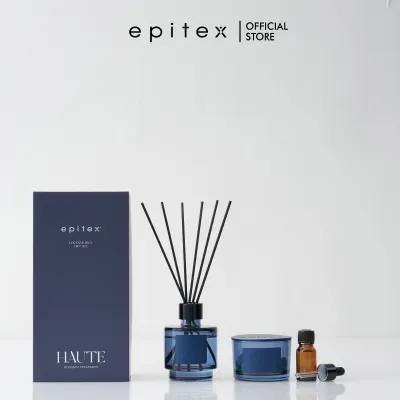
Prices are valid at publication and may change. Please refer to the product page for the latest price.
In contrast, nebulizing diffusers operate without any water. They utilize an internal air pump that forces pressurized air through a narrow tube, creating a vacuum that draws pure essential oil upward. This high-velocity air stream atomizes the oil into microscopic dry particles, dispersing them directly into the environment as a highly concentrated vapor. This process is known as the Bernoulli principle, where high-velocity airflow creates a pressure drop that pulls the liquid up and shears it into micro-particles. Because there is no water to dilute the mixture, the output is pure, concentrated essential oil.
These fundamental structural differences dictate how each device performs, how much moisture it adds to your living space, and the level of upkeep required to keep the system running efficiently.
Comparing Scent Intensity and Room Coverage
Because nebulizing diffusers disperse pure, undiluted essential oil, they deliver a robust and immediate scent profile. The aroma is rich, true to the original oil, and does not suffer from the dilution that occurs when oils are mixed with water. This makes nebulizers highly effective at filling large, open-plan living areas or high-ceilinged rooms with a consistent fragrance. For instance, a nebulizer can quickly disperse a strong aroma across a large living room in just a few minutes, whereas an ultrasonic model may need to run for an hour or more to achieve a similar scent presence in a much smaller area.

Ultrasonic models produce a much lighter, water-diluted mist that offers a subtle and gradual scent experience. The fragrance is gentler, making it highly suitable for smaller, enclosed spaces like bedrooms, home offices, or study nooks where an intense aroma might become overwhelming.
When shopping for either device, it is important to check the manufacturer’s stated room coverage on the product label or specification sheet. Coverage is typically listed in square meters or square feet, and verifying these details ensures you select a unit with the capacity to match your specific room dimensions rather than relying on general category assumptions.
Humidity, Air Quality, and Climate Considerations
Ultrasonic diffusers function as minor humidifiers because they continuously release water vapor into the air. In naturally humid climates, such as in Singapore, adding extra moisture to indoor spaces can sometimes feel uncomfortable or lead to condensation on nearby surfaces. If a room is already damp or lacks proper ventilation, this added humidity might encourage mold or mildew growth. In Singapore’s tropical climate, indoor humidity is already naturally high, often exceeding 60% or 70%. Adding more moisture via an ultrasonic device can make the air feel heavy and warm, especially if the air conditioning is turned off.
Nebulizing diffusers add zero moisture to the air, making them an excellent choice for humidity-sensitive environments. They are highly compatible with tropical climates, air-conditioned rooms, or spaces where maintaining a dry, comfortable atmosphere is a priority.
Before purchasing, evaluate the current humidity levels and ventilation of your target room. If you already run a dehumidifier or struggle with dampness, a waterless nebulizer is often the more practical choice, whereas an ultrasonic model might be welcome in dry, air-conditioned spaces.
Maintenance, Cleaning, and Oil Consumption
The daily and long-term upkeep of these devices varies significantly due to their mechanical designs. Ultrasonic diffusers require frequent water changes and regular tank wiping. Stagnant water left in the reservoir can quickly become a breeding ground for bacteria, mold, and mineral buildup, which can then be dispersed into your air during operation.
Nebulizer maintenance focuses on preventing clogs within the delicate glass nozzles and internal tubes. Because these units handle pure essential oil, residue can dry and block the narrow pathways over time. Cleaning typically involves running a small amount of rubbing alcohol through the device or soaking the glass components to dissolve any stubborn oil buildup.
Oil consumption rates also differ greatly between the two technologies. Nebulizers consume pure, undiluted essential oil at a much faster rate, which can significantly increase your long-term running costs and the frequency of oil purchases. Ultrasonic models use only a few drops of oil suspended in a large volume of water, making them highly economical for budget-conscious users.
Noise Levels and Power Requirements
The mechanical components of each diffuser affect the ambient sound of your living environment. Ultrasonic diffusers are known for their near-silent operation, as the vibrating plate produces minimal sound, often accompanied only by a gentle, soothing water-dripping noise. This makes them highly popular for bedrooms, nurseries, or quiet workspaces.
Nebulizing diffusers rely on an active air pump to atomize the oil, which produces an audible, rhythmic humming or buzzing sound. While many modern units feature insulated pumps to minimize this noise, the sound is still more noticeable than that of an ultrasonic counterpart. If you are sensitive to background noise, checking the device’s decibel rating or user reviews before buying is highly recommended.
Power requirements are generally low for both types, but it is still wise to verify the device’s wattage and power interface. Some compact models run on USB power, while larger units require a standard wall outlet, so ensure the power specifications match your intended installation spot.
Decision Framework: Which Diffuser Should You Choose?
To make the right choice for your home, consider how each technology aligns with your daily habits, budget, and physical environment.
Choose an ultrasonic model if you prefer a subtle scent, want slight added humidity, need near-silent operation, and want to stretch your essential oil budget. This option is ideal for cozy spaces where relaxation and gentle ambiance are the primary goals.
Choose a nebulizing model if you need a strong, undiluted scent for large spaces, require zero added humidity, and do not mind a low background pump noise. This option is perfect for aromatherapy enthusiasts who prioritize scent purity and therapeutic intensity.
Before finalizing your purchase, verify if you have specific noise sensitivities, check your ongoing budget for pure essential oils, and ensure you have a safe, stable surface away from moisture-sensitive wooden furniture if you choose an ultrasonic unit.
Frequently Asked Questions (FAQ)
Can I use carrier oils or synthetic fragrances in a nebulizing diffuser?
No, you should avoid using thick carrier oils, such as jojoba, sweet almond, or coconut oil, as well as synthetic fragrance oils in a nebulizing diffuser. These substances have a much higher viscosity than pure essential oils and can quickly clog the extremely narrow glass nozzles and tubes, potentially causing permanent damage to the pump. Always check the manufacturer’s viscosity guidelines and use only pure, undiluted essential oils unless the device manual explicitly states that other liquids are compatible.
Do ultrasonic diffusers damage wooden furniture?
They can if they are placed incorrectly or left running continuously on unprotected surfaces. The cool mist emitted by an ultrasonic diffuser contains water droplets that can pool on nearby surfaces, and over time, this moisture can warp wood, ruin veneers, or damage delicate finishes. To protect your furniture, place the device on a water-resistant coaster, tray, or non-porous surface, and ensure there is adequate clearance and ventilation around the unit so the mist can disperse fully into the air.
Community discussion
Share your experience or ask a question. Comments are reviewed before publication.