
Selecting the perfect automatic air freshener involves understanding how different diffusion technologies interact with your living environment, your wellness goals, and your daily habits. For many households, finding the right balance between consistent fragrance delivery and low-maintenance operation is the key to creating an inviting indoor atmosphere. Modern automatic air fresheners generally rely on one of three core technologies to disperse essential oils or fragrances: ultrasonic, nebulizing, or thermal heat. Each system functions differently, offering distinct advantages in terms of scent strength, coverage area, and moisture output.
To make an immediate decision, you can evaluate your home’s requirements using a simple conditional framework. Choose an ultrasonic diffuser if you are looking for a budget-friendly, multi-purpose device that provides a gentle scent alongside a mild, localized humidifying effect, making it ideal for smaller rooms or dry, air-conditioned spaces. Choose a nebulizing diffuser if your priority is a powerful, pure aromatherapy experience without the use of water or heat, allowing you to disperse a highly concentrated, undiluted fragrance across large, open-concept rooms. Choose a heat diffuser if you prefer a completely silent, low-maintenance device that delivers a subtle, continuous background scent in a cozy, intimate setting.
Ultimately, the ideal automatic air freshener for your household depends on the specific dimensions of your living space, your preferred scent intensity, and how much time you are willing to dedicate to routine cleaning and maintenance. By examining the mechanics, operating costs, and safety considerations of each technology, you can select a device that integrates seamlessly into your daily routine.
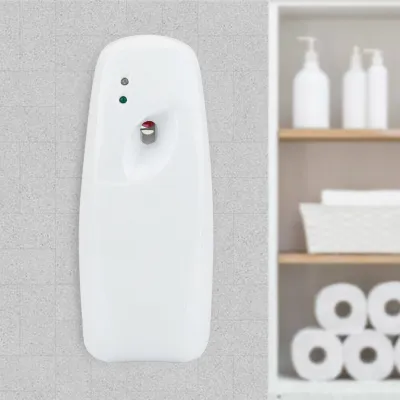
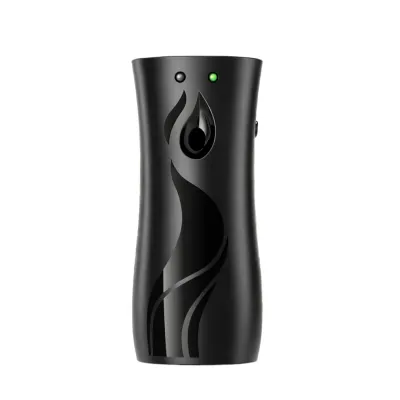
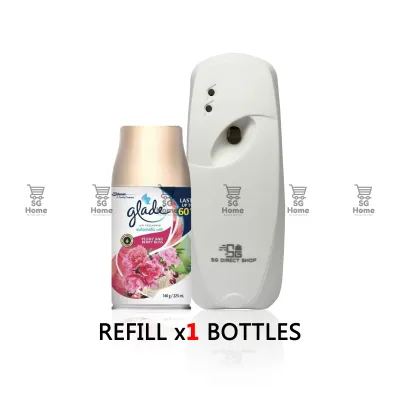
Products mentioned in this guide
![[SG In Stock]Automatic Air Freshener Spray Dispenser Smart Fragrance Machine One Button Odour Control for Home Offic](https://img.lazcdn.com/g/p/13901ae7198c29ca6b84dfb29719ce7a.jpg_400x400q80.jpg_.webp)
![[SG In STOCK]Auto-spray Aromatherapy Diffuser Flameless Fragrance Diffuser Hotel Home Living Room Scent Essential Oil Air Freshener](https://img.lazcdn.com/g/p/98ce1dd57e6c19577ffe58a676309d30.jpg_400x400q80.jpg_.webp)


Prices are valid at publication and may change. Please refer to the product page for the latest price.
Core Technology Differences: How Ultrasonic, Nebulizing, and Heat Diffusers Work
Ultrasonic Diffusers (Water and Vibration)
Ultrasonic diffusers operate by utilizing a small, flexible ceramic disc or plate situated at the bottom of a water reservoir. When the device is powered on, this ultrasonic plate vibrates at an extremely high frequency, typically exceeding one million cycles per second. These rapid mechanical vibrations create microscopic waves in the water, which in turn break the mixture of water and added essential oil drops into an ultra-fine, cool mist. This mist is then gently pushed upward and out of the device’s nozzle by a tiny built-in fan, dispersing into the surrounding air.
Because this process relies heavily on water as a carrier medium, the essential oil is naturally diluted before it enters your living space. The resulting mist provides a subtle, refreshing scent throw rather than an intense burst of fragrance. Additionally, because the device continuously releases moisture into the room, it functions as a localized, cool-mist humidifier. This dual-purpose action can be highly beneficial in dry environments, though it requires careful management in areas that already experience high ambient humidity levels.
Nebulizing Diffusers (Air Pressure and Pure Oil)
Nebulizing diffusers rely on fluid dynamics, specifically utilizing the Venturi effect to atomize essential oils without requiring water or heat. Inside a nebulizer, a small but powerful air pump forces a high-velocity stream of compressed air through a narrow nozzle, creating a localized vacuum. This vacuum draws pure essential oil up through a micro-feed tube from an attached bottle or internal reservoir. When the high-speed air stream collides with the rising oil, it instantly shears the liquid into a cloud of microscopic, dry particles.
These highly concentrated micro-particles are then suspended in the air, creating a potent and immediate fragrance experience. Because there is no water to dilute the mixture, the chemical integrity of the essential oil remains entirely unaltered, preserving its original aromatic profile. This makes nebulizing technology the preferred choice for those seeking maximum scent intensity and pure therapeutic benefits. However, because the system must pressurize and move air mechanically, it requires a dedicated pump that produces a noticeable operational sound.
Heat Diffusers (Thermal Evaporation)
Heat diffusers utilize a straightforward thermal process to release fragrance into the indoor environment. Instead of relying on physical vibrations or pressurized air, these devices feature a gentle, low-wattage heating element, such as an electric warming plate or, in traditional setups, a tea light candle. The essential oil is placed directly onto a small metal or ceramic tray, or onto a disposable fabric pad positioned immediately above the heat source. As the temperature of the oil rises, its volatile aromatic compounds begin to evaporate into the air.
This thermal evaporation method produces a very soft, localized scent cloud that slowly drifts through the immediate vicinity. Because there are no moving parts, fans, or pumps, heat diffusers operate in absolute silence, making them highly unobtrusive. However, users should be aware that applying direct heat can alter the delicate chemical structures of certain organic essential oils, potentially degrading their therapeutic properties. Consequently, heat diffusers are best suited for general home fragrancing rather than targeted clinical aromatherapy.
Head-to-Head Comparison: Scent, Maintenance, and Operating Costs
| Feature | Ultrasonic Diffusers | Nebulizing Diffusers | Heat Diffusers |
|---|---|---|---|
| Scent Intensity | Moderate (Diluted) | High (Pure, Concentrated) | Low to Moderate (Subtle) |
| Noise Level | Low (Soft water trickling) | Moderate (Mechanical hum) | Silent (No moving parts) |
| Oil Consumption | Low (Few drops per tank) | High (Consumes pure oil) | Low to Moderate |
| Humidification | Yes (Cool mist) | No | No |
| Cleaning Frequency | High (Every 3-5 days) | Moderate (Every 2-4 weeks) | Low (Occasional wipe down) |
Scent Throw and Intensity
The reach and strength of a fragrance vary dramatically across these three technologies due to their underlying mechanics. Nebulizing diffusers offer the most powerful scent throw, capable of rapidly filling large, open-concept rooms with a rich, uncompromised aroma. Ultrasonic diffusers deliver a much more moderate, localized scent, as the water vapor disperses the diluted oil molecules over a smaller radius. Heat diffusers provide a gentle, slow-release fragrance that remains confined to the immediate surrounding area, making them ideal for small, cozy nooks but insufficient for expansive living spaces.

Oil Consumption and Running Costs
When evaluating long-term operating expenses, oil consumption is a primary factor. Nebulizing diffusers consume essential oils at a significantly faster rate because they aerosolize pure, undiluted liquid directly from the bottle. This can lead to higher ongoing costs if the device is run continuously. In contrast, ultrasonic diffusers are highly economical, requiring only three to ten drops of essential oil mixed into a full reservoir of tap or distilled water to run for several hours. Heat diffusers also maintain low consumption rates, though some models require the recurring purchase of specialized absorbent pads.
Noise Levels
The acoustic profile of an automatic air freshener can greatly affect your comfort, particularly during quiet hours. Nebulizing diffusers contain an internal air compressor, which generates a distinct, low-frequency mechanical hum that some users may find distracting in silent rooms. Ultrasonic units are much quieter, producing only a faint, soothing sound of trickling water and a soft hum from a tiny internal fan. Electric heat diffusers operate in complete, absolute silence, as they contain no moving parts, making them the most acoustically discreet option available.
Cleaning and Maintenance
Keeping your device clean is essential to ensure longevity and prevent performance issues. Ultrasonic diffusers require frequent cleaning, ideally every three to five days, to prevent standing water from developing bacterial growth, mold, or mineral scale deposits from tap water. Nebulizing diffusers do not suffer from waterborne mold, but they require periodic maintenance to prevent thick, viscous essential oils from clogging the delicate glass or metal micro-tubes. This is usually resolved by running a small amount of high-percentage isopropyl alcohol through the system. Heat diffusers require the least maintenance, needing only a quick wipe of the oil tray with a damp cloth between scent changes.
Matching the Diffuser to Your Space and Lifestyle
Best for Bedrooms and Small Spaces
For bedrooms, nurseries, or home offices, maintaining a peaceful atmosphere is often the highest priority. In these intimate settings, the near-silent operation of an ultrasonic diffuser or the absolute quiet of an electric heat diffuser is highly advantageous. These devices deliver a gentle, non-intrusive scent profile that helps prevent olfactory fatigue, which occurs when a fragrance is too intense for an enclosed space. The soft, rhythmic water sounds of an ultrasonic unit can also act as a soothing white noise generator, promoting a restful sleeping environment.
Best for Living Rooms and Open-Concept Areas
Spacious living rooms, high-ceilinged entryways, and open-concept dining areas require a device with substantial scenting power. A nebulizing diffuser excels in these environments, as its pressurized air system can throw fine oil particles across a wide area without losing scent integrity. Because nebulizers do not rely on a water tank, you do not have to worry about frequent refills during long family gatherings or social events. The strong, immediate output ensures that cooking odors or pet scents are effectively neutralized throughout the entire shared space.
Navigating High-Humidity Environments
In tropical regions like Singapore, indoor humidity levels are consistently high, often hovering between 70% and 90% outside of air-conditioned zones. Introducing an ultrasonic diffuser, which continuously pumps water vapor into the air, can exacerbate this humidity, potentially making rooms feel damp or stuffy. In poorly ventilated spaces, this extra moisture can encourage the growth of mold on walls, ceilings, and wooden furniture. For households in humid climates, nebulizing or heat diffusers are often the superior choice, as they disperse fragrance without adding any moisture to the indoor air.
Safety, Electrical Checks, and Maintenance Boundaries
Electrical Safety
When purchasing any automatic air freshener, it is critical to verify its electrical compatibility with your local power grid. In Singapore, the standard household voltage is 230V at a frequency of 50Hz, utilizing Type G three-pin plugs. Always ensure that the device you select is certified for safe operation under these electrical specifications, and look for official safety marks on the packaging. Avoid using cheap, unverified travel adapters or universal plugs, especially for electric heat diffusers, as continuous thermal operation demands stable, high-quality connections to prevent electrical shorts or overheating.
Placement Safety
Proper physical placement of your diffuser is essential to protect your household and your property. Heat diffusers, which rely on thermal elements, must be kept on stable, heat-resistant surfaces away from flammable objects like curtains, paper, or bedding, and must remain completely out of reach of children and pets. Ultrasonic and nebulizing diffusers should be placed on flat, water-resistant surfaces. Concentrated essential oils and fine water mists can damage natural wood finishes, laminate surfaces, and delicate electronics if allowed to pool or settle directly onto them over time.
When to Stop and Consult
Safe operation requires knowing when to turn off your device and seek assistance. If your automatic air freshener begins to emit a burning smell, makes unusual grinding or rattling noises, or fails to produce mist despite being filled, unplug it from the wall socket immediately. Do not attempt to open the casing to repair internal wiring, motors, or ultrasonic plates yourself, as this can void the warranty and present a severe shock hazard. Instead, consult the manufacturer’s instruction manual for troubleshooting steps, or contact a qualified professional or the brand’s customer service department for repairs.
Frequently Asked Questions (FAQ)
Can I use synthetic fragrance oils in a nebulizing diffuser?
No, you should avoid using synthetic fragrance oils in a nebulizing diffuser. Nebulizers are precision-engineered to atomize pure, thin essential oils. Synthetic fragrance oils and carrier oils are typically much thicker and more viscous, which can easily clog the delicate glass or metal micro-tubes and permanently damage the internal air pump. Always verify the manufacturer’s specifications and ingredient recommendations before introducing any new liquid into your nebulizing device.
Do automatic air fresheners use a lot of electricity?
Most automatic air fresheners are highly energy-efficient and consume very little power. Ultrasonic and nebulizing models typically operate at low wattages, often drawing between 5 and 15 watts during active use. Electric heat diffusers may draw slightly more power to maintain a warm temperature, but their consumption remains negligible compared to major household appliances like air conditioners or water heaters. Using these devices daily will have a minimal impact on your monthly household electricity bill.
Community discussion
Share your experience or ask a question. Comments are reviewed before publication.