
Selecting the right home diffuser involves understanding how different technologies disperse fragrance and interact with your living space. The ideal choice is not a single universal winner; instead, it depends entirely on your specific room conditions, fragrance intensity preferences, and maintenance tolerance. By comparing the three primary diffuser technologies—ultrasonic, nebulizing, and heat—you can find a device that matches your lifestyle and home environment.
Ultrasonic diffusers operate by using water and high-frequency electronic vibrations. A small ceramic disc at the bottom of the water tank vibrates at an ultrasonic frequency, which breaks down a mixture of water and essential oils into an extremely fine, cool mist. This mist is then dispersed into the air by a small internal fan, providing a gentle scent alongside a subtle humidifying effect.
Nebulizing diffusers, on the other hand, do not use water or heat. Instead, they rely on cold air pressure to atomize pure, undiluted essential oils. Using Bernoulli’s principle, a high-velocity stream of air forces the oil through a set of delicate glass micro-tubes, breaking it down into microscopic particles. This creates a highly concentrated, potent vapor that disperses rapidly across larger areas.
Products mentioned in this guide
![[KIRONA SCENT] Lumiere Aroma Diffuser (Wood) 600ml | Minimalistic Style Ultrasonic Humidifier | Auto Shut-off Function | Aromatherapy LED Night Lamp](https://img.lazcdn.com/g/p/00b20c3769892ddc25a31afeaeddd2c2.png_400x400q80.png_.webp)
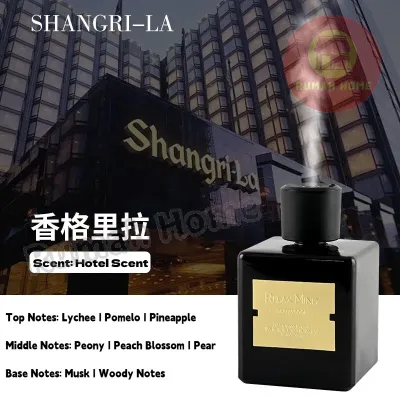
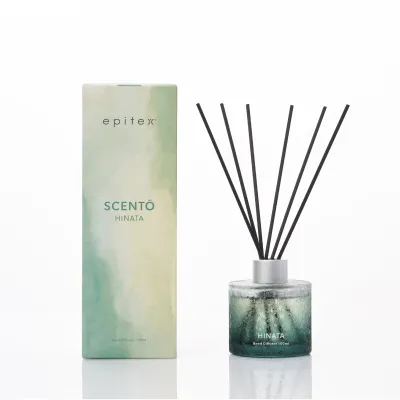
Prices are valid at publication and may change. Please refer to the product page for the latest price.
Heat diffusers utilize gentle, localized warmth to evaporate essential oils into the surrounding air. These devices typically feature a small metal or ceramic dish positioned over an electric heating element or a small tea light candle. As the temperature of the dish rises, the volatile compounds in the oil evaporate, releasing a subtle fragrance into the immediate vicinity without any mechanical noise.
Ultrasonic Diffusers: Best for Ambient Scent and Moisture
Ultrasonic models are highly suited for medium-sized rooms, such as bedrooms or home offices, particularly in dry or air-conditioned environments. Because they disperse oil diluted in water, they introduce a mild, pleasant scent that is rarely overwhelming. The gentle mist can also help soothe dry skin and sinuses in air-conditioned spaces, making them popular dual-purpose additions to modern homes.
However, these devices come with specific trade-offs that require your attention. Because they rely on standing water, ultrasonic diffusers require regular water changes and frequent cleaning to prevent mold, mildew, and bacterial buildup. If left uncleaned, the tank can become a breeding ground for microbes, which are then dispersed directly into your breathing zone. Additionally, the scent throw is generally milder and less persistent than that of a nebulizer, as the fragrance molecules are heavily diluted.
When shopping for an ultrasonic model, several key verification checks are essential. First, check the tank capacity, which typically ranges from 100 milliliters to over 500 milliliters; a larger tank allows for longer continuous run times but requires a larger physical footprint. Look for an automatic shutoff feature that powers down the device when the water level runs low to prevent the ceramic disc from overheating. Finally, verify the noise level of the internal fan, as some budget models can produce a noticeable whirring sound that might disrupt your sleep.
Nebulizing Diffusers: Best for Potent Scent and Large Spaces
Nebulizing diffusers are the preferred choice for large, open-plan living areas or for users who desire an intense, pure aromatherapy experience. Because they disperse undiluted essential oils directly from the bottle, they deliver the full, unaltered aromatic profile of the plant extract. This makes them highly effective at quickly filling expansive spaces with a robust and long-lasting fragrance.

Despite their performance advantages, nebulizers have distinct trade-offs. They consume essential oils at a much faster rate than ultrasonic or heat models, which can significantly increase your ongoing operating costs. The internal air pump required to create the high-velocity air stream also generates a constant, low-frequency humming noise. While some users find this sound negligible, others may find it too loud for quiet bedrooms or meditation spaces.
Before purchasing a nebulizing diffuser, perform a few practical checks. Inspect the design of the glass micro-tubes, as these components are fragile and can be difficult to replace if broken. Verify the viscosity compatibility of the device; thick, resinous oils like vetiver, patchouli, or sandalwood can easily clog the narrow tubes, requiring frequent maintenance. Ensure you are comfortable with the specific cleaning routine, which usually involves flushing the nozzle with isopropyl alcohol to dissolve stubborn oil residues.
Heat Diffusers: Best for Silent Operation and Portability
Heat diffusers excel in small, intimate spaces where absolute silence and minimal maintenance are the primary requirements. Because they have no moving parts, fans, or vibrating discs, they operate in complete silence, making them excellent companions for bedside tables, study desks, or reading nooks. Their compact, waterless design also makes them highly portable and easy to pack for travel.
The primary trade-off of heat-based diffusion is the potential alteration of the essential oil’s chemical profile. Applying heat can break down the delicate, volatile compounds in certain oils, particularly citrus oils, which may alter their therapeutic properties or change the perceived fragrance notes. Furthermore, the scent throw is highly localized, meaning the fragrance will generally remain confined to the immediate area around the device rather than filling an entire room.
When evaluating a heat diffuser, check the temperature control settings. High-quality models feature low, regulated temperatures that warm the oil gently without burning it, whereas cheaper models may overheat the oil and produce a scorched smell. Verify the power source options, such as USB connections, battery power, or standard wall plugs, to ensure the device fits your intended location. Finally, establish safe placement boundaries, keeping the diffuser on a stable, heat-resistant surface well away from flammable materials, curtains, or drafty areas.
Decision Framework: Matching the Diffuser to Your Room
To select the right home diffuser, you must match the technology to your specific living space, budget, and lifestyle. If you are looking for a budget-friendly option that provides a mild, relaxing scent alongside a soft ambient light, choose an ultrasonic diffuser. This type is ideal for air-conditioned bedrooms where a touch of extra moisture is welcome, provided you are willing to clean the water tank every few days.
If your priority is a strong, room-filling fragrance in a large living area and you prefer not to deal with daily water refills, choose a nebulizing diffuser. While the initial cost of the device and the ongoing cost of pure essential oils may be higher, the scent delivery is unmatched. This option is best suited for open-concept homes where the low hum of the pump will easily blend into the background noise of daily life.
If you require absolute silence for sleep or study, have a very small room, or want a highly portable device with almost zero daily maintenance, choose a heat diffuser. This option is incredibly simple to use and clean, though you should be prepared for a more localized scent experience and potential changes in the fragrance profile of delicate oils.
Before finalizing your choice, always verify safety considerations if you share your home with pets, young children, or individuals with respiratory conditions. Certain essential oils, such as tea tree, eucalyptus, and peppermint, can be highly toxic to cats and dogs when dispersed into the air. Always consult safety guidelines regarding oil toxicity and recommended dispersion rates, and ensure your chosen room has adequate ventilation before operating any diffuser.
Maintenance and Safety Checks for Home Diffusers
Proper maintenance is crucial to ensure the longevity of your home diffuser and to protect your indoor air quality. For ultrasonic models, always check the manufacturer’s instructions for descaling the water tank; this typically involves wiping the interior with a soft cloth dipped in diluted white vinegar to remove mineral deposits. For nebulizers, regularly flush the glass micro-tubes with isopropyl alcohol to prevent old oil from drying and clogging the narrow pathways.
Electrical safety must also be a priority when operating these devices. Always verify that the voltage of the diffuser matches your home’s electrical outlets (typically 230V in Singapore) and look for recognized safety certifications. Keep all power cords, adapters, and electrical interfaces dry and positioned away from water sources, damp surfaces, or high-traffic areas where they could be tripped over.
Finally, establish clear stop conditions for your device. Immediately unplug the diffuser and consult the manufacturer or a qualified professional if you notice unusual burning odors, a stalling motor, visible damage to the power cord, or if the housing becomes excessively hot to the touch. Never attempt to disassemble the electrical components yourself, as this can void the warranty and pose a serious risk of electrical shock.
Frequently Asked Questions (FAQ)
Can I use synthetic fragrance oils in a nebulizing diffuser?
Nebulizing diffusers are designed specifically for pure, natural essential oils. Synthetic fragrance oils or carrier oils (such as jojoba, sweet almond, or coconut oil) are often much thicker and more viscous than pure essential oils. Using these heavier liquids can permanently clog or damage the delicate glass micro-tubes inside the nebulizer. Always check the manufacturer’s warranty terms and product manual, as using unauthorized synthetic oils will often void your coverage.
Do ultrasonic diffusers actually humidify a room?
While ultrasonic diffusers do release a fine water mist into the air, their primary function is fragrance dispersion rather than humidification. The water tank capacity of a typical home diffuser (usually between 100ml and 500ml) is far too small to significantly alter the relative humidity of an entire room. If you require substantial moisture control for dry skin or respiratory comfort, you should check the specifications of a dedicated room humidifier, which typically holds several liters of water and has a much higher output rate.
Community discussion
Share your experience or ask a question. Comments are reviewed before publication.