
Choosing the right essential oil diffuser is more than a matter of aesthetic preference; it directly dictates how scent is dispersed, how often you must clean the device, and how the technology interacts with your home environment. Whether you are trying to soften the dry air of an air-conditioned bedroom or seeking a powerful, pure aromatic experience in a spacious living area, the mechanism behind your diffuser plays a critical role. By understanding the distinct engineering of ultrasonic, nebulizing, and heat diffusers, you can select a system that aligns with your lifestyle, maintenance tolerance, and sensory goals.
In Singapore’s unique climate—where high outdoor humidity often contrasts with dry, air-conditioned indoor spaces—the way a diffuser introduces moisture and scent into a room is particularly important. An incorrect choice can lead to excessive localized dampness, clogged components, or a scent throw that is either too weak to notice or too intense for a compact apartment. Evaluating these three popular technologies side by side allows you to make an informed investment for your home decor and wellness routine.
How Ultrasonic, Nebulizing, and Heat Diffusers Actually Work
Ultrasonic diffusers rely on a small, flexible ceramic disc situated at the bottom of a water reservoir. When electricity passes through this transducer, it vibrates at an incredibly high ultrasonic frequency. These rapid vibrations create microscopic waves in the water, which break the mixture of water and added essential oils into an extremely fine, cool mist. A small internal fan then pushes this mist upward into the room, where it disperses as a light, visible vapor that adds a small amount of localized moisture to the immediate surroundings.
Products mentioned in this guide

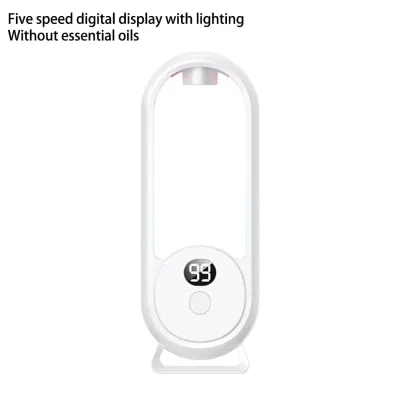
![[LOCAL STOCK-Deliver in 1-3 days] Smart Automatic Aroma Diffuser Air Freshener 5th Gen Nano Mist Fragrance Machine Adjustable Mist Level Wall Mounted Scent Diffuser Leakproof Essential Oil Scent Device for Bathroom Bedroom Office Hotel](https://img.lazcdn.com/g/p/ac20454177c688cb8e6d65dbe17e0fc4.jpg_400x400q80.jpg_.webp)
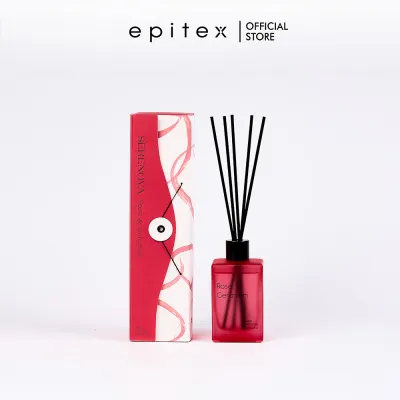
![[SG Ready Stock] Ritz Carlton Inspired Scent. HOTEL COLLECTION REED DIFFUSER 100ml. Aromatherapy Diffuser Home Fragrance Essential Oil](https://img.lazcdn.com/g/p/f7ddecb5db9960151dc448393b1f1d7a.jpg_400x400q80.jpg_.webp)
Prices are valid at publication and may change. Please refer to the product page for the latest price.
Nebulizing diffusers operate on a completely different mechanical principle, utilizing fluid dynamics known as Bernoulli’s principle. A small, built-in air compressor forces a high-velocity stream of pressurized air through a specialized nozzle, which sits adjacent to a tiny glass suction tube. This rapid airflow creates a vacuum that draws the pure essential oil upward, atomizing it into a dry, ultra-fine mist of microscopic oil droplets. Because this process uses no water and no heat, the oil is released into the air in its purest, most concentrated form.
Heat diffusers utilize thermal energy to facilitate the evaporation of essential oils. These devices typically feature a small, shallow dish made of ceramic, stone, or metal positioned above a gentle electric heating element. When you place a few drops of oil onto the dish, the heat warms the liquid, accelerating the natural evaporation process of the volatile aromatic compounds. This method is entirely mechanical-free, relying solely on thermal conduction to release the scent into the surrounding air without creating any visible mist or vapor.
Comparing Scent Strength, Coverage, and Maintenance
The purity and intensity of the aroma vary dramatically across these three technologies. Nebulizing models deliver the most potent and unaltered scent throw because they disperse undiluted essential oil directly into the air. Ultrasonic models, by contrast, dilute a few drops of oil within a larger volume of water, resulting in a much softer, more subtle aromatic presence. Heat diffusers provide a gentle, localized scent that can sometimes be slightly altered in character, as the heat can break down the more delicate, heat-sensitive top notes of certain complex essential oils.

When matching a diffuser to room dimensions, spatial coverage is a key consideration. Nebulizers excel in larger, open-concept spaces because the dry, microscopic oil droplets are incredibly light and can remain suspended in the air currents for extended periods. Ultrasonic diffusers are highly effective for medium-sized rooms, such as bedrooms or home offices, where the localized mist can settle comfortably within a defined radius. Heat diffusers have the most limited coverage, making them suitable primarily for personal desks, small bathrooms, or immediate bedside placement.
Maintenance routines represent a major practical difference in daily ownership. Ultrasonic diffusers require frequent attention because standing water can quickly become a breeding ground for mold, bacteria, and mineral scale, especially if you use tap water. You must empty, rinse, and wipe down the reservoir every few days to keep the mist clean. Nebulizers do not suffer from water mold, but their intricate glass micro-tubes are highly susceptible to clogging from dried oil residue, requiring regular flushes with isopropyl alcohol. Heat diffusers are arguably the easiest to maintain, needing only a quick wipe of the cooling dish with a damp cloth to remove residual oil buildup.
Oil consumption rates also impact the long-term running costs of each device. Because nebulizers atomize pure oil directly from the bottle or reservoir, they consume essential oils at a much faster rate, which can become costly over time. Ultrasonic diffusers are highly economical, requiring only three to ten drops of oil mixed with water to run for several hours. Heat diffusers are similarly conservative with oil usage, though the heat can cause lighter oils to evaporate rapidly at the beginning of a cycle, leaving heavier base notes behind.
Matching the Right Diffuser to Your Room and Lifestyle
An ultrasonic model is highly suitable if you spend significant time in air-conditioned rooms where the air tends to feel dry and stripped of moisture. The gentle, cool mist provides a subtle sensory backdrop rather than an overwhelming scent, making it excellent for daily relaxation or work focus. Additionally, because these devices require water, they often feature multi-functional designs, including soft LED ambient lighting, color-changing modes, and programmable timers that complement modern interior decor.
A nebulizing model is the ideal choice if you prioritize a strong, immediate, and highly pure aromatic experience. If you want to fill a large living room or an open-plan apartment with a consistent scent without adding any extra humidity to Singapore’s naturally warm climate, the dry mist of a nebulizer is highly effective. This type of diffuser is favored by those who appreciate the true, unadulterated profile of high-quality essential oils and prefer a device that does not require daily water refills.
Choose a heat diffuser if your absolute priority is complete silence and minimal upkeep. Because they have no vibrating plates, fans, or air compressors, electric heat diffusers operate in total silence, making them perfect for meditation spaces, quiet reading corners, or bedside tables for light sleepers. Their compact, simple designs fit easily into minimalist decor schemes, and they offer a straightforward plug-and-play experience without the complexity of water tanks or delicate glassware.
Before making your final decision, always verify specific household and environmental factors. If you have pets, particularly cats or dogs, keep in mind that highly concentrated essential oils dispersed by powerful nebulizers can be hazardous to their sensitive respiratory systems and livers. Individuals with asthma or other chronic respiratory sensitivities should exercise caution with both the heavy mist of ultrasonic models and the intense vapor of nebulizers. Finally, check the viscosity of your favorite oils; thick, resinous oils like vetiver, patchouli, or sandalwood can easily clog the delicate mechanisms of nebulizers and ultrasonic plates, whereas a heat diffuser can handle them with ease.
Safety, Placement, and Electrical Checks
Because ultrasonic diffusers actively release moisture into the air, proper placement is essential to protect your home furnishings. Avoid placing these units directly adjacent to sensitive home electronics, power strips, or untreated wooden furniture, as the settling mist can cause wood warping, veneer peeling, or electrical short circuits. Ensure the device is positioned in a well-ventilated area of the room rather than a tight, stagnant corner where condensation can accumulate and encourage localized mold growth on walls or curtains.
For heat diffusers, fire safety and burn prevention are the primary concerns. Always place electric warming units on a flat, stable, and heat-resistant surface, well away from flammable materials such as loose papers, books, or flowing curtains. Ensure the power cord is tucked away safely to prevent the unit from being accidentally knocked over, and keep the device strictly out of reach of curious children or pets who could be burned by the warm ceramic housing or the heated oil pool.
When purchasing any electrical diffuser, especially from online marketplaces or international retailers, you must verify local electrical compatibility. Ensure the device’s power adapter is rated for Singapore’s standard voltage of 230V and a frequency of 50Hz. Look for recognized safety certifications, such as the local Safety Mark on the power adapter, to guarantee the unit has been tested for electrical safety and is safe for continuous, unattended operation in your home. Avoid using cheap, uncertified travel adapters for long-term household appliances.
Regardless of the type of diffuser you choose, establish clear stop conditions for safe operation. Immediately unplug and inspect your device if you notice unusual buzzing or grinding noises, if the plastic casing feels excessively hot to the touch, or if you detect a faint burning smell. If you find persistent mold or black spots in an ultrasonic water tank that cannot be removed through standard cleaning, discontinue use of the water tank to avoid dispersing mold spores into your living space.
Frequently Asked Questions (FAQ)
Can I use thick carrier oils or resinous essential oils in any diffuser?
No, thick carrier oils like jojoba, sweet almond, or coconut oil should never be used in ultrasonic or nebulizing diffusers, as they are too heavy to be atomized and will permanently clog or damage the mechanisms. Similarly, highly viscous, resinous essential oils like vetiver, patchouli, and myrrh can quickly clog the microscopic glass tubes of a nebulizer or build up as a stubborn film on an ultrasonic vibrating plate. If you frequently use these thick oils, they are best suited for heat diffusers, which can gently warm the viscous liquid without relying on delicate, clog-prone micro-tubes.
Do ultrasonic diffusers actually humidify a room effectively?
While ultrasonic diffusers do release a visible cool mist, their humidifying capacity is extremely localized and limited. A typical diffuser water reservoir holds between 100ml and 500ml of water, which is dispersed slowly over several hours. This output is far too small to significantly alter the overall relative humidity of an entire medium-to-large room. While it can provide a very slight, pleasant moisture boost to the air immediately surrounding your desk or bedside table, you will need a dedicated, large-capacity household humidifier if your goal is to effectively humidify a whole room.
Is it safe to leave a heat diffuser on overnight?
Leaving a heat diffuser on overnight is only safe if the device is specifically engineered for continuous, unattended use. You must verify that your electric heat diffuser features an automatic shut-off timer or a low-wattage, self-regulating heating element that cannot overheat even if the oil completely evaporates. Never leave a candle-lit heat diffuser or any unit with an open flame active while you are sleeping, as this presents an extreme fire hazard. Always check the manufacturer’s instructions regarding maximum continuous run times before leaving any heating device active overnight.
Community discussion
Share your experience or ask a question. Comments are reviewed before publication.