
Choosing the right essential oil diffuser is not about finding a single, universally superior device. Instead, the ideal choice depends on your specific living space, your budget for essential oils, your sensitivity to noise, and how much time you want to spend on routine maintenance. The three primary technologies on the market—ultrasonic, nebulizing, and heat diffusers—each offer a distinct approach to dispersing fragrance. By understanding how these systems operate, you can select a model that aligns with your daily habits and home environment.
Ultrasonic diffusers rely on water to create a gentle, humidifying mist, making them highly popular for everyday home use. Nebulizing diffusers bypass water entirely, using pressurized air to deliver a highly concentrated, pure aroma. Heat diffusers use gentle warmth to evaporate oils quietly, offering a simple and low-maintenance alternative. Each technology serves a different purpose, and comparing their mechanics, scent output, and maintenance needs will guide you to the right purchase.
Understanding the Core Diffuser Technologies
To make an informed decision, it is helpful to understand the mechanical processes that drive each type of diffuser. These engineering differences directly affect how the fragrance is dispersed, how much oil is consumed, and how the device sounds during operation.
Products mentioned in this guide
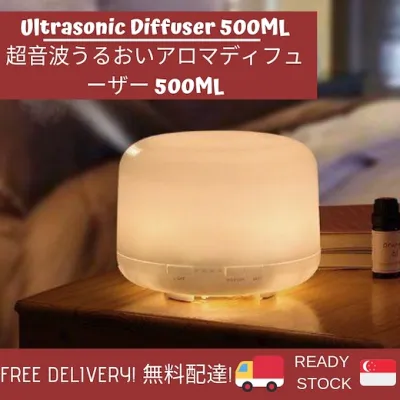
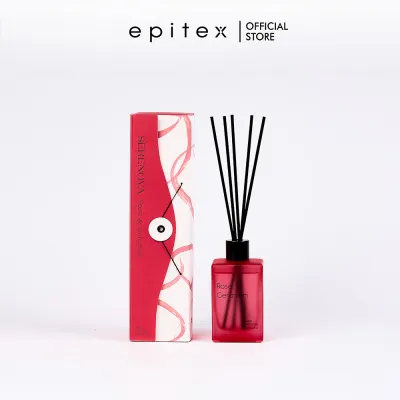
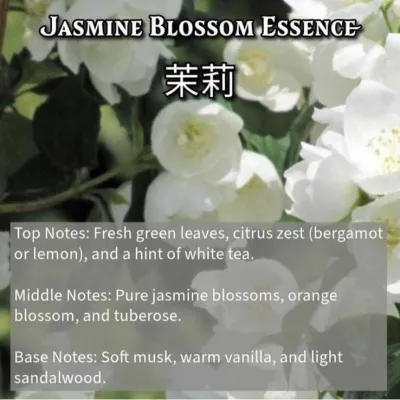
Prices are valid at publication and may change. Please refer to the product page for the latest price.
Ultrasonic diffusers feature a small, flexible ceramic disc or diaphragm at the base of a water reservoir. When the device is powered on, this disc vibrates at an incredibly high frequency, typically over one million times per second. These ultrasonic vibrations create microscopic waves in the water-and-oil mixture, breaking the liquid down into an extremely fine, cool mist. A small internal fan then pushes this mist upward and out into the room, carrying the suspended essential oil particles along with it.
Nebulizing diffusers operate on a completely different mechanical principle, often referred to as the Bernoulli principle. These devices do not use water or heat. Instead, an internal air pump forces a stream of pressurized air through a very narrow nozzle, creating a high-velocity air current. This movement generates a vacuum that pulls pure essential oil up through a secondary micro-tube from an attached bottle. When the oil meets the high-speed air stream, it is atomized into a cloud of microscopic, undiluted droplets. These pure oil particles are then released directly into the air, providing an immediate and potent aromatic experience.
Heat diffusers utilize gentle thermal energy to disperse fragrance. These devices typically consist of a warming dish or a slot for an absorbent pad, positioned above an electric heating element or a small tea light candle. When essential oil is placed on the dish or pad, the heat source warms the liquid to a controlled temperature. This warmth accelerates the natural evaporation rate of the volatile compounds within the essential oil, allowing the scent to drift into the immediate surrounding air. Because they do not rely on fans or pumps, heat diffusers operate without moving parts.
Comparing Scent Throw and Essential Oil Efficiency
The strength of the aroma and the rate at which a device consumes essential oils are critical factors in determining long-term satisfaction and operating costs. Depending on the technology, a single bottle of essential oil can last for months or be depleted in a matter of days.

Nebulizing diffusers deliver the strongest and most immediate scent throw of any technology. Because they atomize pure, undiluted essential oil, the resulting vapor contains no water to dilute the fragrance. This makes nebulizers highly effective for rapidly filling large spaces with a rich, true-to-nature aroma. However, this high performance comes at a cost. Nebulizers consume essential oils at a much faster rate than other models. For this reason, many nebulizing units feature built-in interval timers that run the pump for only a few minutes at a time to conserve oil.
Ultrasonic diffusers offer a moderate, highly diluted scent throw that is well-suited for continuous, long-term use. Because the essential oil is mixed into a relatively large volume of water, only a few drops (typically five to ten) are needed to scent a room for several hours. The mist released is a mixture of water vapor and tiny oil droplets, resulting in a softer, more subtle fragrance profile. This makes ultrasonic models highly cost-effective, as a single bottle of essential oil lasts significantly longer when dispersed through a water medium.
Heat diffusers provide a localized and subtle scent profile. The warmth coaxes the lighter, more volatile top notes of the oil into the air first, followed by the heavier base notes. While this creates a pleasant, close-range aroma, the scent throw is generally limited to the immediate vicinity of the device. Additionally, excessive heat can sometimes alter the delicate chemical structure of certain essential oils, slightly changing their aromatic profile. Oil consumption is moderate and depends entirely on how much oil you apply to the warming dish or pad.
| Diffuser Type | Scent Strength | Oil Consumption Rate | Typical Continuous Runtime | Water Required? |
|---|---|---|---|---|
| Ultrasonic | Moderate & Diluted | Low (Few drops per tank) | 4 to 12 hours (dependent on tank size) | Yes |
| Nebulizing | Strong & Concentrated | High (Rapid consumption) | 1 to 4 hours (often on interval timers) | No |
| Heat | Subtle & Localized | Moderate (Depends on heat level) | 1 to 4 hours (or until pad dries) | No (or optional reservoir) |
Evaluating Noise Levels and Daily Maintenance
The acoustic profile and the amount of hands-on upkeep required are often overlooked when purchasing a diffuser, yet they heavily influence daily usability. A device that is too loud or too difficult to clean may quickly end up unused in a cupboard.
Ultrasonic diffusers are generally very quiet, making them excellent companions for bedrooms and quiet workspaces. The primary sounds they produce are a soft, low-frequency hum from the small internal fan and the occasional gentle trickling or bubbling of water. However, because they hold water, they require regular cleaning to prevent mold, bacteria, and mineral buildup. You should empty the reservoir and wipe it dry after every few uses. Once a week, it is advisable to clean the tank with a soft cloth and a mixture of water and white vinegar to descale the ultrasonic disc and maintain optimal mist production.
Nebulizing diffusers are the loudest of the three types due to the mechanical air pump required to atomize the oil. This pump produces a distinct, rhythmic humming or buzzing sound during operation. While high-quality models often feature rubberized feet or insulated housings to dampen these vibrations, the sound is still noticeable in a quiet room. Maintenance for nebulizers involves keeping the delicate glass or metal micro-tubes clear of residue. Over time, heavy or resinous essential oils can dry and clog these narrow passages. To prevent this, you must periodically flush the tubes by running a small amount of rubbing alcohol through the system.
Heat diffusers are virtually silent, as they do not contain fans, pumps, or vibrating discs. This makes them ideal for environments where absolute quiet is necessary. Maintenance is exceptionally simple. For electric warming dishes, you only need to wipe away any leftover oil residue with a damp cloth or a paper towel once the device has cooled down. For models that use absorbent pads, maintenance is as simple as discarding the old pad and inserting a fresh one when the scent fades or when you wish to switch to a different essential oil.
Matching Room Size, Safety, and Climate Needs
Selecting the right diffuser also requires evaluating the physical environment where it will be placed, including room dimensions, local climate conditions, and household safety requirements.
Room size is a primary consideration for effective scenting. Nebulizing diffusers, with their powerful and concentrated output, are highly effective for large, open-plan living areas, high-ceiling rooms, or professional spaces. Ultrasonic diffusers are best suited for medium-sized rooms, such as standard bedrooms, home offices, or enclosed living areas where the mist can circulate evenly. Heat diffusers are designed for personal zones; they work beautifully on a bedside table, a study desk, or in a small bathroom where the fragrance only needs to travel a short distance.
Safety features should be verified before making a purchase. Look for devices equipped with an automatic shutoff function, which turns the heating element or ultrasonic disc off when the water reservoir or timer runs out. This is particularly important for preventing dry-burning hazards. If you share your home with pets, young children, or individuals with respiratory sensitivities, research the specific essential oils you plan to use. Some common oils can be highly irritating or toxic to animals and sensitive airways, so it is crucial to consult a qualified professional or veterinarian and ensure proper ventilation.
The local climate also plays a role in your choice. In tropical regions like Singapore, indoor environments are frequently cooled by air conditioning, which can strip moisture from the air and cause dry skin or throat irritation. Ultrasonic diffusers release a cool, fine water mist that adds a small amount of localized humidity to the room, making air-conditioned spaces feel slightly more comfortable. Conversely, if you live in a naturally humid environment and do not want to introduce additional moisture into your home, nebulizing or heat diffusers are excellent alternatives because they disperse fragrance without altering humidity levels.
Finally, always perform basic electrical verifications when purchasing imported diffusers online. Ensure the device’s voltage rating is compatible with the local power supply (typically 230V in Singapore) and that it uses a safe, compatible plug type. Checking for recognized electrical safety certifications on the product label helps ensure the device operates safely without risking short circuits or electrical faults in your home.
Final Decision: Which Diffuser Fits Your Lifestyle?
To finalize your decision, consider which set of characteristics aligns best with your daily routine, budget, and sensory preferences.
You should choose an ultrasonic diffuser if you want a versatile, budget-friendly option that runs quietly for hours at a time. This type is ideal if you enjoy a subtle, continuous background scent and appreciate a mild humidifying effect in dry, air-conditioned rooms. It is also the easiest option to find in a wide variety of decorative designs to match your home decor.
You should choose a nebulizing diffuser if your primary goal is maximum scent strength and purity. This option is perfect for large spaces, open floor plans, or therapeutic applications where you want the true, unaltered aroma of pure essential oils. Keep in mind that you will need a larger budget for essential oils and must be comfortable with a soft, mechanical pump hum and regular alcohol cleaning.
You should choose a heat diffuser if you prioritize absolute silence, minimal maintenance, and a compact design for a small personal space. It is an excellent choice for a work desk or bedside table where you want a gentle, localized scent without adding any moisture to the air or dealing with complex cleaning routines.
Before making your final purchase, verify the types of essential oils you plan to use. If you prefer thick, resinous oils, ensure your chosen device can handle them without clogging. Always check the manufacturer’s specifications for tank capacity, runtime, and cleaning instructions to ensure your new diffuser provides a safe and pleasant aromatic experience for years to come.
Frequently Asked Questions (FAQ)
Can I use carrier oils or thick essential oils in any diffuser?
Carrier oils, such as jojoba, sweet almond, or coconut oil, should never be used in ultrasonic or nebulizing diffusers. These heavy, non-volatile oils do not evaporate or atomize properly; instead, they will coat the delicate ultrasonic diaphragm or clog the microscopic tubes of a nebulizer, permanently damaging the device. Thick, highly viscous essential oils like vetiver, patchouli, or sandalwood can also cause severe clogging in nebulizing diffusers. If you wish to diffuse these thicker essential oils, they should be highly diluted with lighter oils, or used in a heat diffuser that utilizes disposable pads or an easily cleanable warming dish.
Do ultrasonic diffusers provide enough moisture to act as a real humidifier?
No, ultrasonic diffusers do not produce enough moisture to replace a dedicated room humidifier. While they do release a visible cool mist, their water reservoirs are relatively small, typically ranging from 100ml to 500ml, and their hourly mist output is minimal. A dedicated room humidifier is designed to process several liters of water daily to raise the relative humidity of an entire room. An ultrasonic diffuser only provides a very localized, mild moisture boost in the immediate area surrounding the device. If you need to address dry air issues in a large air-conditioned room, you should use a dedicated humidifier alongside your diffuser.
Community discussion
Share your experience or ask a question. Comments are reviewed before publication.