
Choosing the right essential oil diffuser depends on whether you prioritize therapeutic potency, room humidification, or silent operation. With several technologies available on the market, understanding how each system disperses aromatic compounds is key to maximizing your investment in high-quality essential oils. Nebulizing diffusers deliver the most concentrated, unaltered aroma by dispersing pure oil without water or heat, making them ideal for dedicated aromatherapy. Ultrasonic diffusers offer a milder scent alongside a gentle humidifying mist, while heat diffusers provide a budget-friendly, completely silent option for small personal spaces. By evaluating how these devices operate, you can select the technology that best fits your lifestyle, room size, and budget.
How Each Diffuser Technology Affects Essential Oils
Every diffuser technology interacts with essential oils differently, altering how the aromatic compounds enter your living space. Understanding these mechanical processes helps you choose a device that aligns with your wellness goals and preserves the integrity of your chosen oils.
Ultrasonic diffusers rely on a small ceramic disc vibrating at an ultrasonic frequency to create a fine, cool mist. You fill a water tank and add a few drops of essential oil, which floats on the surface. The high-frequency vibrations break the water and oil mixture into microscopic droplets, dispersing them into the air. Because the oil is diluted in water, the resulting aroma is lighter and more gradual, making it suitable for continuous, subtle background scenting. The cool mist ensures that the chemical structure of the oil remains completely unaltered by heat, though the concentration of the scent is naturally lower due to the water dilution.
Products mentioned in this guide
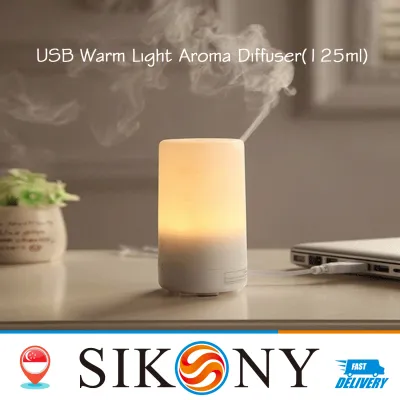

Prices are valid at publication and may change. Please refer to the product page for the latest price.
Nebulizing diffusers operate on a completely different principle, using a high-velocity air stream to atomize pure essential oil. This process, often referred to as the Venturi effect, pulls the oil through a micro-tube and breaks it into an incredibly fine dry mist without using any water or heat. Because the oil remains undiluted, the chemical profile of the botanical compounds is preserved in its original state, delivering a highly potent and immediate aromatic experience. This makes nebulizers the preferred choice for therapeutic aromatherapy, as you inhale the pure, concentrated essence of the plant.
Heat diffusers use a thermal element to gently warm the essential oil, causing it to evaporate into the surrounding air. This method does not use water or moving parts, relying instead on a heated plate or a saturated pad. While this process is completely silent, the application of heat can alter the delicate top notes of certain complex oils, such as citrus or floral extracts, potentially changing their scent profile and therapeutic characteristics. However, for robust oils like lavender or sandalwood, a low-temperature heat diffuser can provide a steady, comforting aroma without any mechanical complexity.
Comparing Coverage, Noise, and Running Costs
When selecting a diffuser for your home, practical daily-use factors like room coverage, operating noise, and ongoing oil consumption will directly impact your satisfaction. Each technology presents distinct trade-offs that make them suitable for different environments and budgets.

Room coverage varies significantly across the three technologies. Nebulizing diffusers are highly efficient at dispersing scent across large, open-concept living areas because they release concentrated, undiluted micro-droplets that hang in the air longer. Ultrasonic diffusers are generally best suited for medium-sized rooms, such as bedrooms or home offices, where the cool mist can circulate effectively within a localized zone. Heat diffusers have the most limited range, making them ideal for small personal spaces, desks, or bedside tables where the user is in close proximity to the device.
Operating noise is another critical consideration, especially if you plan to use the device while sleeping or working. Heat diffusers are completely silent because they have no moving parts, fans, or pumps. Ultrasonic models produce a very low, soothing hum from the internal fan, often accompanied by the gentle sound of trickling water, which many find relaxing. In contrast, nebulizing diffusers utilize an air pump that produces a noticeable mechanical hum or vibration, which may be distracting in a quiet bedroom unless placed on a soft surface to dampen the sound.
Long-term running costs are heavily influenced by essential oil consumption rates. Nebulizers consume oil much faster because they atomize pure, undiluted liquid directly from the bottle or a small reservoir. Ultrasonic diffusers are highly economical with oil, requiring only a few drops per water tank fill to provide hours of scent. Heat diffusers also use oil sparingly, but you should check the manufacturer’s specifications for exact consumption rates and recommended oil volumes to avoid wasting precious extracts. In terms of initial purchase price, basic ultrasonic and heat models are highly accessible, often starting around S$30 to S$60, whereas high-quality nebulizing diffusers typically represent a larger investment, ranging from S$80 to S$150 or more.
Matching the Right Diffuser to Your Usage Scenario
Finding the perfect match requires looking at your physical environment, budget, and personal preferences. A conditional decision framework can help you narrow down the options based on your specific daily routine and spatial constraints.
A nebulizing diffuser is the ideal choice if your primary goal is to experience the full, unaltered therapeutic benefits of essential oils. This technology is perfect for large living rooms, open-plan apartments, or professional therapy spaces where a strong, immediate aroma is desired. While the initial cost of the device and the ongoing oil consumption are higher, the purity of the scent delivery is unmatched for those who practice serious aromatherapy.
An ultrasonic diffuser is highly recommended if you want a budget-friendly, multi-purpose device that adds a touch of moisture to dry, air-conditioned rooms. These models are excellent for bedrooms, nurseries, or home offices, offering a soft ambient glow and a gentle mist that can run for several hours on a single fill. They are also widely available in various decorative styles to match your interior decor, making them a popular lifestyle accessory.
A heat diffuser is best suited for those who prioritize absolute silence, portability, and minimal maintenance. If you want a simple, compact device for your office desk or a small guest bathroom without the hassle of refilling water tanks or cleaning complex glass parts, a thermal model fits perfectly. They are also highly portable, with many USB-powered options available for travel or use in vehicles.
However, none of these technologies may fit your needs if you are looking for a high-capacity room humidifier to combat severe dryness, as even ultrasonic diffusers release too little moisture to significantly alter a room’s humidity levels. Additionally, if your living space lacks proper ventilation, dispersing concentrated essential oils can become overwhelming and irritate the respiratory system. In high-humidity environments, adding extra moisture via an ultrasonic model might also be undesirable, making a waterless nebulizer or heat diffuser a more practical choice.
Before making a purchase, always verify specific safety and compatibility boundaries. If you have pets or young children, check which essential oils are safe to diffuse around them, as certain botanical compounds can be toxic to animals. You should also review the manufacturer’s instructions regarding oil viscosity limits, as some devices cannot handle thick, resinous oils without clogging. Finally, ensure the device is compatible with local electrical standards, particularly if you are purchasing from an online marketplace or importing a model from overseas.
Maintenance, Cleaning, and Safety Checks
Proper maintenance is essential to keep your diffuser operating safely and to prevent the buildup of mold, bacteria, or sticky oil residues. Each technology requires a specific cleaning routine to ensure longevity and optimal performance.
For ultrasonic diffusers, the primary concern is preventing mold and bacterial growth in the standing water tank. You should empty the water reservoir after every use and wipe it down with a soft cloth. Clean the tank thoroughly once a week using a mixture of water and mild dish soap or white vinegar, paying close attention to the ultrasonic ceramic disc. Always check that the water level sensors are clean and free of mineral buildup to ensure the automatic shut-off feature functions correctly and prevents the device from running dry.
Nebulizing diffusers require careful handling to avoid clogging the delicate glass micro-tubes. To maintain consistent airflow, avoid using thick carrier oils or heavy, resinous essential oils like patchouli or vetiver. Clean the glass reservoir regularly by adding a small amount of high-percentage rubbing alcohol and running the device for a few minutes in a well-ventilated room. If a clog occurs, gently soak the glass components in warm, soapy water according to the manufacturer’s instructions, and avoid using sharp objects to clear the tubes.
Heat diffusers require careful management of the thermal element to prevent safety hazards. Always ensure the heating plate or dish is cool to the touch before cleaning or replacing disposable pads. Wipe away any leftover oil residue with a damp cloth to prevent it from baking onto the surface, which can create unpleasant burnt odors. Keep the device on a flat, heat-resistant surface well away from flammable materials, curtains, or paper, and never submerge the electrical base in water.
For any diffuser type, always verify the electrical specifications, including voltage compatibility and wattage limits, before plugging it in. In Singapore, household electrical appliances must comply with local safety standards and feature the appropriate plug configuration. If you notice unusual odors, smoke, exposed wiring, or structural damage to the housing, stop using the device immediately. Consult the manufacturer’s instructions or contact a qualified professional to address electrical faults rather than attempting DIY repairs.
Frequently Asked Questions (FAQ)
Can I use thick carrier oils or resinous essential oils in any diffuser?
No, thick carrier oils (like jojoba or sweet almond oil) and heavy resinous essential oils (like sandalwood or vetiver) should not be used in all diffusers. They are highly likely to clog the delicate glass micro-tubes of nebulizing diffusers and can leave a stubborn residue on the vibrating plates of ultrasonic models. Always check the product labels and manufacturer guidelines to verify which oil viscosities your specific device can safely handle.
Do ultrasonic diffusers actually humidify the room effectively?
Ultrasonic diffusers release a fine water mist, but their humidification capacity is very limited compared to dedicated, high-output room humidifiers. While they can add a small amount of localized moisture to the air immediately surrounding the device, they are designed primarily for scent dispersion rather than raising the overall humidity of a medium or large room.
Is it safe to leave a heat diffuser unattended?
You should avoid leaving any heat diffuser unattended unless it is specifically equipped with an automatic shut-off feature and certified safety protections. Because these devices rely on thermal elements to evaporate the oil, running them dry can cause the remaining residue to burn or overheat. Always place the device on a stable, heat-resistant surface away from children, pets, and flammable objects, and follow the manufacturer’s safety guidelines.
Community discussion
Share your experience or ask a question. Comments are reviewed before publication.