
The choice between ultrasonic, nebulizing, and heat fragrance diffusers depends on your space size, desired scent intensity, and maintenance tolerance. Ultrasonic models offer a gentle, water-diluted mist suitable for budget-conscious users who do not mind added humidity. Nebulizing diffusers deliver an intense, pure aroma for larger areas without using water, though they require more active maintenance. Heat diffusers provide a silent, compact, and low-maintenance option for small personal zones, though they can alter delicate oil profiles if temperatures are not carefully regulated. By evaluating how each technology handles essential oils, operates acoustically, and fits into your daily routine, you can find a device that enhances your indoor environment.
Quick Decision Guide: Matching Technology to Your Needs
To select the right fragrance diffuser, evaluate your primary environmental constraints and personal preferences. Each technology serves a specific niche, meaning the right choice depends heavily on where and how you plan to use the device.
Choose an ultrasonic diffuser if you want an accessible, budget-friendly option with adjustable mist settings and integrated ambient lighting. This type is suitable if you do not mind adding a small amount of moisture to your indoor air, making it a practical choice for standard bedrooms or living areas.
Products mentioned in this guide
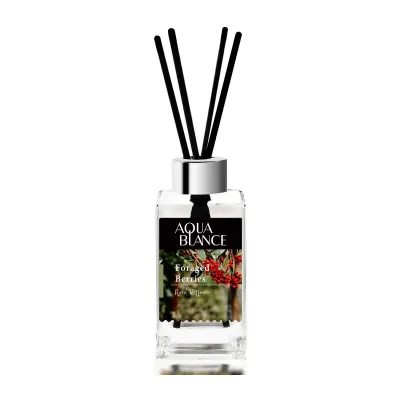
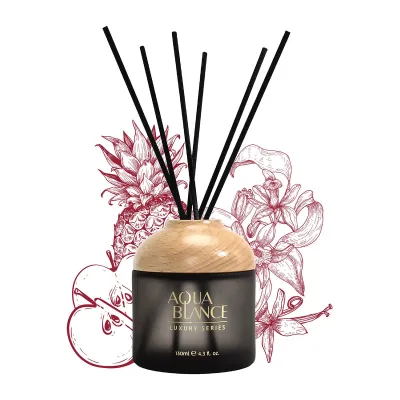
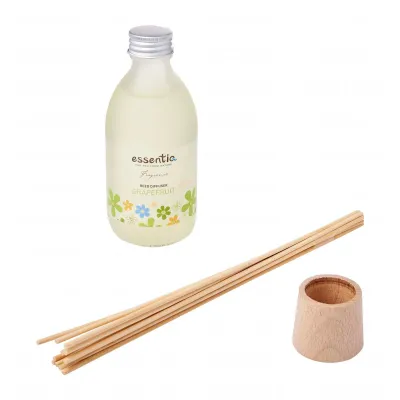
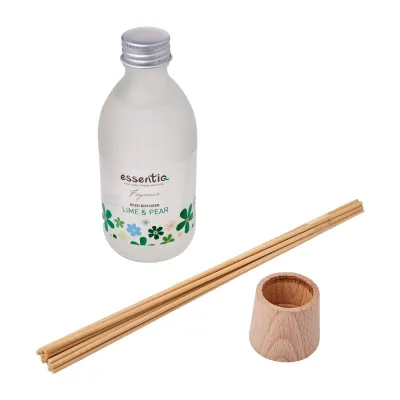
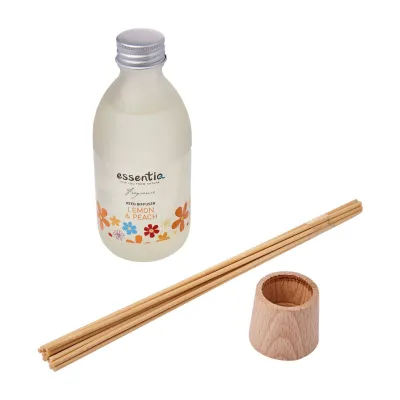

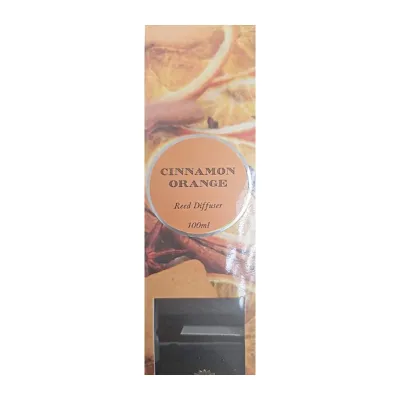
Prices are valid at publication and may change. Please refer to the product page for the latest price.
Select a nebulizing diffuser if your priority is achieving the strongest, purest scent throw across larger rooms or open-plan spaces. This option is appropriate if you are willing to perform regular cleaning and accept a higher rate of oil consumption, as these devices disperse undiluted oil.
Opt for a heat diffuser if you require a virtually silent, compact, and low-maintenance solution for a small personal space, such as a work desk or a bedside table. Because they have no moving parts or water tanks, they fit seamlessly into minimalist setups.
Before making a final choice, verify whether you or anyone in your household has specific respiratory sensitivities. Pure nebulized essential oils or heated synthetic fragrance blends can affect indoor air quality differently, making it important to choose a technology that aligns with your household’s health requirements.
Mechanism and Scent Intensity: How Each Technology Disperses Fragrance
Each diffuser technology relies on a distinct physical mechanism to disperse fragrance, which directly influences the strength and character of the aroma in your room.

Ultrasonic diffusers utilize a small ceramic disc that vibrates at a high frequency. These ultrasonic vibrations break down a mixture of water and essential oils into an extremely fine, cool mist. Because the oil is suspended in water droplets, the resulting scent throw is moderate and diluted, making it suitable for subtle, continuous background fragrancing rather than an intense burst of aroma.
Harnessing a different approach, nebulizing diffusers operate via an air pump that forces pressurized air through a narrow tube, creating a vacuum that draws up pure essential oil. This process atomizes the oil into a dry, micro-fine mist of pure particles without using any water or heat. Consequently, nebulizers deliver a highly concentrated and immediate fragrance that preserves the oil’s original botanical profile, though they consume oil at a much faster rate.
Heat diffusers use a gentle warming element, such as a small electric plate or a bulb, to warm the oil and encourage natural evaporation. While this method is simple and virtually silent, excessive heat can alter the delicate top notes of certain natural essential oils. It is advisable to check the manufacturer’s temperature specifications to ensure the heat remains low enough to preserve the oil’s aromatic profile.
| Diffuser Type | Operating Mechanism | Scent Intensity | Water/Dilution Requirement |
|---|---|---|---|
| Ultrasonic | High-frequency ceramic disc vibration | Moderate (diluted mist) | Requires water and a few drops of oil |
| Nebulizing | Pressurized air pump atomization | High (undiluted micro-particles) | Requires pure essential oil only |
| Heat | Gentle thermal warming element | Low to Moderate (evaporation) | Pure oil or wax melts (no water needed) |
Maintenance, Cleaning, and Daily Upkeep
Regular maintenance is essential for keeping your fragrance diffuser operating efficiently, preventing residue buildup, and ensuring clean air dispersion. Neglecting routine care can void your product warranty and degrade the quality of the scent.
Ultrasonic diffusers require frequent water changes to prevent water stagnation. Because standing water can harbor bacteria or mold, you should empty the tank, wipe it dry, and clean it regularly with a soft cloth to remove mineral deposits or oil residue. Cleaning the ceramic disc weekly with a mild solution ensures it continues to vibrate effectively.
Nebulizing diffusers require periodic flushing to prevent the micro-tubes and air pump from clogging. Running a small amount of rubbing alcohol through the device for a few minutes helps dissolve stubborn, viscous oil residues and keeps the atomizing nozzle clear. This is especially important when switching between different essential oil blends.
Heat diffusers are relatively simple to maintain. Upkeep generally involves waiting for the device to cool completely, then wiping the warming pad or replacing the disposable oil tray. There are no water tanks or intricate tubes to clean, making this a low-maintenance option.
Noise, Power, and Operating Environment
The physical environment and your acoustic preferences play a significant role in determining which diffuser is most practical for daily use.
Nebulizing diffusers contain an internal air compressor that can produce a noticeable humming or vibrating sound during operation. This acoustic footprint may be distracting in quiet study areas or bedrooms, so checking the decibel rating on the product label is recommended if you are sensitive to noise.
Ultrasonic diffusers operate almost silently, with the only sound being a gentle gurgling or dripping of water. This makes them highly suitable for bedrooms and relaxation spaces where quiet is prioritized.
In naturally humid climates, such as Singapore’s, the continuous moisture output from ultrasonic diffusers may feel uncomfortable in poorly ventilated rooms. If the indoor air is already saturated, adding more moisture can lead to a damp feeling, making nebulizing or heat diffusers a more comfortable alternative for closed spaces.
Power consumption also varies across these devices. While passive heat pads draw very little power, active ultrasonic models and nebulizers require more electricity to run their motors and vibrating discs. Always verify the voltage and wattage limits on the product label to ensure compatibility with your local electrical outlets.
Safety, Placement, and Material Compatibility
Safe placement and material compatibility are crucial to prevent property damage and ensure safe operation within your home.
The micro-mist emitted by nebulizing diffusers consists of pure, undiluted oil particles. If the device is placed too close to finished wood, leather, or delicate fabrics, these settling particles can cause staining or surface degradation. Maintain the manufacturer’s recommended clearance from all furniture and textiles.
Heat diffuser risks: The warming element poses a burn risk. To prevent accidental burns or spills, place these devices on stable, heat-resistant surfaces well out of reach of children and pets, and never leave them running unattended.
Ultrasonic moisture: Avoid placing near electronics, books, or moisture-sensitive furniture to prevent water damage from the settling mist. Position the unit in an open area with good airflow to allow the mist to disperse evenly.
Always consult the specific product manual for electrical safety certifications, voltage requirements, and maximum room size limits before installation. Ensuring your device is certified for local electrical standards provides peace of mind and protects your home from potential electrical hazards.
Frequently Asked Questions (FAQ)
Can I use synthetic fragrance oils in a nebulizing diffuser?
Nebulizing diffusers are specifically engineered to atomize pure essential oils of a certain viscosity. Synthetic fragrance oils, carrier oils, or thick, heavy blends can easily clog the delicate micro-tubes and strain the internal air pump, potentially causing the motor to burn out. To protect your device from permanent damage, always check the manufacturer’s specific oil compatibility list before using any non-standard or synthetic fragrance blends.
Do ultrasonic diffusers increase room humidity significantly?
While ultrasonic diffusers release a visible water mist, they do not output enough moisture to serve as a replacement for a dedicated humidifier. However, in small, unventilated rooms, the localized humidity can cause condensation on nearby surfaces. To maintain a comfortable indoor environment, monitor the surrounding surfaces and adjust the mist output level or use the built-in timer settings to prevent excess moisture buildup.
Community discussion
Share your experience or ask a question. Comments are reviewed before publication.