
Wearable blankets have transitioned from novelty loungewear to essential comfort items for modern households. When selecting a wearable blanket, particularly from specialized brands like Baa Baa Sheepz, the material composition is the single most critical factor determining your daily comfort. While the brand is celebrated for its signature bamboo-derived textiles, navigating the broader landscape of wearable blanket materials requires an understanding of how different fibers behave. By examining the structural characteristics of both natural-derived and synthetic fabrics, you can make an informed decision that aligns with your sensory preferences and thermal needs.
How to Verify the Exact Fabric Composition of Your Blanket
Marketing terms can easily obscure the actual material science of a garment. Names like “mink fleece,” “cloud velvet,” or “ultra-soft plush” evoke feelings of luxury, but they do not represent actual fiber types. To understand what you are truly buying, you must learn to look past retail descriptions and verify the physical fabric composition.
The most reliable source of truth is the physical care label sewn directly into the seam of the wearable blanket. By law, this label must list the exact percentage of each fiber used in the garment. Alternatively, when shopping online, bypass the promotional copy and scroll directly to the technical specifications or materials section on the official brand website or authorized retailer listings.
Products mentioned in this guide
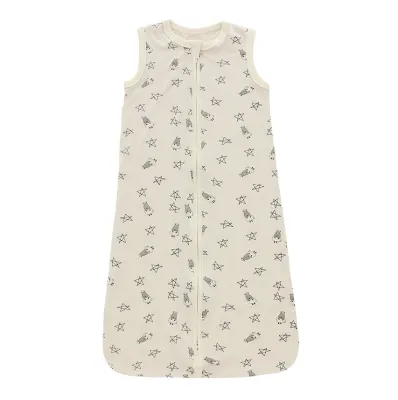
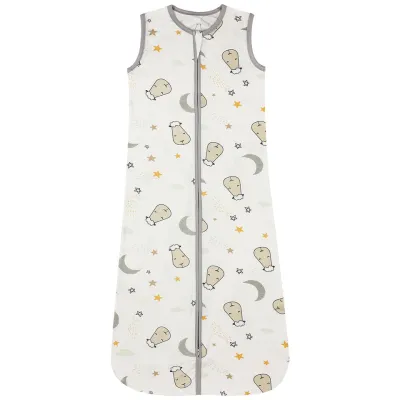
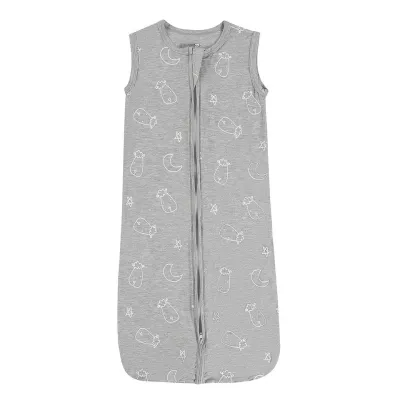
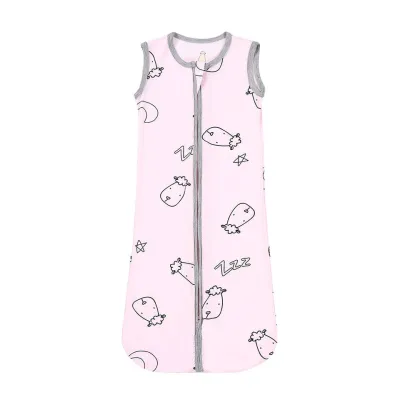
Prices are valid at publication and may change. Please refer to the product page for the latest price.
When inspecting these details, look for the specific fiber blend, such as 95% bamboo viscose and 5% spandex—a combination frequently utilized by Baa Baa Sheepz for its signature stretch and silk-like drape. If you are looking at a heavier, insulating winter blanket, you are more likely to find 100% polyester or a polyester-cotton blend. Additionally, keep an eye out for the fabric’s weight, measured in grams per square meter (GSM). A higher GSM indicates a thicker, heavier fabric, whereas a lower GSM points to a lightweight, highly breathable weave. Understanding these technical metrics prevents unexpected surprises regarding how the blanket feels and performs in daily use.
Common Wearable Blanket Materials and Their Comfort Profiles
To choose the right wearable blanket, you must understand how different fabric structures influence your tactile experience. Materials generally fall into two categories: smooth, low-pile weaves and textured, high-pile fabrics. Each category offers distinct advantages in terms of weight, thermal insulation, and skin feel.

Smooth Weaves: Fleece, Flannel, and Microfiber
Smooth weaves are characterized by their uniform, low-profile surfaces that feel soft to the touch without excessive bulk. Synthetic options like polar fleece, microfleece, and flannel offer rapid warming by trapping a thin layer of air close to the skin. These materials are exceptionally lightweight, allowing you to move freely around your home without feeling weighed down by your loungewear.
However, synthetic smooth weaves have inherent breathability limitations. Because polyester fibers are hydrophobic, they do not absorb moisture well. If your body temperature rises, these fabrics can trap sweat, leading to a humid, clammy microclimate inside the blanket.
In contrast, natural-derived smooth weaves, such as bamboo viscose or cotton jersey, offer a completely different comfort profile. Bamboo viscose has a cool-to-the-touch feel, draping fluidly over the body like silk. It possesses excellent natural moisture-wicking properties, pulling sweat away from the skin and allowing it to evaporate quickly. This makes it highly comfortable for extended wear, preventing the stifling heat buildup common with purely synthetic alternatives.
Textured Piles: Sherpa, Faux Fur, and Plush Linings
Textured piles are designed for maximum insulation and a cozy, cocoon-like experience. Sherpa fabric, which mimics the curly texture of sheep’s wool, and high-pile faux fur utilize longer synthetic fibers to create deep air pockets. These pockets trap significant amounts of body heat, making them the warmest options available for wearable blankets.
The physical weight of these high-pile materials creates a distinct sensory experience. The heavier drape of a plush-lined blanket provides a grounded, comforting sensation, similar to the calming effect of a weighted blanket. This makes them ideal for quiet activities like reading, watching television, or sleeping.
The trade-off for this extreme coziness is a restriction in active movement. High-pile blankets are bulkier, which can make moving around the house feel cumbersome. Furthermore, textured piles are prone to shedding loose fibers onto your clothing, especially during the first few weeks of use. They can also quickly become uncomfortably hot if the ambient room temperature is not carefully controlled.
Matching Material Weight and Breathability to Singapore's Indoor Climate
Living in Singapore presents a unique challenge when selecting loungewear, as your comfort requirements change drastically depending on your immediate environment. The country’s high ambient humidity and year-round warm temperatures mean that a blanket suitable for cold climates could quickly become unusable at home.
If you primarily use your wearable blanket in non-air-conditioned areas of your home, relying instead on natural ventilation or ceiling fans, synthetic polyester blankets are generally impractical. In natural humidity, standard polyester traps sweat and ambient moisture, making you feel sticky and overheated within minutes. For these spaces, lightweight, highly breathable materials like bamboo viscose or thin cotton are far superior. These fabrics allow continuous airflow and actively wick away perspiration, keeping your skin dry and comfortable even in tropical warmth.
Conversely, heavily air-conditioned spaces—such as HDB bedrooms, modern offices, or home theaters where temperatures are maintained between 18°C and 22°C—create the perfect environment for heavier synthetic blankets. In these cooled microclimates, a plush fleece or sherpa-lined wearable blanket provides the necessary thermal barrier to protect you from drafts.
To achieve optimal comfort, you must match the blanket’s material weight to your specific indoor setup. If you keep your air conditioning on a mild setting (around 24°C), a mid-weight bamboo-spandex blend or a light microfleece provides the perfect balance of warmth without risk of overheating. Save the heavy, double-layered plush blankets for highly chilled rooms or individuals who are exceptionally sensitive to cold.
What to Expect Regarding Durability, Pilling, and Wear
Because a wearable blanket is designed to be worn while moving, sitting, and performing daily tasks, it experiences much higher levels of physical friction than a traditional bed blanket. This constant movement directly impacts the long-term appearance and texture of the fabric.
Pilling is the most common cosmetic issue you will encounter. It occurs when loose fibers rub together during wear or washing, forming tiny, unsightly balls on the fabric’s surface. Polyester blends, brushed flannel, and high-pile textures are particularly susceptible to pilling in high-friction zones, such as under the arms, along the sides, and around the cuffs. Even delicate bamboo-derived fabrics can develop minor pilling over time if subjected to rough surfaces.
Beyond pilling, you should monitor your wearable blanket for structural signs of wear. Look out for thinning fabric at major stress points like the seams, elbows, and pocket edges. High-pile plush fibers can also experience matting, where the fluffy fibers clump together and lose their original loft and softness due to pressure and friction.
The durability of your blanket is largely determined by its weave tightness and material density. Fabrics with a tight, high-density weave resist stretching and pulling much better than loose, low-density knits. When choosing a blanket, gently stretch the fabric; if the weave distorts easily or light shines through it excessively, it may be more prone to stretching out of shape and wearing down prematurely.
Washing and Care Practices to Maintain Long-Term Softness
To preserve the luxurious feel, texture, and structural integrity of your wearable blanket, you must practice proper maintenance. Before performing any cleaning, always check your product’s physical care label and follow the manufacturer’s specific instructions. If the care label instructions conflict with general guidelines, defer to the manufacturer to protect your warranty and prevent damage.
When washing synthetic plush, fleece, or delicate bamboo-derived fabrics, use cold water on a gentle or delicate cycle. Hot water is highly damaging to synthetic fibers like polyester; it can cause the delicate tips of plush and sherpa fabrics to melt, resulting in a rough, scratchy texture that cannot be reversed. Use a mild, liquid detergent, and avoid powder detergents which can leave a gritty residue in high-pile fabrics.
You must avoid using standard fabric softeners on these materials. While it seems counterintuitive, fabric softeners work by coating fibers with a thin, water-resistant chemical layer (usually silicone-based). On synthetic fleece and bamboo viscose, this coating clogs the weave, drastically reducing the fabric’s breathability and moisture-wicking capabilities. Over time, it also creates a waxy buildup that attracts dirt and makes the blanket feel stiff and heavy.
For drying, air drying is the safest and most effective method to maintain softness. Lay the blanket flat on a drying rack in a well-ventilated space out of direct sunlight, which can fade colors and degrade elastic fibers like spandex. If you must use a dryer, select a no-heat or low-heat tumble setting. Never iron a synthetic or bamboo wearable blanket, as direct heat will scorch or melt the delicate fibers instantly.
Frequently Asked Questions (FAQ)
Are synthetic wearable blankets suitable for sensitive skin?
High-quality polyester fleece is generally hypoallergenic and resistant to dust mites, making it safe for many users. However, the synthetic fibers and trapped heat can easily irritate highly sensitive skin or exacerbate conditions like eczema. If you have sensitive skin, test the fabric against your skin for a short period first, or wear a breathable, long-sleeved cotton base layer underneath to prevent direct friction. Alternatively, opt for bamboo viscose blankets, which feature naturally smooth, round fibers that minimize skin irritation.
How can I minimize shedding and pilling on my wearable blanket?
To minimize pilling and shedding, wash your wearable blanket inside out inside a large mesh laundry bag to protect it from friction against the washing machine drum and other garments. Always wash it with similar soft fabrics, avoiding rough items like jeans, towels, or garments with open zippers and Velcro. If pilling does occur, use a specialized fabric shaver or a manual pilling comb to gently remove the pills without cutting the structural threads of the blanket.
Community discussion
Share your experience or ask a question. Comments are reviewed before publication.