
Choosing the right window treatments involves balancing light control, privacy, and aesthetics. Light-blocking ratings on curtains help you determine exactly how much sunlight or street lighting will penetrate your living spaces. These ratings typically range from light-filtering to total blackout, often expressed as percentages by manufacturers.
Selecting the ideal level depends entirely on the function of each room. While a bedroom benefits from maximum darkness to support deep sleep, a living room or home office usually requires a softer touch to reduce glare without plunging the space into complete darkness. Understanding how these ratings translate to real-world performance ensures you select the right fabric and installation method for your home.
Decoding Light-Blocking Ratings and Terminology
When browsing window treatments, you will encounter three primary classifications: light-filtering, room-darkening, and blackout. Light-filtering curtains soften incoming sunlight, diffusing it to eliminate harsh glare while keeping the room bright and airy. These are ideal for common areas where privacy is desired but natural light is still welcome.
Products mentioned in this guide
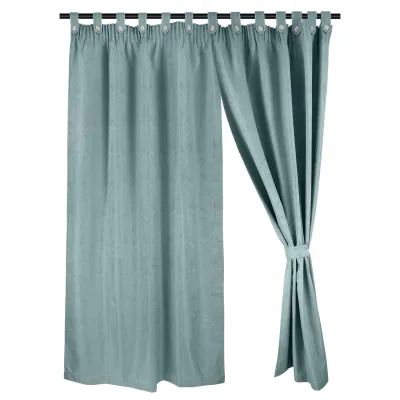
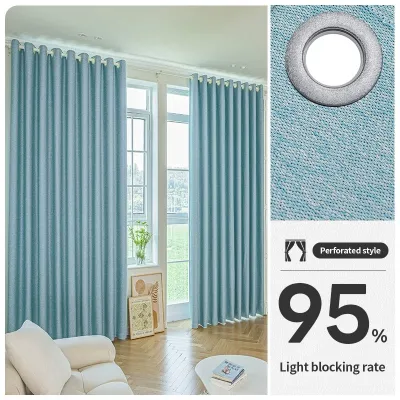
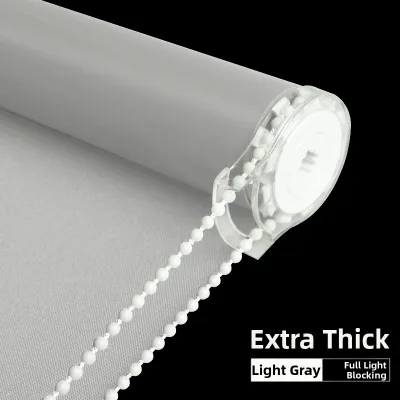
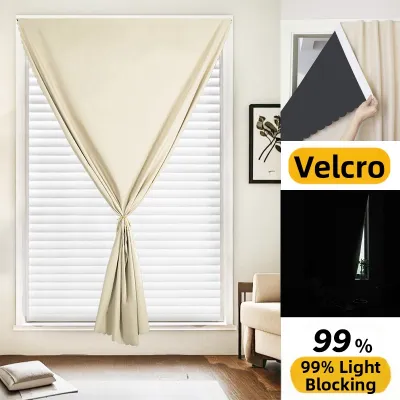
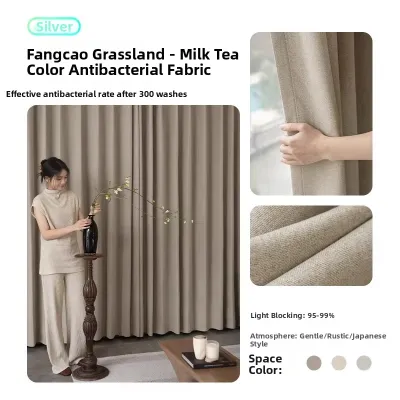
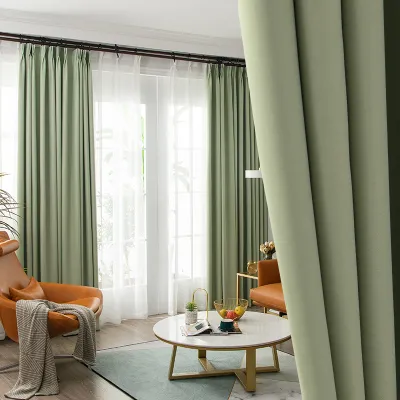
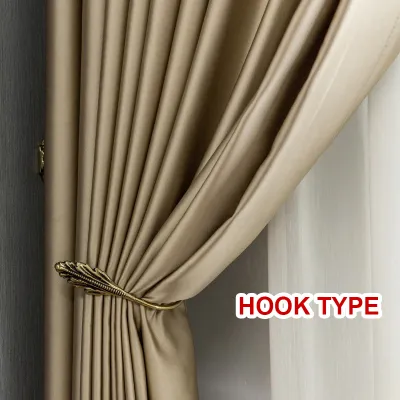
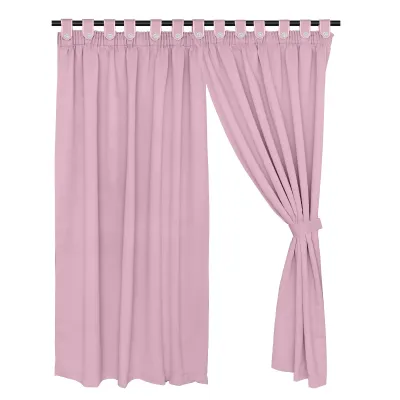
Prices are valid at publication and may change. Please refer to the product page for the latest price.
Room-darkening curtains represent the middle ground, typically blocking between 80% and 95% of incoming light. They significantly dim a room, making them excellent for media rooms or bedrooms where absolute darkness is not a priority. True blackout curtains are engineered to block 99% to 100% of light, creating an environment suitable for daytime sleep or high-contrast projector viewing.
However, achieving absolute darkness requires more than just high-performance fabric. Even a 100% blackout fabric cannot prevent light from leaking around the top, bottom, and sides of the window frame. To achieve a true blackout effect, the physical installation must minimize these gaps, meaning the curtain’s performance in your home depends heavily on how it is mounted.
It is also important to note that there is no universal regulatory standard for light-blocking percentages. Manufacturers often use their own testing methods and terminology, meaning a “blackout” label from one brand might perform similarly to a “room-darkening” label from another. Always check the manufacturer’s specific product descriptions and specifications rather than relying solely on the category name.
Matching Darkness Levels to Your Room's Purpose
Before selecting a curtain style, evaluate how you use each space throughout the day. Matching light control to room function prevents the inconvenience of having to turn on artificial lights during midday hours or struggling with unwanted glare during your favorite television shows.
This decision involves a direct trade-off between complete darkness and ambient natural light. Opting for maximum light blockage everywhere can make a home feel closed off, while choosing fabrics that are too sheer can compromise privacy and comfort. Assessing each room individually allows you to customize the light levels to suit your daily routines.
Bedrooms, Nurseries, and Shift-Worker Spaces
For spaces dedicated to sleep, maximizing light blockage is often essential for maintaining healthy circadian rhythms. Shift workers who sleep during the day, infants requiring daytime naps, and individuals sensitive to bright streetlights or early morning sunrises generally benefit from true blackout curtains. These curtains help signal to the brain that it is time to rest, regardless of the actual hour outside.
In these sleep environments, edge light leakage is a critical factor that can disrupt the perceived darkness of the room. A bright sliver of light peeking through the top or sides of the window can feel surprisingly intense in an otherwise dark room. Addressing these gaps with wrap-around rods or ceiling-mounted tracks is just as important as choosing a high-rated fabric.
Living Rooms, Home Offices, and Media Areas
In shared living spaces and workspaces, complete darkness is rarely necessary or desirable. Instead, the goal is usually to reduce screen glare on televisions and computer monitors while maintaining daytime privacy. Room-darkening or high-quality light-filtering curtains are often the most practical choices for these areas.
These mid-level options allow you to work on a computer or watch a show comfortably without having to sit in a pitch-black room. They soften the harsh midday sun, protecting your eyes from strain while still allowing enough ambient light to navigate the room safely without switching on overhead lamps.
This balance also preserves your connection to the outside environment. Using light-filtering options in living areas keeps the home feeling open and connected to the natural passage of daytime hours, which can improve mood and productivity during long working sessions at home.
Key Factors Beyond the Light-Blocking Label
The physical installation of your window treatments plays a massive role in how much light actually enters the room. Standard curtain rods often leave a gap of several centimeters between the fabric and the wall, allowing light to bounce off the ceiling and sides. To combat this, consider using ceiling-mounted tracks or wrap-around “French return” rods, which curve back to the wall to seal the edges.
Fabric construction is another major variable. True blackout performance is achieved through heavy fabric weights, multiple woven layers, or specialized backings. For example, triple-weave fabrics feature a dense layer of black yarn sandwiched between two decorative layers, while other curtains utilize a solid acrylic or silicone backing applied directly to the fabric.
Color also influences light absorption. While a dark-colored curtain naturally absorbs more light, lighter-colored blackout fabrics can still perform exceptionally well if they feature a proper multi-pass backing or an internal black layer. Without these specialized backings, a light-colored fabric will inevitably allow more light to pass through than a darker equivalent.
Additionally, safety and structural integrity must be considered when installing heavy, multi-layered window treatments. High ceilings or installations on false ceilings require careful planning. Because blackout curtains are significantly heavier than standard drapes, ensure your mounting hardware is rated for the suspended load. If you are working at height or anchoring into delicate ceiling materials, consulting a qualified professional installer is highly recommended to prevent damage or injury.
How to Verify Curtain Specifications Before Buying
To ensure you get the performance you expect, look closely at the product specifications before making a purchase. Check the product description for details on the lining construction, such as “three-pass” coatings, which indicate multiple layers of light-blocking material have been applied to the back of the fabric.
Because light-blocking performance can be subjective and highly dependent on your specific window orientation, always review the retailer’s return and exchange policies. This provides peace of mind in case the curtains do not deliver the level of darkness you require once they are hung in your space.
If you are ordering custom window treatments or purchasing online, consider requesting fabric swatches first. You can physically test a swatch by holding it up to a bright window or shining a mobile phone flashlight directly against the back. This simple test gives you a clear, real-world demonstration of the fabric’s light transmission before you commit to a full purchase.
Frequently Asked Questions (FAQ)
Can I add a blackout liner to existing light-filtering curtains?
Yes, you can easily upgrade your current window treatments by adding separate blackout liners. These liners typically attach to the back of your existing curtains using specialized hooks or rings, or they can be hung on a separate rear rod. While highly effective at blocking light, keep in mind that adding a liner will significantly increase the weight of the window treatment and may alter how the fabric drapes, sometimes making the overall look appear stiffer or bulkier.
Do blackout curtains help with heat and noise reduction?
Thicker, multi-layer blackout curtains do offer secondary benefits, such as minor thermal insulation and sound dampening. In warm climates, they can help reduce heat transfer through window glass, keeping indoor spaces slightly cooler during peak sun hours. However, while they can soften muffled outdoor sounds, they are not a substitute for dedicated acoustic or thermal window upgrades, such as double-glazed glass or professional weather stripping.
Community discussion
Share your experience or ask a question. Comments are reviewed before publication.