
Reading essential oil diffuser specifications can feel like deciphering a foreign language. While product listings highlight various numbers and metrics, only a few directly impact your daily aromatherapy experience. This guide translates the most critical diffuser specs—tank size, runtime, and coverage area—into practical insights, helping you choose a model that perfectly fits your space and usage habits without overpaying for unnecessary features.
Tank Size vs. Runtime: Finding the Right Balance
Tank size, measured in millilitres (ml), represents the maximum water capacity of the reservoir. Common sizes range from 100ml to 500ml. While it is tempting to assume a larger tank delivers a stronger aroma, this is a common misconception. Scent intensity depends entirely on the concentration of essential oil drops relative to the water volume and the rate of mist output.
Runtime refers to how long the device can operate continuously before the water runs out. This spec is closely tied to tank size, but it is also heavily influenced by the device’s operational modes. Many modern diffusers feature intermittent settings that cycle the mist on and off at set intervals.
Products mentioned in this guide

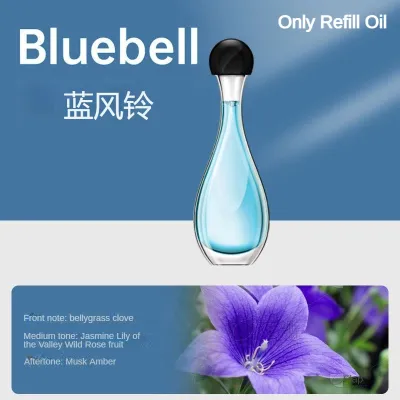
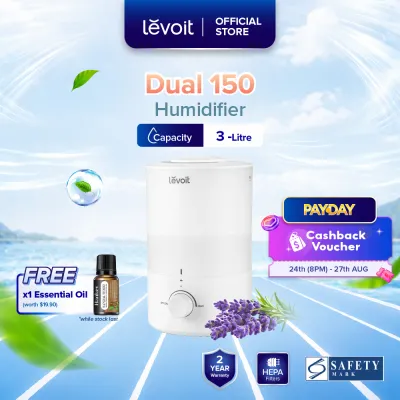
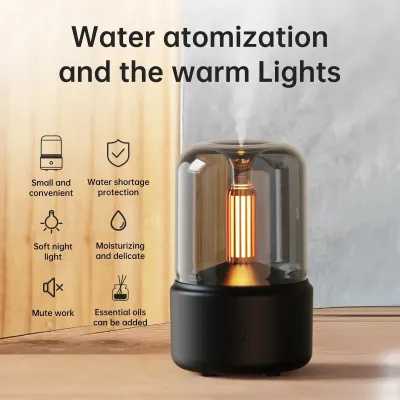

![[6 NEW SCENTS] Hooga Black Series Reed Diffuser 200ml](https://img.lazcdn.com/g/p/1ffd8c3f6be39df0f302c26adff3be23.jpg_400x400q80.jpg_.webp)
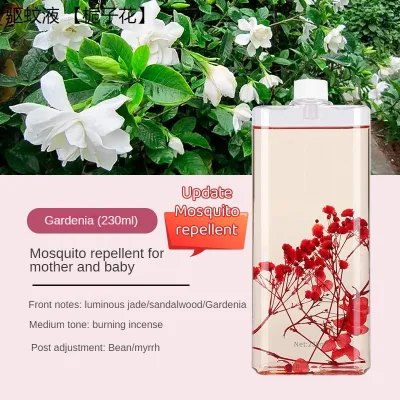
Prices are valid at publication and may change. Please refer to the product page for the latest price.
These intermittent settings allow a smaller reservoir to last significantly longer. For example, a compact 100ml diffuser running on an intermittent cycle can easily match the runtime of a larger unit running continuously, without taking up valuable space on a bedside table or desk.
When choosing a tank size, match it to your daily routines. A small 100ml to 150ml unit is ideal for short daytime focus sessions or a quick yoga practice. For overnight use in a bedroom, look for a capacity of at least 300ml or a reliable intermittent mode that ensures the device runs safely through your entire sleep cycle.
Coverage Area: Matching the Diffuser to Your Room
Coverage area indicates the maximum room size a diffuser can effectively scent, typically measured in square metres. However, manufacturer ratings are usually established in controlled laboratory environments with closed doors and minimal airflow. Real-world performance often differs based on your home’s layout.

Several environmental factors can significantly reduce a diffuser’s effective coverage. Active air conditioning, ceiling fans, open windows, and open-concept floor plans all cause the scented mist to disperse rapidly. High ceilings also increase the overall volume of air in a room, meaning a standard coverage rating may fall short.
To choose the right coverage, assess the specific room where you plan to place the device. A standard bedroom or study of 10 to 15 square metres is well-served by a basic ultrasonic model. For expansive living rooms or open-plan dining areas, you will need a high-output unit or multiple strategically placed diffusers to maintain a consistent scent.
Mist Output and Noise Levels: The Unlisted Specs That Matter
Mist output, measured in millilitres per hour (ml/h), determines how quickly the water and oil mixture is atomised into the air. A higher mist output creates a more immediate and intense scent experience. However, it also means the water reservoir empties faster and you will consume your essential oils at a quicker rate.
Noise level is another critical specification that is often omitted from basic product descriptions. While ultrasonic diffusers are generally quiet, they are not completely silent. The internal fan, the vibration of the ultrasonic plate, and the sound of dripping water all contribute to the overall decibel (dB) level.
For quiet environments like a bedroom or home office, look for a device with a noise rating below 30 dB. This ensures the mechanical hum remains a gentle background whisper. Secondary features like multi-coloured LED lights, built-in speakers, or complex digital displays rarely impact the core aromatherapy experience and can be deprioritised during your comparison.
Power, Safety, and Maintenance Specifications
Before purchasing a diffuser, verify its electrical specifications to ensure compatibility with your home. Check the voltage requirements and plug types, especially when ordering from online marketplaces. Devices powered by a standard USB cable offer excellent portability for desks, while larger units typically require a dedicated wall adapter.
Safety features are essential for peace of mind, particularly if you plan to run the device unattended or overnight. Look for an automatic shutoff function that triggers when the water level drops below a certain threshold. This prevents the ultrasonic plate or heating element from running dry, protecting the device from overheating.
Maintenance specs are equally important for long-term usability. A diffuser with a wide, simple tank design is much easier to clean than one with narrow openings or intricate internal parts. Regular cleaning prevents mineral buildup from tap water and residual oil clogs.
Always consult the manufacturer’s instructions for approved cleaning methods and compatible oil types to avoid damaging the internal seals. Some plastic reservoirs can degrade if exposed to highly acidic oils like citrus, and certain heavy carrier oils can damage ultrasonic plates.
Frequently Asked Questions (FAQ)
Does a larger tank size always mean a stronger scent?
No, a larger tank size does not guarantee a stronger scent. Scent intensity is determined by the ratio of essential oil drops to water and the device’s mist output rate. A larger tank simply holds more water, allowing the diffuser to run longer before needing a refill, but it requires more drops of oil to achieve the same scent strength as a smaller unit.
Can I use a large-coverage diffuser in a small room?
Yes, but you should adjust how you operate it. Using a high-output diffuser in a small, enclosed room can lead to excessive humidity and an overpowering scent. To avoid this, use the intermittent mist setting, run the device for shorter intervals, or reduce the number of essential oil drops you add to the water reservoir.
Community discussion
Share your experience or ask a question. Comments are reviewed before publication.