
Selecting the right outdoor lighting involves balancing aesthetics, safety, and durability. When shopping for a waterproof light to illuminate your pathways, trees, or patio, you will inevitably encounter the term “IP rating.” This rating is the definitive standard that tells you exactly how much environmental exposure a fixture can handle before failing.
Choosing the correct rating depends on where the fixture will live in your garden. For sheltered areas like covered patios, an IP44 rating is generally sufficient. Fully exposed zones like lawns and open pathways require at least an IP65 rating to withstand heavy rain. For water features, ponds, or ground-recessed spots prone to temporary flooding, you must step up to IP67 or IP68. Understanding these distinctions prevents premature product failure and ensures your outdoor spaces remain safely illuminated.
What IP Ratings Actually Mean for Outdoor Lighting
The IP (Ingress Protection) rating is an international standard defined by the International Electrotechnical Commission (IEC). It provides a reliable, standardized metric for a fixture’s sealing effectiveness against solids and liquids, moving past vague marketing terms like “weatherproof” or “water-resistant.” These retail buzzwords lack legal or technical definitions, meaning a retail “waterproof” light might only survive a light drizzle, while another handles torrential downpours.
Products mentioned in this guide
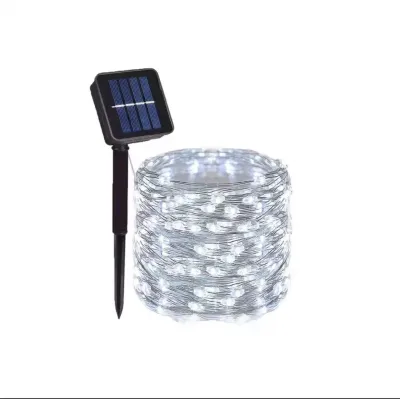
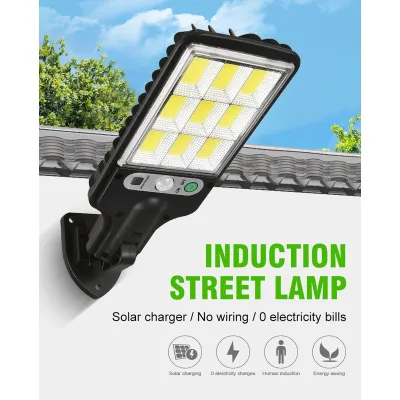
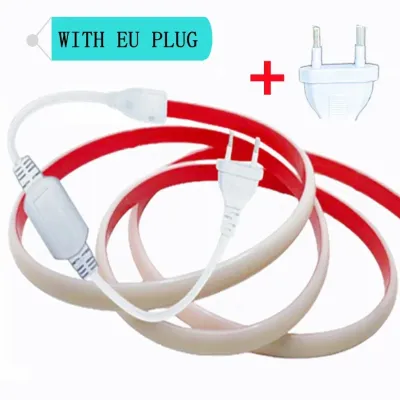
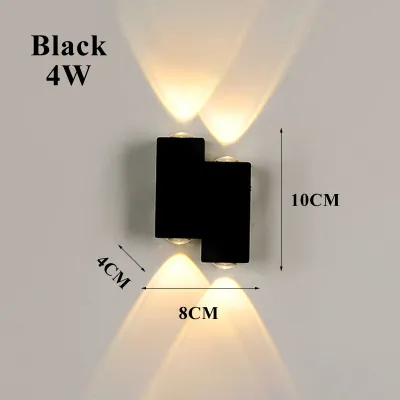
Prices are valid at publication and may change. Please refer to the product page for the latest price.
An IP rating always consists of two digits. The first digit, ranging from 0 to 6, indicates the level of protection against solid objects, including dust and debris. A rating of 4 means protection against objects larger than 1mm, while a 6 represents a completely dust-tight seal.
The second digit, ranging from 0 to 9, measures protection against liquid ingress. This scale starts at 0 (no protection) and goes up to 8, which represents continuous immersion under specified conditions.
A higher IP rating is not always superior. Over-specifying garden lights adds unnecessary expense, as high-level waterproof enclosures require complex engineering and premium materials. Furthermore, some highly sealed fixtures are designed to be cooled by the surrounding water; installing an underwater-rated IP68 light in the open air can trap heat, leading to premature LED driver failure.
Matching IP Ratings to Your Garden Placement
Every garden has distinct micro-environments, each demanding a different level of protection. Matching the IP rating to the specific placement of your waterproof light ensures long-term performance without overspending.

Sheltered and Semi-Exposed Areas (IP44)
Sheltered zones include covered patios, deep building eaves, and balconies where direct rainfall is blocked. For these locations, IP44 fixtures are standard.
The first “4” indicates protection against solid objects larger than 1mm, while the second “4” means the fixture withstands water splashing from any direction. While this level of protection easily handles ambient humidity, heavy condensation, and occasional wind-blown mist, it is not designed to endure direct, heavy tropical downpours or the direct spray of a garden hose.
Fully Exposed Lawns, Pathways, and Walls (IP65)
Open garden beds, driveways, exterior walls, and walkways are completely vulnerable to the elements. In climates with intense weather patterns, such as Singapore’s heavy monsoon seasons, these areas require a minimum of IP65 protection.
An IP65 rating ensures the fixture is completely dust-tight (indicated by the “6”), preventing fine soil particles, pollen, and insects from entering the housing and clouding the internal reflectors or lenses. The “5” indicates protection against low-pressure water jets from any direction. This level of sealing guarantees that the light will remain safe and functional during intense tropical downpours and can easily withstand routine garden maintenance, including nearby hose watering.
Water Features, Ponds, and Recessed Ground Lights (IP67 and IP68)
The most demanding environments in any garden are low-lying ground areas and water features. Recessed deck lights, pathway lights flush with the soil, and underwater pond lights face constant exposure to standing water or complete submersion.
For flush-mounted ground lights, water pooling is a common hazard during heavy rain. These fixtures require an IP67 rating, which protects against temporary immersion in water up to one meter deep for up to 30 minutes. This ensures that if your lawn or deck temporarily floods, the lights will not short-circuit.
For fixtures installed inside fountains or garden ponds, you must use IP68-rated lights. This rating signifies protection against continuous submersion in water. Because the exact depth and duration limits for IP68 are defined individually by each manufacturer, you must verify the product specifications to ensure they match your specific pond depth before installation.
Beyond the IP Rating: Other Crucial Specs for Tropical Gardens
While the IP rating is a critical indicator of water resistance, other specifications dictate how well a garden light will survive the demanding tropical climate of Singapore. High humidity, intense UV exposure, and physical impacts require careful material selection.
Material and Corrosion Resistance
Housing materials are just as vital as internal seals. Cheap plastics and low-grade metals degrade rapidly under intense sunlight and high humidity. For maximum longevity, look for fixtures constructed from marine-grade 316 stainless steel, solid brass, copper, powder-coated high-grade aluminum, or UV-stabilized polycarbonate. These materials resist the chalking, rusting, and brittleness that lead to structural failure and compromised water seals.
Electrical Safety and Installation Boundaries
Before purchasing, verify that the operating voltage matches your local power supply (230V in Singapore). Any fixed outdoor wiring must utilize proper waterproof cable glands, tough rubber-sheathed cables, and IP-rated junction boxes to prevent moisture from traveling down the electrical lines.
Always isolate the power supply before attempting any installation or maintenance. Because water and electricity present severe hazards, fixed wiring installations, particularly in damp zones, should be handled by a licensed, qualified professional.
IK Ratings (Impact Protection)
Outdoor lights at ground level are highly susceptible to physical damage. The IK rating scale (from IK00 to IK10) measures a fixture’s resistance to mechanical impacts. Ground-level spike lights, recessed deck lights, and low pathway bollards should ideally carry an IK08 rating or higher. This ensures the housing can withstand accidental kicks, lawnmowers, heavy foot traffic, and dropped garden tools without cracking the protective glass or denting the frame.
Common Mistakes When Buying Waterproof Garden Lights
Avoiding common purchasing and installation pitfalls can save you from premature fixture failures and unnecessary replacement costs.
Ignoring the Power Supply
A frequent mistake is buying a high-quality IP65 waterproof light but failing to check the rating of the accompanying driver, transformer, or smart plug. Often, these power supply components are only rated IP20 (for indoor use) or IP44 (for sheltered use). Ensure that all components in the electrical chain are appropriately rated for their specific locations, or house the power supply inside a certified weatherproof enclosure.
Assuming Seals Last Forever
Rubber gaskets and silicone O-rings degrade over time when exposed to UV radiation, heat, and seasonal temperature shifts. Over several years, these seals can dry out, crack, and lose their elasticity, allowing moisture to seep in. When selecting fixtures, look for brands that offer replaceable gaskets or high-quality integrated silicone seals, and review the manufacturer’s warranty regarding water ingress.
Trapping Moisture Inside
Opening a sealed outdoor light fixture to change a bulb or adjust a setting in humid conditions can trap moisture-laden air inside the housing. When the light is switched on, the internal temperature rises, and when turned off, it cools rapidly. This temperature cycle causes the trapped humid air to condense into water droplets on the cold glass or circuit board, leading to internal corrosion. Always perform maintenance in a dry environment, and ensure the gaskets are perfectly seated and clean before reassembling.
Frequently Asked Questions (FAQ)
Can I use an IP44 light if I put it under a small awning?
Using an IP44 light under a shallow awning carries significant risk. During heavy storms, wind-driven rain often blows horizontally, easily bypassing a small overhang and soaking the fixture. If the light is exposed to lateral weather patterns, it is safer to upgrade to an IP65-rated fixture to prevent water ingress and electrical tripping.
Does a higher IP rating mean the light will last longer?
An IP rating only measures protection against dust and water ingress at the time of testing. It does not guarantee overall product longevity. A cheaply built IP65 plastic light may degrade and crack within a year of intense UV exposure, whereas a high-quality brass IP44 light installed in a sheltered spot can easily last for decades.
How do I clean IP65 garden lights without damaging the seals?
To clean your garden lights safely, first isolate the power supply. Use a soft microfiber cloth dampened with clean water and a mild, non-abrasive soap to gently wipe away dirt, pollen, and debris. Never use high-pressure washers directly on the seams or gaskets, and avoid harsh chemical solvents, as these can degrade the rubber O-rings and compromise the waterproof seal.
Community discussion
Share your experience or ask a question. Comments are reviewed before publication.