
Choosing the right outdoor wall light involves more than finding a style that complements your home’s exterior. Because these fixtures are exposed to the elements, understanding their level of protection against dust and water is critical for safety, performance, and longevity. This protection is measured by the Ingress Protection (IP) rating system, an international standard that helps you determine exactly how much environmental exposure a light fixture can handle.
For most residential installations, you do not need to buy the highest possible rating available on the market. A fixture mounted under a deep, sheltered porch requires a completely different level of protection than one installed on an open garden wall. By matching the IP rating to the specific exposure level of your installation spot, you can avoid overspending while ensuring your home remains safe from electrical hazards.
In tropical climates like Singapore, where heavy monsoon rains and high humidity are the norm, selecting the correct rating is especially important. Water ingress into an improperly rated fixture can cause immediate short circuits, trip your home’s residual current circuit breaker (RCCB), or lead to gradual internal corrosion. Understanding how to read these ratings allows you to make an informed, practical decision for your outdoor spaces.
Products mentioned in this guide
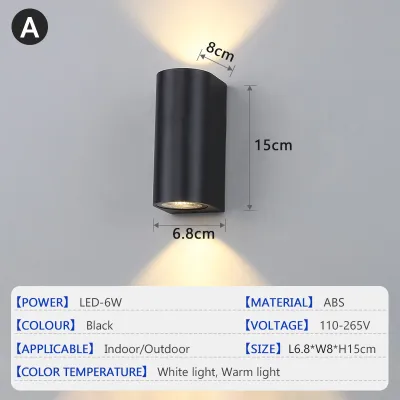
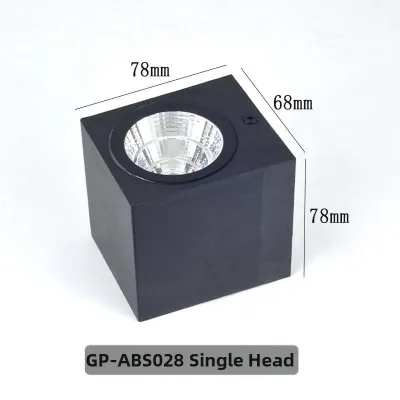
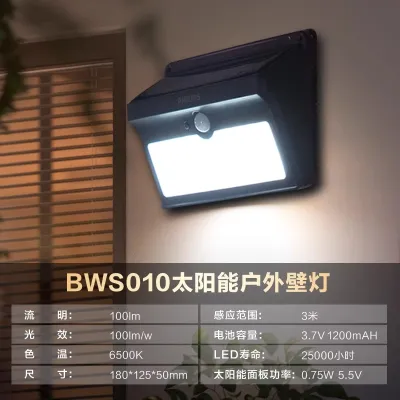
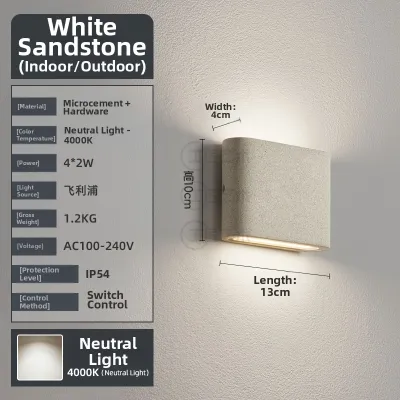
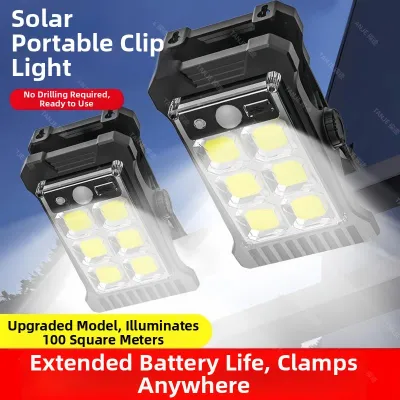
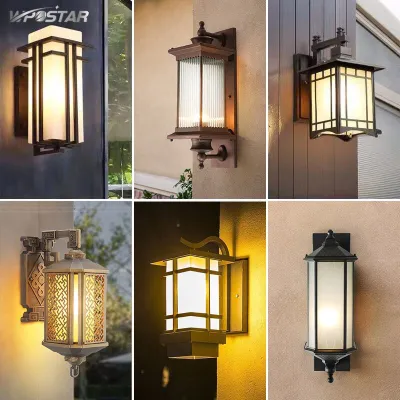
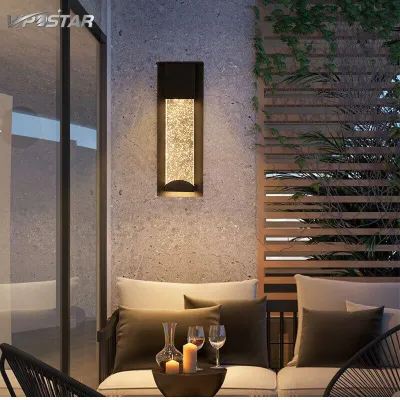
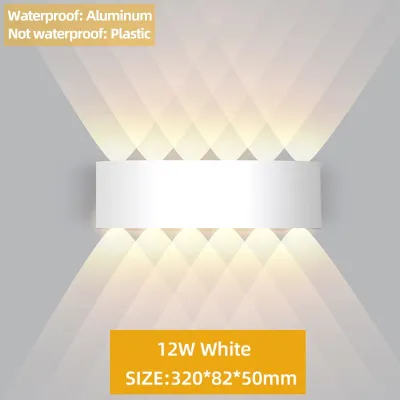
Prices are valid at publication and may change. Please refer to the product page for the latest price.
What Does an IP Rating Actually Mean?
The IP rating system is a standardized scale defined by the International Electrotechnical Commission (IEC). It consists of the letters “IP” followed by two digits, each representing a specific type of protection. This system replaces vague marketing terms like “waterproof” or “weather-resistant” with concrete, test-based classifications.
The first digit, which ranges from 0 to 6, indicates the level of protection against solid objects, dust, and accidental contact. A lower number means the fixture can only block larger objects like fingers or thick wires, while a higher number indicates resistance to fine dust particles. For outdoor lighting, a higher first digit ensures that insects, dirt, and wind-blown debris cannot enter the housing and interfere with the electrical components.
The second digit, ranging from 0 to 8, measures the fixture’s resistance to moisture and water ingress. This scale starts at zero (no protection) and goes up to protection against vertical condensation, direct splashing, high-pressure water jets, and complete immersion. Understanding this second digit is the most critical step when evaluating fixtures for areas exposed to rain or garden irrigation.
A common misconception is that a higher IP rating is always the superior choice for every scenario. While an IP68 light offers maximum protection, it is designed for continuous submersion in swimming pools or ponds. Utilizing such a highly sealed fixture on a sheltered wall is unnecessary and significantly increases your upfront hardware costs without offering any practical benefit.
Decoding Common IP Ratings for Outdoor Wall Lights
When browsing for an outdoor wall light, you will primarily encounter three standard ratings: IP44, IP54, and IP65. Each represents a distinct tier of protection suitable for different environmental conditions.

IP44: Sheltered and Semi-Exposed Areas
An IP44 rating serves as the entry-level standard for outdoor residential lighting. The first digit (4) means the fixture is protected against solid foreign objects larger than 1 millimeter, such as small tools, wires, and common outdoor insects. This prevents pests from nesting inside the wiring compartment.
The second digit (4) indicates protection against water splashing from any direction. While the fixture cannot withstand direct, high-pressure streams of water or heavy downpours, it easily handles ambient moisture, light mist, and indirect splashes.
This rating is highly suitable for wall lights installed under deep eaves, covered patios, carports, or high-rise common corridors. In these locations, the physical structure of your home blocks direct vertical rain, allowing the IP44 fixture to operate safely without risking water ingress.
IP54: The Versatile Middle Ground
An IP54 rating offers a slight but practical upgrade in dust protection compared to IP44. The first digit (5) means the fixture is dust-protected. While it is not entirely airtight, dust cannot enter the housing in quantities that would interfere with the safe operation of the light or compromise its electrical insulation.
The second digit (4) remains the same, providing reliable protection against splashing water from any direction. This combination makes IP54 fixtures highly versatile for transitional spaces that experience moderate environmental exposure.
This rating is ideal for semi-exposed areas that accumulate dust, pollen, or wind-blown dirt over time, such as partially covered balconies, entryways with shallow awnings, or sidewalls that receive partial shelter from neighboring structures.
IP65: Fully Exposed and Heavy Rain Protection
An IP65 rating represents the gold standard for fully exposed outdoor wall lights. The first digit (6) indicates that the fixture is completely dust-tight, offering total protection against the ingress of dust, sand, and fine airborne particles.
The second digit (5) means the light is protected against low-pressure water jets projected from any direction. In practical terms, this means the fixture can withstand intense, wind-driven tropical rainstorms and direct sprays from garden hoses without water breaching the internal seal.
This level of protection is highly recommended for exterior boundary walls, gate pillars, open facades, and any location completely lacking overhead shelter. While higher ratings like IP66, IP67, or IP68 exist, they are generally reserved for industrial environments, ground-buried path lights, or underwater pool features, making them excessive for standard wall-mounted home fixtures.
Matching the IP Rating to Your Installation Spot
To choose the correct outdoor wall light, you must evaluate the specific physical conditions of your planned mounting location. Assessing the micro-environment of each wall prevents premature fixture failure and ensures electrical safety.
- Under Eaves or Covered Porches: If you are mounting a light on a wall protected by a generous roof overhang of at least one meter, an IP44 rating is typically sufficient. The overhead structure shields the fixture from direct vertical rainfall, meaning the light only needs to withstand ambient humidity and minor wind-blown mist.
- Fully Exposed Exterior Walls: For perimeter fences, garden walls, or front facades with no overhead protection, you should always opt for an IP65 rating. Singapore's monsoon seasons bring heavy, horizontal rains driven by strong winds; an IP65 fixture ensures that water cannot force its way past the seals during these intense storms.
- Near the Ground or Driveways: If your wall light is positioned low to the ground, near a driveway, or adjacent to a water feature, choose IP65. Low-mounted fixtures are frequently subjected to water splashing up from concrete surfaces, pooling water, and accidental direct sprays during routine driveway washing or garden watering.
- Balconies and High-Rise Corridors: High-rise residential apartments often experience unpredictable, high-velocity wind patterns that drive rain sideways. Even if your balcony has a ceiling, wind-driven rain can easily reach the walls, making an IP54 or IP65 rating a much safer choice than a basic IP44 model.
Beyond IP Ratings: Material and Safety Checks
While an IP rating confirms a fixture’s resistance to dust and water ingress, it does not guarantee overall durability, resistance to rust, or long-term structural integrity. You must look at other construction and safety factors to ensure your investment lasts.
- Material and Corrosion: A high IP rating does not prevent a light fixture from rusting. In hot, humid, and coastal environments, salt air and moisture can rapidly degrade cheap metals. Look for fixtures constructed from marine-grade 316 stainless steel, powder-coated die-cast aluminum, or UV-stabilized polycarbonate. Avoid untreated iron or low-grade plastics, which can yellow, crack, or rust within a few seasons.
- Seal Degradation: The rubber gaskets and silicone seals that provide a fixture's IP rating are prone to drying out, cracking, and losing elasticity over time due to intense UV exposure and heat. When purchasing, check the manufacturer's care instructions and warranty guidelines regarding seal maintenance and replacement.
- Electrical Safety and Installation: Installing outdoor fixed wiring involves severe safety risks. Before any installation, replacement, or maintenance, always isolate the power supply at your home's main distribution board. In Singapore, all fixed electrical installations must be performed by a licensed electrical worker (LEW) to ensure compliance with local safety standards, proper grounding, and the correct use of weatherproof cable glands. Always verify the fixture's voltage compatibility (typically 220-240V), base or interface type, maximum wattage limits, physical dimensions, and dimming compatibility before finalizing your purchase.
- Aesthetic and Performance Choices: Keep in mind that decorative style, perceived color temperature, and spatial lighting effects are conditional design preferences. They do not indicate the physical safety or weatherproofing performance of the light, which must always be verified through official certification labels.
Frequently Asked Questions (FAQ)
Can I use an indoor wall light outside if it is under a covered roof?
No, you should never use an indoor-rated light fixture (which typically carries a basic IP20 rating) in an outdoor environment, even if it is completely covered by a roof. Indoor fixtures lack the specialized rubber gaskets, sealed wire entries, and corrosion-resistant hardware required to handle high ambient humidity, rapid temperature fluctuations, and condensation. Over time, moisture and insects will inevitably penetrate the unsealed housing, leading to short circuits, corrosion, and serious electrical hazards.
Does a higher IP rating mean the light will last longer?
Not necessarily. An IP rating only measures a fixture’s resistance to dust and water ingress under standardized, controlled testing conditions at the time of manufacture. It does not account for the quality of the internal LED driver, the durability of the housing against UV degradation, or the metal’s resistance to rust. A premium, well-constructed IP44 light made of marine-grade aluminum will often outlast a cheaply made IP65 fixture constructed from low-grade plastics that degrade under direct sunlight.
Community discussion
Share your experience or ask a question. Comments are reviewed before publication.