
Selecting the right solar outdoor light involves more than just choosing an attractive design or a specific brightness level. In tropical climates characterized by sudden, heavy downpours and high humidity, the durability of your outdoor fixtures depends heavily on their Ingress Protection (IP) rating. This international standard defines how effectively an electrical enclosure prevents external elements, such as dust and water, from penetrating the internal components. By understanding these ratings, you can select fixtures that match the exact environmental demands of your garden, patio, or pathway, ensuring long-term performance while avoiding the unnecessary expense of over-specifying.
Decoding the IP Rating System for Outdoor Lighting
The IP rating system consists of the letters “IP” followed by two digits, each representing a specific level of protection. The first digit, ranging from 0 to 6, measures protection against solid particles, such as dust, dirt, and accidental contact. For outdoor lighting, a higher first digit ensures that fine soil particles or insects cannot enter the housing and disrupt the electrical connections.
The second digit, ranging from 0 to 9, indicates the level of liquid ingress protection. This is the primary focus for weatherproofing, as it determines how well the fixture can withstand moisture, from light condensation to high-pressure water jets or temporary submersion. While a higher number indicates a more robust seal, the maximum rating is not always necessary for every corner of your outdoor space. Matching the rating to the specific exposure level of each zone prevents premature product failure without inflating your initial setup costs.
Products mentioned in this guide
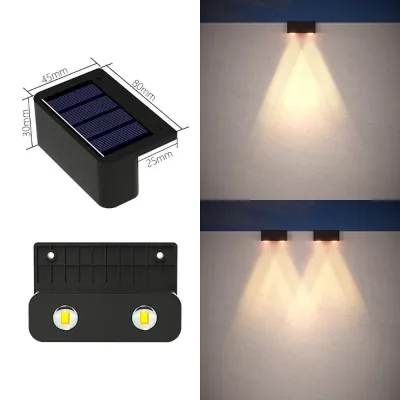
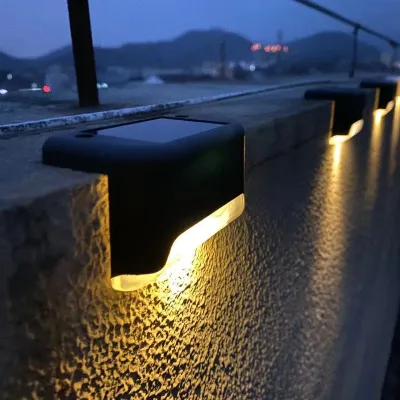
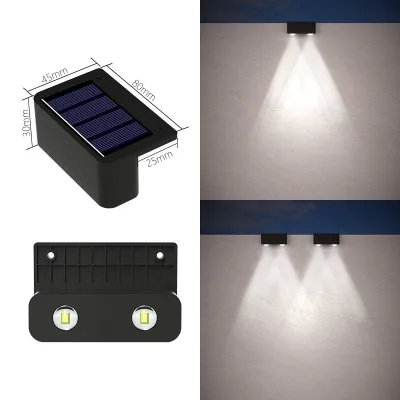
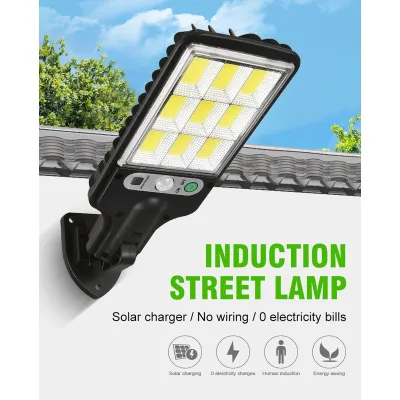
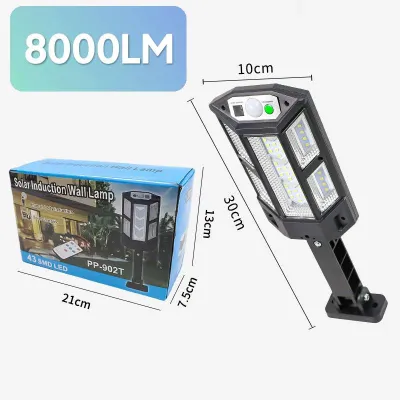
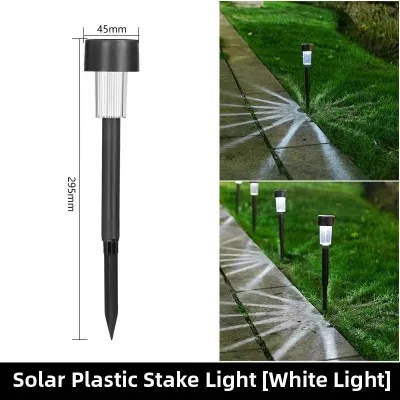
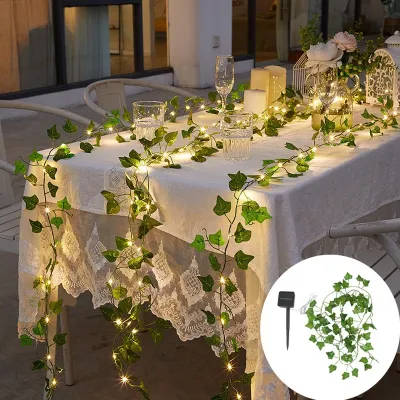
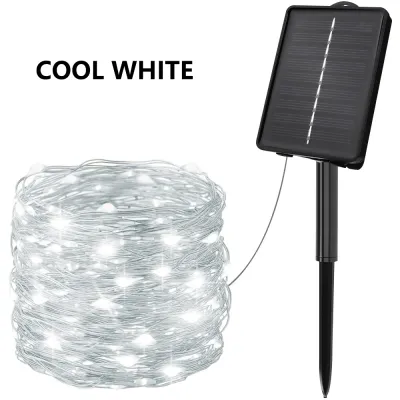
Prices are valid at publication and may change. Please refer to the product page for the latest price.
Common Waterproof Levels for Solar Outdoor Lights
When shopping for a solar outdoor light, you will typically encounter three standard IP ratings designed for different outdoor environments. To ensure safety and compatibility, always verify the exact rating printed on the product packaging, the manufacturer’s specification sheet, or the physical label on the fixture itself before installation.

IP44: Splash-Resistant for Sheltered Areas
An IP44 rating indicates that the fixture is protected against solid objects larger than 1 millimeter and can withstand water splashing from any direction. This level of protection is highly suitable for sheltered outdoor spaces that do not experience direct, heavy rainfall.
Ideal locations for IP44 solar lights include covered patios, deep building eaves, balconies, or under sturdy pergolas. Because these fixtures are only splash-resistant, they should not be installed in fully exposed garden beds or open pathways where they would face driving rain during severe tropical storms.
IP65: Dust-Tight and Protected Against Water Jets
An IP65 rating represents a significant step up in weatherproofing, offering complete protection against dust ingress (dust-tight) and resistance to low-pressure water jets from any angle. This makes IP65 the standard baseline for most exposed landscape lighting.
These fixtures are highly suited for open lawns, driveways, garden borders, and exposed pathways where they must regularly endure heavy rain and routine cleaning with a standard garden hose. However, keep in mind that an IP65 rating does not mean the light is designed for complete submersion, high-pressure power washing, or placement in areas where water regularly pools.
IP67: Temporary Submersion Protection
An IP67 rating provides complete dust protection and allows the fixture to withstand temporary immersion in water, typically up to a depth of one meter for a duration specified by the manufacturer. This rating is reserved for specialized or high-risk zones in your landscape design.
You should opt for IP67 lights near water features, pond edges, or low-lying ground areas that are prone to severe water pooling during intense monsoon downpours. Note that while IP67 protects against temporary flooding, continuous underwater operation—such as inside a swimming pool or deep pond—requires specialized submersible fixtures with an IP68 rating, rather than standard landscape lights.
Matching IP Ratings to Your Installation Location
To choose the right solar outdoor light, map your planned installation zones to the appropriate minimum IP rating. This ensures your lighting setup remains functional throughout the year without overspending on unnecessary specifications.
| Installation Zone | Exposure Level | Recommended Minimum IP Rating |
|---|---|---|
| Covered balcony, porch, or deep eave | Minimal splash, sheltered from wind-driven rain | IP44 |
| Open lawn, garden bed, or exposed pathway | Direct rainfall, wind-driven rain, hose spray | IP65 |
| Low-lying pathway, pond edge, or drainage area | High risk of temporary pooling or flooding | IP67 |
Before finalizing your purchase, walk through your outdoor space and complete this quick microclimate checklist:
- Drainage Patterns: Identify low-lying spots where rainwater tends to pool for several hours after a storm.
- Irrigation Systems: Note if the fixtures will be directly hit by high-pressure automated lawn sprinklers.
- Wind Exposure: Determine if open areas face strong, wind-driven rain that can force moisture into standard seals.
Additionally, always check the solar panel’s IP rating separately from the light fixture. In many split-system solar lights, the solar panel is mounted in a highly exposed rooftop or wall location to maximize sunlight, meaning it may require a higher IP rating than the light fixture it powers.
Beyond the IP Rating: Other Weatherproofing Checks
While the IP rating is a reliable indicator of water and dust resistance, long-term durability also depends on other material and build qualities. Ensure the light housing is constructed from UV-resistant materials, such as high-grade polycarbonate or treated metals, to prevent the casing and seals from becoming brittle under intense, daily sunlight.
The battery compartment is another critical area to inspect. Water ingress often occurs at the battery door or charging port if the rubber gaskets are poorly aligned or thin, bypassing the main housing’s rated protection. Always check that these seals are thick, flexible, and securely seated.
When installing solar lights, also verify other critical specifications such as battery voltage, interface compatibility, and mounting dimensions. If your setup involves fixed wiring—such as a split-system solar floodlight mounted at height—ensure you follow proper power-isolation procedures and consult a qualified professional for safe installation. Finally, review the manufacturer’s maintenance guidelines. Regular care, such as wiping down the solar panel to maintain charging efficiency, inspecting rubber O-rings for wear, and replacing degraded seals, will significantly extend the lifespan of your solar outdoor light.
Frequently Asked Questions (FAQ)
Can I leave IP65 solar lights outside during heavy monsoon rain?
Yes, IP65 solar lights are designed to withstand heavy rain and wind-driven moisture. However, they cannot handle prolonged submersion. If your garden soil has poor drainage and water rises above the base of the light spike during intense downpours, the seals may eventually fail. Ensure the surrounding soil drains well to prevent water from pooling around the fixture’s lower housing.
Does the IP rating degrade over time?
Yes, an IP rating is not permanent. Over time, continuous exposure to UV radiation, high ambient temperatures, and seasonal temperature fluctuations will cause rubber gaskets, O-rings, and plastic housings to degrade, crack, or lose their elasticity. Regularly inspect your fixtures for visible signs of wear, and follow the manufacturer’s recommendations for seal maintenance or product replacement.
Community discussion
Share your experience or ask a question. Comments are reviewed before publication.