
When evaluating a Precious Thoughts figurine, the material it is crafted from directly dictates its weight, detail resolution, and long-term resilience. Because marketing terms can sometimes obscure the actual composition, understanding the physical properties of common sculpting materials is essential. This guide breaks down the primary materials used, how they influence artistic quality, and what you must verify to ensure authenticity and durability before making a purchase.
Common Materials Used in Precious Thoughts Figurines
Figurines are produced using various base materials, each offering distinct visual and tactile characteristics. While marketing descriptions might use evocative names, buyers must look closely at physical cues like surface texture, temperature to the touch, and official product labels to identify the true composition.
Resin and Polyresin
Polyresin is a synthetic liquid plastic compound that is poured into molds. It is highly favored for its ability to capture extremely intricate, sharp sculpted details and complex shapes that are difficult to achieve with traditional clay.
Products mentioned in this guide
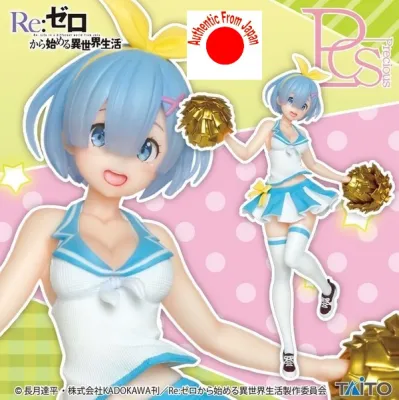
Prices are valid at publication and may change. Please refer to the product page for the latest price.
Once cured, polyresin is relatively lightweight compared to solid stone or metal, but it can be formulated with stone powder fillers to add heft. However, untreated resin is susceptible to chipping if dropped and can experience UV fading or yellowing over time if exposed to direct sunlight.
Ceramic and Porcelain
Fired clay materials, including ceramic and porcelain, offer a classic, timeless appeal characterized by a smooth, often translucent finish. Porcelain is fired at higher temperatures than standard ceramic, resulting in a denser, more delicate structure that produces a distinct ring when gently tapped.
These materials are finished with glazes that protect the surface, but they remain highly fragile and prone to shattering upon impact. To identify genuine ceramic or porcelain, inspect the unglazed base ring or look for subtle kiln marks where the piece rested during firing.
Metal and Bronze Finishes
Metal figurines provide a premium weight and classic aesthetic, but buyers must distinguish between solid metal casts and composite finishes. Cold-cast bronze, for instance, is actually a high-density resin mixed with real bronze powder, which is then buffed to a metallic sheen.
Solid bronze or brass pieces are significantly heavier, conduct temperature quickly (feeling cold to the touch), and will naturally develop a unique patina over years of exposure to air. Composite finishes, while visually similar, do not age the same way and lack the deep resonance of solid metal when tapped.
How Material Choices Impact Quality and Detail
The material selected for a figurine directly dictates the sharpness of its sculpted details and the precision of its hand-painted features. Polyresin allows for highly complex undercuts and fine textures, such as the delicate folds of clothing or intricate hair strands, because the liquid material fills every crevice of a flexible silicone mold.

In contrast, ceramic and porcelain shrink during the drying and firing processes, which can soften extremely fine details. However, they offer a luminous, smooth surface texture that accepts delicate overglaze painting and gold accents beautifully, creating a soft, elegant aesthetic that resin cannot fully replicate.
Surface finishes also vary dramatically by material; resin can be painted with matte, glossy, or metallic acrylics, while ceramics rely on vitrified glazes that resist scratching. Furthermore, the density of the material affects the figurine’s physical stability on display shelves, with heavier metal or stone-filled resin bases offering better resistance to accidental tipping.
Evaluating Durability and Longevity
Durability is a critical consideration when choosing where and how to display your collection. Ceramic and porcelain figurines possess high scratch resistance but have very low impact resistance, meaning a minor fall onto a hard surface will likely result in irreversible shattering.
Polyresin offers slightly better impact resistance than porcelain, making it less likely to shatter, though fine protruding parts can still snap off easily during transport, unboxing, or routine dusting. Both materials require careful handling, but resin is particularly vulnerable to environmental degradation.
High humidity, temperature fluctuations, and direct sunlight can cause resin to become brittle and its painted finishes to fade or discolor. Always check the manufacturer’s guidelines regarding indoor versus outdoor display suitability, as most decorative figurines are designed strictly for climate-controlled indoor environments. For figurines that feature integrated LED lighting or electronic elements, always verify the voltage, power interface, and electrical certification before connecting them to a power source, and keep these illuminated pieces away from damp environments.
Verifying Authenticity and Material Claims
To ensure you are purchasing a genuine piece that matches the advertised material, always inspect the physical characteristics of the figurine. Genuine collectible figurines typically feature identifying marks on the underside, such as incised maker’s marks, printed stamps, or holographic security stickers.
Compare the physical weight and tactile feel of the item against the official product specifications provided by the seller or manufacturer. If a figurine is advertised as solid bronze but feels surprisingly light or warm to the touch, it is highly likely a cold-cast resin composite. Whether you are investing S$50 or several hundred dollars in a collectible, verifying these details protects your purchase.
When purchasing from online marketplaces or secondary sellers, request detailed photographs of the base and any accompanying certificates of authenticity. If the seller cannot provide clear material specifications or if the physical traits conflict with the listing claims, it is best to halt the purchase to avoid counterfeit or low-quality imitations.
Care and Maintenance Based on Material
Proper maintenance preserves the visual appeal and structural integrity of your figurines over decades. For painted resin pieces, use a dry, soft-bristled makeup brush or a microfiber cloth to gently remove dust, avoiding liquid cleaners or solvents that can strip the painted finish.
Glazed ceramic and porcelain figurines can tolerate a slightly damp cloth for cleaning, but you must avoid getting water into any unglazed areas or hollow interiors through base holes. Never submerge a figurine in water, and avoid harsh chemical cleaners which can damage delicate overglaze decorations or gold leaf accents. For wall-mounted or suspended figurines, ensure you follow the manufacturer’s installation instructions or consult a qualified professional to secure the load safely.
If you notice structural cracks, loose joints, or flaking paint, stop cleaning immediately and consult a professional conservator or the manufacturer for repair advice. For long-term storage or relocation, wrap each figurine individually in acid-free tissue paper, followed by bubble wrap, and pack them securely in sturdy boxes with ample padding to prevent movement.
Frequently Asked Questions (FAQ)
How can I tell if a Precious Thoughts figurine is solid bronze or cold-cast?
You can differentiate solid bronze from cold-cast bronze by testing its temperature and weight. Solid bronze feels noticeably cold to the touch because it conducts heat away from your hand, whereas cold-cast resin feels relatively warm. Additionally, solid metal is significantly heavier than resin composites of the same size and will produce a clear, metallic ring when gently tapped with a fingernail, compared to the dull thud of resin.
Do resin figurines degrade or yellow over time?
Yes, resin figurines can degrade, yellow, or fade if they are exposed to ultraviolet (UV) light and high humidity. Direct sunlight triggers a chemical reaction in the polyurethane or epoxy binders, causing the material to become brittle and the paint to discolor. To preserve your figurine’s original finish, display it away from windows, direct sunlight, and high-moisture areas like bathrooms.
Are ceramic figurines safer for households with pets or children?
Ceramic figurines are generally less safe in active households because they shatter into sharp, hazardous shards when dropped. Polyresin, while still fragile, tends to break into larger, less dangerous pieces or simply chip. If you display delicate ceramic or porcelain pieces in homes with pets or children, secure them inside closed glass cabinets or use museum wax on the base to prevent accidental tipping.
Community discussion
Share your experience or ask a question. Comments are reviewed before publication.