
A red cushion cover is one of the most powerful design tools you can use to transform a room. Because red is a high-energy, attention-grabbing color, it acts as an instant focal point on a sofa, armchair, or bed. However, the specific fabric you choose dictates how that bold color behaves in your space. The exact same shade of red dye will look dramatically different on a plush velvet, a textured linen, or a crisp cotton.
Choose velvet if you want a luxurious, deep, and dramatic red with an elegant sheen that shifts in the light. This option is perfect for formal living spaces, cozy reading corners, and rooms where you want to introduce a sense of warmth and sophistication.
Choose linen if you prefer a relaxed, organic, and highly breathable texture. Linen diffuses light, softening the red into a more muted, earthy, or rustic tone. This is the ideal choice for casual, airy interiors, coastal-inspired decors, and warm, humid climates.
Products mentioned in this guide
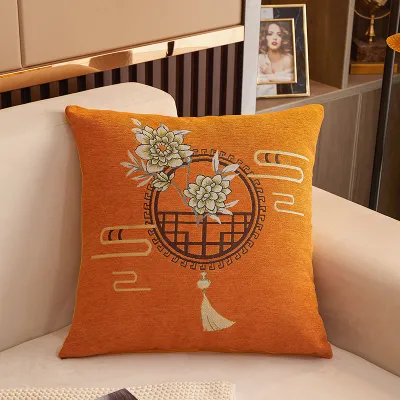
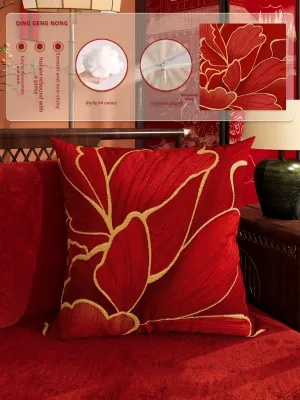
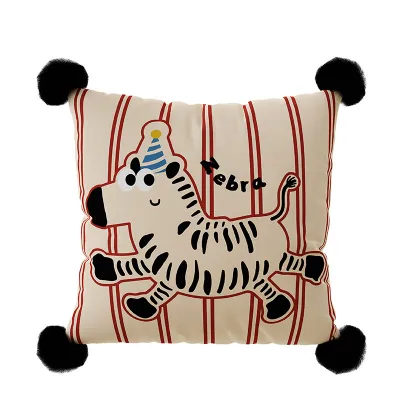
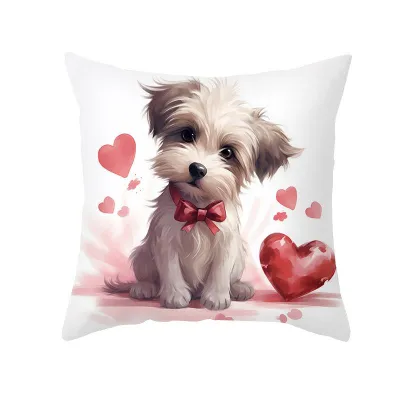
Prices are valid at publication and may change. Please refer to the product page for the latest price.
Choose cotton if you need a versatile, durable, and easy-to-clean option that delivers a clean, consistent, and true red color. It adapts effortlessly to both modern and traditional settings, making it the most practical choice for active households with children or pets.
It is important to note that vibrant red dye requires specific care across all fabric types. Red pigments are prone to fading when exposed to direct sunlight and can bleed during washing if not handled correctly. Understanding how each material interacts with this bold color, alongside its durability and maintenance needs, will help you make the perfect choice for your home.
Visual Appeal and Texture: How Red Looks on Each Fabric
The physical structure of a textile fiber determines how it absorbs, traps, and reflects light. This interaction directly shapes our perception of color. When dealing with a powerful hue like red, the fabric’s weave can elevate the color to a regal statement or soften it into an earthy accent.
Velvet: Rich Depth and Light Play
Velvet is constructed with a dense, vertical pile of cut fibers that stand perpendicular to the backing fabric. This unique three-dimensional structure allows velvet to interact with light in a highly dynamic way. When light hits a red velvet cushion cover, the tops of the cut fibers reflect a bright, lustrous sheen, while the deep spaces between the fibers absorb light, creating rich, dark shadows. This contrast gives red velvet an incredible sense of depth and dimension.
Depending on the angle of the light and the direction in which the pile is brushed, the color can shift from a bright, energetic scarlet to a deep, mysterious burgundy or ruby red. The tactile experience of velvet is equally luxurious, offering a thick, plush softness that immediately adds warmth and comfort to any seating arrangement. It pairs exceptionally well with metallic accents like gold or brass, as well as dark wood tones.
Linen: Matte Finish and Relaxed Character
Linen is crafted from natural flax fibers, which possess inherent irregularities in thickness known as slubs. When woven into fabric, these slubs create a highly textured, uneven surface that diffuses light in multiple directions rather than reflecting it evenly. As a result, a red linen cushion cover has a completely matte, non-reflective finish. This diffusion of light softens the intensity of the red dye, giving it a more muted, organic, and earthy appearance.
Instead of a high-contrast jewel tone, red linen often resembles warm brick red, terracotta, or a gently washed crimson. The texture is initially crisp and structured but softens beautifully with age and handling, developing a relaxed, lived-in drape. This makes red linen an exceptional fit for casual, rustic, bohemian, or coastal-inspired spaces where comfort and natural beauty are prioritized.
Cotton: Crisp, Consistent, and Versatile
Cotton is a highly uniform and versatile fiber that can be woven into a variety of flat structures, such as plain weave, canvas, or twill. Because the surface of woven cotton is relatively flat and consistent, it absorbs red dye incredibly evenly across the entire fabric. This creates a true, solid, and highly consistent red color without the shifting highlights of velvet or the textured variations of linen.
A red cotton cushion cover offers a clean, bright, and straightforward visual impact. It acts as an excellent canvas for solid primary reds, bright cherry tones, or crisp tomato reds. Because it lacks a heavy texture or high sheen, cotton is incredibly versatile, blending seamlessly into modern minimalist spaces, traditional rooms, or eclectic decors without competing with other design elements.
Durability and Everyday Wear: Which Fabric Lasts Longest?
Selecting the right material involves balancing aesthetic desires with the practical realities of daily wear. A cushion cover must withstand regular friction, stretching, and the occasional spill, all while maintaining its shape and color. Red dye presents its own unique challenges, as vibrant pigments are often more sensitive to environmental factors than neutral tones.

Linen is celebrated as one of the strongest natural fibers in existence, possessing high tensile strength that resists tearing and structural breakdown over decades of use. However, linen fibers have very low elasticity. When the fabric is bent or compressed, the fibers crease rather than spring back, leading to the signature wrinkling associated with the material. While many appreciate this as part of linen’s relaxed aesthetic, those who prefer a pristine, unwrinkled look may find the constant creasing frustrating. On the positive side, linen is highly resistant to pilling, ensuring the surface remains smooth and free of unsightly fiber balls even after years of use.
Cotton is another highly durable option, especially when selected in heavier weaves like canvas, twill, or duck. It handles daily friction exceptionally well and maintains its structural integrity through repeated use. However, lower-grade cotton or looser weaves can be prone to surface pilling over time, where loose fibers rub together to form tiny balls. Additionally, while cotton is tough, it can show signs of wear along high-friction areas such as seams, corners, and zipper tracks after prolonged, heavy use.
Velvet’s durability depends heavily on its fiber content. Synthetic polyester velvet is incredibly robust, highly resistant to abrasion, and easy to maintain. Natural fiber velvets, such as cotton or silk velvet, are much more delicate and require careful handling. The primary durability concern with any velvet is pile crushing or “bruising.” When subjected to constant pressure from sitting or leaning, the upright pile fibers can flatten. Over time, these flattened areas reflect light differently, creating permanent flat spots that can look like stains or worn patches. Furthermore, the dense pile of velvet acts as a magnet for dust, lint, and pet hair. If you share your home with shedding pets, a red velvet cushion will require regular maintenance to keep it looking clean and vibrant.
The longevity of the red color itself is a critical factor. Red pigments are particularly sensitive to ultraviolet (UV) light. When exposed to direct sunlight near windows, the UV rays break down the chemical bonds of the dye, causing the color to fade or “photobleach.” Linen and cotton are highly susceptible to sun fading, which can leave your vibrant red cushions looking dull and washed out on the side facing the window. Velvet, particularly synthetic polyester velvet, often offers slightly better resistance to UV fading, but all red fabrics should be shielded from prolonged exposure to direct sunlight. Always check the manufacturer’s care label to verify the colorfastness of the fabric before placing it in a sun-drenched spot.
Care and Maintenance: Cleaning and Climate Considerations
Maintaining the fresh appearance of your cushion covers requires a cleaning routine tailored to the specific characteristics of the fabric. Additionally, your local climate plays a major role in how these materials perform over time. In warm, highly humid environments like Singapore, fabric breathability and moisture management are essential for preventing musty odors and mold.
Cotton is widely regarded as the easiest fabric to care for. Most red cotton cushion covers can be safely machine washed on a gentle cycle. To protect the vibrant red dye from bleeding onto other items or fading, always use cold water and a mild, color-safe detergent. Avoid detergents containing optical brighteners, as these chemicals can alter the perceived shade of the red dye, making it look cool or muddy. Cotton covers can be tumble dried on a low setting or hung to air dry. They handle warm ironing well, making it simple to press out any wrinkles and restore a crisp, clean look. In humid climates, cotton is comfortable and breathable, but it can absorb and hold onto ambient moisture if the room lacks proper ventilation.
Linen requires a slightly more gentle approach to preserve its natural texture and prevent shrinkage. While many linen covers are machine washable, they should be washed on a delicate cycle using cool or lukewarm water. Avoid harsh spin cycles, which can distort the shape of the cover and set deep, difficult-to-remove creases into the fibers. Air drying is the best method for linen; lay the cover flat on a drying rack or hang it in a shaded, well-ventilated area away from direct sunlight. Linen is exceptionally breathable and has natural moisture-wicking properties, making it the premier choice for tropical climates. It dries incredibly fast, which prevents the buildup of dampness and significantly reduces the risk of mold, mildew, or musty odors in humid conditions.
Velvet is the most demanding material when it comes to maintenance. Many velvet cushion covers, particularly those made from cotton or luxury fiber blends, are dry clean only. Machine washing can permanently ruin the pile, causing the vertical fibers to mat, clump, or lose their soft texture. If you have a washable synthetic velvet cover, it must be washed inside out on a cold, ultra-delicate cycle. Never place velvet in a tumble dryer; instead, lay it flat to air dry. Once the cover is completely dry, you may need to gently brush the pile with a soft-bristled clothes brush in the direction of the nap to restore its signature loft and luster. In humid climates, velvet can feel heavy and warm against the skin, and its dense weave can trap moisture. If you choose velvet in a humid environment, it is best suited for air-conditioned rooms where the temperature and humidity are controlled, preventing the fabric from feeling damp or clammy.
Regardless of the material you choose, always prioritize the manufacturer’s care label. If the label is missing or if you are unsure about a cleaning method, perform a spot test on a small, hidden portion of the cover—such as the inside seam—before washing the entire item. This simple check ensures that the cleaning process will not cause the red dye to bleed or damage the fabric’s texture.
Side-by-Side Comparison: Velvet vs. Linen vs. Cotton
To help you quickly weigh the pros and cons of each material, the following table summarizes the key characteristics of velvet, linen, and cotton cushion covers. This comparison is based on the stable, natural properties of each fiber and can guide you toward the option that best matches your lifestyle and aesthetic preferences.
| Material | Visual Style | Texture | Durability & Wrinkling | Maintenance Level | Best Suited For |
|---|---|---|---|---|---|
| Velvet | Luxurious, deep, dynamic light play | Plush, soft, thick pile | High durability (synthetic) but prone to pile crushing and lint | High (often dry clean or delicate wash, needs brushing) | Formal spaces, sophisticated decor, air-conditioned rooms |
| Linen | Muted, rustic, casual elegance | Textured, crisp, develops soft drape | Very high durability, highly prone to natural wrinkling | Moderate (gentle wash, air dry, optional ironing) | Casual living, coastal styles, humid climates, low-fuss aesthetics |
| Cotton | Clean, consistent, versatile | Smooth, soft, uniform weave | High durability, moderate wrinkling, potential seam wear | Low (machine washable, easy to iron) | Active households, modern or traditional spaces, frequent washing |
As shown in the comparison, each material offers a distinct balance of visual style, tactile comfort, and maintenance requirements. Your choice should reflect not only how you want the red cushion cover to look, but also how much time you are willing to dedicate to its care and how it will interact with your home’s daily activities.
Final Verdict: How to Make Your Choice
Selecting the best material for your red cushion cover ultimately comes down to aligning the fabric’s natural properties with your household’s daily lifestyle, your local climate, and your design goals. By matching the right fabric to your specific environment, you can ensure your red cushions remain a stunning and comfortable addition to your home for years to come.
Before finalizing your purchase, use this practical pre-purchase checklist to ensure a perfect fit and long-term satisfaction:
- Confirm the Exact Dimensions: Measure your existing cushion inserts carefully before buying a cover. Standard sizes like 45×45 cm or 50×50 cm are common, and the cover must match these dimensions precisely for a clean, tailored look. If you prefer an exceptionally plump and full appearance, consider choosing a cushion insert that is roughly 5 cm larger than the cover itself.
- Verify the Closure Type: Look for high-quality closures that make removing the cover for cleaning simple and hassle-free. Hidden zippers are highly recommended because they remain concealed, preserving the smooth lines of cotton or the sleek, luxurious drape of velvet. Deep envelope closures are another excellent, zipper-free option that works beautifully with the relaxed, rustic aesthetic of linen.
- Check the Cushion Insert Compatibility: Determine whether the product listing is for the cushion cover only or if it includes the insert. If you need to purchase inserts separately, consider the filling material. Natural feather or down inserts offer a soft, sink-in feel that complements the relaxed nature of linen, while synthetic polyester fiberfill inserts provide a firmer, more structured support that pairs well with the crisp lines of cotton and the plush volume of velvet.
- Read the Care Instructions for Red Dye: Always review the specific care label or product description for colorfastness details. Because vibrant red dye can bleed or fade, confirming that the cover can be washed in cold water or dry cleaned according to your preferences will save you from unexpected laundry mishaps.
By taking these factors into account, you can confidently choose between the rich depth of velvet, the relaxed breathability of linen, or the practical versatility of cotton. Whichever material you select, a red cushion cover is sure to bring warmth, energy, and a beautiful touch of personality to your living space.
Community discussion
Share your experience or ask a question. Comments are reviewed before publication.