
Finding the ideal vintage table lamp in Singapore requires navigating a diverse market split between genuine historical artifacts and modern, vintage-inspired reproductions. Because there is no single brand that universally fits every home, the best option depends on your priorities: whether you value the irreplaceable character and historical provenance of an antique, or the plug-and-play safety and predictable performance of a modern replica. To make an informed investment, you must evaluate fixtures based on material authenticity, structural integrity, and electrical safety. This guide provides a comprehensive framework to compare these two sourcing paths, helping you select a high-quality lamp that safely illuminates your space.
Authentic Antiques vs. Vintage-Inspired Reproductions
To begin your search, you must distinguish between genuine heritage pieces and modern reproductions. Genuine antique lamps are historical artifacts, often sourced from mid-century, Art Deco, or industrial eras. These pieces are typically sold by specialized antique dealers, vintage collectors, or restoration workshops. They carry a natural patina—a gentle wear on brass, copper, or wood that cannot be perfectly replicated by modern machines. The hardware, from the rotary switches to the heavy cast bases, reflects the manufacturing standards of their respective eras. However, buying authentic antiques means accepting certain trade-offs, such as minor surface imperfections, the absence of manufacturer warranties, and the potential need for professional electrical restoration.
Conversely, modern vintage-inspired brands manufacture new lamps designed to mimic historical aesthetics. These brands offer the convenience of modern manufacturing consistency, standardized replacement parts, and contemporary safety certifications. While some high-end reproduction brands use premium materials like solid brass and hand-blown glass, others rely on artificial distressing techniques, such as painted patinas or chemically aged metals, to simulate age. The primary advantage of these modern brands is predictability: you receive a product with a clear warranty, standard wiring, and immediate compatibility with modern bulbs, though you sacrifice the unique historical narrative and potential investment value of a true antique.
Products mentioned in this guide
![[Pre-Order 18-25 Days]Banker Lamp Vintage European reading desk lamp bedroom bedside reading light solid wood eye-protecting iron table lamp](https://img.lazcdn.com/g/p/3c7586971f89f675495f663ab43088a9.jpg_400x400q80.jpg_.webp)
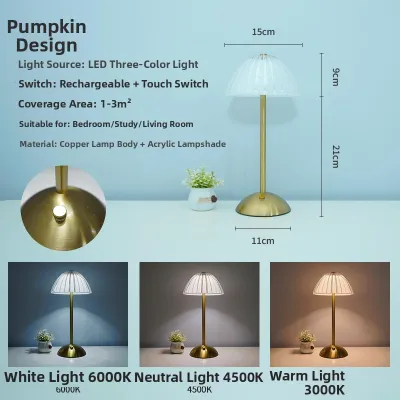
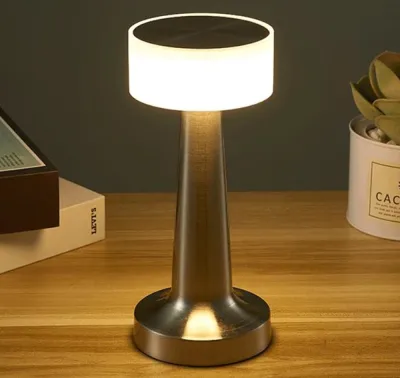
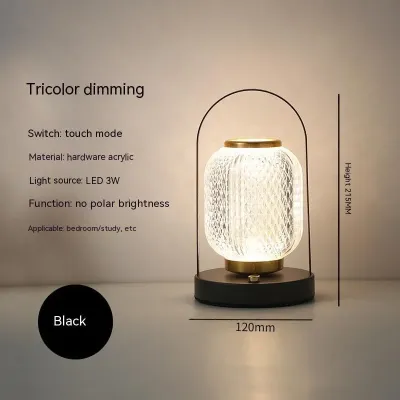
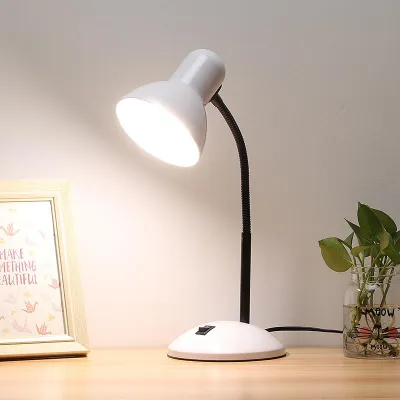
Prices are valid at publication and may change. Please refer to the product page for the latest price.
Core Metrics for Evaluating Brand Quality and Style
When comparing different brands or sourcing channels, you should look past the surface styling and evaluate the physical construction of the lamp. The first indicator of quality is the weight and composition of the materials. Premium vintage and vintage-style lamps utilize solid metals like brass, copper, or cast iron, as well as heavy, high-fired ceramics. Lower-quality brands often substitute these with lightweight plated alloys, plastics, or hollow resin bases painted to look like metal. You can verify this by lifting the lamp; a high-quality fixture should feel bottom-heavy and stable, preventing accidental tipping on your side table or desk.

Next, examine the hardware, joints, and moving parts. If the lamp features an adjustable arm, a swivel joint, or a counterbalance mechanism—common in industrial and mid-century designs—test the smoothness of its movement. High-quality brands use robust, threaded tension keys or precisely machined joints that hold their position without slipping. Inspect the switch mechanism as well; a solid, tactile click from a brass rotary switch, a heavy toggle, or a thick pull chain indicates durable internal components, whereas a flimsy plastic inline switch often signals cost-cutting.
The lampshade is another critical component that defines both the aesthetic and the light quality. For glass shades, such as those found on banker’s lamps or Art Deco globes, check for uniform thickness and the absence of sharp, unfinished edges. Fabric and parchment shades should have clean, secure seams and sturdy wire frames that do not flex easily. The shade must also provide adequate clearance from the bulb to ensure even light diffusion and prevent heat buildup.
Finally, assess the design coherence of the fixture. A well-designed vintage lamp respects the design language of its target era. For instance, a Mid-Century Modern lamp should feature clean lines, organic curves, or geometric simplicity without mismatched elements like industrial raw-steel screws or ornate Victorian brass detailing. High-quality brands maintain historical accuracy in their proportions, ensuring the scale of the shade perfectly balances the weight of the base.
Electrical Safety and Compatibility in Singapore
Electrical safety is the most critical factor when introducing any vintage or vintage-style lamp into your home. Singapore operates on a 230V electrical system at 50Hz, utilizing the three-pin Type G plug. Many authentic vintage lamps are imported from regions with different electrical standards, such as the United States (110V) or continental Europe. If you purchase an imported antique, you must verify whether it has been professionally rewired for local voltage. Operating a 110V lamp on a 230V system without proper rewiring or a compatible transformer is an extreme fire and shock hazard.
The bulb socket type also dictates daily usability. Standard local sockets typically accommodate E27 (large screw), E14 (small screw), or B22 (bayonet) bases. Some imported vintage lamps may feature unusual socket sizes, such as American E26 or specialized candelabra bases, which can make finding replacement bulbs difficult in local shops. When evaluating a brand, check the socket specifications to ensure you can easily source compatible vintage-style LED filament bulbs, which provide the warm, amber glow of traditional incandescent bulbs without the high energy consumption and heat output.
Heat management is particularly vital for older fixtures or those with enclosed shades. Every lamp socket should have a clearly marked maximum wattage rating. Because vintage-style materials like paper, fabric, or delicate glass can degrade or crack under high heat, you must never exceed this limit. Utilizing modern LED bulbs is an excellent way to mitigate heat risk, as they draw significantly less wattage while producing minimal heat compared to original incandescent bulbs.
For modern vintage-inspired reproductions sold in Singapore, look for recognized electrical safety certifications, such as the Safety Mark, which indicates the appliance has been tested and approved for local use. For authentic antiques, do not rely on the original wiring, even if it appears intact. Vintage cloth-covered cords can degrade internally over decades, leading to exposed live wires. Always have an antique lamp inspected, tested, and, if necessary, rewired by a qualified electrician before plugging it into your wall.
Assessing Value for Money and Sourcing Channels
Determining whether a vintage table lamp justifies its price tag requires analyzing the sourcing channel and the level of craftsmanship involved. If you are shopping for authentic antiques, a higher price often reflects the rarity of the piece, the cost of professional restoration, and its historical provenance. Specialized antique boutiques in Singapore curate these items, ensuring they are structurally sound and electrically safe before sale. While this route requires a larger upfront investment—often ranging from several hundred to over a thousand dollars—you are paying for a unique piece of history that may retain or increase its value over time.
When evaluating modern vintage-style brands, the price should align with the quality of the materials rather than just the brand name. Be cautious of online marketplaces or home decor retailers selling lightweight, mass-produced lamps with “distressed” finishes at premium prices. A high-quality reproduction brand should offer transparent specifications, detailing the use of solid metals, hand-blown glass, and certified electrical components.
Always look for clear after-sales support. Modern brands should provide a standard warranty covering manufacturing defects and electrical failures. In contrast, authentic antiques are almost always sold on an “as-is” basis. When buying from antique dealers, ask detailed questions about the lamp’s history, any restoration work performed, and whether they offer any post-purchase repair services if a switch or socket fails down the line. Avoid sellers who cannot verify the safety of their vintage inventory or those who sell unrestored pieces with frayed, original wiring.
Decision Framework: Choosing Your Ideal Vintage Lamp
To choose the right path, align your selection with your lifestyle, budget, and risk tolerance.
Opt for authentic antique dealers if you want a one-of-a-kind statement piece with genuine historical character, appreciate the natural patina of aged materials, and are willing to invest in professional electrical verification and careful maintenance. This path is ideal for collectors and design enthusiasts who view lighting as a long-term investment.
Choose modern vintage-inspired brands if you prioritize immediate safety, plug-and-play convenience, standardized warranties, and a more predictable budget. This option is best for busy households, rental properties, or spaces where consistent performance and easy bulb replacement are paramount.
Before making your final purchase, verify the specific environment where the lamp will sit. If you plan to use smart-home bulbs or specialized dimmer switches, ensure the lamp’s socket and wiring configuration can support them. Additionally, avoid placing delicate vintage materials, such as untreated paper shades or unlacquered brass, in high-humidity areas like bathrooms or semi-outdoor patios, as moisture can accelerate tarnishing and degrade electrical components.
Frequently Asked Questions (FAQ)
How do I safely clean a vintage brass or copper lamp base?
To maintain the finish of a vintage metal lamp base, start with the gentlest method possible. Use a soft, dry microfiber cloth to remove dust and loose debris regularly. For light grime, dampen the cloth slightly with a highly diluted solution of mild dish soap and water, wipe the surface gently, and dry it immediately with a clean towel. Avoid harsh chemical polishes, brass cleaners, or abrasive scrubbing pads, as these can strip away the natural patina that gives the lamp its vintage character, or damage any protective factory lacquer. Always test any cleaning method on a small, inconspicuous area first, such as the underside of the base, and stop immediately if you observe any discoloration or stripping of the finish.
Can I use smart bulbs in vintage-style table lamps?
Yes, you can generally use smart bulbs in vintage-style table lamps, provided the bulb’s base matches the lamp’s socket (such as a standard E27 or E14 screw base) and its physical dimensions fit comfortably within the shade. You must also ensure the smart bulb’s wattage equivalent does not exceed the maximum wattage rating marked on the lamp’s socket. However, be aware that vintage lamps featuring built-in mechanical dimmers, touch-sensitive bases, or older electronic transformers may be incompatible with smart bulbs, leading to flickering, buzzing, or premature bulb failure. If your vintage lamp has an integrated dimmer, it is best to consult a qualified electrician to bypass or remove the legacy dimming mechanism before installing a smart bulb.
Community discussion
Share your experience or ask a question. Comments are reviewed before publication.