
Wabi sabi wall art is defined by its celebration of transience, imperfection, and organic simplicity. To find authentic pieces for your home, you should look for tactile, minimally processed materials such as raw linen, handmade paper, textured plaster, and earth-based pigments. These elements stand in stark contrast to the glossy, symmetrical, and mass-produced decor common in modern retail, offering instead a quiet, grounding presence that evolves beautifully over time.
Integrating this style into your living space requires looking beyond mere minimalism. While both design movements value simplicity, wabi sabi embraces the weathered, the asymmetrical, and the handmade. Understanding the core philosophy and physical mediums of this art form will help you select pieces that bring genuine character and a sense of calm to your walls.
Defining the Wabi Sabi Aesthetic in Wall Art
At its core, the wabi sabi philosophy finds beauty in things that are imperfect, impermanent, and incomplete. In the context of wall art, this translates to pieces that reject machine-made perfection. You will often see asymmetrical compositions, irregular edges, and visible brushstrokes that reveal the hand of the artist. Rather than feeling flawed, these irregularities give the artwork its soul and unique identity.
Products mentioned in this guide
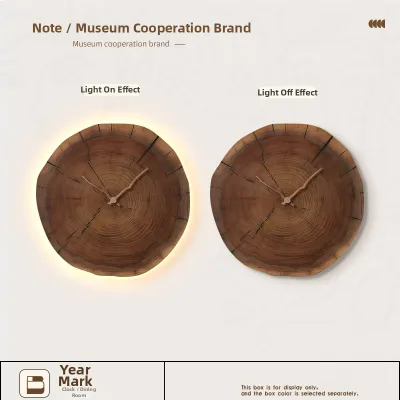
Prices are valid at publication and may change. Please refer to the product page for the latest price.
Color palettes in this aesthetic are deeply tied to the natural world. Expect to see muted, desaturated tones such as warm sand, charcoal, soft ochre, terracotta, and sage green. These colors do not shout for attention; instead, they absorb light and create a serene, atmospheric quality. The goal is to evoke the quiet tones of stone, soil, and weathered wood, allowing the artwork to blend seamlessly into a peaceful interior.
Another defining characteristic is the intentional use of empty space, often referred to as negative space. In Japanese design principles, this concept allows the composition to breathe, giving the viewer room for contemplation. A wabi sabi piece rarely covers the entire canvas with complex patterns. Instead, a single textured line or a subtle wash of color is balanced against a vast, quiet background, creating a powerful sense of stillness.
Typical Materials and Textures in Wabi Sabi Art
To achieve a truly authentic look, the materials used must be organic and tactile. Raw, unbleached natural fibers are a cornerstone of this style. Linen, cotton, and hemp are frequently left unprimed and unstretched, showcasing their natural slubs, weaves, and frayed edges. These textiles react to ambient light and shadow, adding a soft, organic layer to your walls.

Handmade papers are another essential medium to look for. Papers crafted using traditional methods, such as Japanese washi or Indian khadi, feature deckled, uneven edges and visible plant fibers embedded in the surface. These papers possess a delicate yet resilient texture that cannot be replicated by industrial printers. When floated in a simple frame, the irregular edges of the paper become an artistic feature in their own right.
Authentic pieces also rely on natural pigments and organic binders. Artists often use ground minerals, clay, soot, and plant-based dyes to create their paints. These natural mediums produce matte, chalky finishes that interact beautifully with changing daylight. Over time, these pigments may shift subtly in tone, a natural aging process that aligns perfectly with the wabi sabi philosophy.
Mixed-media works frequently incorporate structural elements like lime wash, plaster, raw clay, or reclaimed wood. Heavy plaster canvases feature deep cracks, crevices, and ridges that mimic weathered stone or peeling plaster walls. These three-dimensional surfaces catch the light throughout the day, shifting the mood of the artwork as the sun moves across the room.
How to Evaluate and Select Authentic Pieces
When shopping for wabi sabi wall art on online marketplaces or in local galleries, start by examining the product descriptions for material transparency. Authentic creators will proudly detail their sourcing and techniques, listing specific components like hand-loomed linen, natural lime plaster, or mineral pigments. A lack of material detail often points to mass-produced items made from synthetic materials.
Study high-resolution images closely to assess the depth of the texture. True wabi sabi art relies on physical dimension. Look for shadows cast by plaster ridges, the fibrous texture of handmade paper, or the uneven weave of raw canvas. If the surface appears perfectly flat and uniform despite looking textured from a distance, it is likely a digital print mimicking a physical texture.
Avoid mass-produced flat prints that use digital filters to simulate distress or artificial aging. While these prints may be budget-friendly, they lack the tactile warmth and light-catching qualities that define the aesthetic. Investing in a single, genuinely textured piece will do more to ground your space than a gallery wall of flat, printed imitations.
Consider your home’s specific environment before making a purchase. In tropical climates like Singapore, high humidity can significantly impact organic materials. Raw, unsealed canvas, handmade papers, and natural fibers can absorb moisture from the air, making them susceptible to warping or mold if placed in damp, unventilated areas. For these environments, consider displaying delicate paper works behind protective, non-reflective glass, or ensure your room has consistent air circulation.
Additionally, pay close attention to installation requirements. Heavy mixed-media pieces, particularly those featuring thick plaster on wood panels, can carry substantial weight. Always verify the weight of the artwork and use appropriate wall anchors suitable for your wall type—whether concrete, brick, or drywall—to ensure the piece is suspended safely and securely.
Frequently Asked Questions (FAQ)
Are printed reproductions considered authentic wabi sabi art?
Generally, flat digital reproductions lack the physical texture and tactile depth that are central to the wabi sabi aesthetic. However, high-quality giclée prints executed on heavyweight, highly textured fine art paper or matte cotton canvas can serve as an acceptable alternative if original textured works are outside your budget. To maintain an authentic feel, look for prints that do not attempt to falsely replicate three-dimensional plaster cracks digitally, opting instead for simple, minimalist ink or watercolor designs where the texture of the paper itself can shine through.
How should I maintain raw canvas and natural fiber wall art?
To preserve the delicate, organic qualities of raw canvas and natural fibers, dust them gently using a clean, dry, soft-bristled brush or a static microfiber cloth. Never use water, liquid cleaners, or damp cloths, as moisture can easily stain unprimed fibers, dissolve natural binders, or encourage mold growth. Keep the artwork out of direct, harsh sunlight to prevent the natural pigments from fading prematurely, and avoid hanging these pieces in high-humidity zones like bathrooms or directly adjacent to kitchen cooking areas.
Community discussion
Share your experience or ask a question. Comments are reviewed before publication.