
For a Catholic household in Singapore, establishing a dedicated home prayer altar is a deeply meaningful way to foster daily devotion and create a sanctuary of peace. At the heart of this sacred space sits the wall crucifix, serving as a visual anchor and a constant reminder of faith. Selecting the ideal wall crucifix requires a thoughtful balance of sacred tradition, personal aesthetic preferences, and the practical realities of local residential spaces. Because Singaporean homes range from cozy Housing & Development Board (HDB) flats to modern condominiums, factors like room proportion, tropical humidity, and wall construction must guide your choice. By exploring various design styles—such as modern minimalist wood, contemporary metal, traditional carved, and culturally resonant inculturated designs—you can find a piece that harmonizes with your interior decor while elevating your spiritual practice.
Key Criteria for Choosing a Wall Crucifix
Space and Proportion In Singapore’s urban landscape, maximizing space is a key consideration for interior design. When planning a prayer corner, the wall crucifix must be scaled appropriately to the surrounding wall area. A crucifix that is too small can easily be visually overwhelmed by other furniture, while an oversized piece can dominate a modest room, disrupting the balance of the space. For typical HDB bedrooms or living rooms, a crucifix height of 8 to 15 inches (approximately 20 to 38 centimeters) generally offers the perfect balance. This size ensures the crucifix remains a clear focal point without crowding the wall, leaving sufficient breathing room for other devotional items on the altar shelf below.
Material and Indoor Climate Singapore’s tropical climate is characterized by high relative humidity and warm temperatures throughout the year. These environmental factors can significantly affect decorative materials over time. For instance, untreated or poorly sealed wood can absorb moisture from the air, making it susceptible to warping, cracking, or mold growth. Similarly, certain metals may oxidize or tarnish if left unprotected in humid conditions. To ensure longevity, it is essential to check the manufacturer’s care instructions and product specifications before purchasing. Opting for woods with high-quality protective sealants, rust-resistant metal finishes, or durable resin composites will help your crucifix withstand the local climate.
Products mentioned in this guide
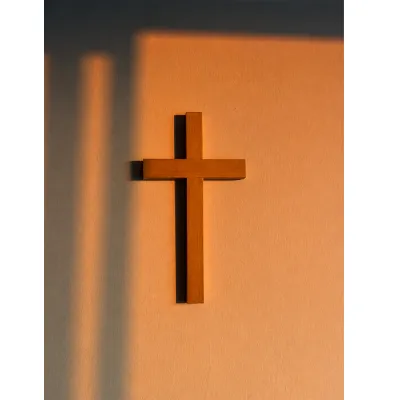
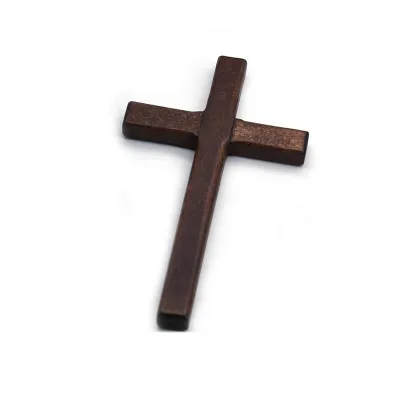
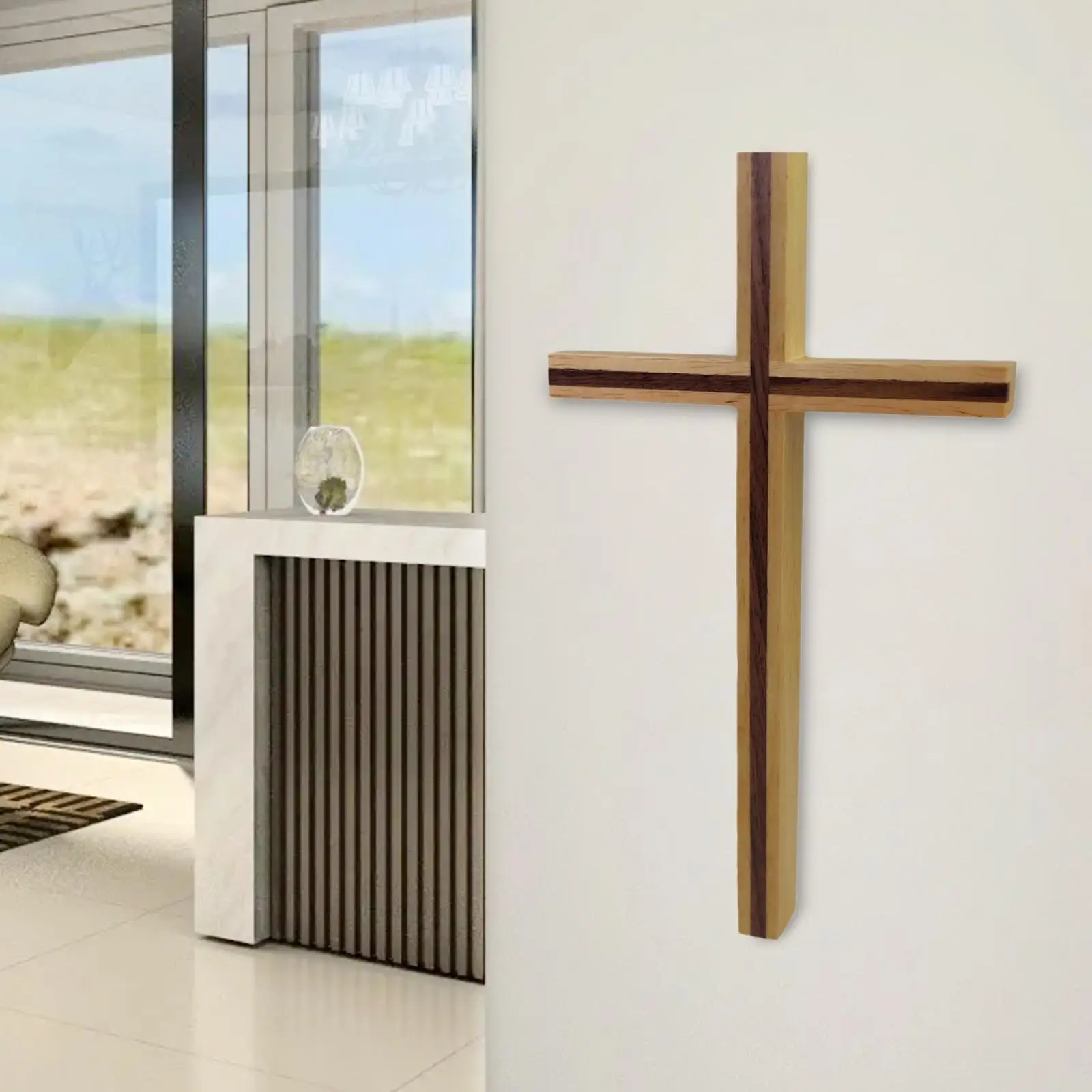
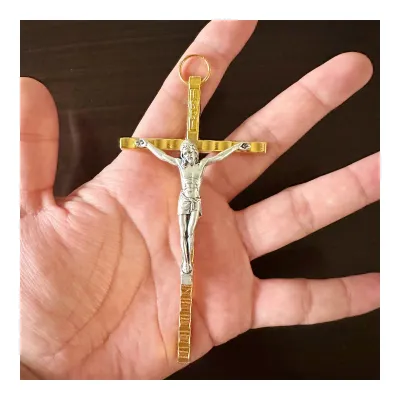
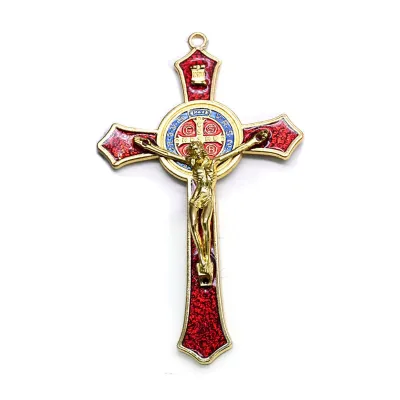
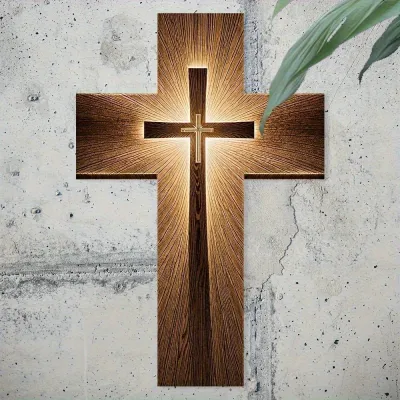
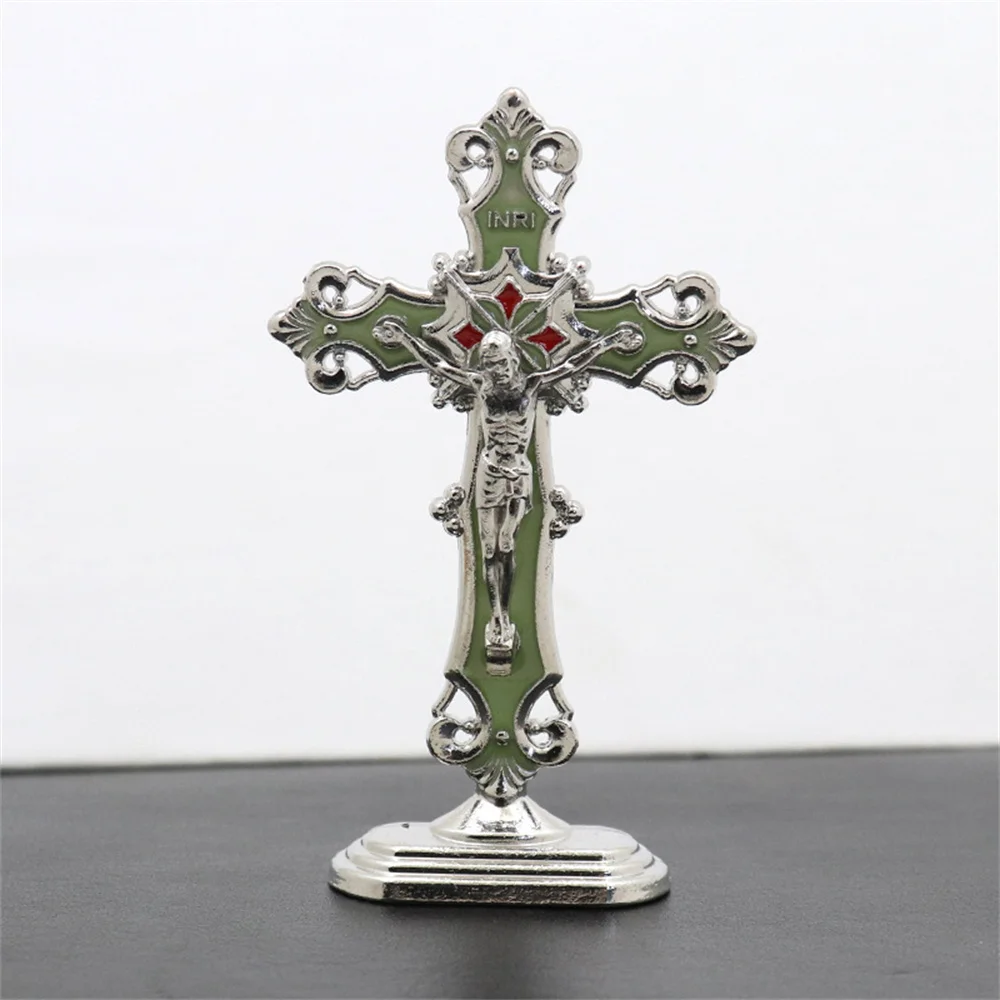
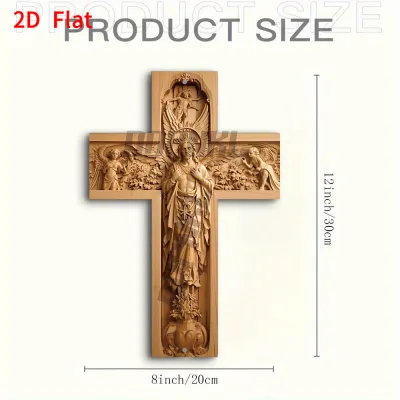
Prices are valid at publication and may change. Please refer to the product page for the latest price.
Theological Appropriateness When setting up a Catholic home altar, understanding the theological distinction between a plain cross and a crucifix is essential. A cross consists of the bare intersecting beams, symbolizing the resurrection and victory over death. A crucifix, however, features the corpus—the representation of the physical body of Jesus Christ. Catholic devotional tradition strongly favors the crucifix for primary prayer spaces, as it directs the mind to the profound mystery of Christ’s sacrifice and redemptive love. While a plain cross can serve as an inspiring decorative element elsewhere in your home, the central focus of your primary prayer altar should ideally be a crucifix to align with traditional Catholic practice.
Recommended Wall Crucifix Styles for Singapore Homes
Modern Minimalist Wood
The modern minimalist wooden crucifix is an exceptional choice for contemporary Singaporean homes, particularly those designed around Scandinavian, Japandi, or Muji-inspired aesthetics. This style emphasizes clean lines, organic textures, and a sense of quiet simplicity. Typically crafted from light-colored woods such as oak, ash, beech, or maple, these crucifixes bring a natural warmth to the prayer space. Darker woods like walnut or cherry can also be used to create a striking, elegant contrast against pale or neutral-toned walls.

When selecting a minimalist wooden crucifix, look for smooth, matte protective finishes that allow the natural beauty of the wood grain to show through. The corpus in these designs is often highly streamlined, utilizing simple silhouettes and clean contours that evoke a sense of peace and modern elegance. This style functions beautifully in bright, airy prayer corners where natural light can illuminate the organic textures of the wood.
- Key Design Features: Light wood tones, streamlined corpus silhouettes, matte protective sealants, and seamless joinery.
- Ideal Placement: Bright living rooms, study rooms, or bedrooms featuring light-toned wooden furniture and neutral color palettes.
Contemporary Metal and Geometric
For homes with industrial, modern, or eclectic interior themes, contemporary metal and geometric crucifixes offer a sleek, architectural alternative. Often constructed from materials such as brushed stainless steel, matte black wrought iron, brass, or bronze, these pieces introduce sharp lines and a sophisticated structural element to the altar. Metal crucifixes are highly durable and exceptionally resistant to Singapore’s humid climate, requiring very little maintenance over the years.
Geometric designs frequently play with negative space, utilizing open frameworks or intersecting lines to depict the cross and the corpus in a highly artistic, subtle manner. Some contemporary metal designs feature stylized, abstract representations of Christ that blend seamlessly with the overall geometry of the cross. Because metal is a dense material, these crucifixes can be deceptively heavy. Always verify the mounting hardware provided by the manufacturer and inspect the back of the piece to ensure it features a robust bracket or keyhole slot capable of supporting its weight safely.
- Key Design Features: Matte black, brass, or brushed steel finishes, open-frame geometric lines, and abstract corpus designs.
- Ideal Placement: Modern apartments with bold accent walls, industrial-themed spaces, or compact prayer niches.
Traditional and Classic Carved
Traditional and classic carved crucifixes carry a rich visual weight and a deep sense of historical continuity. This style is characterized by detailed hand-carving, expressive representations of the corpus, and classic finishes such as dark mahogany stains, antique gold leaf accents, or hand-painted details. These pieces evoke the timeless beauty of historical European churches and are perfect for creating a highly solemn, dedicated prayer space.
Homeowners with classic, colonial, transitional, or formal interior themes often find that a traditional carved crucifix grounds the room with a sense of sacred permanence. However, the intricate details of carved wood or resin—such as the folds of the loincloth, the crown of thorns, or the textured wood grain—can collect dust over time. When choosing this style, consider how easy the piece will be to maintain. Regular, gentle dusting with a soft, dry microfiber brush is usually required to keep the details clean and free from buildup in Singapore’s urban environment.
- Key Design Features: Intricate hand-carved details, rich dark wood stains, gold leaf accents, and realistic corpus expressions.
- Ideal Placement: Dedicated prayer rooms, spacious living areas, and homes with classic or colonial-inspired decor.
Asian-Inspired and Inculturated Designs
Inculturation is the beautiful process of expressing Christian theology through the lens of local cultures and artistic traditions. Asian-inspired and inculturated wall crucifixes offer a deeply personal way to connect one’s faith with regional heritage. These unique designs may incorporate symbolic motifs from Asian art, such as lotus flower bases, bamboo-textured crosses, or stylized clouds, and the features of the corpus may reflect local or regional facial characteristics and traditional vestments.
Integrating an inculturated crucifix into a Singaporean home creates a prayer space that feels both universally Catholic and locally resonant. These pieces are often crafted by specialized religious artisans or sourced from regional shrines and monasteries across Asia. When purchasing an inculturated design, it is important to source from reputable religious art creators to ensure that the integration of cultural symbols is done with theological respect and liturgical appropriateness, preserving the sacred nature of the crucifix.
- Key Design Features: Regional artistic motifs (bamboo textures, lotus bases), culturally resonant corpus depictions, and hand-crafted materials.
- Ideal Placement: Eclectic home interiors, spaces celebrating regional heritage, and personal prayer corners seeking a unique cultural connection.
Sizing, Placement, and Safe Installation Guidelines
Visual Height and Focal Point To establish a prayerful atmosphere, the wall crucifix must be the undisputed visual anchor of your prayer corner. A general rule of thumb is to mount the crucifix so that its center (or the head of the corpus) sits at or slightly above eye level. This height should be adjusted based on your primary posture during prayer; if you usually stand, place it at standing eye level, whereas if you primarily kneel or sit, lower it slightly so that you do not have to strain your neck to look upon it.
Wall Identification and Load Limits Before driving any screws into your wall, you must identify the wall’s construction material. Singaporean homes feature a mix of wall types. Older and newer HDB flats typically have solid concrete or precast concrete internal walls, which are incredibly sturdy but require a masonry drill bit and plastic wall plugs (anchors) to mount heavy items. Conversely, some condominiums and renovated flats utilize gypsum board or drywall partitions for internal room dividers. Drywall cannot support heavy loads without specialized hollow-wall anchors, and mounting a heavy metal or solid wood crucifix directly into drywall without proper support can cause the wall to fail.
Safe Mounting Practices Always use the correct screws and wall plugs rated for both your specific wall material and the exact weight of the crucifix. Check the back of the crucifix to ensure the hanging bracket is securely attached to the frame. If you are mounting onto concrete, a hammer drill is necessary to create the hole for the wall plug.
Safety Boundaries If you are unsure of your wall type, do not have the appropriate tools, or if the wall crucifix is exceptionally heavy or lacks clear mounting hardware, do not attempt a DIY installation. Stop and consult a qualified handyman or professional installer. Ensuring a secure mount prevents the sacred object from falling, which could cause irreparable damage to the crucifix, ruin your wall, or pose a safety hazard to household members.
Styling Your Prayer Corner Around the Crucifix
Symmetry vs. Asymmetry A balanced layout helps foster a sense of peace and order. You can arrange the altar table or shelf directly below the wall crucifix using either symmetrical or asymmetrical design principles. A symmetrical arrangement—such as placing a candle holder on both the left and right sides of a central Bible—creates a formal, classical look. An asymmetrical arrangement—such as placing a small statue of the Virgin Mary on one side and a small vase of fresh flowers on the other—feels more modern and organic. Regardless of your choice, ensure that the wall crucifix remains the highest and most prominent element in the space, with no other object rising above it.
Lighting and Atmosphere Lighting plays a crucial role in setting a prayerful mood. Soft, warm lighting is highly recommended over harsh, cool overhead lights. Consider installing a low-glare, directional picture light above the crucifix to highlight its details gently, or place small LED candles on the altar shelf below. If you prefer using traditional wax candles, ensure they are placed far enough away from the wall and any hanging fabrics to prevent soot damage or fire hazards. Always verify that any electrical lighting fixtures used are certified for safety and match the voltage requirements of Singapore (typically 230V, 50Hz).
Clutter Management To maintain a sacred and focused environment, keep the immediate wall area and shelf space around the crucifix clear of unrelated household items. Everyday objects like keys, mail, remote controls, or charging cables should be kept far away from the prayer corner. A clean, uncluttered space minimizes visual distractions, allowing you to focus your mind and heart entirely on prayer and meditation.
Frequently Asked Questions (FAQ)
Does a Catholic wall crucifix need to be blessed?
While it is a highly encouraged and beautiful pious practice to have a priest bless a new wall crucifix, it is not a strict canonical requirement for it to be used as a focal point for personal prayer at home. Having the crucifix blessed turns it into a sacramental—a sacred sign that prepares us to receive grace and disposes us to cooperate with it. If you wish to have it blessed, you can bring it to your parish priest after Mass or ask him to bless your home and the altar space during a home visit.
What is the difference between a cross and a crucifix for a home altar?
The fundamental difference lies in the depiction of Jesus Christ. A cross is the bare geometric structure representing the instrument of salvation, whereas a crucifix features the corpus, which is the physical figure of the crucified Christ. While both symbols are deeply respected, Catholic liturgical and devotional tradition strongly favors the use of a crucifix for primary prayer altars. The presence of the corpus serves as a visual reminder of Christ’s profound love, sacrifice, and redemption, making it the preferred choice for a home prayer corner.
Community discussion
Share your experience or ask a question. Comments are reviewed before publication.