
Selecting a wall-mounted altar for an HDB flat or condominium requires balancing daily worship needs with the spatial constraints of compact apartment living. The right choice depends on accurately measuring your available wall area, understanding the physical requirements of your ritual items, and ensuring secure installation. This guide walks you through the essential space-matching decisions, style considerations, and safety boundaries to help you find a setup that honors your traditions while harmonizing with your home.
In modern Singapore apartments, floor space is at a premium. Transitioning from a traditional floor-standing cabinet to a wall-mounted altar is an effective way to free up valuable square footage while maintaining a dedicated, respectful space for daily devotions. However, because a wall-mounted unit becomes a permanent or semi-permanent fixture on your wall, careful planning is required to ensure it does not interfere with the flow of your household or compromise the structural integrity of your walls.
Assessing Your Space and Spatial Constraints
Before browsing designs, you must thoroughly evaluate the physical environment of your proposed installation site. Begin by measuring the absolute width and height of the usable wall area. It is crucial to account for nearby architectural features and furniture. For instance, ensure the altar’s placement does not obstruct the swing path of nearby bedroom doors, wardrobe doors, or main entranceways. Additionally, check the clearance from the ceiling; if you have a ceiling fan installed, the altar must be positioned far enough away to prevent any risk of rising incense heat or smoke interfering with the fan blades, and to avoid any visual distraction from moving shadows.
Products mentioned in this guide
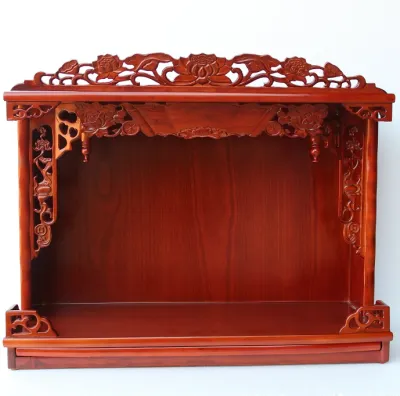
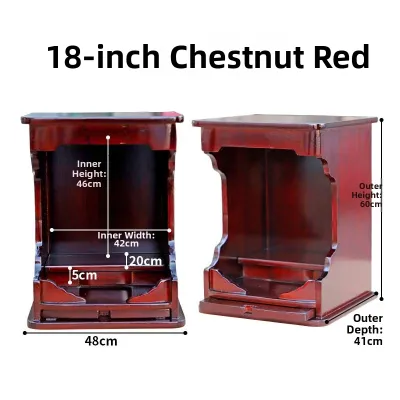
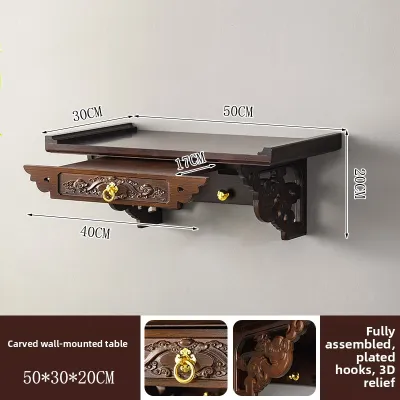
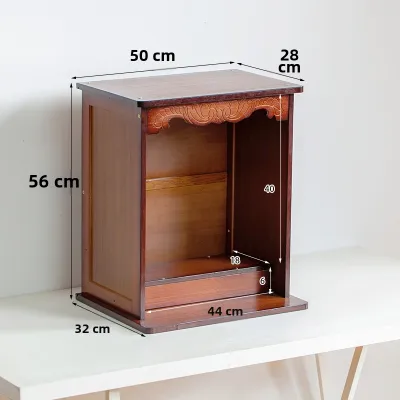
Prices are valid at publication and may change. Please refer to the product page for the latest price.
Floor clearance below the altar is another vital consideration. Even though the unit is mounted on the wall, you still require physical space directly beneath it. Think about how you perform your daily rituals. If you kneel on a cushion or stand during prayers, ensure there is sufficient unobstructed floor space for you to do so comfortably. Some households also like to place a temporary offering table or a small stool below the altar during major festival days, so keeping the floor area versatile and clear of heavy, immovable furniture is highly recommended.
Environmental factors play a significant role in preserving both the altar and your comfort. Avoid mounting the altar in direct line of air conditioning vents, as constant drafts can cause incense ash to scatter and unevenly cool the area, potentially warping wood over time. Direct, intense sunlight from nearby windows should also be avoided, as prolonged UV exposure can fade paint, crack natural wood finishes, and degrade protective lacquers. Finally, steer clear of high-traffic pathways where family members or guests might accidentally bump into the altar shelf or disturb active incense burners.
Matching Altar Sizes to Your Worship Needs
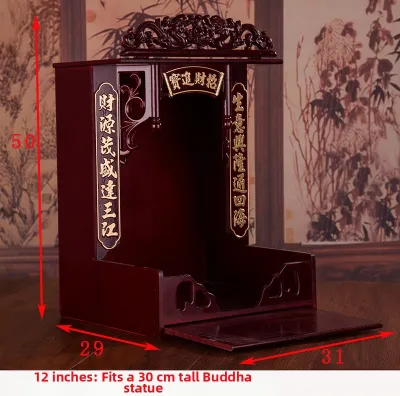
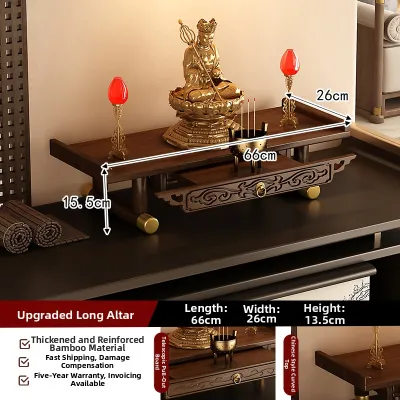
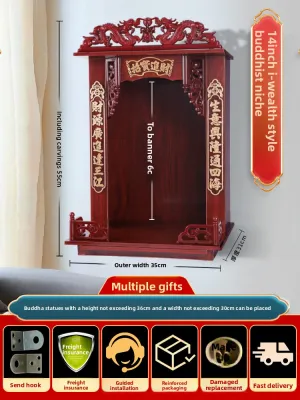
An altar must be sized to safely accommodate all your ritual objects without crowding. Start by listing the items that will permanently reside on the shelf, such as statues, ancestral tablets, incense burners, water cups, and flower vases. Measure the base diameter and height of your largest statue or ritual item. The shelf depth of the wall-mounted altar must be deep enough to allow these items to sit fully on the surface with a safety margin of at least a few centimeters from the front edge. Overhanging items are highly susceptible to falling, which poses both a safety hazard and a risk of damaging sacred objects.

When deciding on the configuration, compare single-tier shelves with multi-tier units. A single-tier floating shelf offers a clean, minimalist look and is ideal if you only display a single statue or a small incense burner. However, if your practice involves worshipping multiple deities or combining ancestral worship with deity worship, a multi-tier configuration is often necessary to maintain proper hierarchical placement. Keep in mind that multi-tier units are naturally heavier and deeper, which increases the leverage and pull force exerted on your wall anchors.
Avoid the common mistake of choosing an oversized unit simply to fill a wall. An excessively deep altar in a narrow hallway or dining area can make the space feel cramped and increase the likelihood of accidental physical contact. Conversely, an undersized altar that is overloaded with heavy brass burners and multiple water cups can suffer from structural fatigue, causing the shelf to sag forward over time. Always match the physical dimensions of the altar to the actual weight and footprint of your ritual items.
Selecting Styles and Configurations for Compact Apartments
Modern interior design in Singapore often leans toward clean lines, light wood tones, and minimalist aesthetics. Fortunately, wall-mounted altars are available in a wide variety of styles that can complement these contemporary themes. When choosing a style, you will primarily decide between open-shelf designs and enclosed cabinet styles. Open shelves provide a light, airy visual footprint that makes small rooms feel larger, but they offer no protection from dust and require regular cleaning. Enclosed cabinets, which often feature glass or wooden doors, keep ritual items clean and dust-free, but they require careful ventilation management if you burn incense inside them.
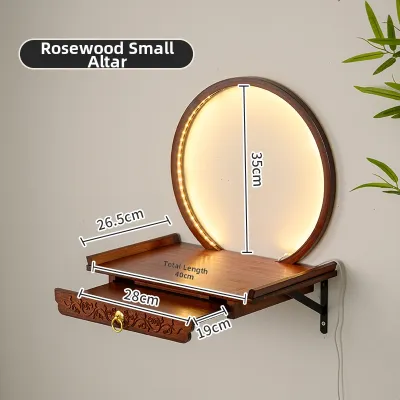
For exceptionally tight spaces or multi-purpose rooms, consider innovative space-saving designs. Some modern altars feature pull-out trays or extendable drawers built into the bottom of the shelf. These trays can be slid out to hold temporary offerings, fruit plates, or extra water cups during prayer times, and then slid back in to maintain a sleek, flush profile when not in use. Foldable designs or units with sliding screens can also help maintain visual tidiness in homes where the living room serves multiple functions.
To ensure the altar harmonizes with your home decor, pay close attention to wood finishes and integrated lighting. Light oak, ash, and matte white finishes blend beautifully with Scandinavian, Japandi, or minimalist interiors, while deeper walnut or cherry finishes complement classic or transitional styles. If you prefer integrated lighting, look for altars with built-in LED strips. Decorative lighting styles and perceived color temperatures are highly subjective, but warm white light (around 2700K to 3000K) is generally preferred for creating a serene, peaceful atmosphere. Ensure any integrated lighting system uses low-voltage LEDs with certified drivers suitable for home use.
Installation Safety and Structural Boundaries
Securing a wall-mounted altar is a critical safety task, as these units often carry heavy stone or metal statues, ceramic burners, and liquids. The first step is to identify your wall type. Most HDB flats feature solid concrete structural walls or precast concrete internal walls, which are excellent for load-bearing installations but require a rotary hammer drill and specialized masonry wall plugs. Condominiums, on the other hand, frequently use drywall or hollow block partitions for internal room dividers. These walls have significantly lower load-bearing capacities and require specialized toggle bolts or mounting directly into the internal metal studs.
Always check the manufacturer’s maximum weight rating for the altar unit itself, and ensure your mounting hardware matches or exceeds this rating. Never rely on simple adhesive strips, double-sided tape, or standard plastic plugs in hollow walls to support a heavy altar. If you are drilling into any wall, use a digital wall scanner to check for concealed electrical conduits or water pipes before you begin. Additionally, be aware of local building regulations; in Singapore, drilling into the reinforced concrete walls of a designated Household Shelter (bomb shelter) is strictly prohibited.
Recognize the boundaries of DIY installation. If your altar is exceptionally heavy, requires structural reinforcement of a drywall partition, or involves complex integrated electrical wiring, it is best to stop and consult a qualified professional. For any fixed electrical wiring or connection to your home’s main power grid, always isolate the power supply at the main circuit breaker first, and engage a licensed electrical worker to perform the installation safely and in compliance with local electrical standards.
Frequently Asked Questions (FAQ)
Can I install a wall-mounted altar on a drywall partition?
Yes, but you must take specific structural precautions. Standard drywall partitions cannot support the weight of a typical wooden altar and heavy ritual items using standard screws or plastic plugs alone. To install safely, you must locate the internal metal or wooden studs behind the drywall using a stud finder and secure the altar’s mounting bracket directly into these studs. If the stud spacing does not align with your altar’s mounting points, you must use high-quality, heavy-duty metal toggle bolts designed specifically for hollow walls. If the altar is exceptionally heavy or made of solid stone or thick hardwood, mounting it on a drywall partition should be avoided entirely in favor of a solid concrete wall.
How much floor clearance should I leave in front of the altar?
There is no single fixed rule for floor clearance, as it depends entirely on your personal worship practices and the layout of your room. As a general guideline, you should leave enough space for the tallest member of your household to stand, bow, or kneel comfortably without their back or head touching nearby walls or furniture. If you use a kneeling mat or prayer cushion, measure its length and add at least 30 to 40 centimeters of buffer space behind it for easy access. If you plan to set up a temporary table for offerings during festive periods, ensure the surrounding walkway remains wide enough for family members to pass safely without risking bumping into the table or the wall-mounted altar above.

Community discussion
Share your experience or ask a question. Comments are reviewed before publication.