
The ideal placement of a water feature in your home depends on balancing traditional Bagua sectors—typically the North, East, and Southeast zones—with the physical layout and safety requirements of your living space. In classical feng shui, water represents wealth, career progression, and the flow of active energy (Qi). To harness these benefits, you must position the feature where it stimulates positive energy without clashing with other elemental zones or creating safety hazards. This guide walks you through mapping your home, identifying auspicious sectors, avoiding critical placement errors, and ensuring your setup complies with practical home safety standards.
Understand the Core Feng Shui Principles for Water
In traditional Chinese metaphysics, water is one of the most powerful elements because of its association with movement, change, and the accumulation of wealth. Moving water mimics the flow of Qi, the vital life force, drawing opportunities and abundance into a household. When properly placed, a water feature acts as an energetic activator, stimulating the specific sector of the home in which it resides.
To understand where water belongs, you must look at the Five Elements (Wu Xing) framework: Wood, Fire, Earth, Metal, and Water. Each element supports or controls another in a continuous cycle. Water nourishes Wood and is generated by Metal, making these compatible pairings. Conversely, Water extinguishes Fire and is blocked or absorbed by Earth, which can lead to energetic conflicts if placed in sectors dominated by those elements.
Products mentioned in this guide
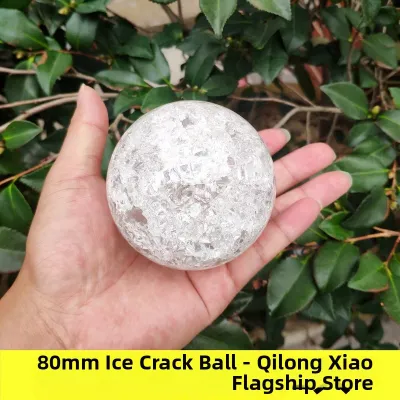
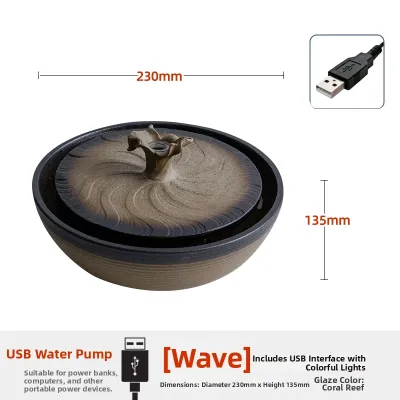
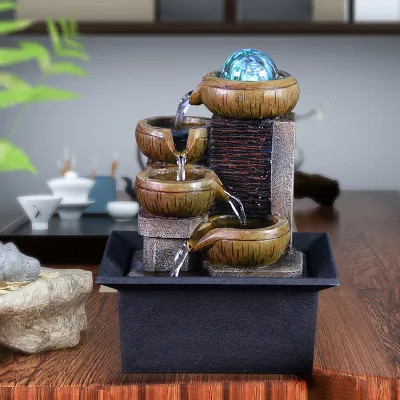
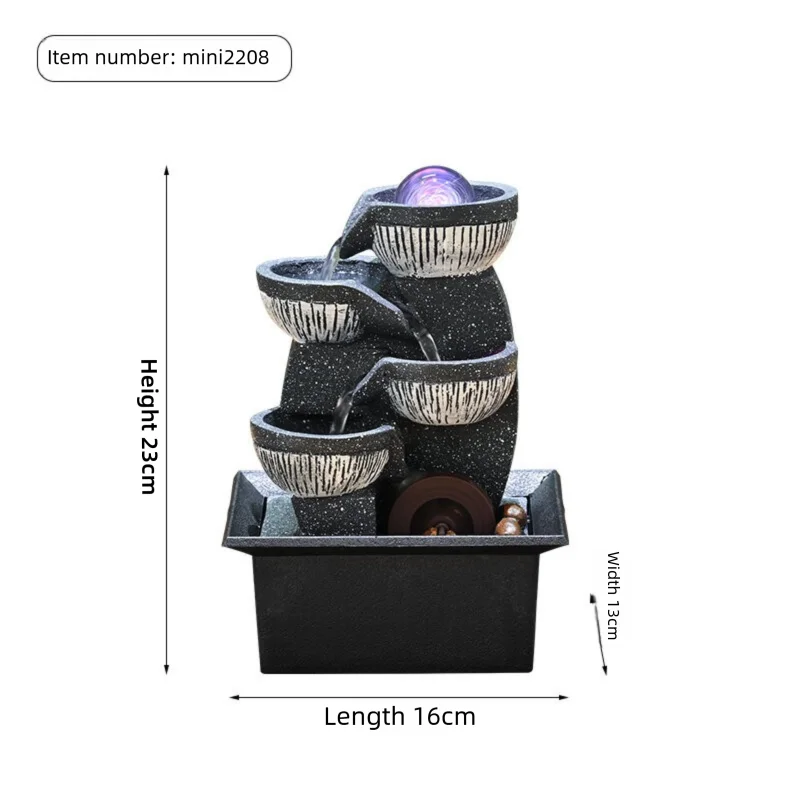
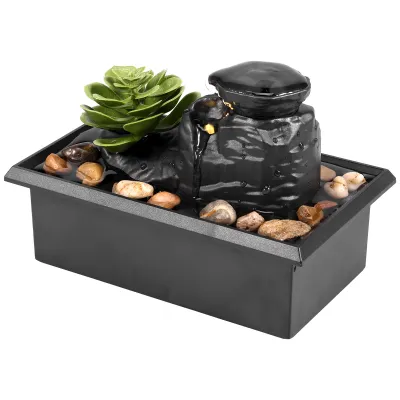
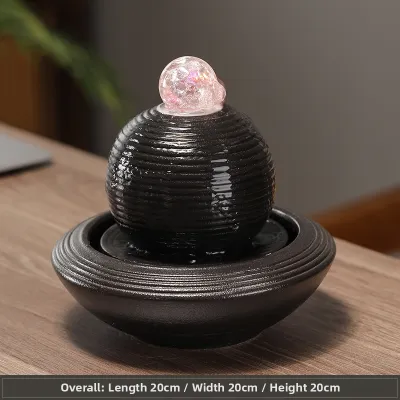
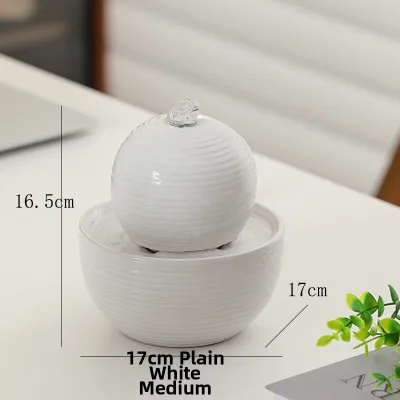
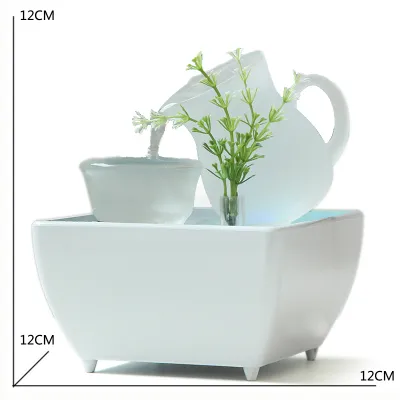
Prices are valid at publication and may change. Please refer to the product page for the latest price.
In feng shui, water is categorized into two main states: active (Yang) and quiet (Yin). Active water, such as a bubbling fountain, is used to circulate energy in lively areas of the home. Quiet water, such as a still bowl, promotes reflection and tranquility. Understanding this distinction helps you choose the right type of water feature to match the energetic needs of your chosen space.
Achieving balance is critical when introducing a water feature to your home. An excessively large fountain can overwhelm a small room, creating an imbalance of Yin (passive) and Yang (active) energies. Instead of bringing prosperity, an oversized or poorly managed water element can lead to feelings of instability or emotional overwhelm for the occupants.
Step-by-Step Guide to Finding the Ideal Location
Finding the perfect spot for your water feature requires a systematic approach that combines traditional mapping with practical home assessment. By following these steps, you can identify a location that is both energetically favorable and structurally safe.

Step 1: Map your floor plan and locate the center point. Begin by obtaining a scaled floor plan of your home. Draw diagonal lines from the outermost corners of the layout to find the intersection point, known as the Tai Chi or center of the home. This center point serves as the anchor for your Bagua grid, which divides your living space into eight distinct energetic sectors.
Step 2: Determine the exact facing direction of your home. Stand at your main entrance looking outward, holding a reliable compass level at waist height. Step away from large metal objects, reinforced concrete pillars, or electronic devices that might interfere with the magnetic reading. Note the exact degree reading to identify the primary compass direction your home faces.
Step 3: Identify the wealth and career sectors. Using the compass reading and your floor plan, overlay the Bagua grid from the center point. In classical feng shui, the North sector represents career and life path, making it a natural home for water elements. The Southeast sector governs wealth and abundance, while the East sector represents family and health; both are Wood-dominated zones that benefit from the nourishing properties of Water. Keep in mind that advanced feng shui systems, such as Xuan Kong Flying Stars, require more complex calculations based on the building’s construction year and precise orientation to pinpoint temporary or yearly wealth stars.
Step 4: Cross-reference candidate zones with physical constraints. Once you have identified potential sectors, evaluate the physical reality of those spaces. Ensure the chosen spot has easy access to a grounded electrical outlet to avoid running long cords across walkways. Check that the floor or supporting furniture can safely bear the weight of the filled water feature, and verify that the surrounding walls and flooring can tolerate localized humidity.
When evaluating physical constraints, pay close attention to electrical safety. Ensure the water feature’s pump matches your home’s voltage requirements and carries a recognized electrical safety certification, such as the Safety Mark in Singapore. If you plan to install a larger, wall-mounted, or outdoor water feature that requires fixed wiring, always isolate the power supply before installation and hire a qualified professional electrician to handle the wiring to prevent short circuits or fire hazards.
Areas to Avoid for Water Feature Placement
While placing a water feature in the right spot can enhance your living environment, positioning it in an unsuitable area can lead to energetic imbalances and physical damage. Knowing where not to put water is just as important as finding the ideal location.
From a feng shui perspective, the bedroom is the most critical area to keep free of water features. The bedroom requires quiet, stable, and restorative Yin energy to support restful sleep, whereas moving water introduces active Yang energy that can disrupt your rest. Similarly, avoid placing water in the kitchen, as the water element directly clashes with the fire element of the stove, potentially leading to domestic disharmony.
The exact center of the home (the Tai Chi) should also remain dry and clear, as this area represents the heart of the household and requires stability. Additionally, avoid placing a fountain directly facing the main door in a way that directs the water flow straight out of the house, as this symbolizes wealth and opportunities flowing away from the family.
Practical hazards must also guide your placement decisions. Keep water features out of direct sunlight, which accelerates algae growth and requires more frequent chemical treatments or cleaning. Position the unit away from delicate wood furniture, sensitive electronics, and high-traffic walkways where it could be easily knocked over or cause slipping hazards. If your home’s layout presents conflicting structural and energetic constraints, it is best to stop and consult a qualified feng shui practitioner who can provide personalized remedies.
Selecting and Adjusting the Water Feature for Your Space
Selecting the right water feature involves more than just picking an attractive design; it requires matching the physical characteristics of the item to the specific needs of your room. The scale, material, and flow dynamics must all work in harmony with your home’s existing decor.
Proportion and scale are fundamental to maintaining elemental balance. A massive, roaring fountain in a compact apartment can create excessive noise and moisture, turning a soothing element into a source of stress. Conversely, a tiny tabletop fountain in a spacious, double-volume living room will fail to generate enough movement to activate the sector’s energy. Choose a size that feels natural and proportional to the surrounding furniture.
The material of the water feature should align with the elemental profile of the sector where it is placed. For instance, if you place the feature in the North (Water) or Southeast (Wood) sector, a metal fountain is highly beneficial because Metal supports Water in the productive cycle. Ceramic, stone, or clay features represent the Earth element, which can be used strategically to control water flow, while glass and resin offer modern, neutral alternatives that fit seamlessly into contemporary interiors.
While the energetic properties of the water feature are paramount, its aesthetic design should also complement your home’s interior style. Modern minimalist homes benefit from sleek, geometric ceramic or metal designs, while traditional spaces may suit natural stone or carved elements. If your water feature includes built-in lighting, treat the color temperature as a conditional preference; warm white lights (2700K to 3000K) create a cozy, inviting ambiance, while cool white lights can highlight the clarity and movement of the water in contemporary settings.
Pay close attention to the direction of the water flow when setting up your fountain. The water should always flow inward, toward the center of the room or the interior of the home. This inward movement symbolizes drawing wealth, opportunities, and positive energy into your living space. If the water flows toward a window, a corridor, or the front door, it can represent resources draining out of your household.
Maintenance and Energy Flow Optimization
A water feature only brings positive energy if it is kept in pristine condition. Neglecting your fountain can quickly turn a source of vibrant Qi into a generator of stagnant or negative energy (Sha Qi), which can affect the atmosphere of your entire home.
Water quality is the most critical factor in ongoing maintenance. Stagnant, dirty, or cloudy water accumulates debris and can emit unpleasant odors, which completely defeats the purpose of activating positive energy. Establish a routine to top up the water regularly to compensate for evaporation, especially in warm climates, and perform a complete water change and deep clean of the basin periodically.
Sound adjustment is another key element of optimization. The sound of the water should be a gentle, soothing murmur that enhances relaxation and masks background noise. If the pump is too loud, or if the water splashes harshly against the sides, it can create a chaotic acoustic environment. Adjust the pump’s flow rate or add smooth river stones to the basin to soften the impact and create a harmonious soundscape.
Finally, prioritize safety checks to protect your home and family. Regularly inspect the electrical cords, plugs, and the water pump for signs of wear, mineral buildup, or damage. Ensure that all electrical components carry the appropriate safety certifications for your region, and always isolate the power supply before performing any maintenance or cleaning to prevent electrical hazards.
Frequently Asked Questions (FAQ)
Does the water feature need to be running all the time?
From a traditional feng shui perspective, a water feature should run continuously to keep the energy active and prevent the water from becoming stagnant. However, you must balance this with practical considerations such as pump lifespan and energy consumption. Modern, high-quality pumps are designed for continuous operation, but if you must turn the feature off while traveling or sleeping, ensure the water remains clean and is reactivated as soon as you return.
Can I place a water feature in the bathroom?
It is generally not recommended to place a wealth-activating water feature in the bathroom. Although the bathroom naturally contains physical water, it is a space characterized by waste and drainage, meaning any positive energy activated there is symbolically washed away. To maximize the benefits of your water feature, keep it in active, social areas of the home like the living room or foyer.
What if my ideal feng shui spot lacks a power outlet?
If your ideal location lacks a nearby power outlet, do not run long, loose extension cords across walkways, as this creates a serious tripping and electrical hazard. Instead, consider using a battery-operated tabletop water feature or a solar-powered model if the spot receives sufficient natural light near a window. Alternatively, you can consult a licensed electrician to safely install a new, grounded outlet in the desired location.
Community discussion
Share your experience or ask a question. Comments are reviewed before publication.