
A waterless aroma diffuser (also known as a nebulizing diffuser) works by using cold-air nebulization technology to atomize pure essential oils into an ultra-fine, dry mist without using water or heat. Whether it is better than a traditional ultrasonic diffuser depends on your space, lifestyle, and scent preferences. In humid environments like Singapore, waterless models offer a distinct advantage by delivering a pure, potent aroma without adding extra moisture to the air, whereas ultrasonic diffusers are more cost-effective and double as mild humidifiers for dry, air-conditioned rooms.
How Nebulizing Technology Works in a Waterless Aroma Diffuser
Nebulization relies on fluid dynamics to disperse fragrance. An internal air pump forces pressurized air through a set of specialized micro-tubes, creating a high-velocity air stream. This stream generates a vacuum effect that draws the pure essential oil up from the reservoir.
As the liquid oil meets the high-pressure air stream, it is instantly atomized into microscopic particles. This process breaks the oil down into an ultra-fine, dry mist without relying on water dilution or thermal elements.
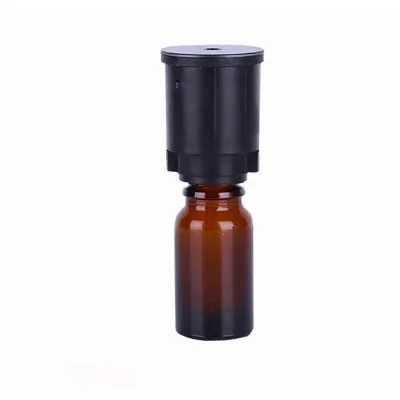
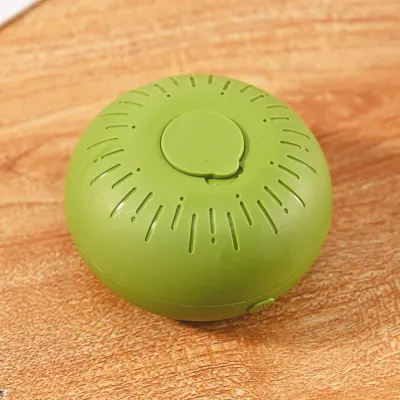
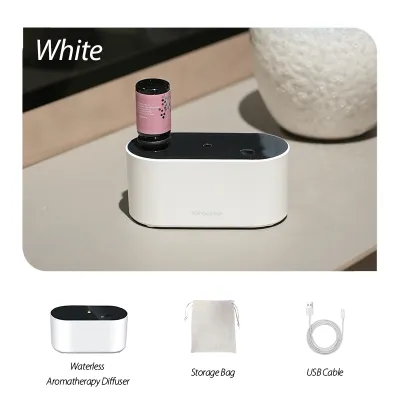
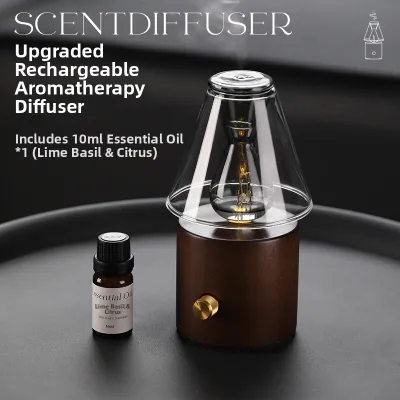
Products mentioned in this guide
![[LUMENA] THE SCENT AD1 | Waterless Aroma Diffuser for Essential Oils | Wireless Nebulizer | 190h Portable Fragrance Home Decor](https://img.lazcdn.com/g/p/1fe017917b58f7dd0a34e4babeaf63fa.png_400x400q80.png_.webp)
![[ARORAH] Spire Carroma Essential Oil Smart Stand Car/Home Nebulizer Air Freshener Scent Aroma Oil Diffuser](https://img.lazcdn.com/g/p/ddb53ccced1d362a9b2aa921fac41437.jpg_400x400q80.jpg_.webp)
Prices are valid at publication and may change. Please refer to the product page for the latest price.
Avoiding heat is a major benefit of this technology. Traditional heating methods can alter the delicate chemical structure of organic essential oils, potentially degrading their therapeutic properties or changing their scent profile. By operating entirely at room temperature, nebulization preserves the oil in its purest, most natural state.
Because there is no water dilution, the mist released from a waterless aroma diffuser is highly concentrated. It consists solely of suspended micro-droplets of pure essential oil. This dry mist is incredibly light, allowing it to suspend in the air for longer periods and disperse rapidly throughout a room without leaving a damp residue on nearby surfaces.
Decoding Key Specs: Choosing a Waterless Aroma Diffuser for Your Space
When shopping for a waterless aroma diffuser, check the rated coverage area, typically measured in square meters (m²). A compact model might cover up to 10 to 20 square meters, making it ideal for a study or a small bedroom. For spacious living rooms or open-plan layouts, look for heavy-duty units designed to cover 50 square meters or more, keeping in mind that high ceilings and open doorways can dilute the scent.

This specification indicates how much essential oil the device uses, usually measured in milliliters per hour (ml/h). Pure nebulizers naturally consume oil at a faster rate than ultrasonic models because they disperse undiluted oil directly. While an ultrasonic diffuser might use just a few drops of oil mixed with water over several hours, a nebulizer on a continuous high setting can consume 0.5 to 1.5 ml of pure oil per hour.
Because waterless diffusers rely on an internal mechanical air pump to create pressure, they produce a low, humming sound during operation. Noise levels are typically rated in decibels (dB). For a quiet bedroom or workspace, look for models rated below 30 to 35 dB; in a lively living room or office environment, slightly higher noise levels (up to 45 dB) are rarely noticeable over ambient room sounds.
To prevent scent fatigue and conserve expensive essential oils, adjustable settings are crucial. High-quality waterless diffusers feature built-in timers that allow you to set specific work-and-rest cycles, such as diffusing for 10 seconds and pausing for 50 seconds. These controls help you fine-tune the scent output to match your comfort level while preventing the rapid depletion of your oil bottle.
Waterless vs. Ultrasonic: Comparing Real-World Performance
The most immediate difference lies in the scent profile. A waterless aroma diffuser delivers an undiluted, rich, and complex aroma that captures the true essence of the plant. Ultrasonic diffusers, on the other hand, mix a few drops of oil into a large reservoir of water, resulting in a much lighter, diluted fragrance. If you use essential oils for therapeutic purposes, the waterless method ensures you inhale the pure, unaltered compound.
Ultrasonic diffusers require regular cleaning to prevent mold, mildew, and bacterial growth in their standing water tanks. If left uncleaned, these pathogens can be aerosolized into your breathing space. Waterless diffusers completely eliminate this biological risk because they use no water. Maintenance is significantly simpler, typically requiring only an occasional flush with rubbing alcohol to clear out any residual oil buildup.
In Singapore’s tropical climate, ambient humidity is already naturally high. Adding more moisture to the air via an ultrasonic diffuser can sometimes exacerbate indoor dampness, potentially contributing to mold growth on walls or furniture. A waterless diffuser is highly preferred in these conditions because it provides fragrance without introducing any extra humidity. However, if you spend most of your time in a heavily air-conditioned room where the air is excessively dry, the mild humidifying effect of an ultrasonic model might be a welcome secondary benefit.
From a financial perspective, ultrasonic diffusers generally have a lower upfront cost and are highly economical with oil consumption, making them budget-friendly. You can easily find basic ultrasonic models for under S$30. In contrast, waterless nebulizers usually command a higher initial purchase price—often ranging from S$60 to over S$150—due to their complex internal air pumps and premium build materials. Additionally, because they disperse pure oil, the ongoing cost of purchasing essential oils will be higher.
How to Choose the Right Diffuser for Your Home
Opt for a waterless aroma diffuser if you have a large, open-plan living space, prioritize strong therapeutic scent benefits, or want to avoid adding extra moisture to an already humid home. It is also the ideal choice for those who prefer a low-maintenance device that does not require daily water refills.
Select an ultrasonic model if you are working with a tighter budget, plan to scent a small, enclosed bedroom, or enjoy the visual appeal of soft mist and integrated LED mood lighting. It is also suitable if you prefer a subtle, background scent rather than an intense aromatic experience.
Because waterless diffusers emit highly concentrated micro-droplets of pure essential oil, proper placement is essential for safety. Always keep the device out of reach of pets and young children, as concentrated oils can be irritating to their sensitive respiratory systems. Additionally, ensure the mist nozzle is not directed toward painted walls, varnished wood surfaces, or delicate plastics, as undiluted essential oils can degrade or damage these finishes over time.
Since these devices are electrical, always ensure the power is isolated or unplugged before cleaning, avoid using them in damp areas like wet bathrooms unless rated for such environments, and strictly follow the manufacturer’s installation instructions. Before operating any new device, always verify the manufacturer’s voltage and electrical safety certifications, and place the unit on a stable, flat surface away from direct heat sources.
Frequently Asked Questions (FAQ)
Can I use carrier oils or synthetic fragrances in a waterless diffuser?
No, you should only use pure, thin essential oils in a waterless diffuser. Thick carrier oils, such as jojoba, sweet almond, or fractionated coconut oil, have a high viscosity that will clog the delicate micro-tubes of the nebulizer. Similarly, synthetic fragrance oils often contain heavy chemical binders that can permanently damage the internal air pump. Always check the label of your oil bottle to ensure it is 100% pure essential oil before pouring or screwing it into the device.
How often do I need to clean a waterless aroma diffuser?
To maintain optimal performance, it is recommended to clean your waterless diffuser every few weeks or whenever you switch between vastly different oil scents, such as transitioning from a heavy patchouli to a light citrus. Simply fill an empty oil bottle with a small amount of isopropyl alcohol (rubbing alcohol) and run the diffuser for 5 to 10 minutes in a well-ventilated room. This dissolves any sticky oil residue inside the micro-tubes. Always consult your specific manufacturer’s instruction manual first, as cleaning protocols can vary, and improper maintenance may void your warranty.
Community discussion
Share your experience or ask a question. Comments are reviewed before publication.